The Situation
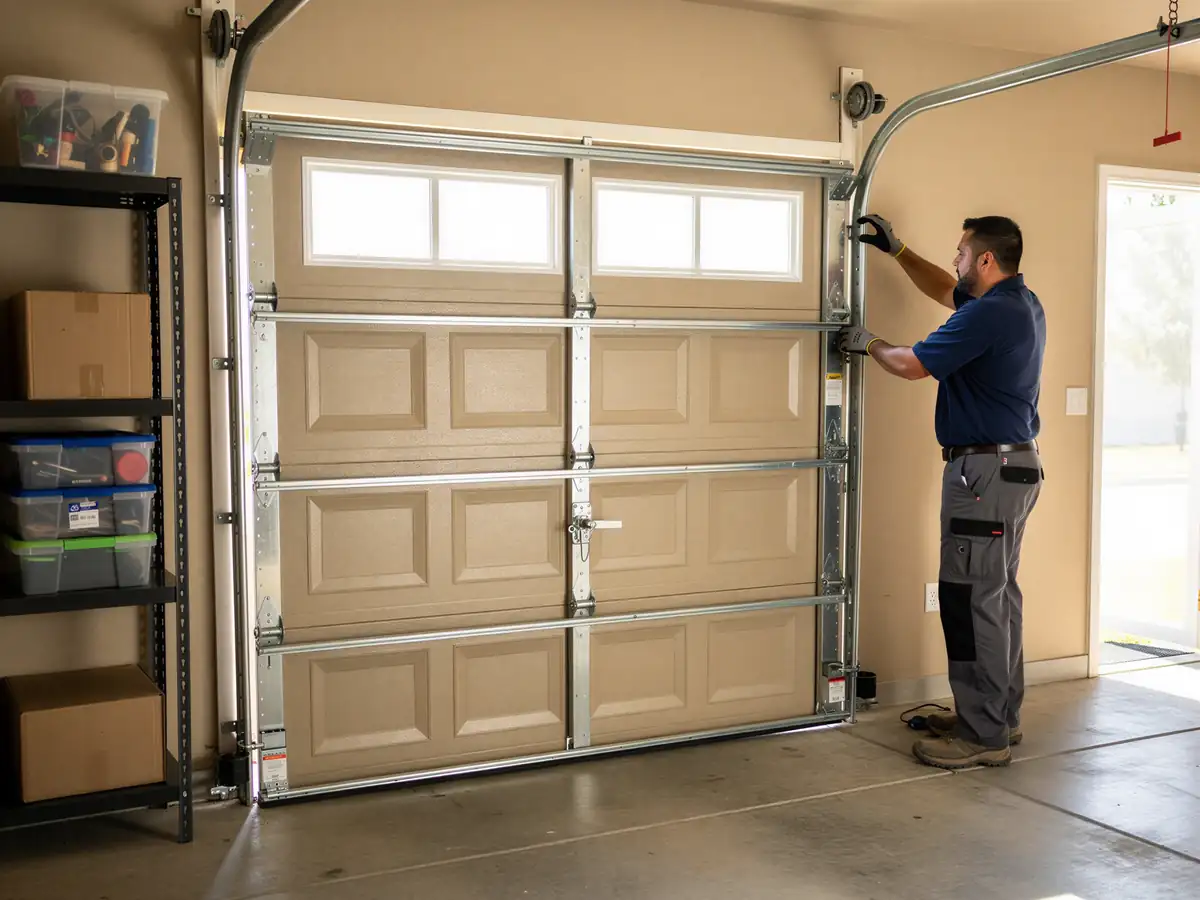
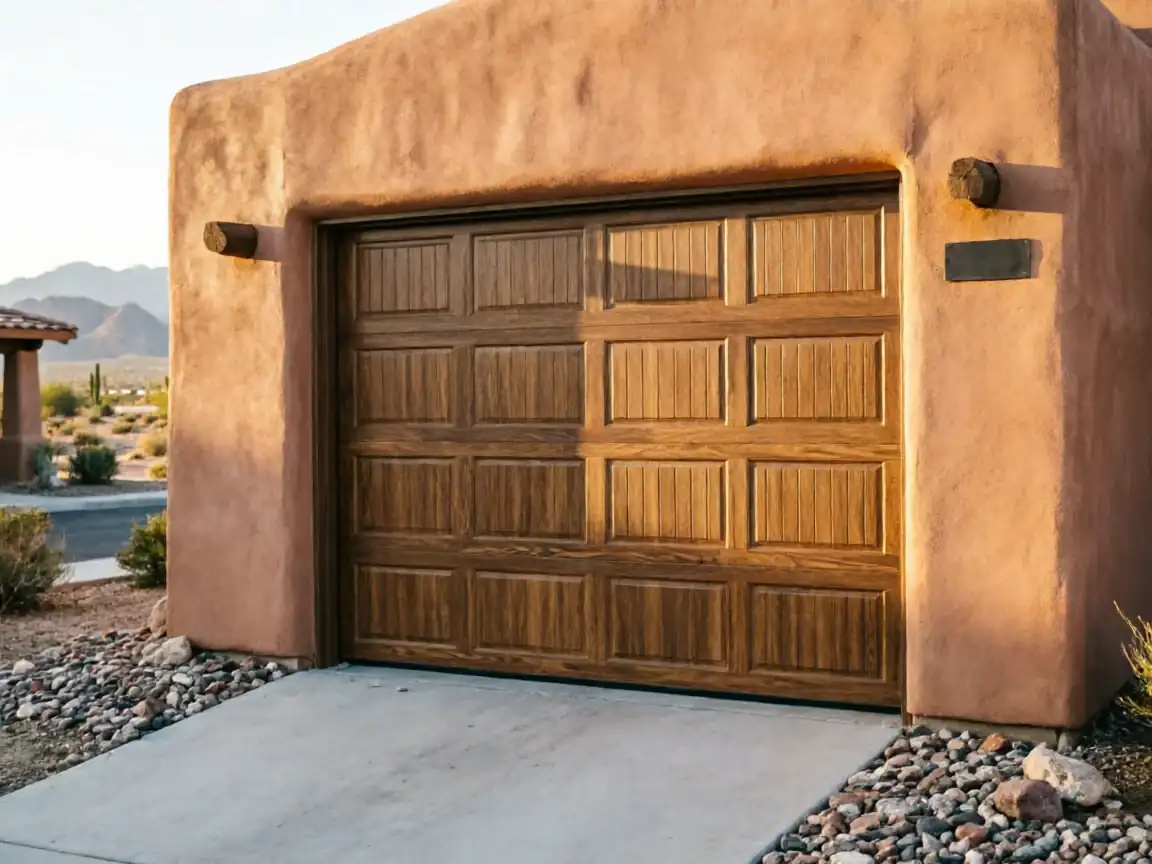
Queen Creek's housing stock is young compared to a lot of the Valley. Most of it went up between 1990 and 2004, with the median build year landing around 1997. That puts a huge share of garage doors in town at roughly the same age right now, which matters because torsion springs, rollers, and the first generation of chain-drive openers installed in that window are all wearing out on the same calendar, not randomly. The stock spans four distinct pockets of the city, built in waves rather than all at once, but the spread is narrow enough that a door built in 1995 and one built in 2001 are closer in age than you'd think. If your house falls in that build range, your door is a candidate for the same failure points as your neighbor's, even if the siding and floor plan look nothing alike. That's not a guess about your specific unit, it's what a town built almost entirely in a fifteen-year window looks like from the inside of a garage. Queen Creek doesn't have much pre-1980 housing to compare against, so the maintenance patterns here cluster tighter than in an older, more mixed town.
What the Weather Here Does to It
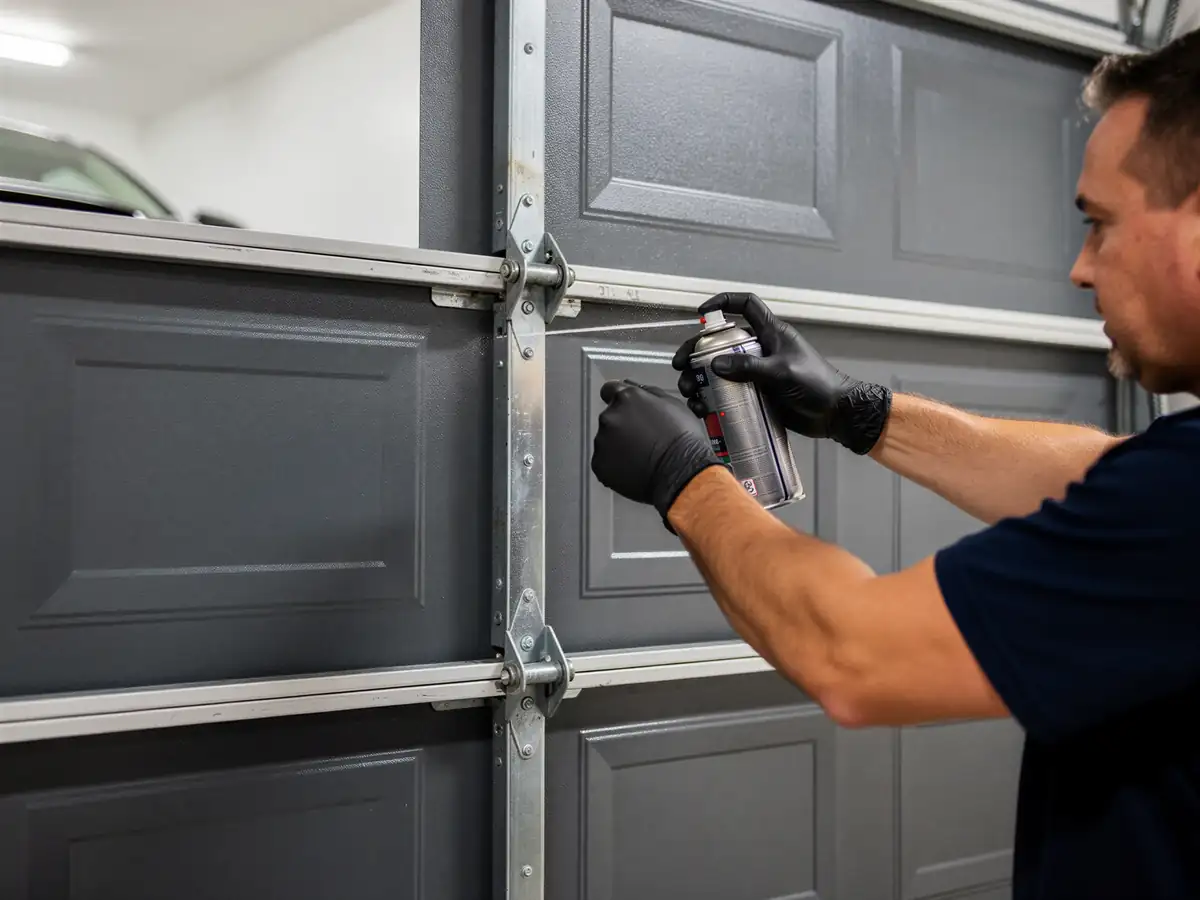
Queen Creek sits in a severe heat climate band, and that heat is hard on garage door hardware in ways that aren't obvious until something snaps. Steel panels expand and contract through triple-digit swings every summer, which loosens hinge screws and stresses the welds on panel seams faster than in a milder climate. Torsion springs lose tension more quickly when they're baking in a hot garage for months at a time, and the heat also dries out the lubricant on rollers and tracks, which is why doors that ran quiet in April start grinding by August. Opener logic boards and sensors don't love sustained heat either; a garage that sits at 120 degrees or more during the day puts real thermal stress on components that were built to a general spec, not a desert one. None of this is about a single bad storm. It's the daily grind of a severe heat climate working on a door that's already aging in sync with most of the town's housing. The two problems compound each other instead of staying separate.
What to Check
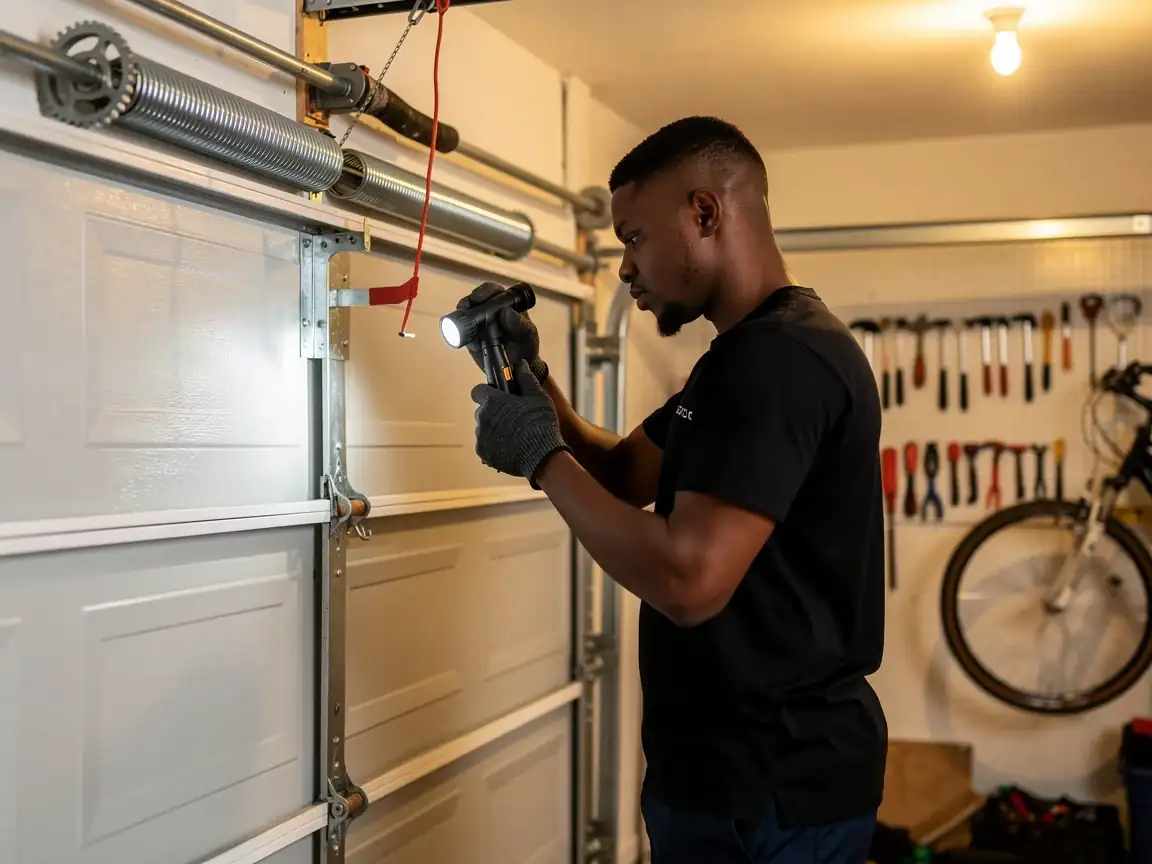
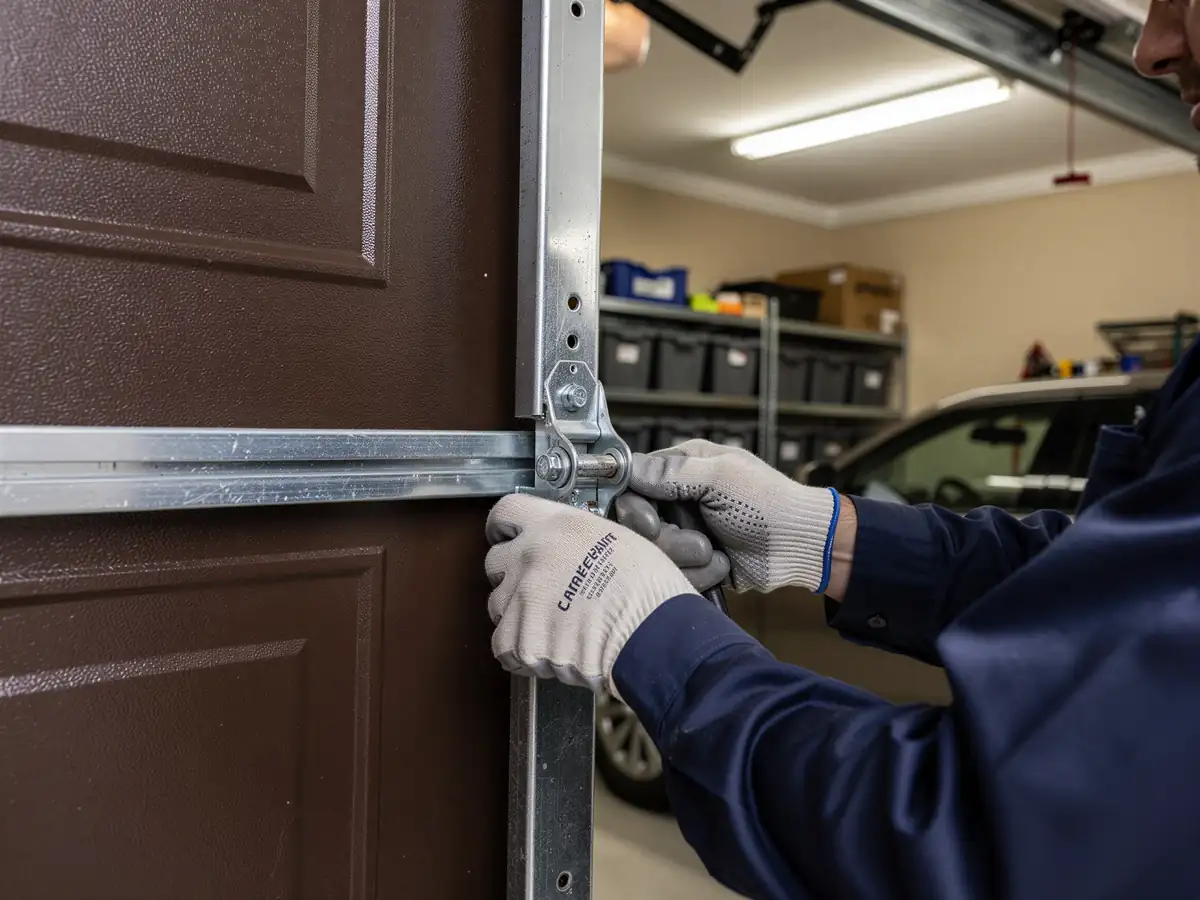
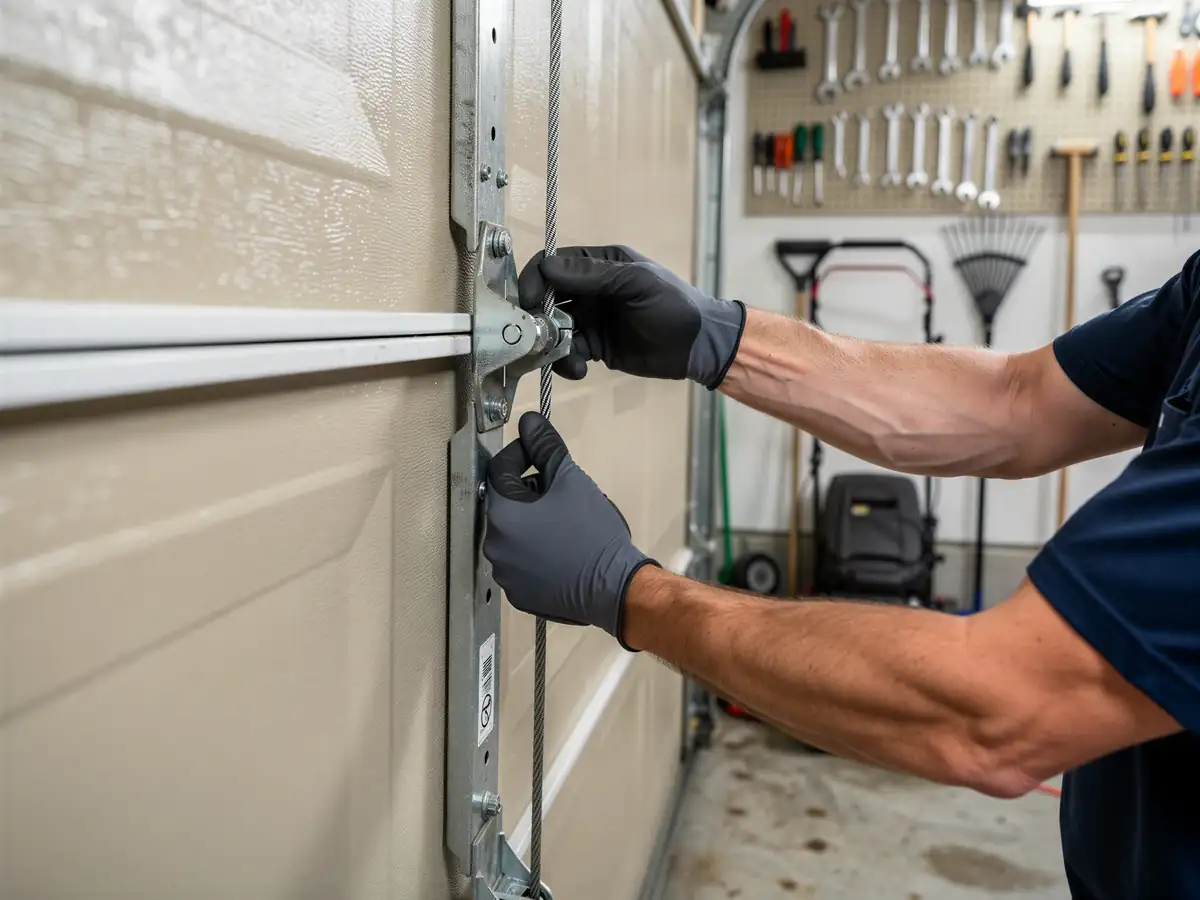
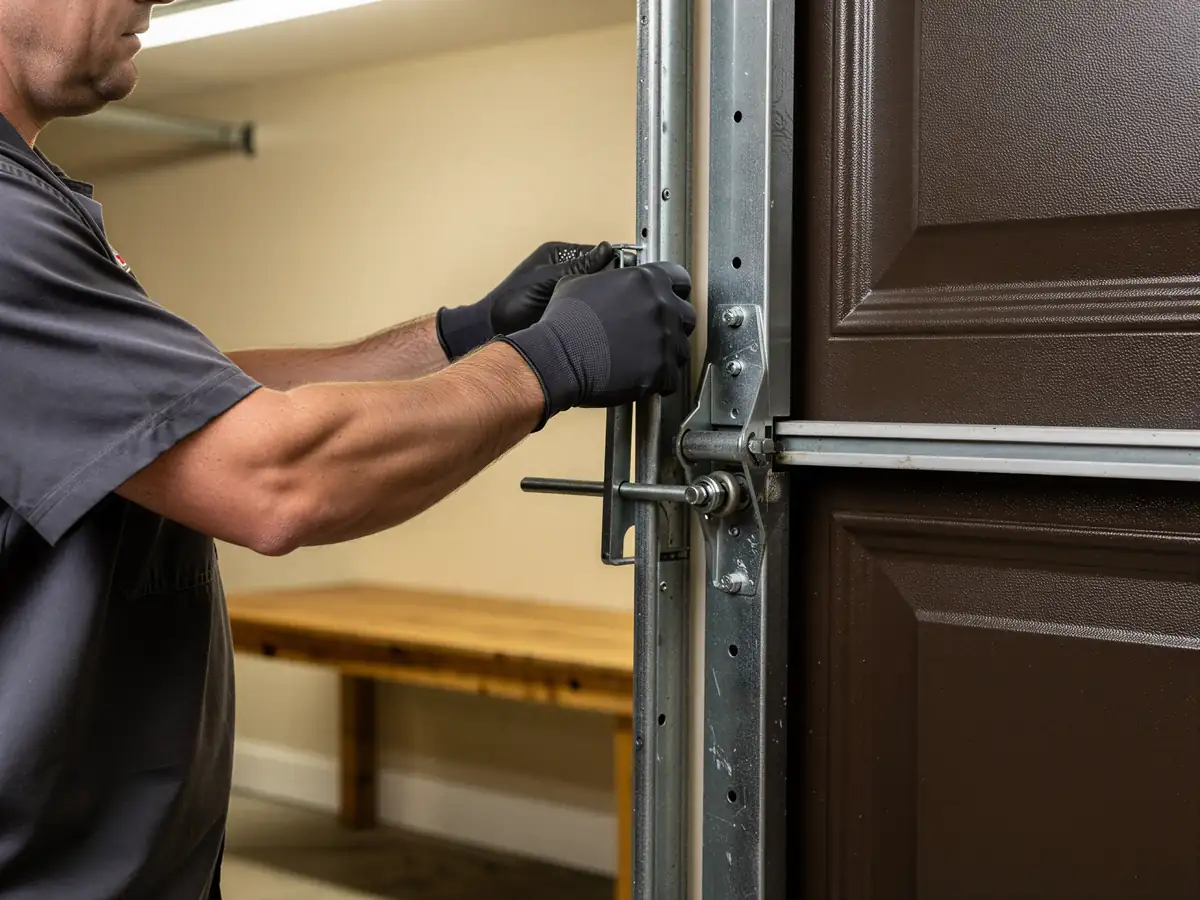
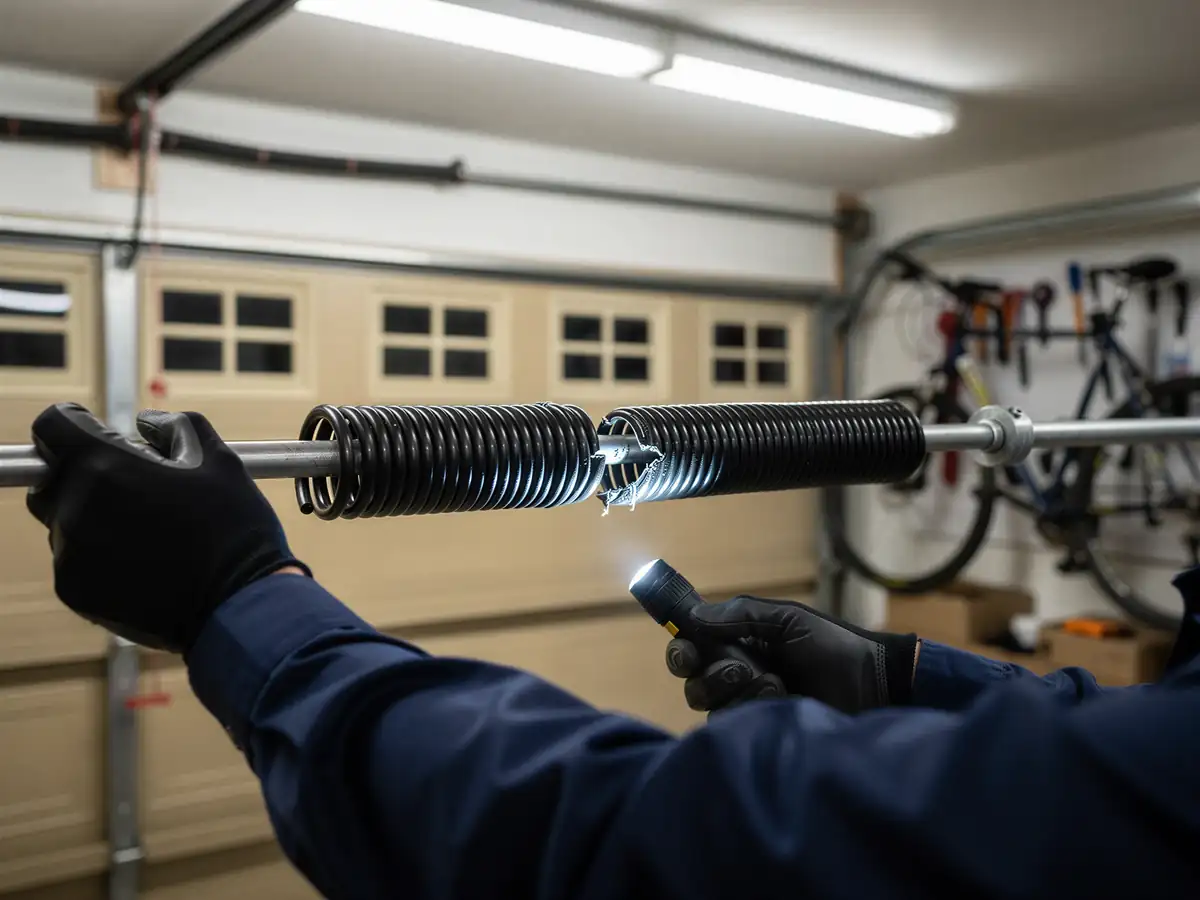
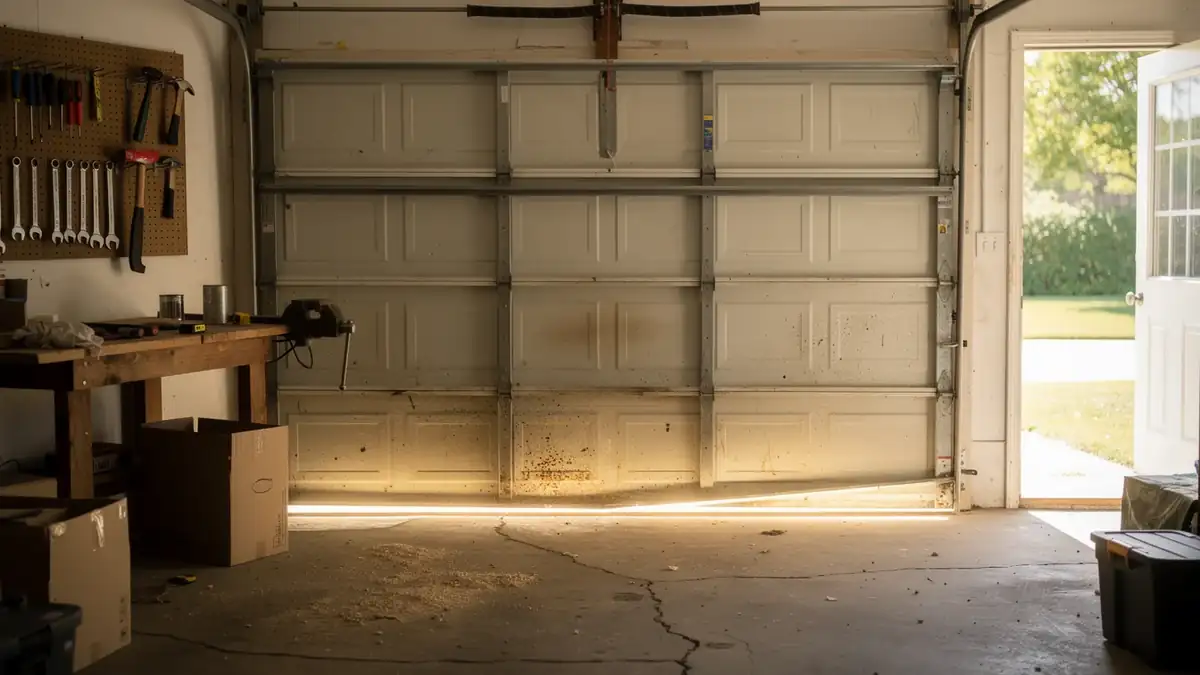
Start with the spring. If your house falls in that 1990 to 2004 build window and you haven't had the torsion spring looked at, check for visible gaps in the coil or a door that feels heavier than it used to when you lift it by hand with the opener disengaged. Next, look at the rollers: in a severe heat climate, nylon rollers dry out and crack years before the warranty on anything else expires, and a cracked roller binding in the track is one of the more common reasons a door stalls halfway. Check the weatherstripping along the bottom panel too. On a 1990s-era door it's usually original, and heat breaks down the rubber faster than cold does. Last, listen to the opener motor when it runs a full cycle. If it labors noticeably on a door with a tired spring, replacing just the spring usually solves it. We won't try to sell you an opener because the spring is the real problem; if the spring's shot, fix the spring first and see how the opener behaves before doing anything else. We also don't recommend DIY spring replacement, it's one of the few jobs in a garage that's genuinely dangerous under tension.