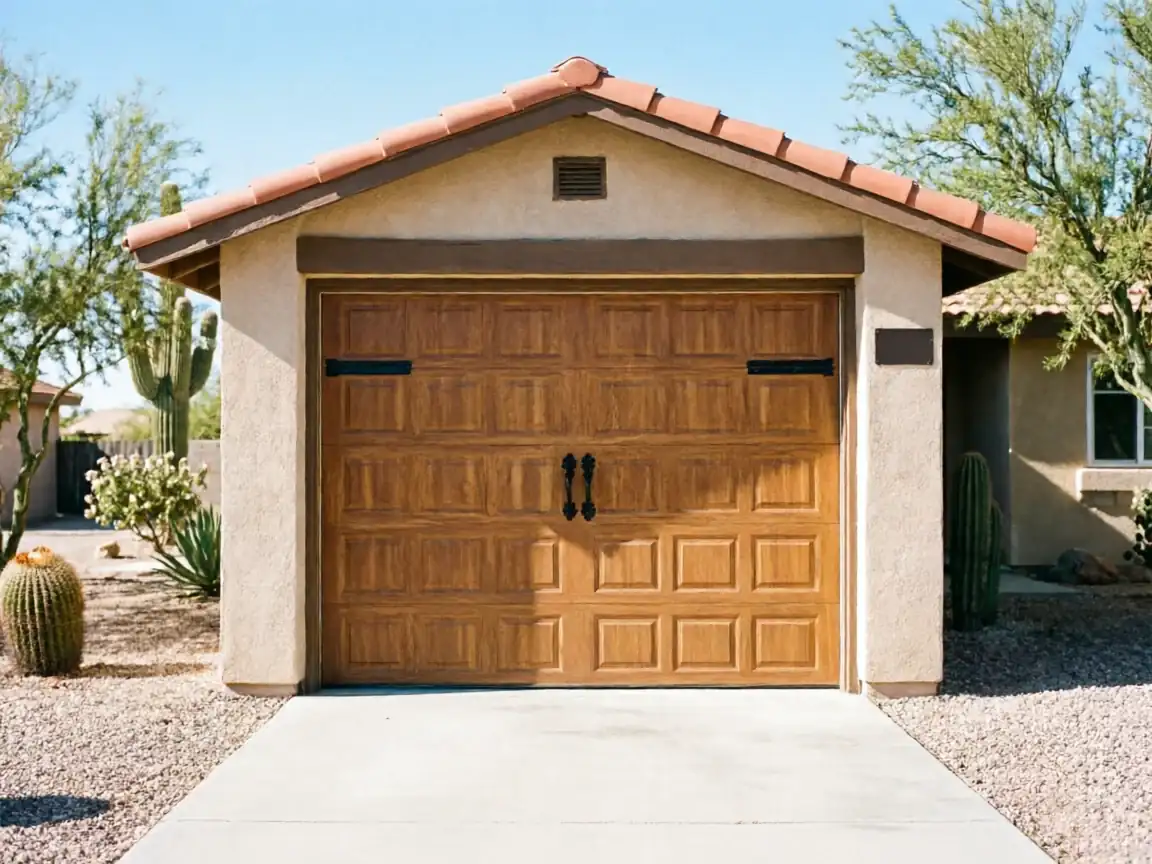
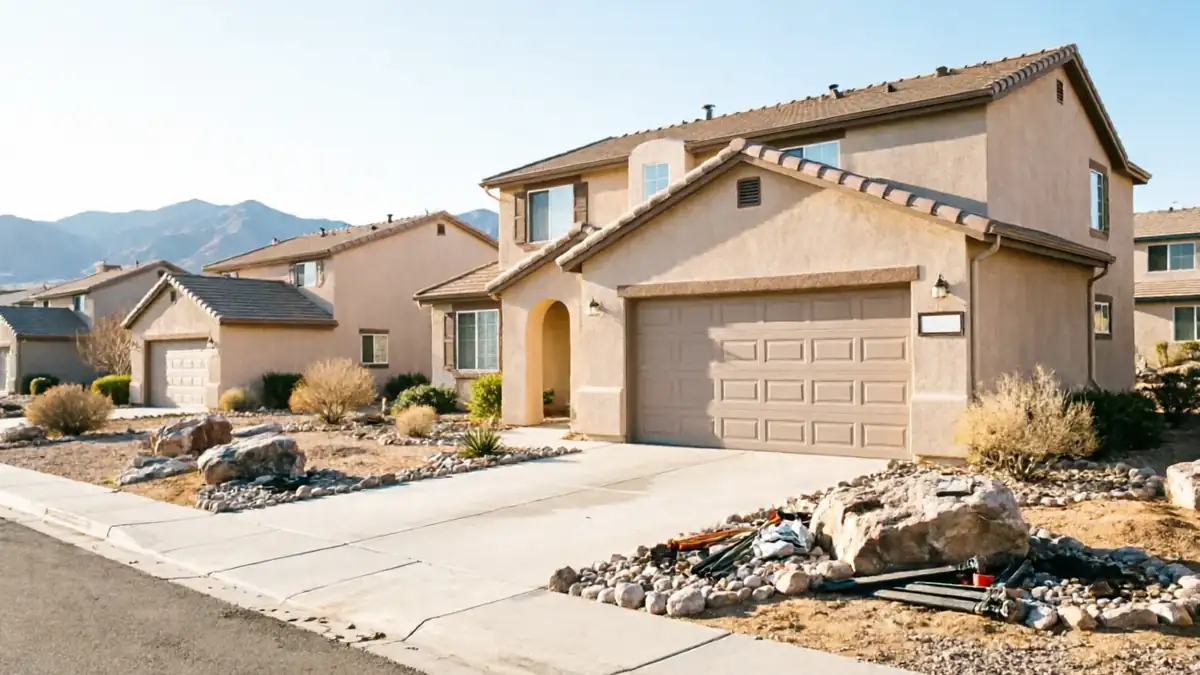
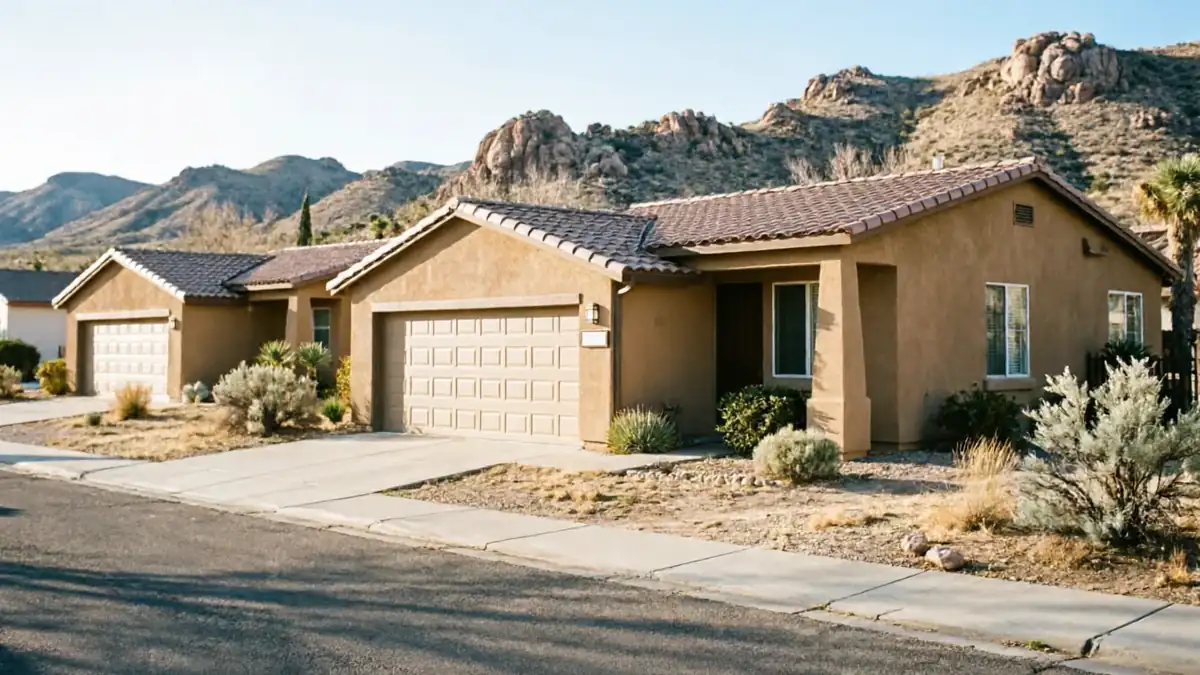
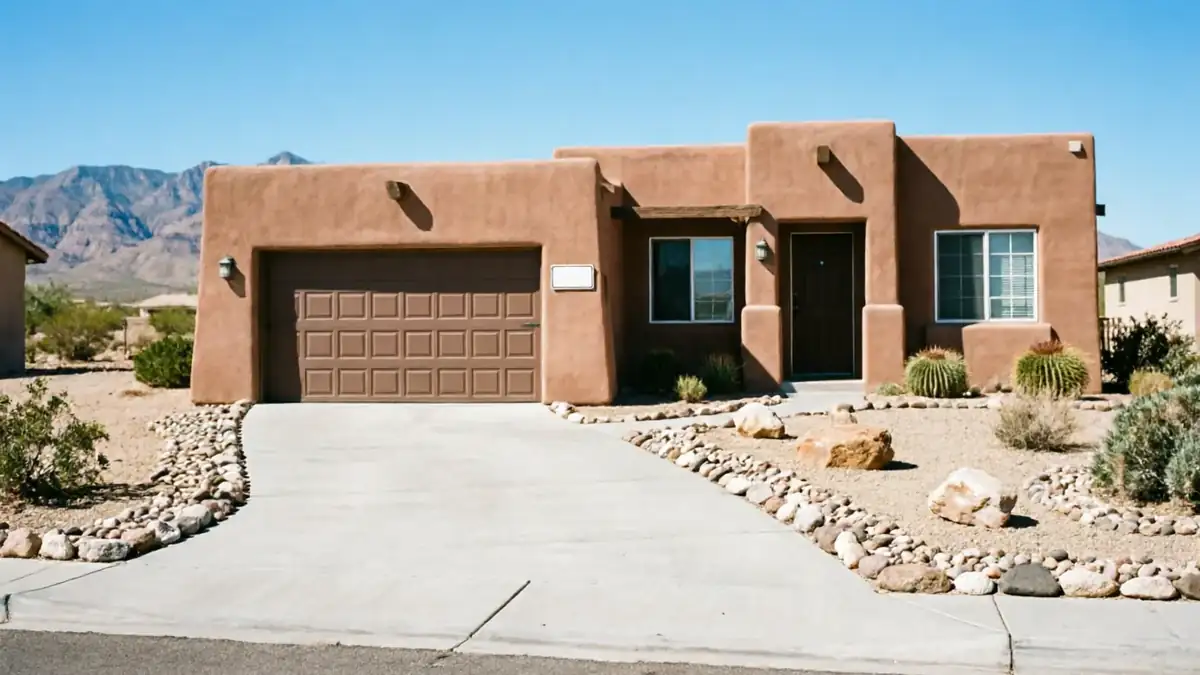
The Houses Here
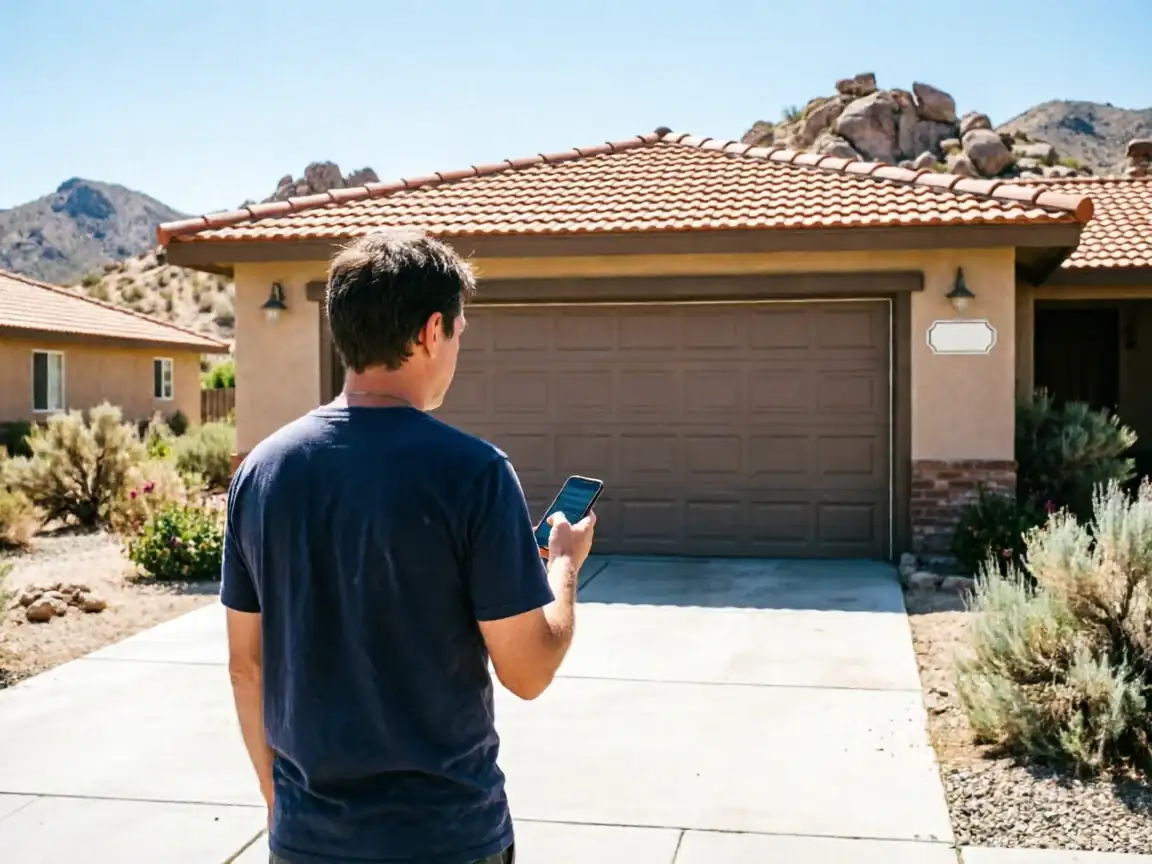
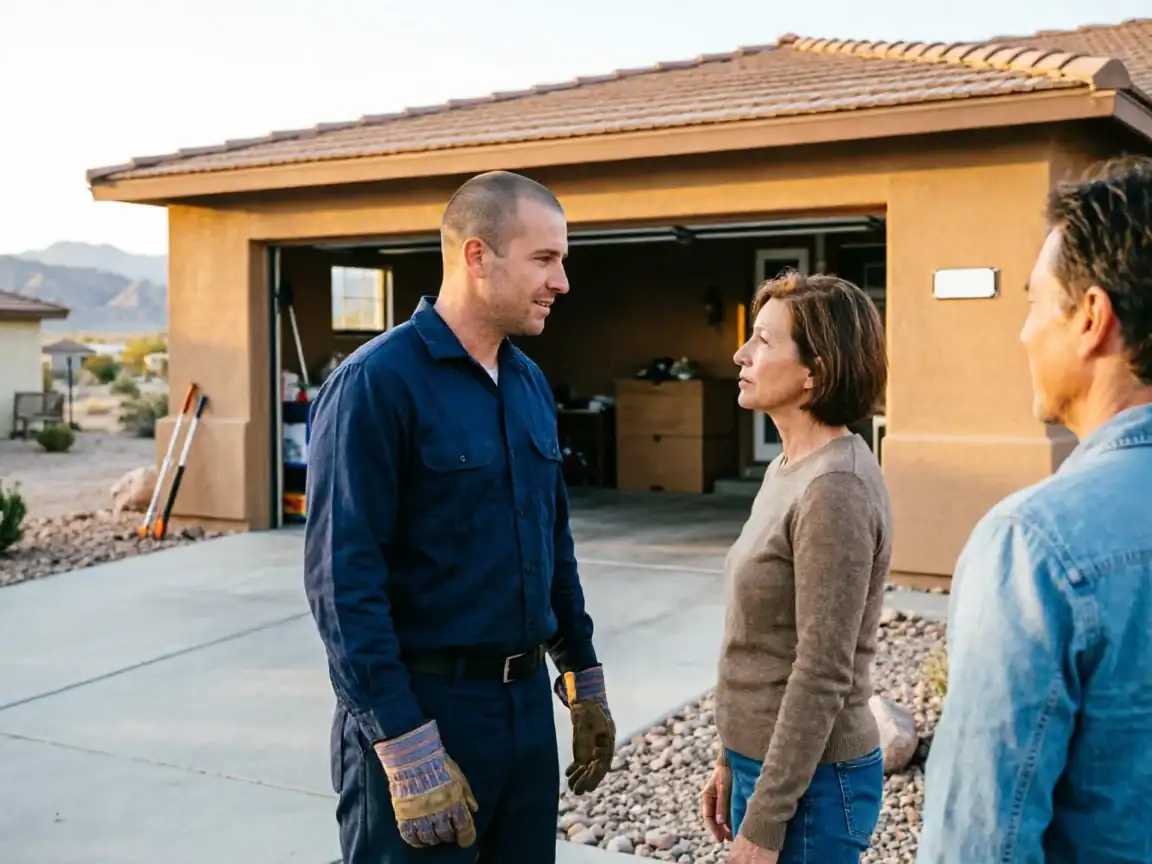
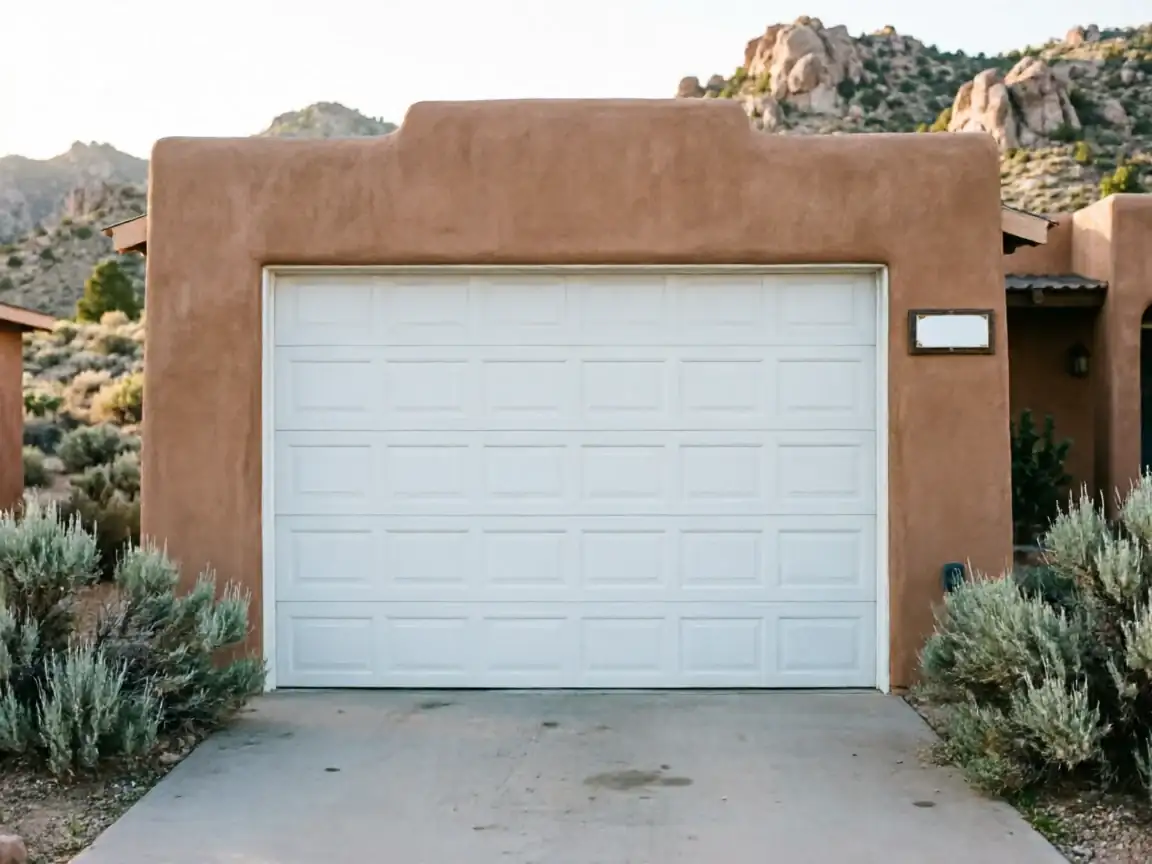
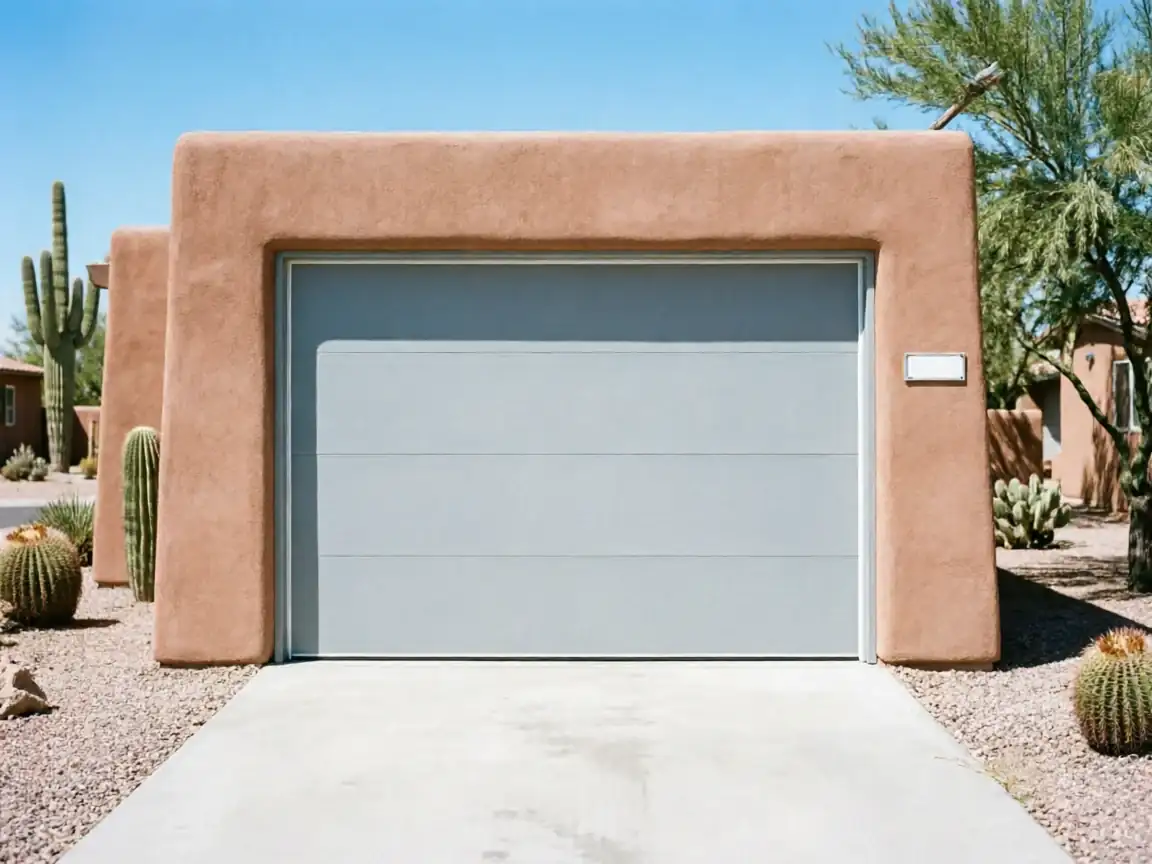
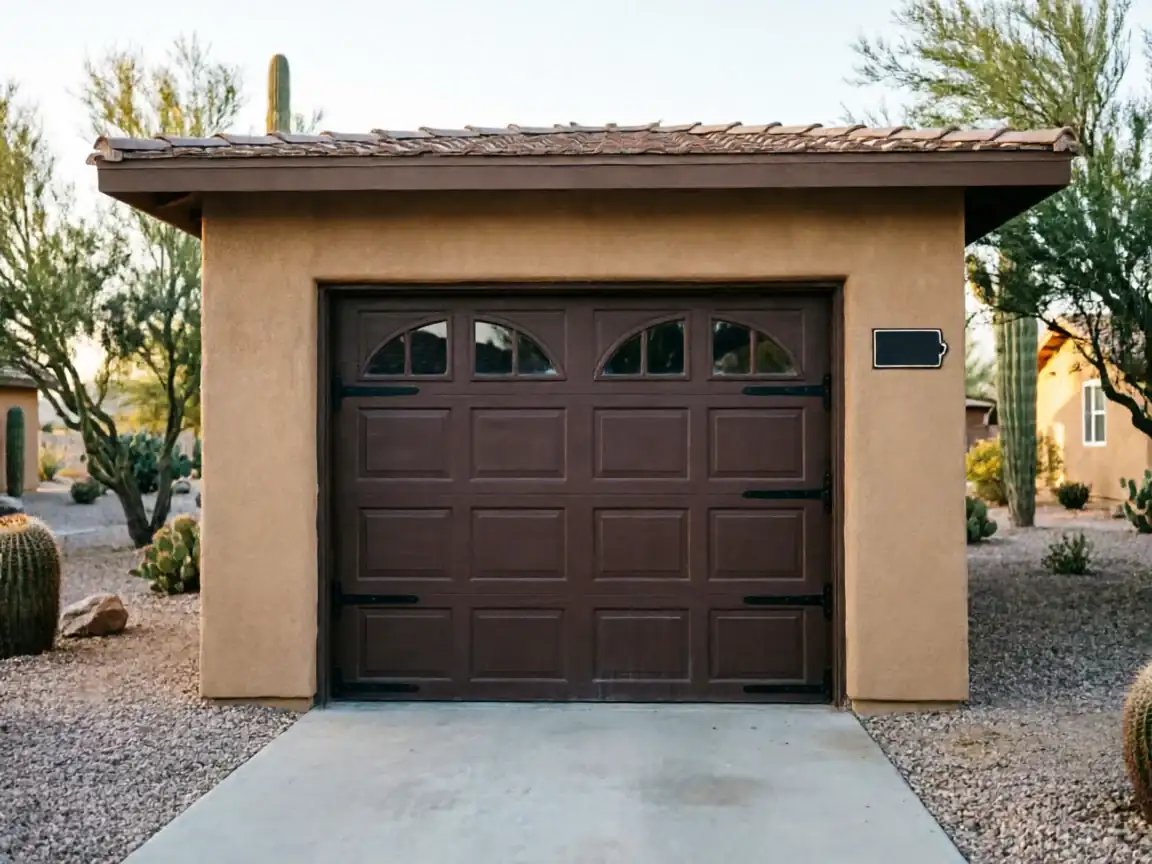
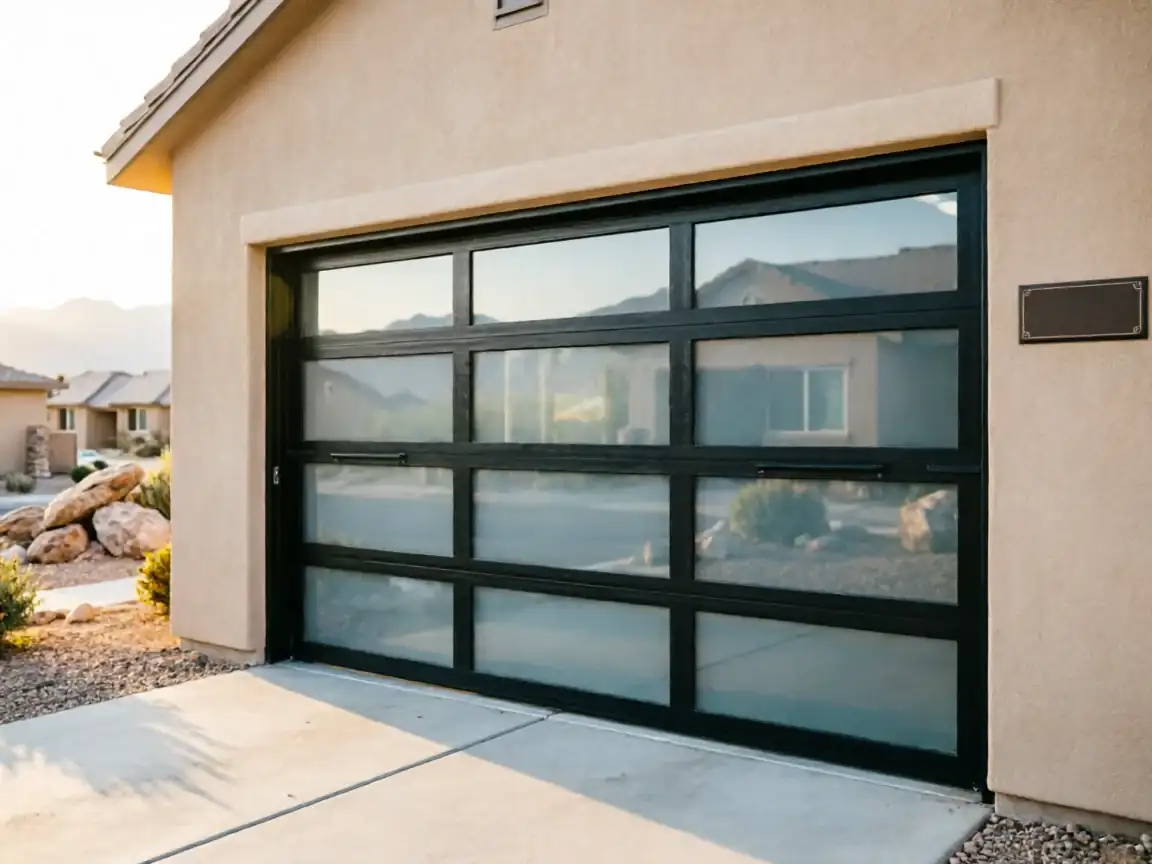
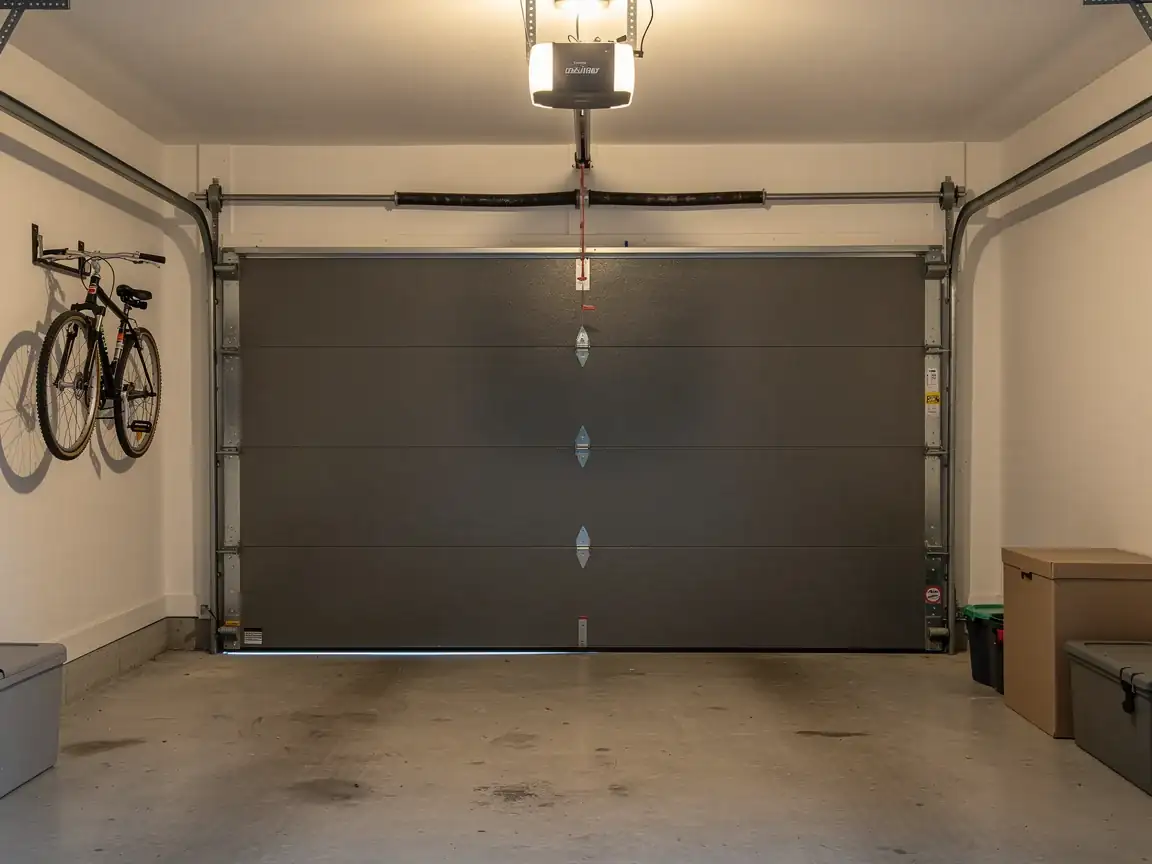
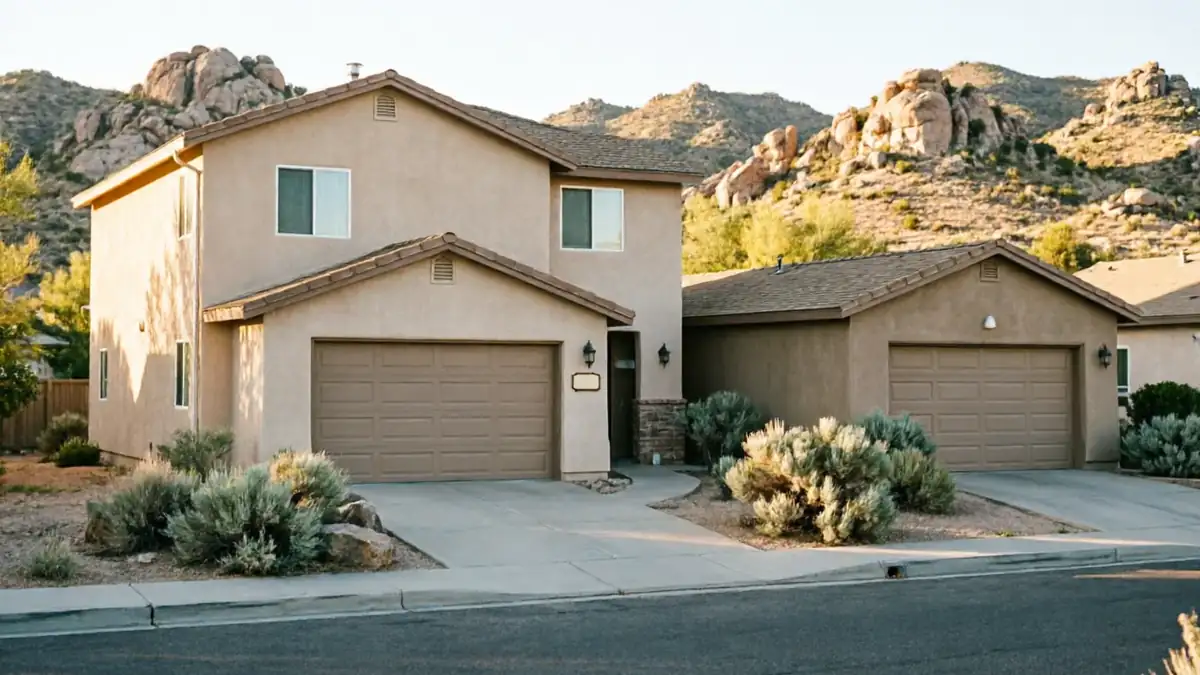
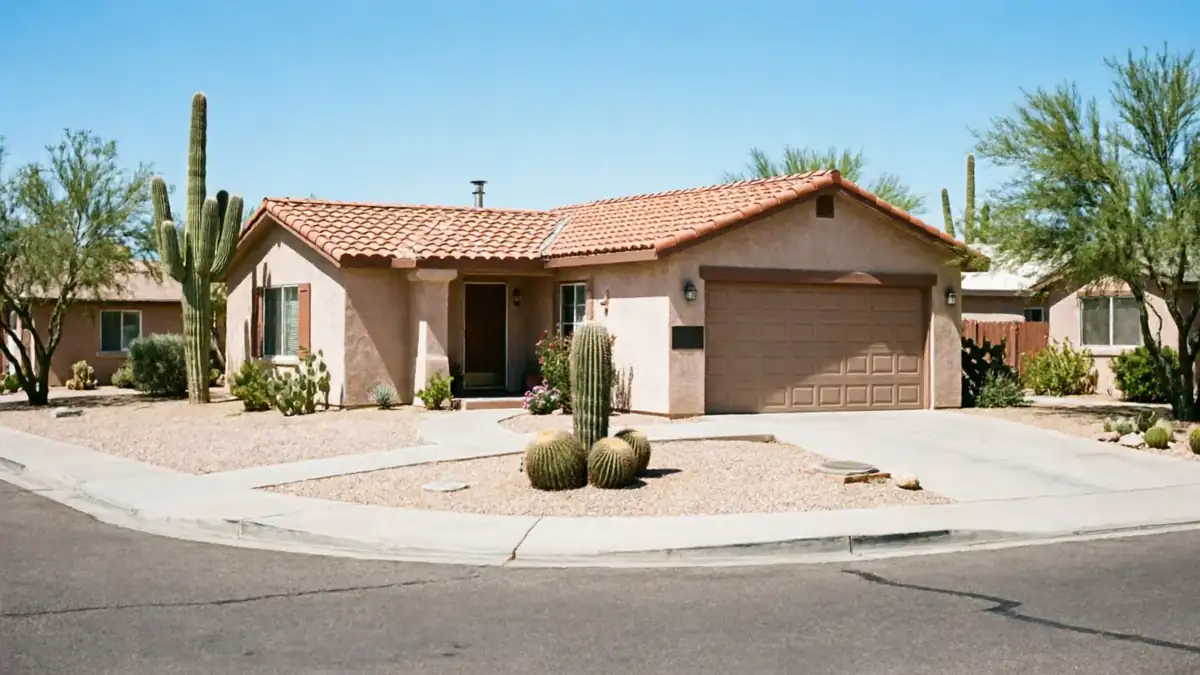
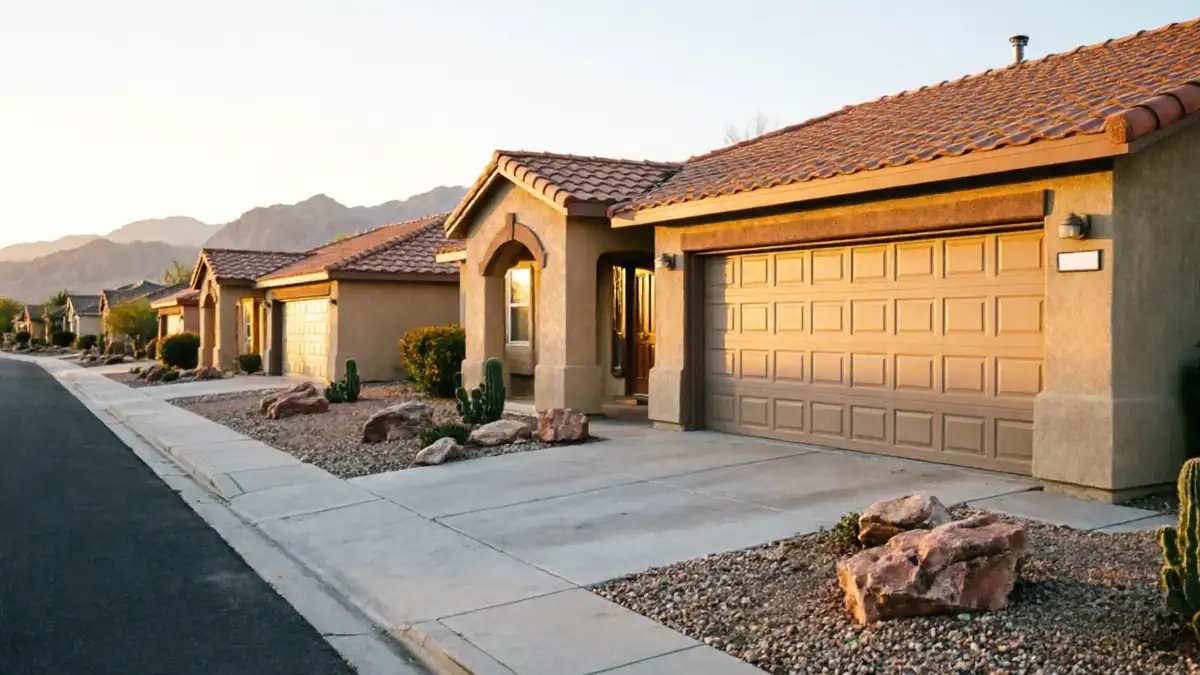
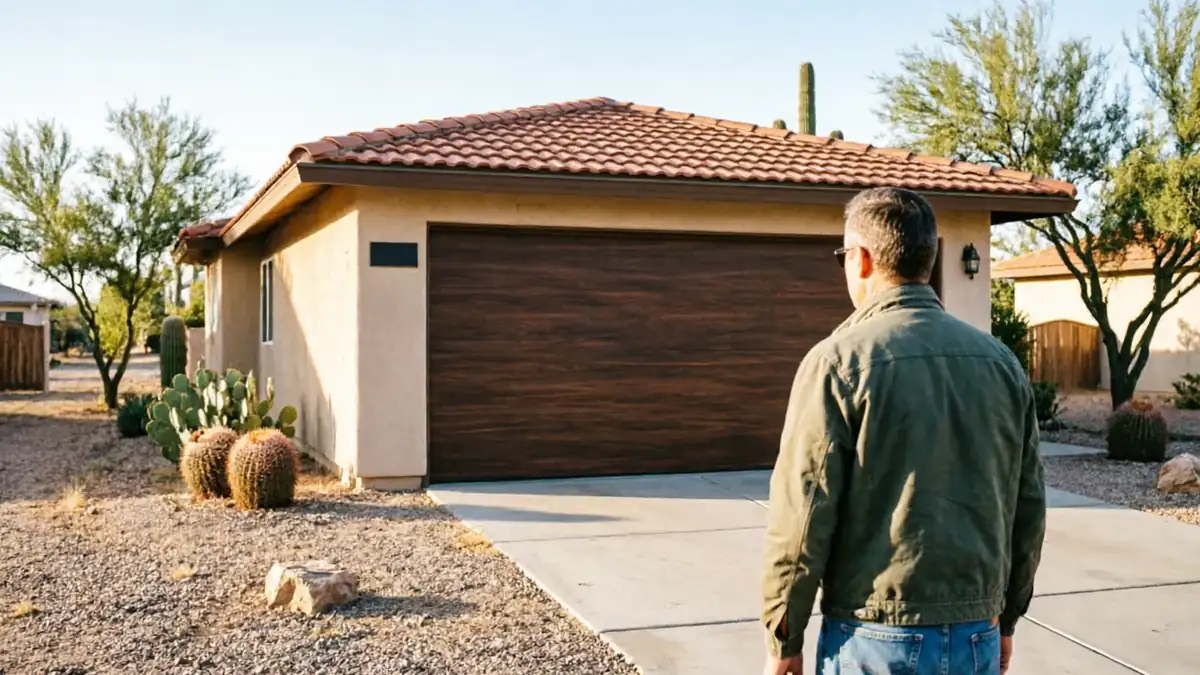
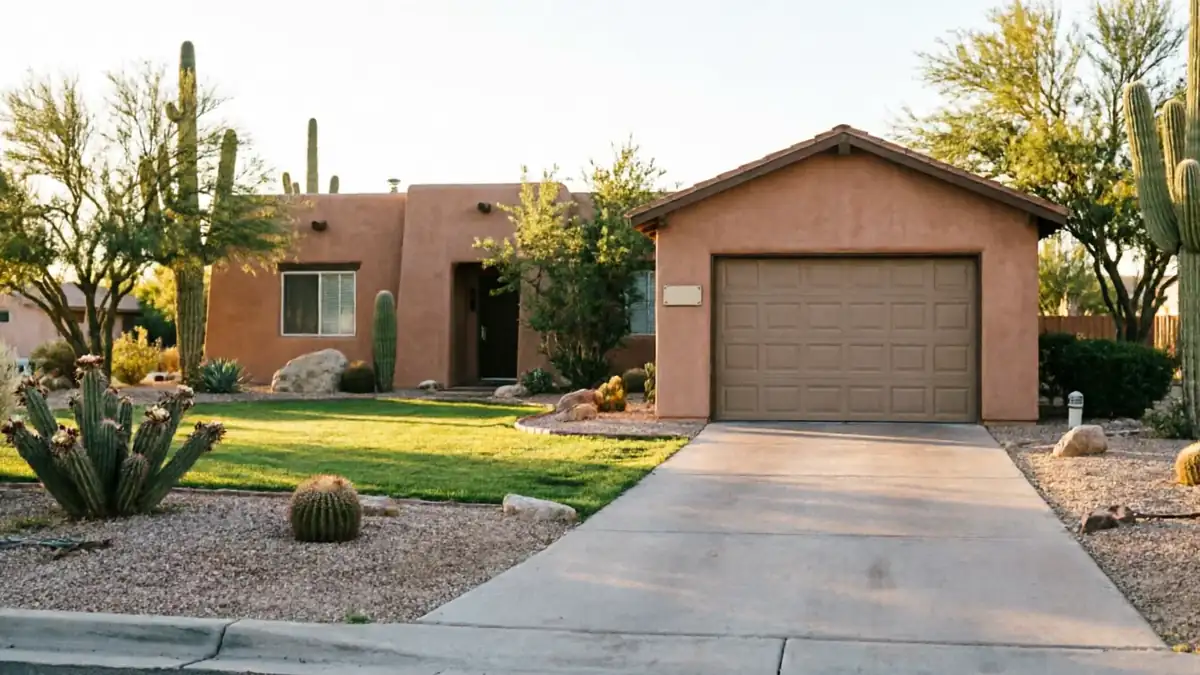
Gold Canyon sits about 14 miles from our Queen Creek shop, and the housing stock out here skews newer than a lot of the areas we cover. Most of what we work on in Gold Canyon went up around 2002, give or take a few years on either side of that build wave. That's noticeably later than the broader Queen Creek service area, where the median build year lands closer to 1997. A five-year gap doesn't sound like much until you're standing in front of the opener unit - it's often the difference between a chain-drive unit with a basic logic board and an early belt-drive with a circuit board that nobody stocks parts for anymore. Around 6,150 households sit in this part of our coverage, and the ones we've been inside tend to share the same builder-grade door and opener combos that came standard in early-2000s Arizona subdivisions. That consistency actually makes diagnosis faster once we're on-site, because we're not guessing at what's behind the panel.
Older vs Newer Streets
Because Gold Canyon's housing clusters tightly around that early-2000s build wave, you don't get the wide mix of eras you'd find closer into Queen Creek proper, where 1980s stock sits next to newer infill. That's actually simpler for us: fewer legacy torsion setups, less hunting for discontinued track hardware. What we do watch for is the handful of houses that predate the main wave - those can still have older galvanized track and lighter-gauge springs that don't match what's common on the rest of the street, and swapping in a standard replacement part without checking the specs first is how you end up with a door that slams instead of lowers. On the newer end, houses built right at the tail of that wave sometimes got early rolling-code openers with security chips that are starting to fail now, which is a different repair than a mechanical spring job.
Common Jobs Here
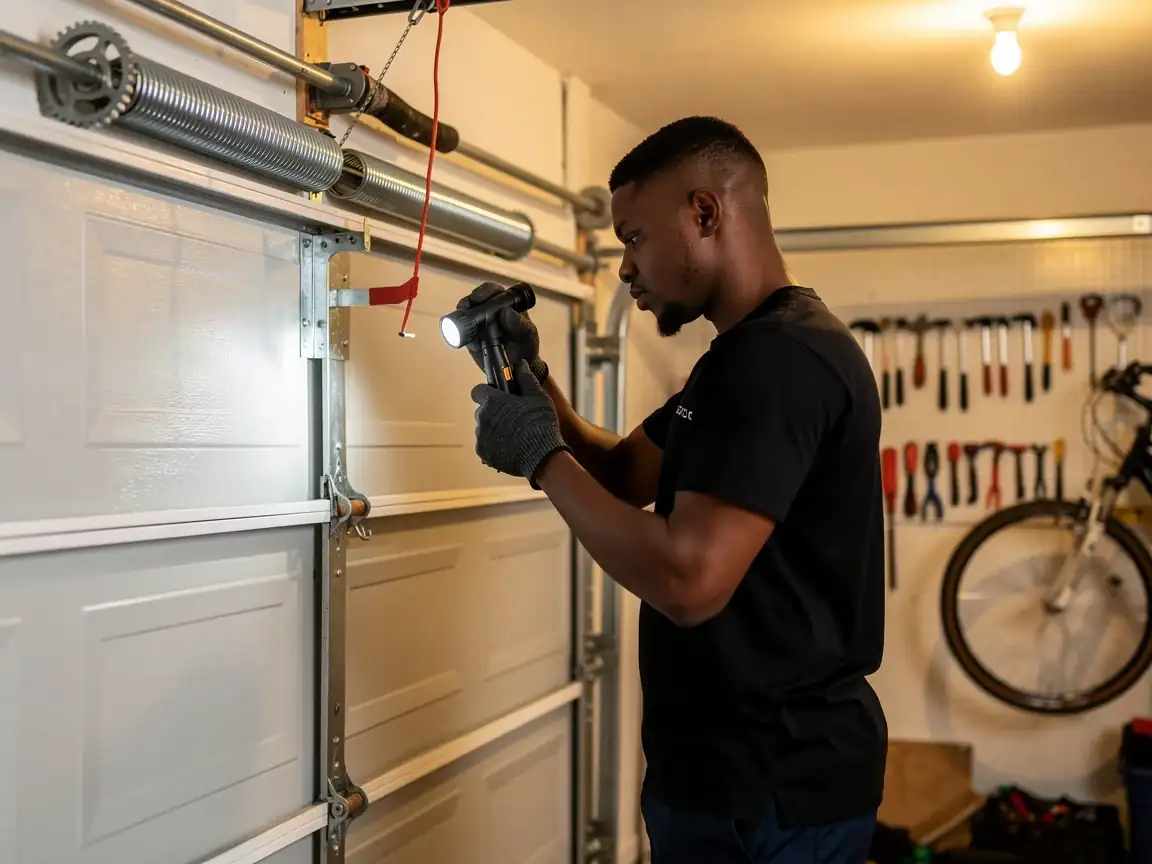
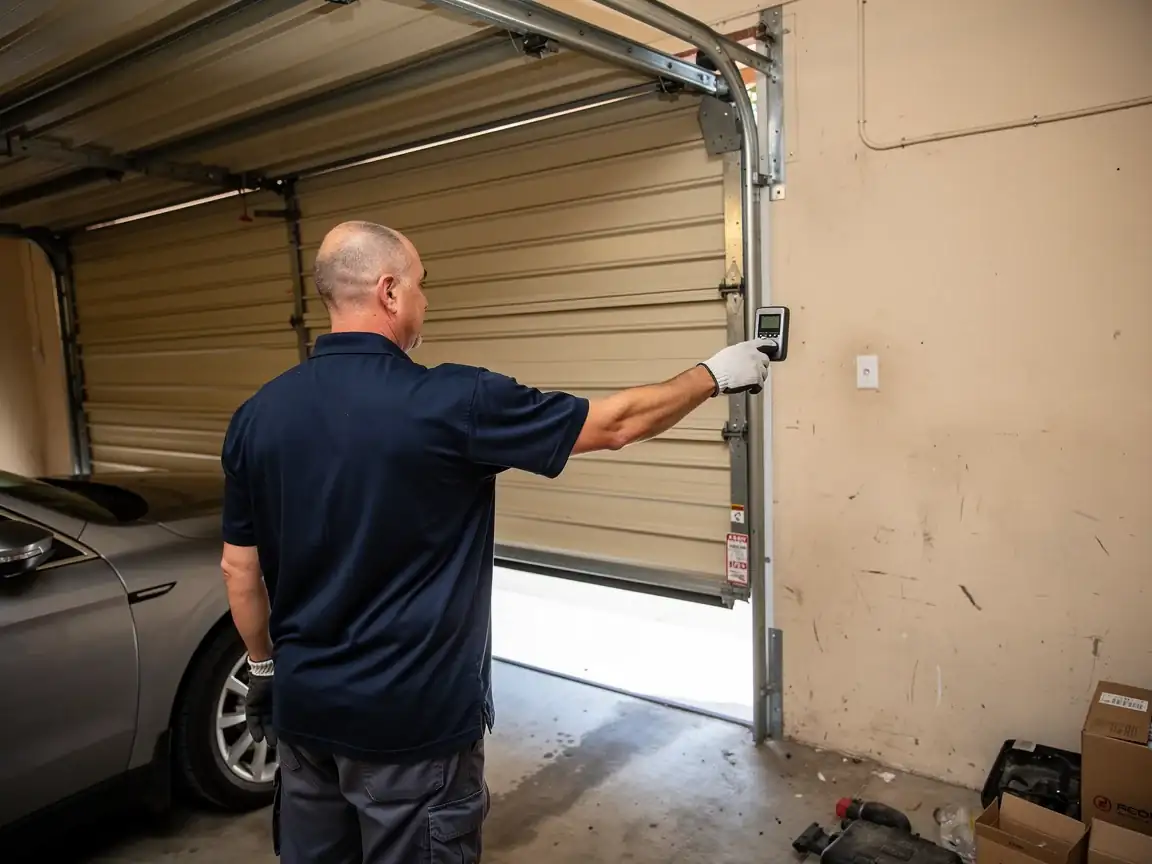
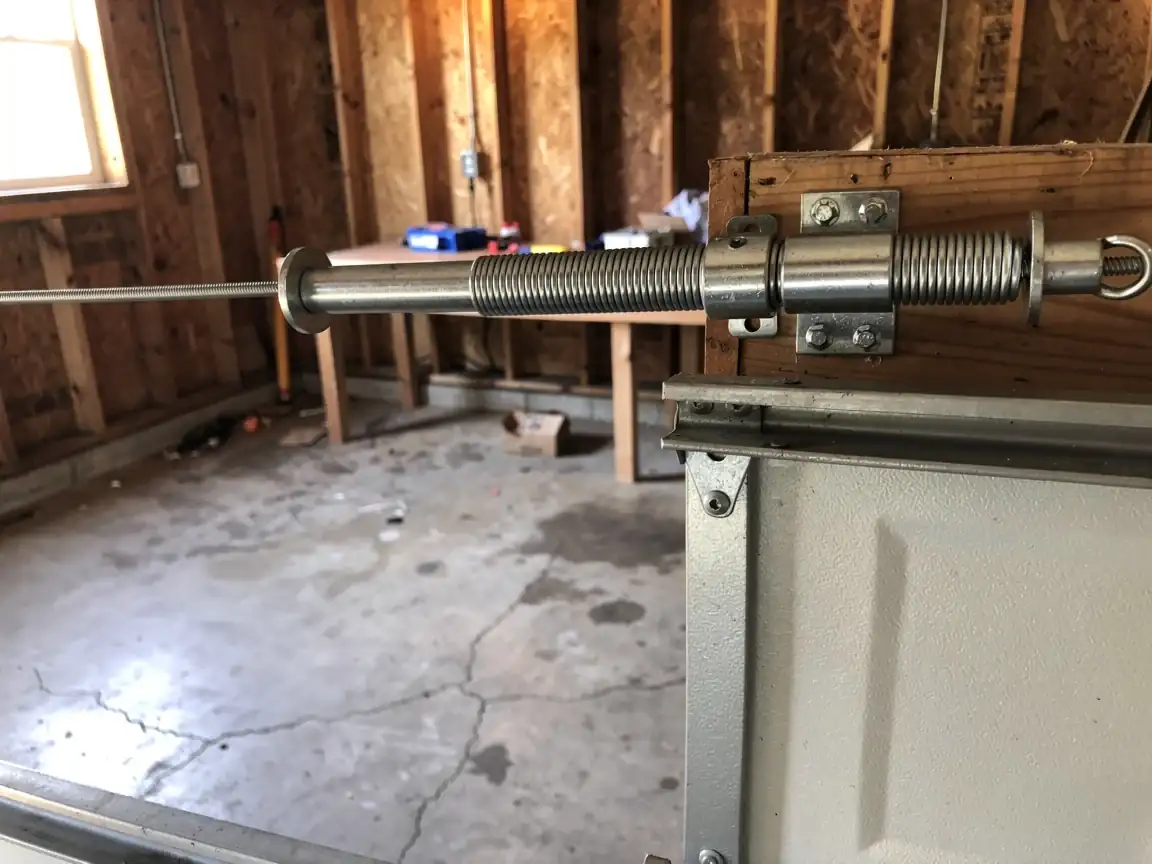
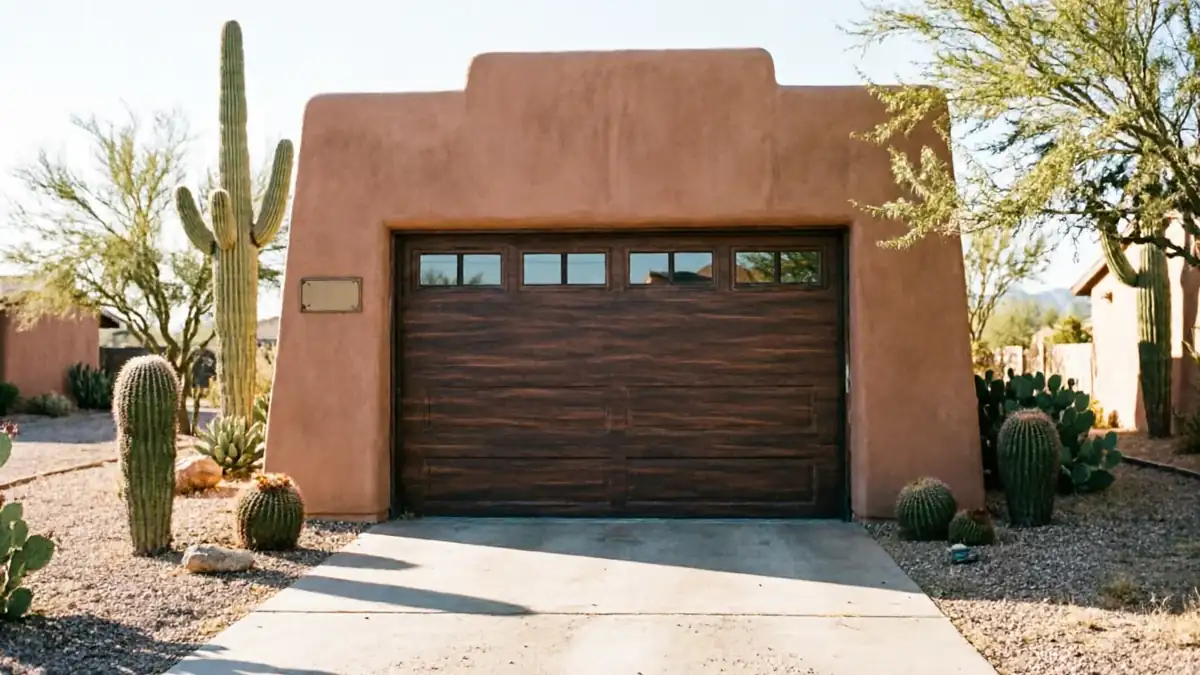
The calls we run out to Gold Canyon most often are torsion spring replacements on doors from that 2002-era build wave, opener gear and capacitor failures tied to years of summer heat exposure, and worn rollers on tracks that have never been serviced. We also replace a reasonable number of bottom seals - the heat here breaks down rubber faster than milder climates, so a seal that looks fine in spring can be cracked and leaking air by August. What we don't do much of in this area is full structural door replacement, since most of the housing stock is young enough that the panel and frame are still in good shape even when the spring or opener isn't. If a door out here needs full replacement, it's almost always a damage case - a backed-into panel or a cable that took the track with it - not simple age.