What Causes It Around Here
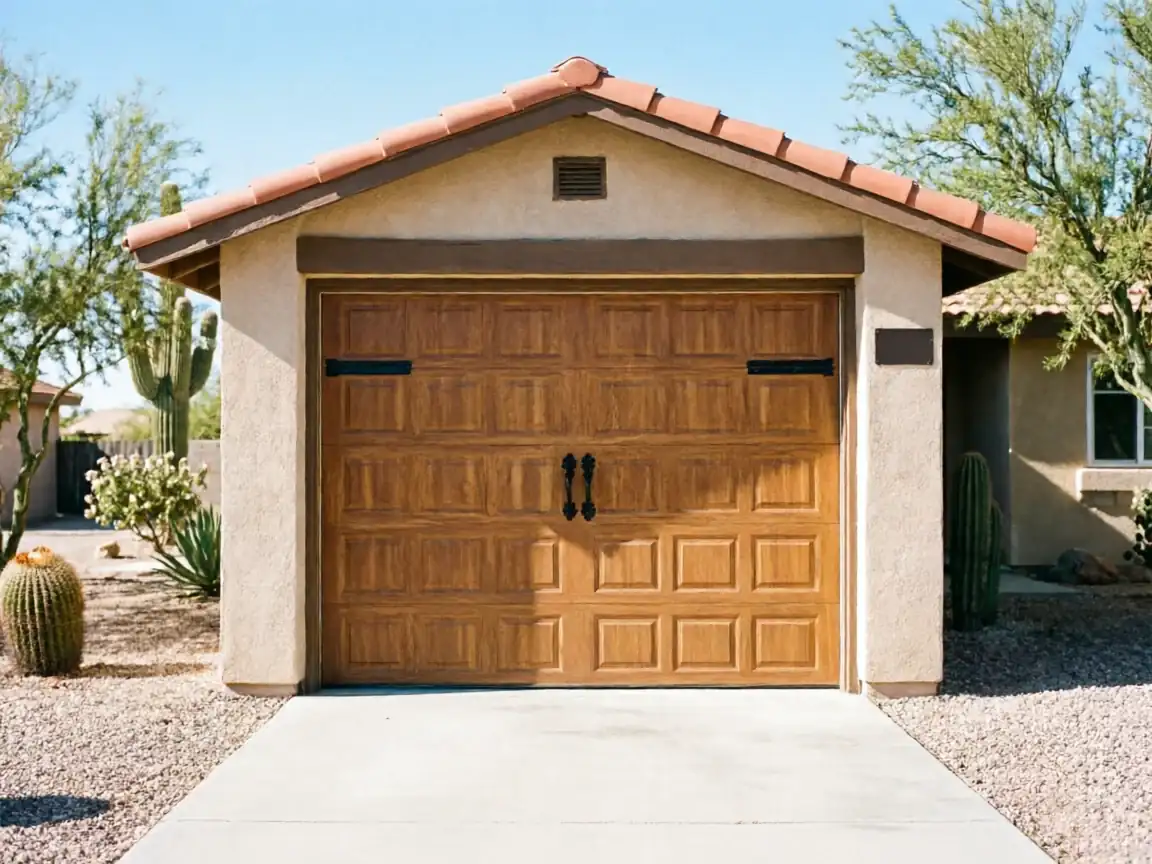
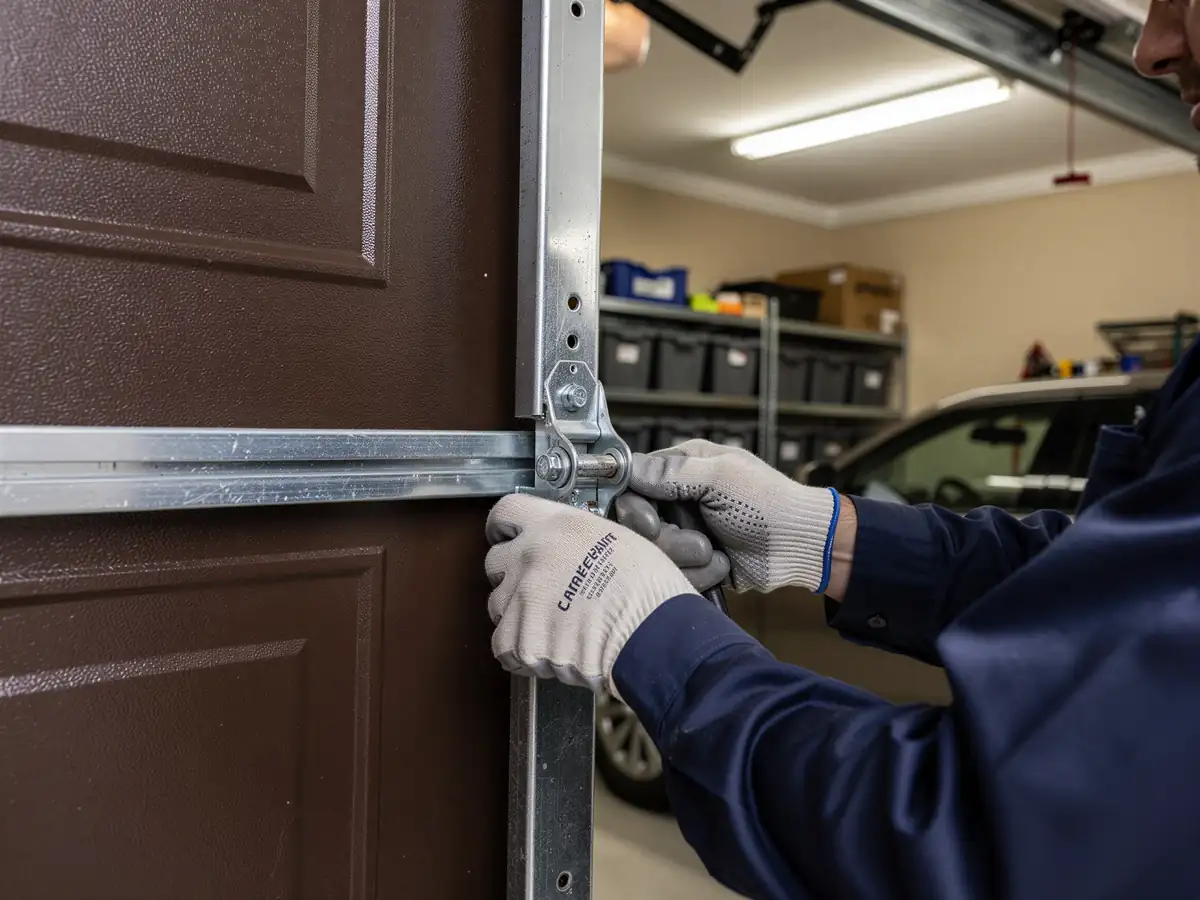
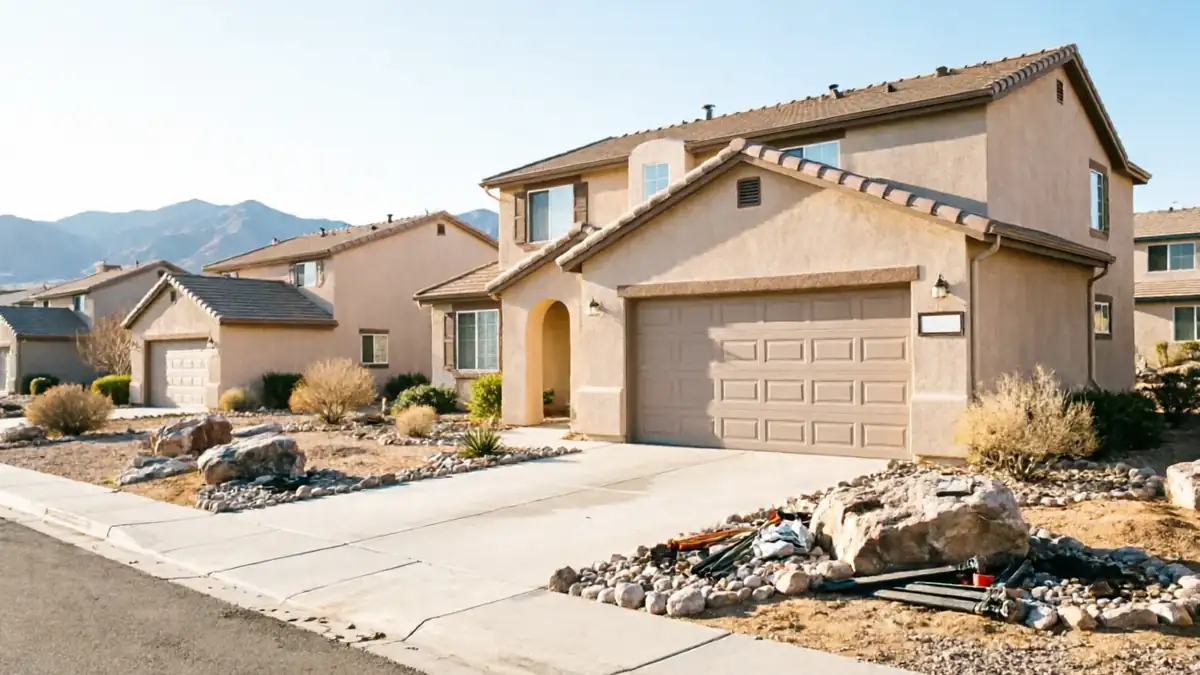
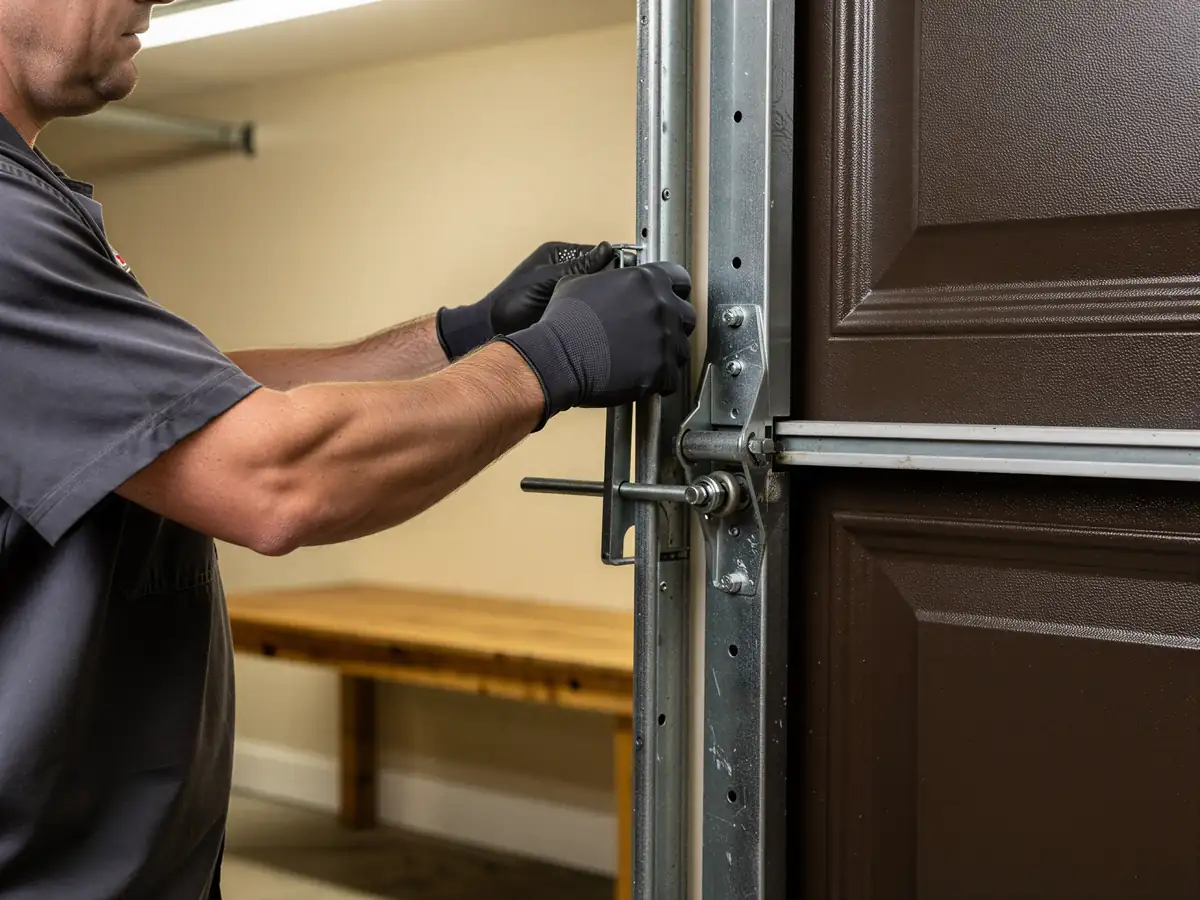
Most houses in the Queen Creek service area went up between 1990 and 2004, with a median build year of 1997. That generation of construction leaned on steel roller doors running in galvanized tracks bolted straight to wood jambs, and in a lot of cases the track brackets were never upgraded when the opener or springs were replaced later. Add in a severe-heat climate and you get a specific failure pattern: the metal track expands during the day and contracts hard overnight, working the lag screws loose at the bracket points. A door that was fine all summer can walk off its rollers the first cool snap in October or November because the hardware has been flexing for months.
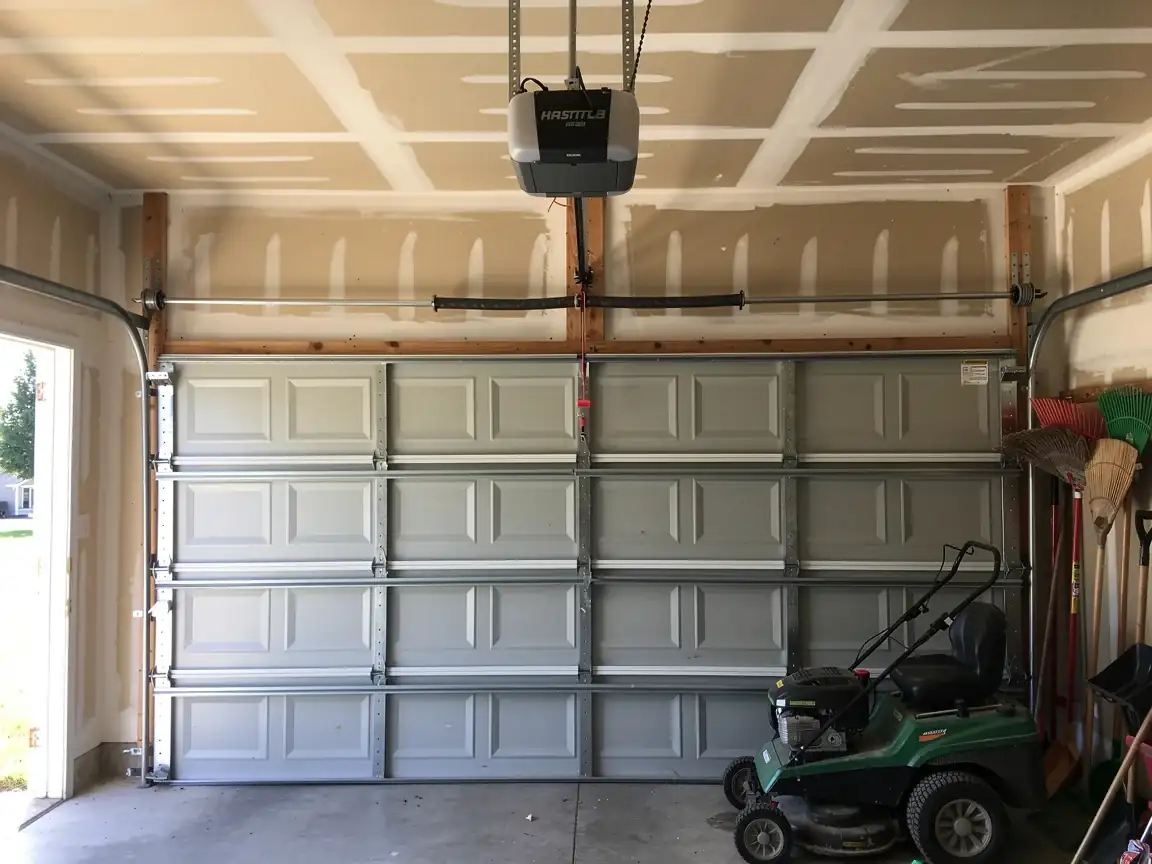
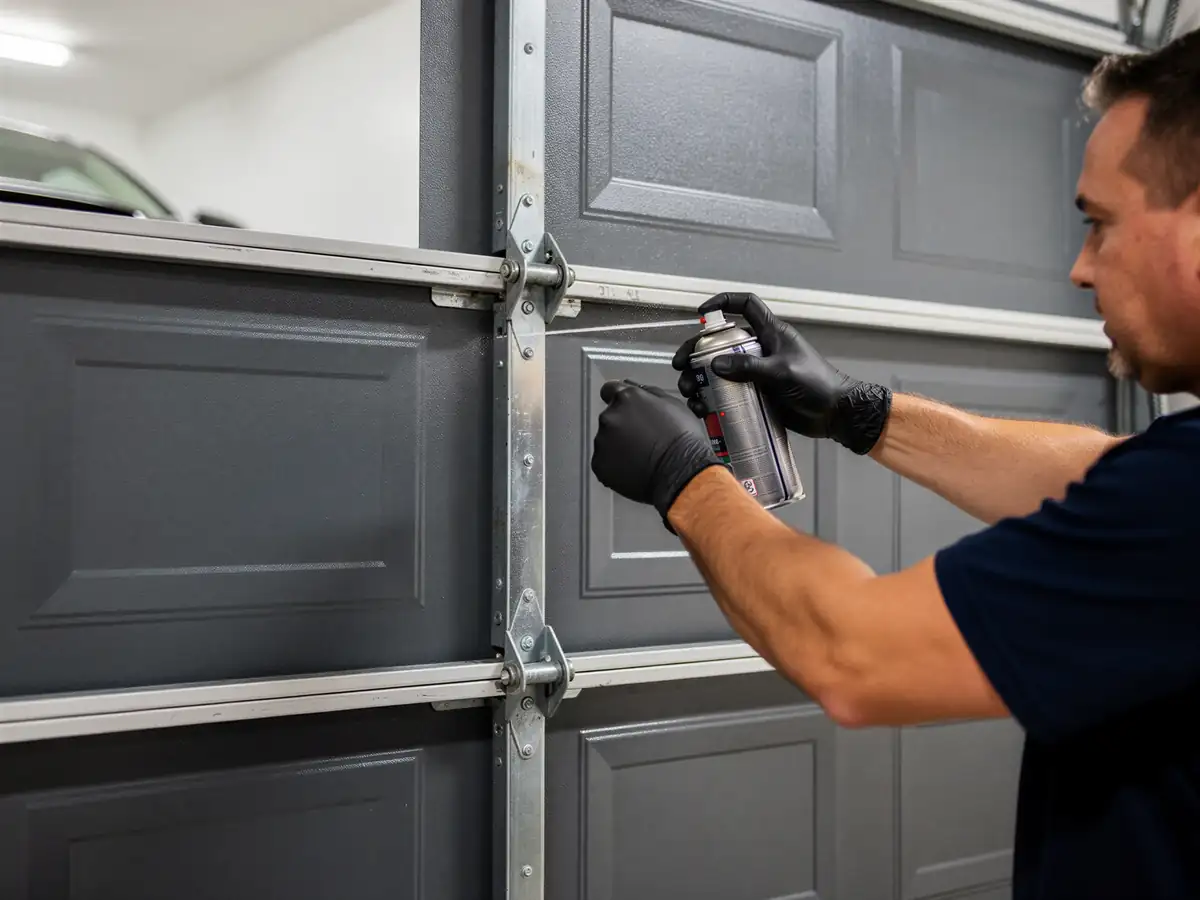
Across the 1980s-90s housing stock common in the four named areas we cover, the other driver is simple mileage. A door built in that window has had two or three decades of rollers running the same track without re-alignment. Nylon rollers wear unevenly, the wheel edge starts riding the lip of the track instead of the channel, and eventually it catches wrong and pops free. Heat accelerates roller wear too - the nylon gets brittle faster than it would in a milder climate, and a brittle roller is more likely to chip and jump.
The Symptom
An off-track door almost never comes off clean
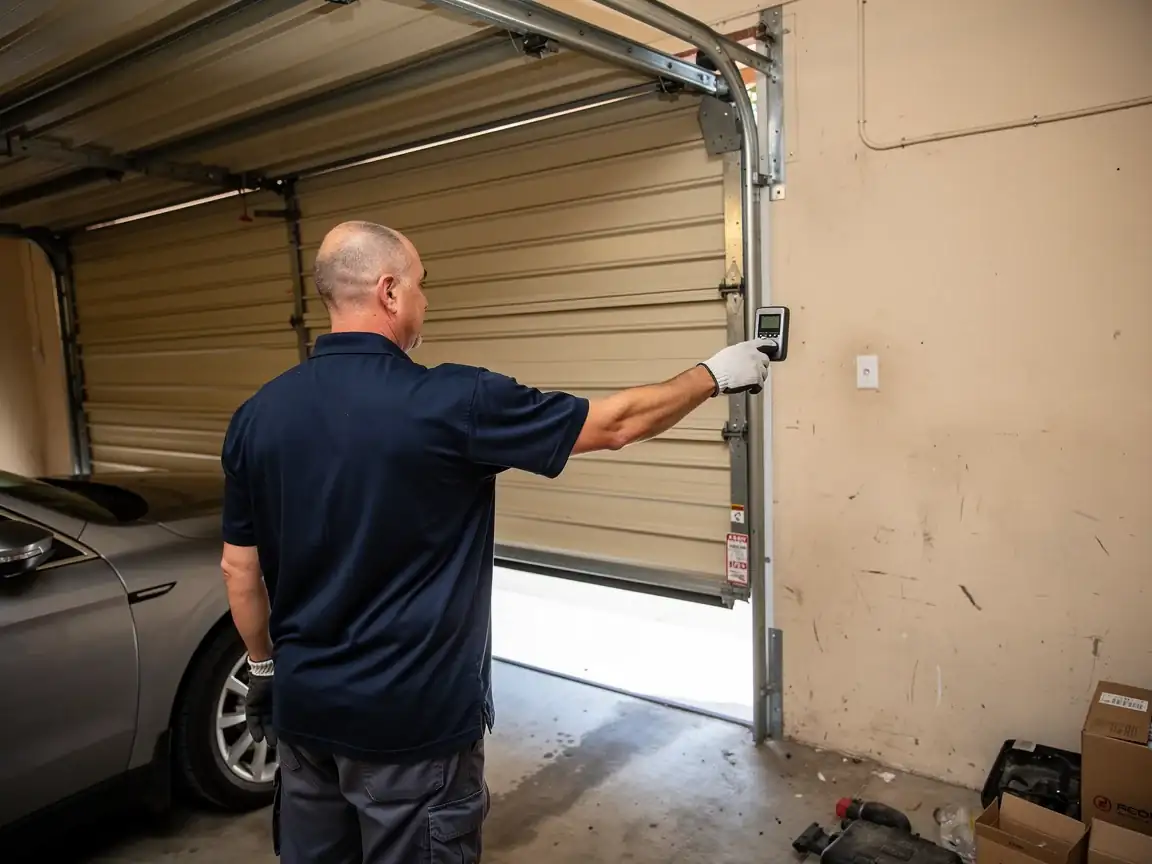
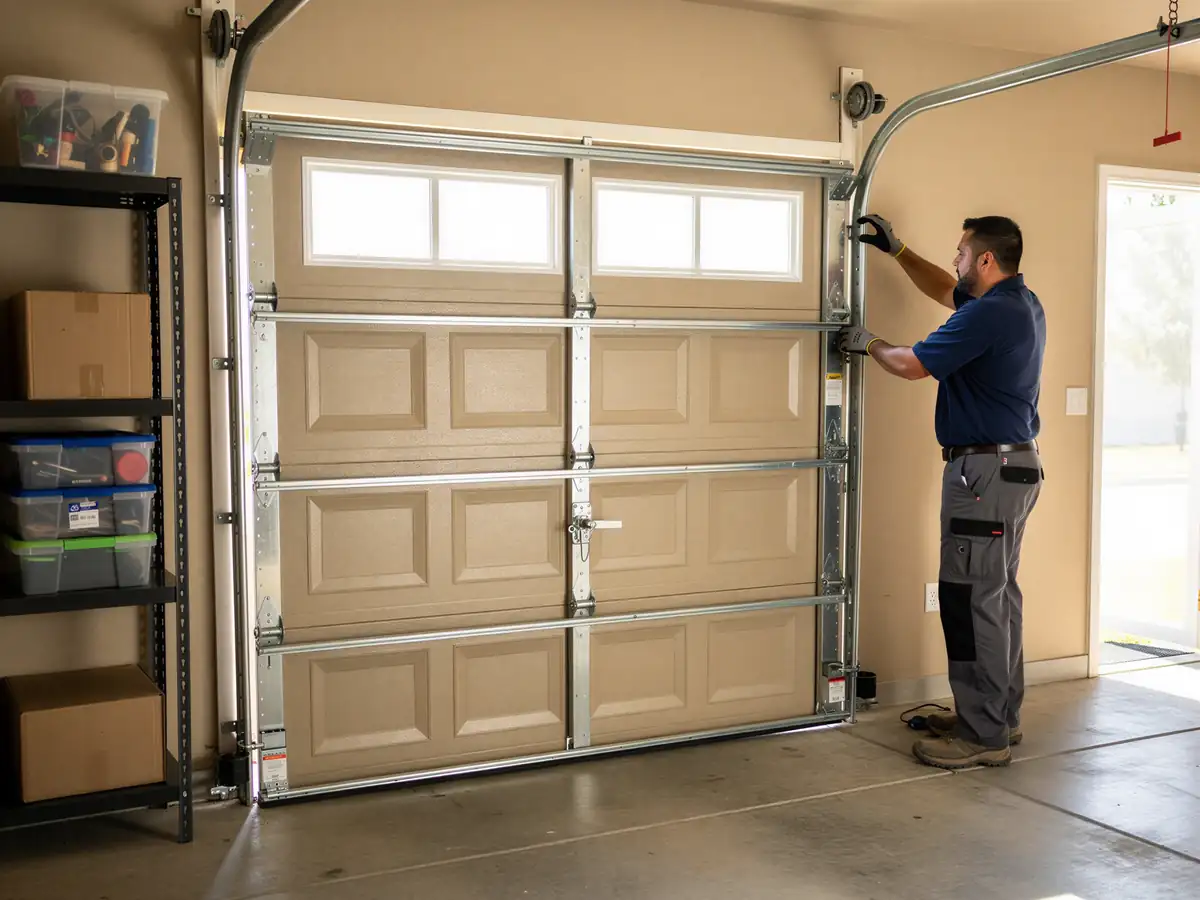
What you usually see first is the door running crooked - one side higher than the other as it closes, or a visible gap between the bottom panel and the track on one side. You'll hear it before you see it: a grinding or scraping noise as a roller rides the edge of the track instead of sitting inside it, or a loud bang if a bracket finally lets go.
Sometimes the door stops partway and won't move at all
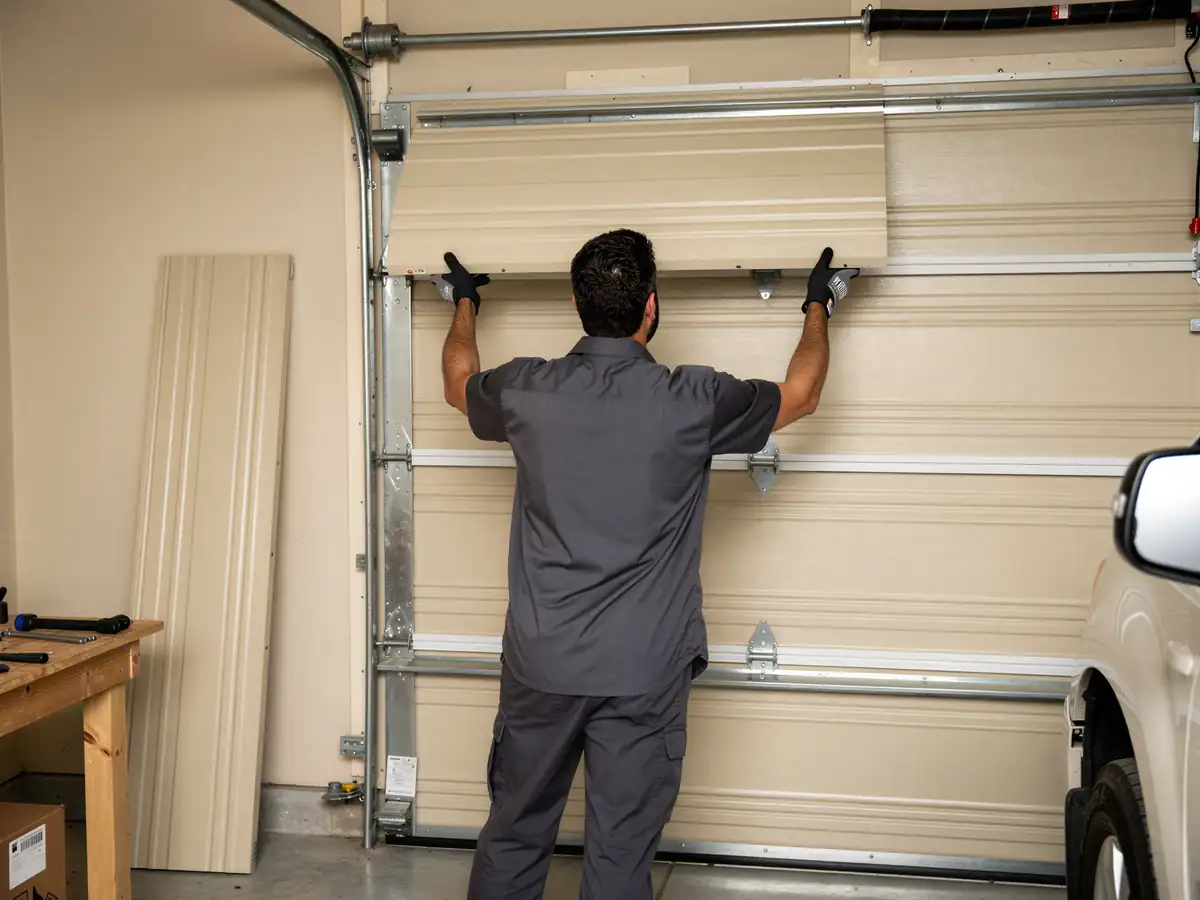
Opener straining against a track that's bent or pinched where it jumped the rail. Other times it looks almost normal but won't seal at the bottom - a sign one panel has slipped just enough to bind the rollers without fully derailing. If you can see daylight at a seam that used to be flush, or the door shudders instead of sliding smooth, don't keep running the opener. Forcing a door that's already off track usually bends the track further or cracks a panel, which turns a roller-and-bracket fix into a track-and-panel job.
The Cost of This Job
What this costs depends on how far it got before anyone noticed. If a roller slipped and the door is still roughly in the track, it's often a bracket tightening and roller swap - a short job. If the door fully derailed and the track bent where it happened, that section of track needs replacing, not just re-seated, and that's more labor and parts. Add a cracked panel or a bent top section from someone trying to force the door back down, and the job grows again.
We don't quote a number sight unseen because the honest range is wide - a loose bracket and a bent track rail aren't the same repair, and guessing low on the phone just means a surprise at the door. What we can tell you: don't run the opener once you've noticed the door is crooked or grinding. That's the single biggest thing that turns a cheap fix into an expensive one.
What Is on the Truck
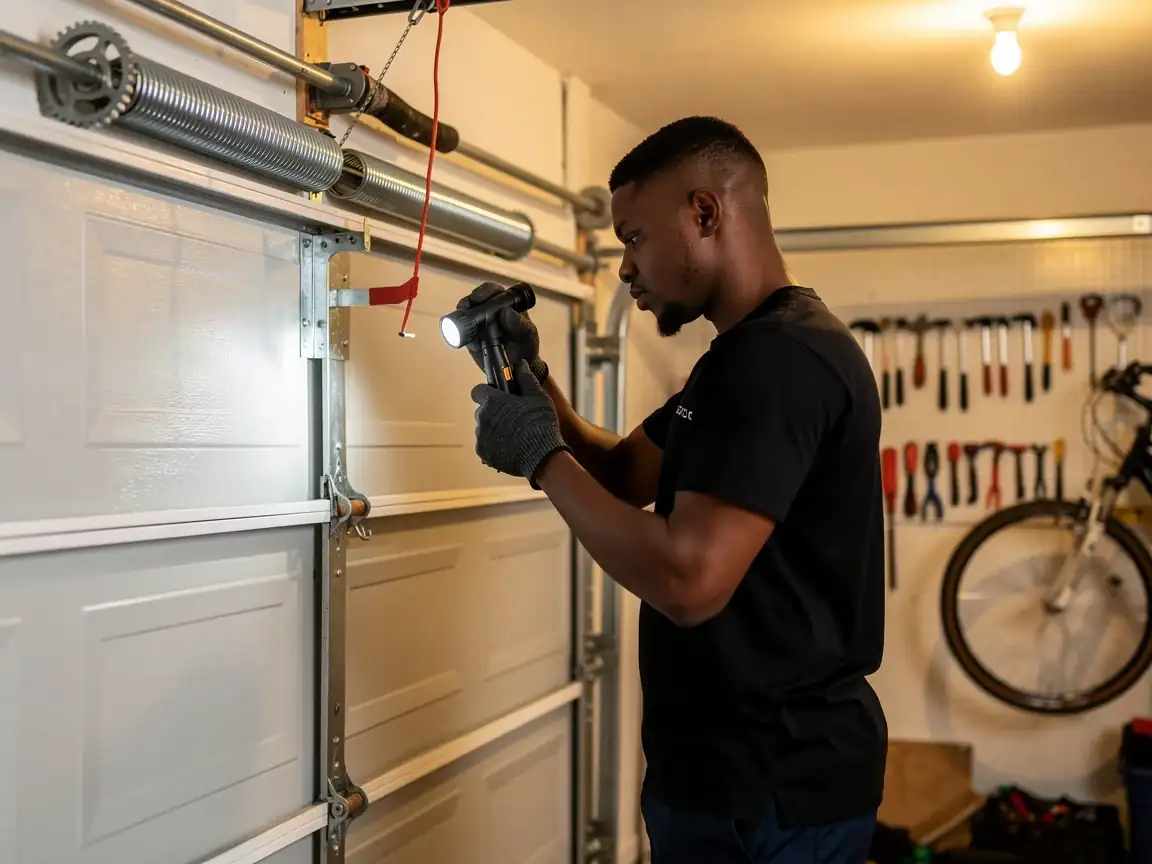
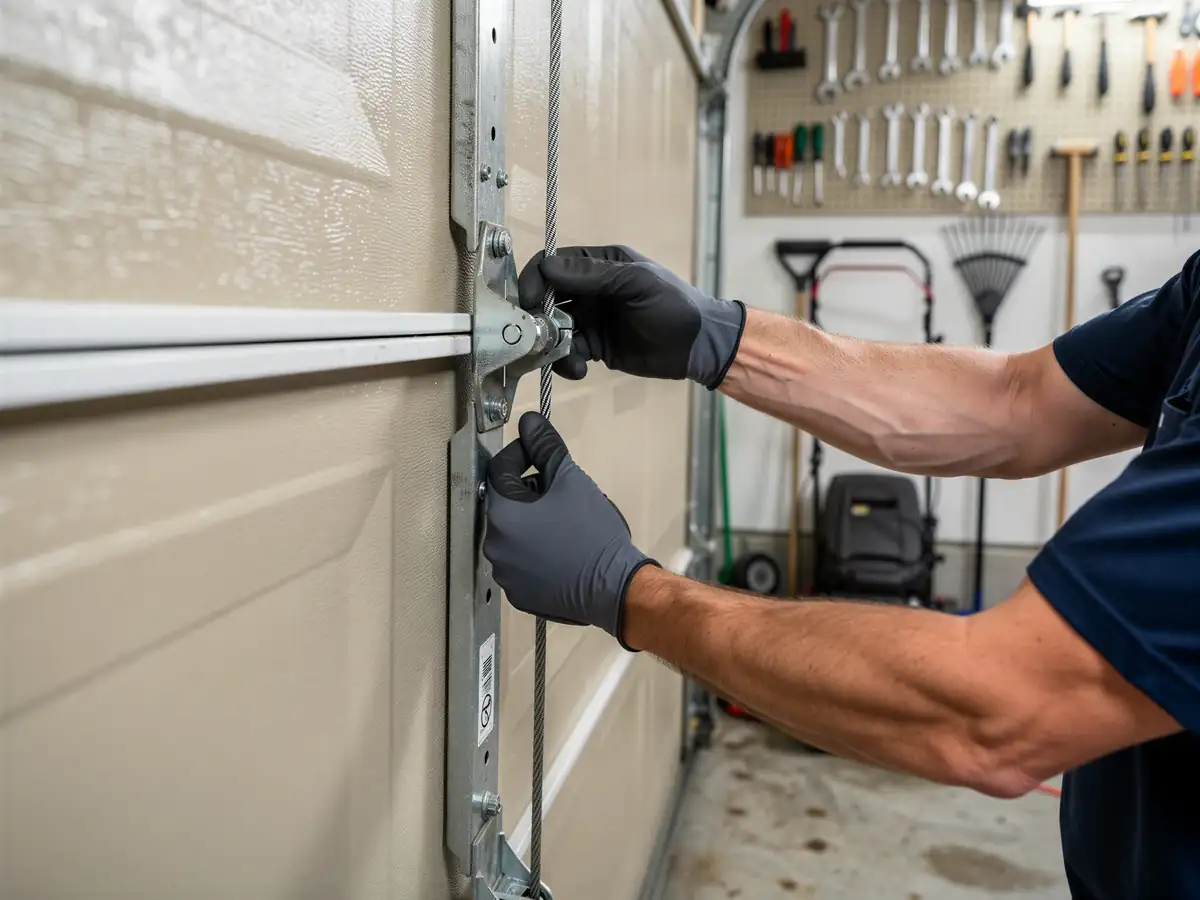
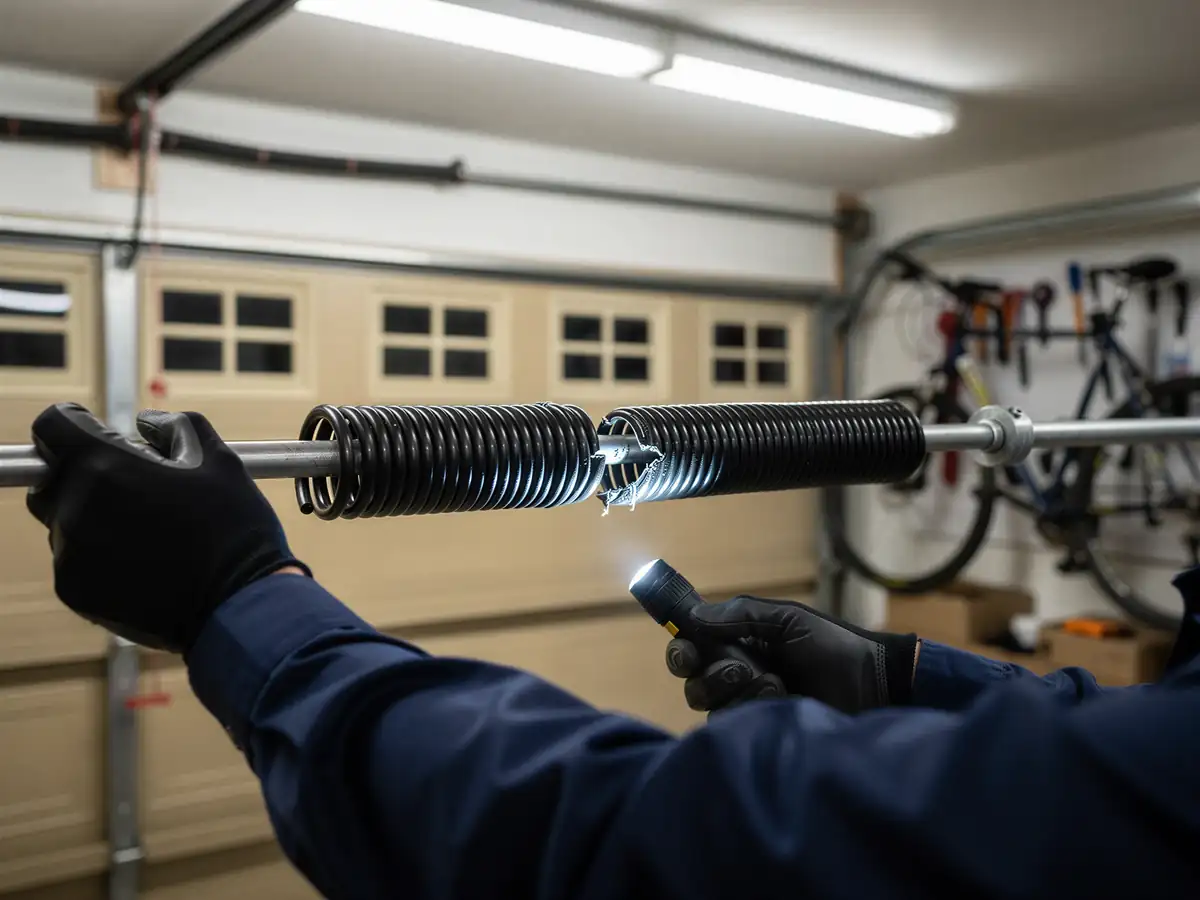
For off-track calls we carry replacement rollers in both nylon and steel, track sections in standard residential widths, and the brackets, lag screws, and hinges that hold them to the jamb - the parts that work loose from heat cycling are the parts we stock heaviest. We also carry cable and drum assemblies, since a door that's jumped the track sometimes takes a cable off its drum at the same time, and that's not something you want left half-fixed.
One limit worth being upfront about: if a door has derailed and the frame itself is racked - the opening isn't square anymore, which happens on older houses that have settled - that's a carpentry problem before it's a garage door problem, and it's outside what we handle on the truck that day. We'll tell you straight if that's what we're looking at instead of forcing a track to fit an opening it doesn't match.