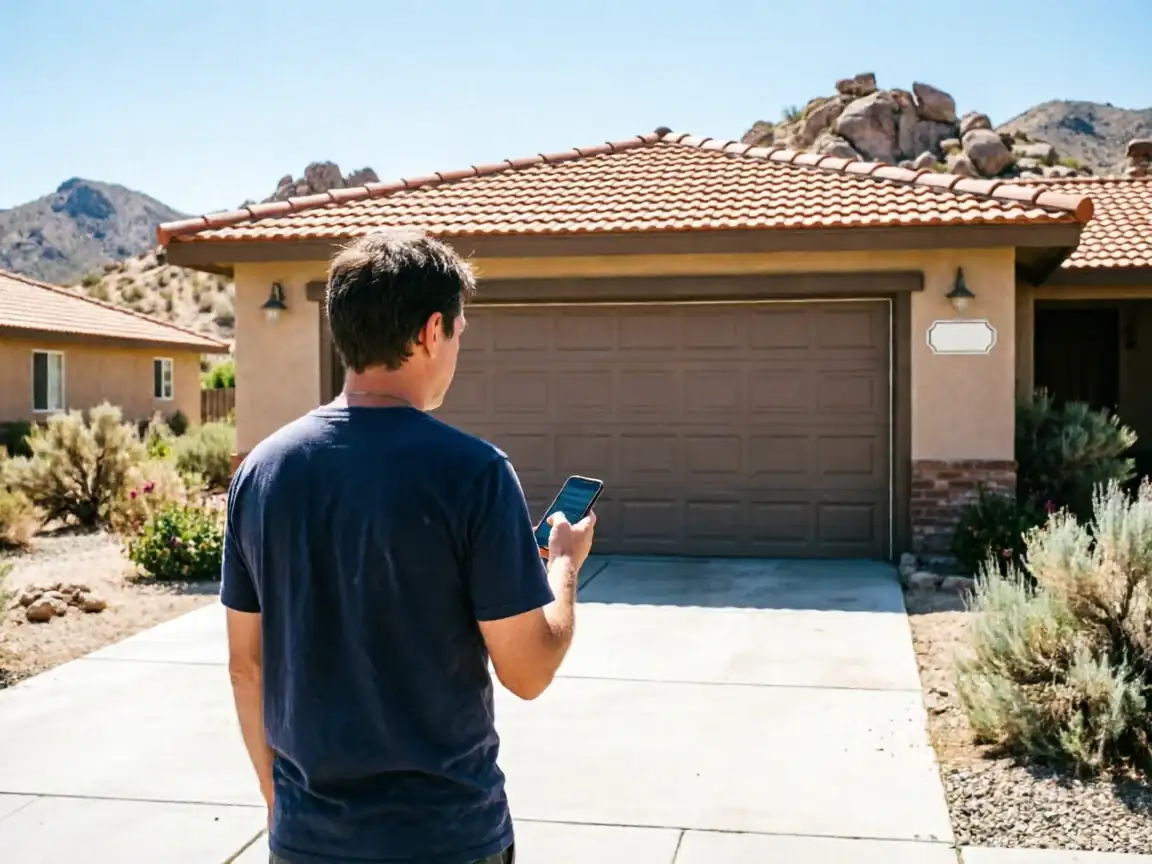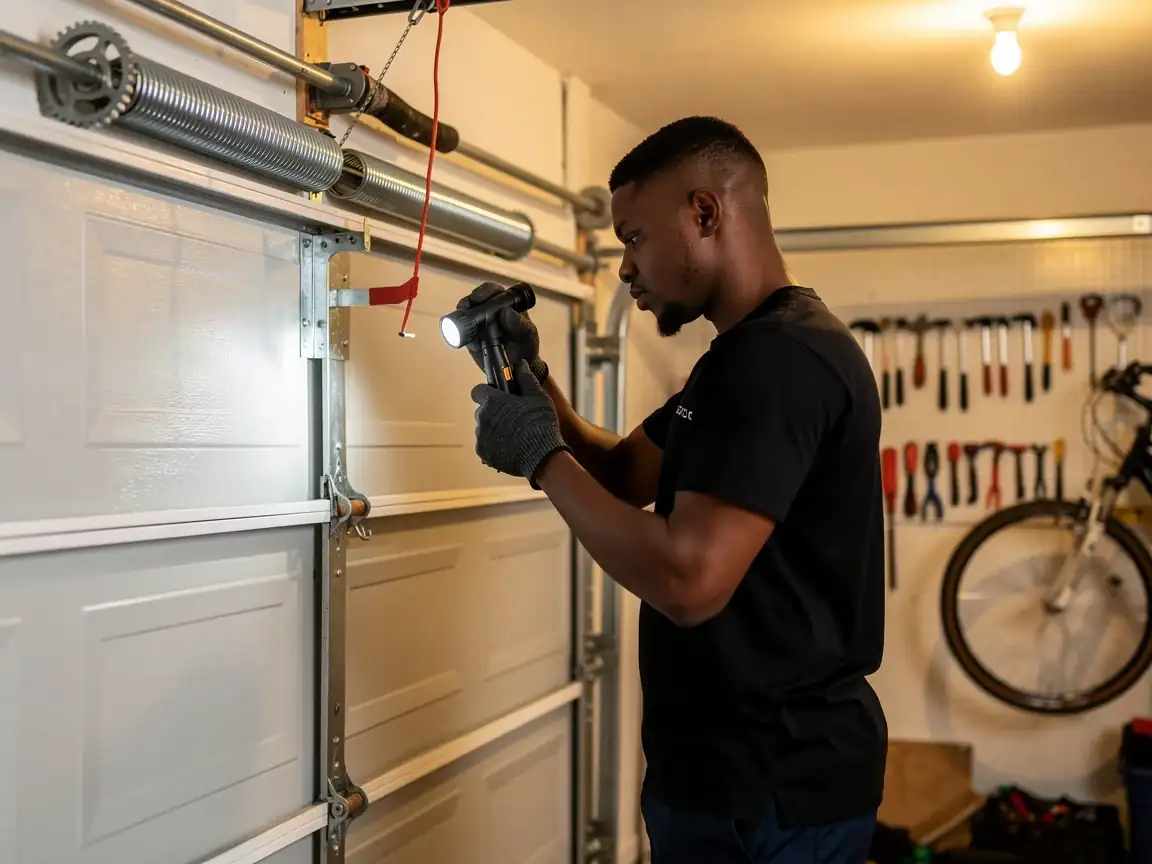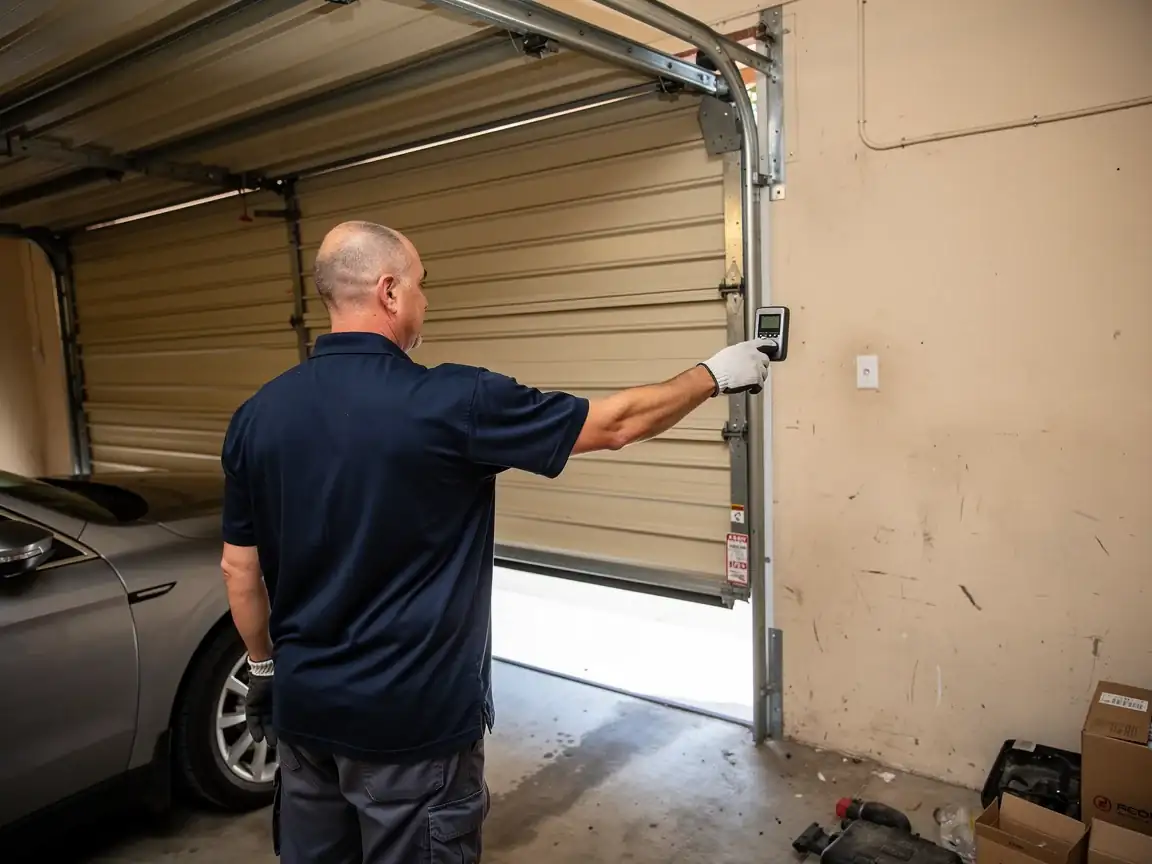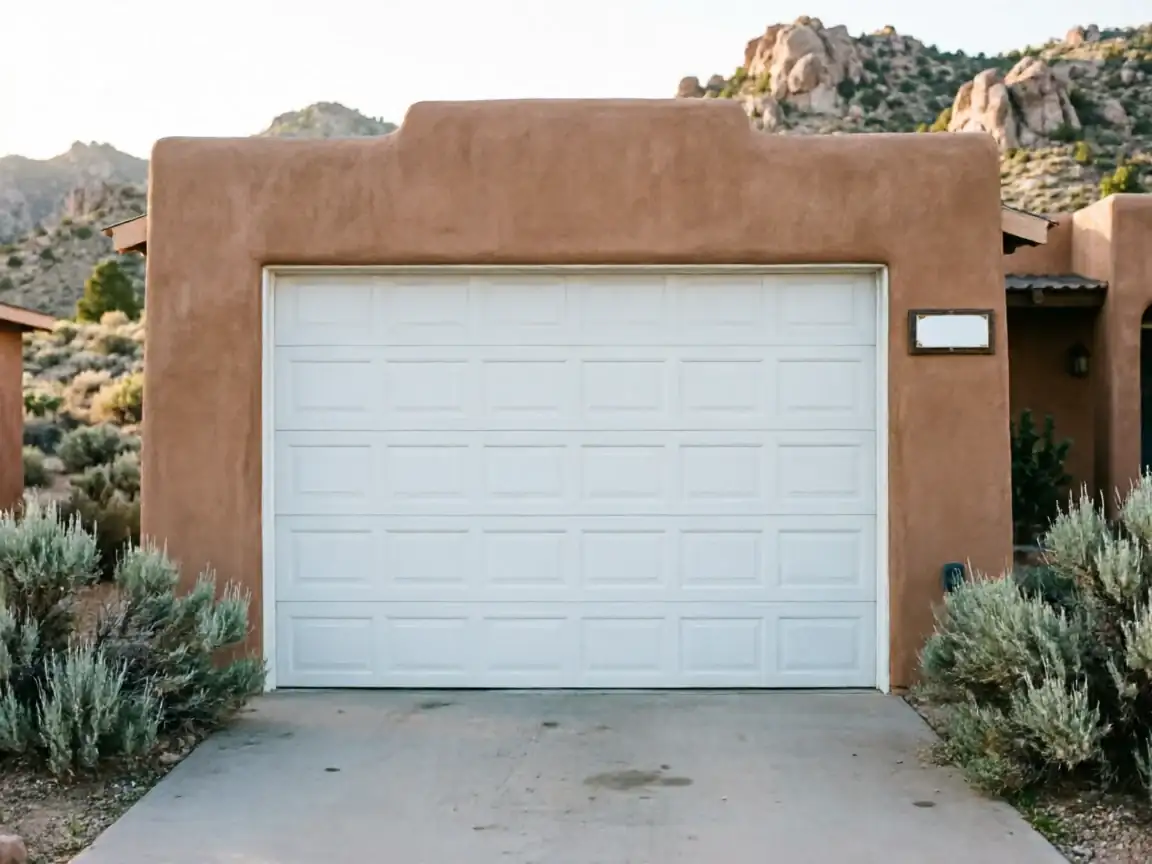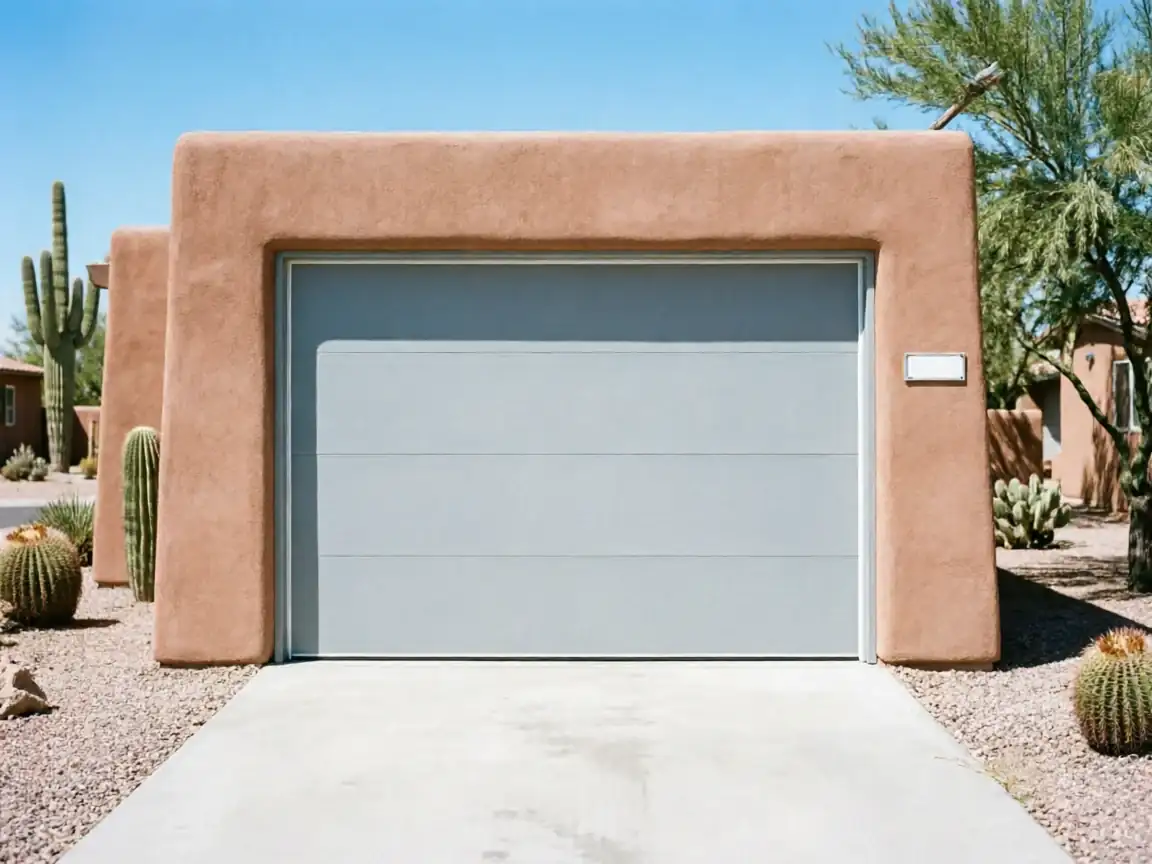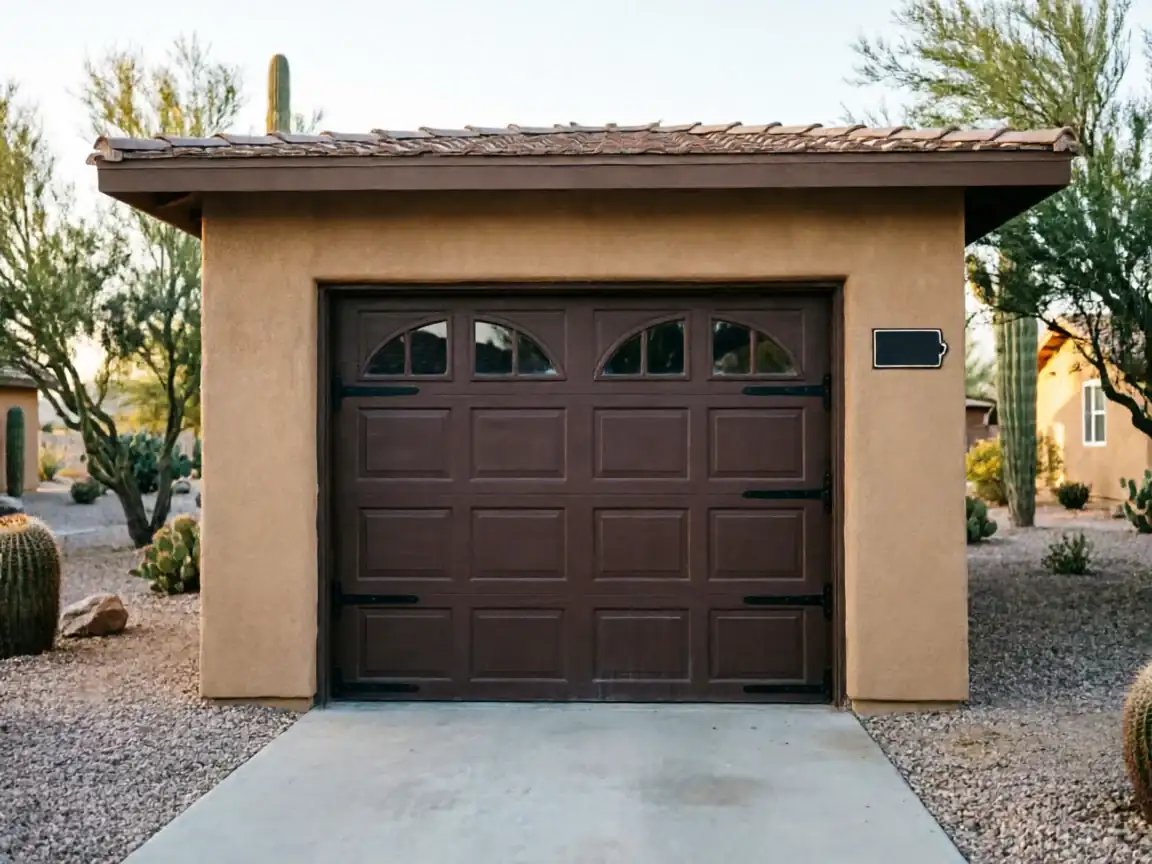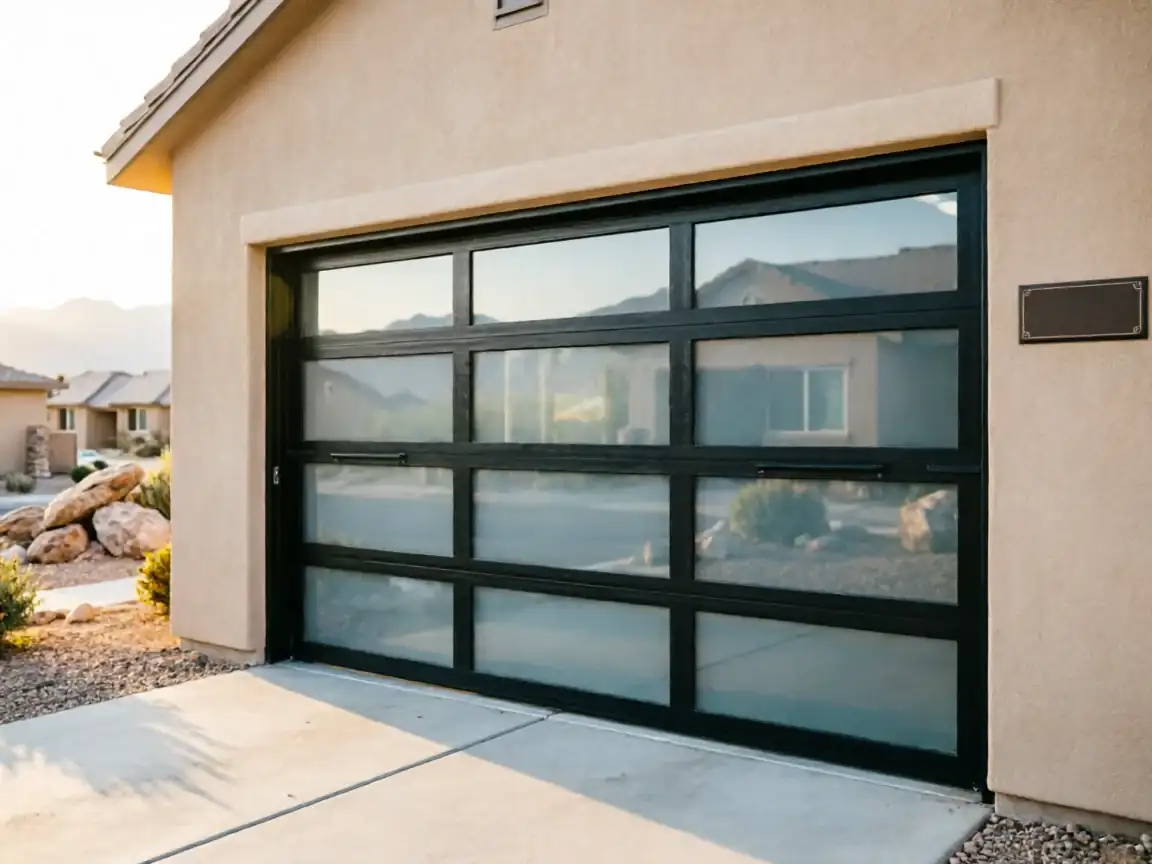
What Causes It Around Here
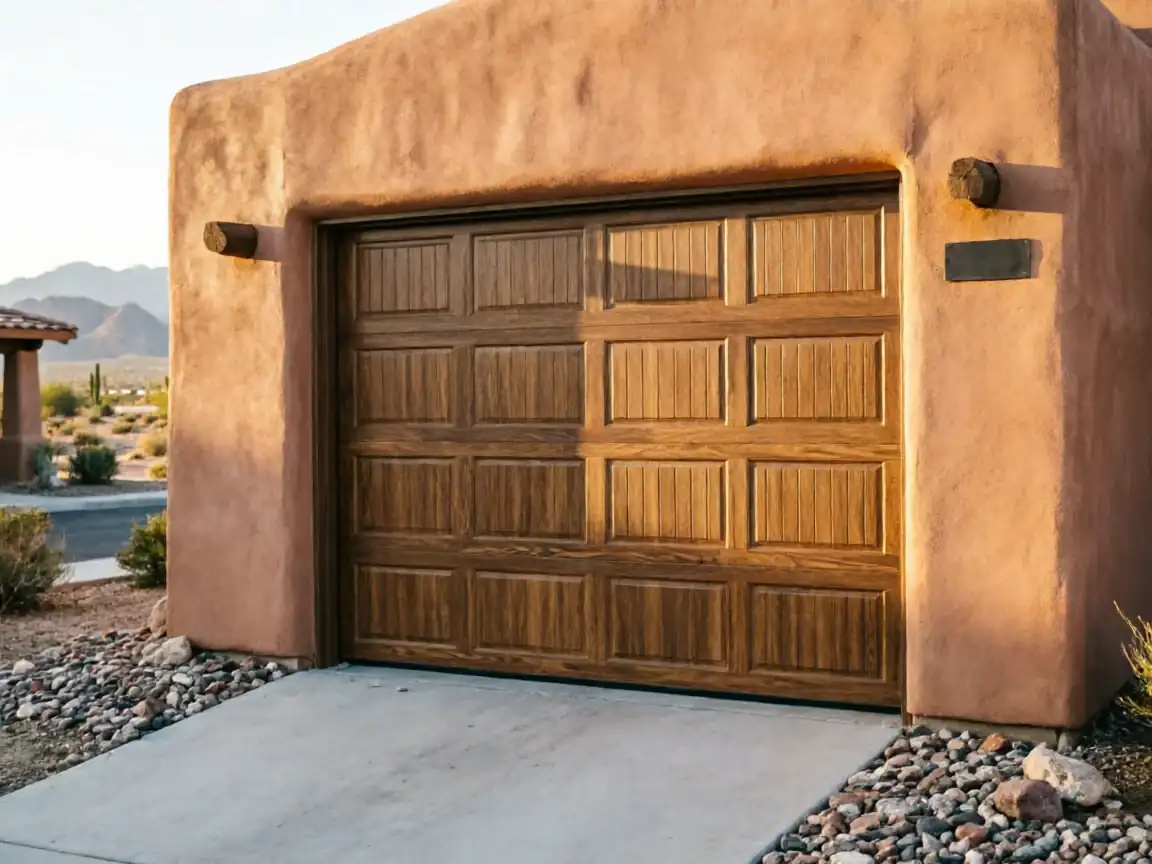
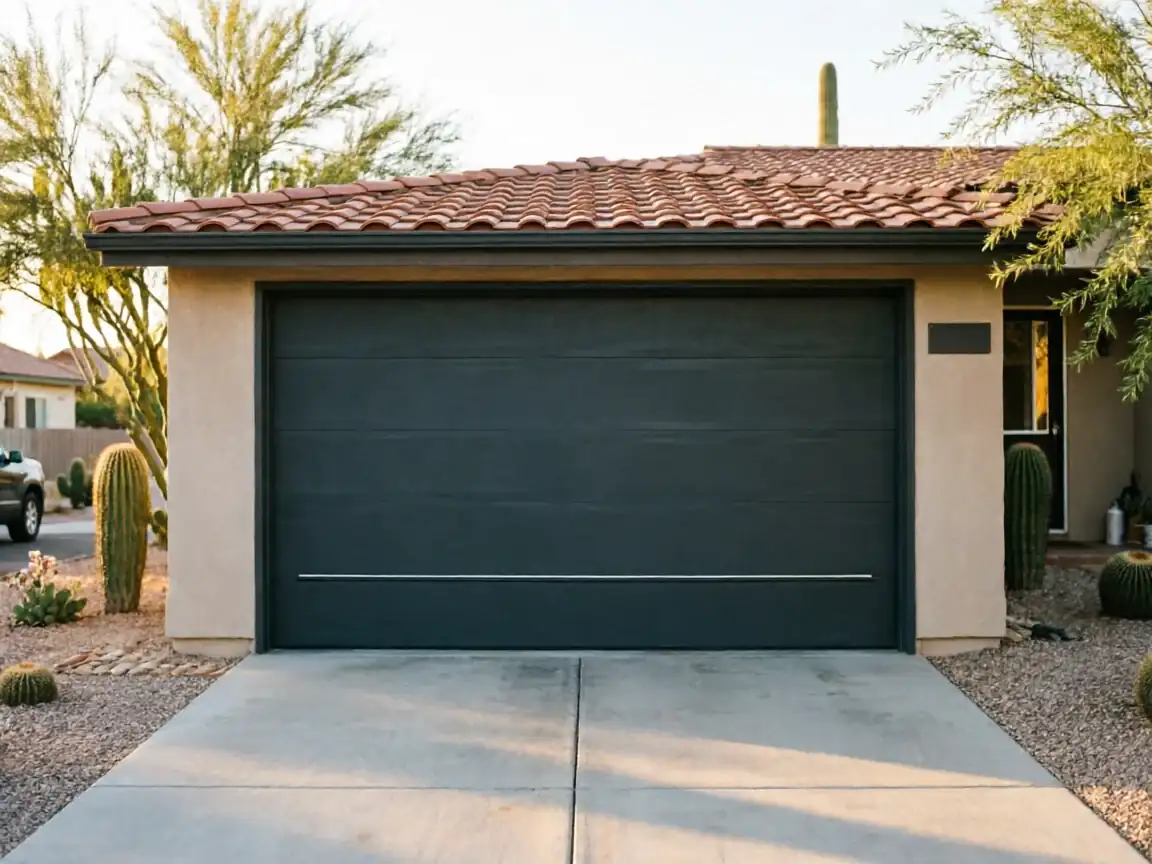
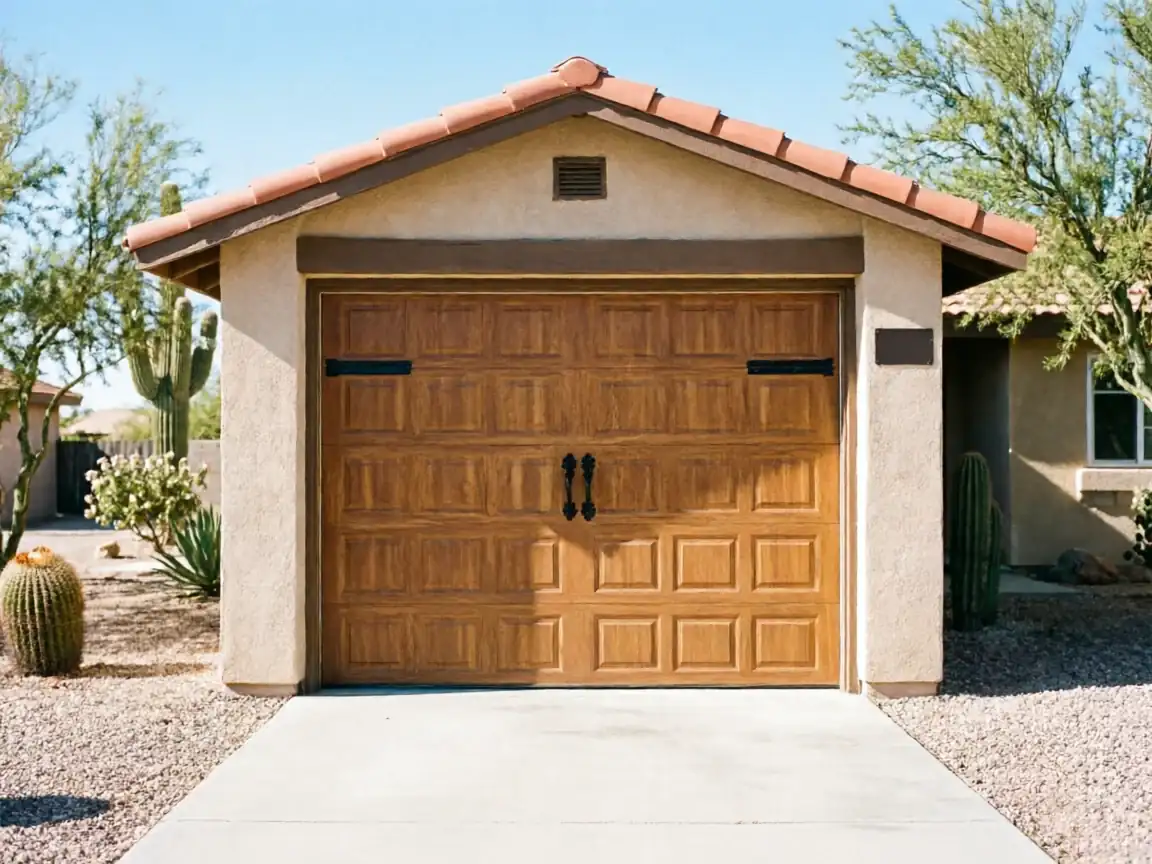
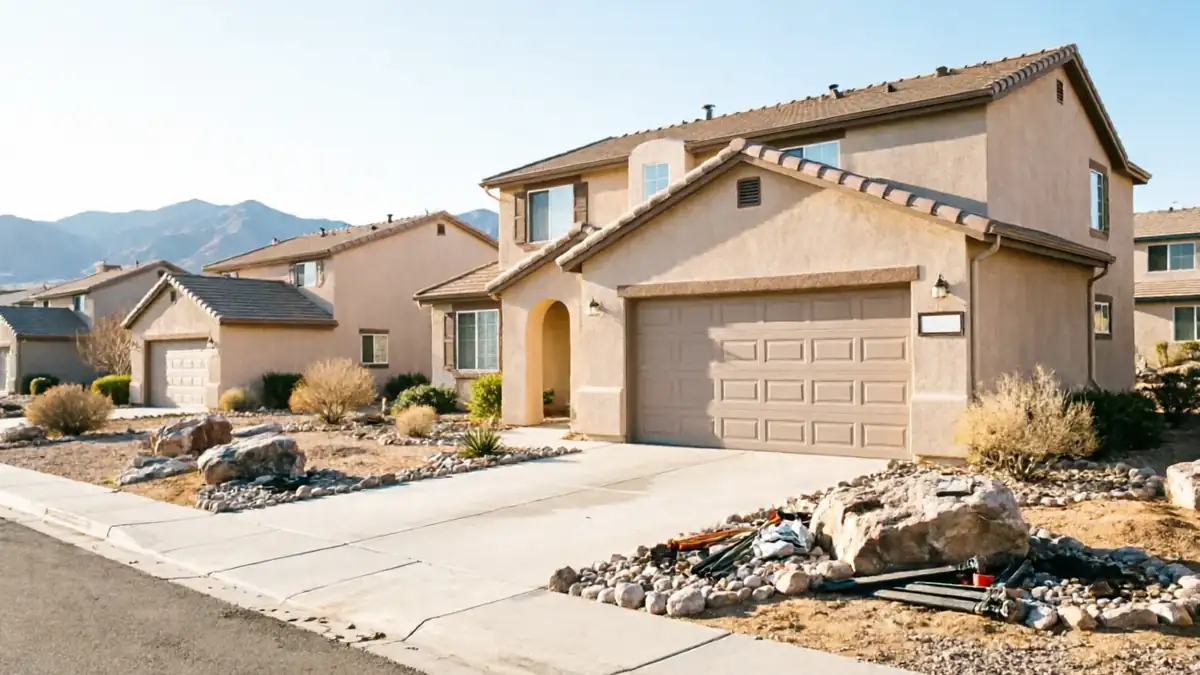
Most houses in this service area went up between 1990 and 2004, with a median build year of 1997. That matters for panels because builders in that window leaned hard on steel sectional doors with thin foam cores and factory paint that was never meant to take 20-plus years of direct Arizona sun. The heat band here runs severe, and that's the real driver of panel failure - not impact damage, though that happens too.
A steel panel sits on a garage that can run well past 120°F inside during peak summer. That heat cycles the panel through expansion and contraction every single day, and the paint and the steel skin don't expand at the same rate forever. Eventually the skin separates from the foam backing, or the paint chalks and cracks and lets moisture and UV straight into the seams. Older pockets of 1980s and 90s stock in parts of this area show the same pattern even earlier, since those doors have had more summers to cook.
A single bent panel from a bumper tap is a different problem and a simpler fix. Sun-cooked, delaminating panels across the whole door are a housing-stock problem, and we see a lot of it here because of when and how this area was built.
The Symptom
The most common call we get is one panel that's bowed outward at the bottom
Usually the one nearest the floor where a car bumper or a trailer tongue clips it. You'll see the paint crack along the bend line first, then the foam core start to show through as the steel skin separates.
The second pattern
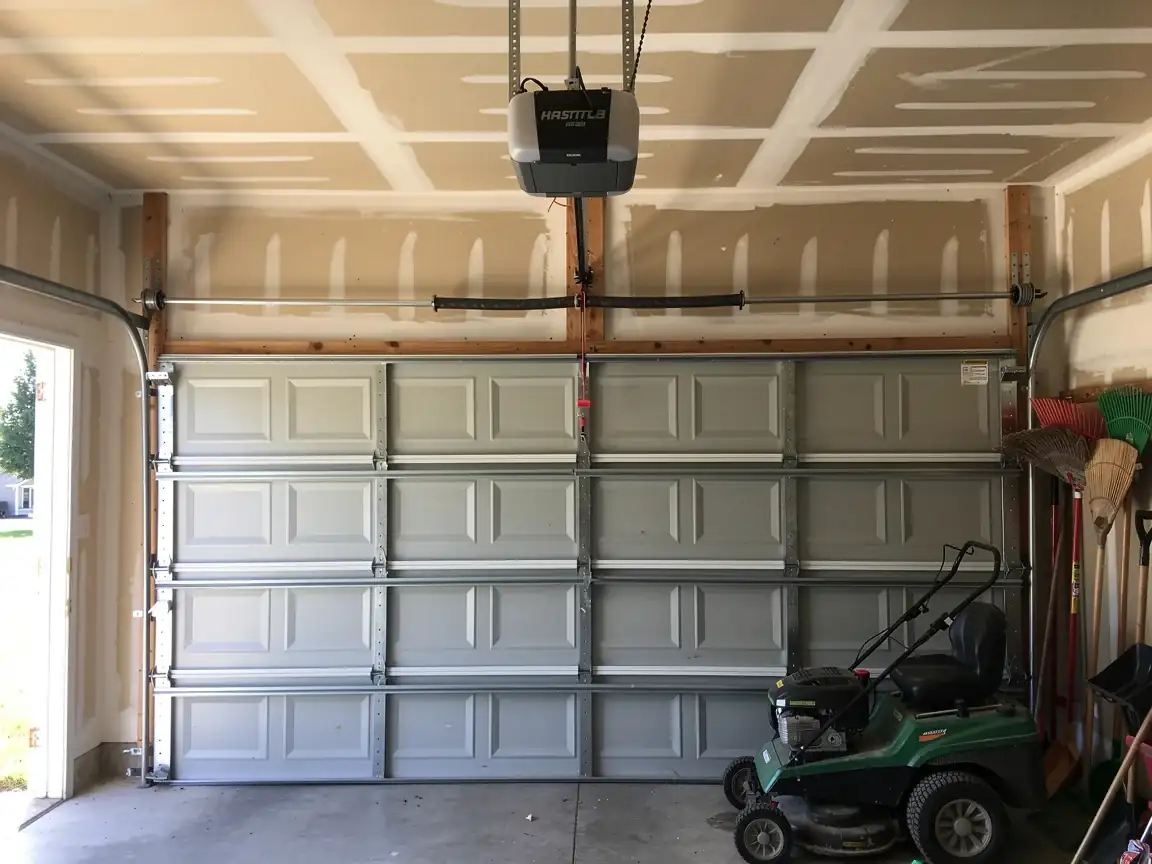
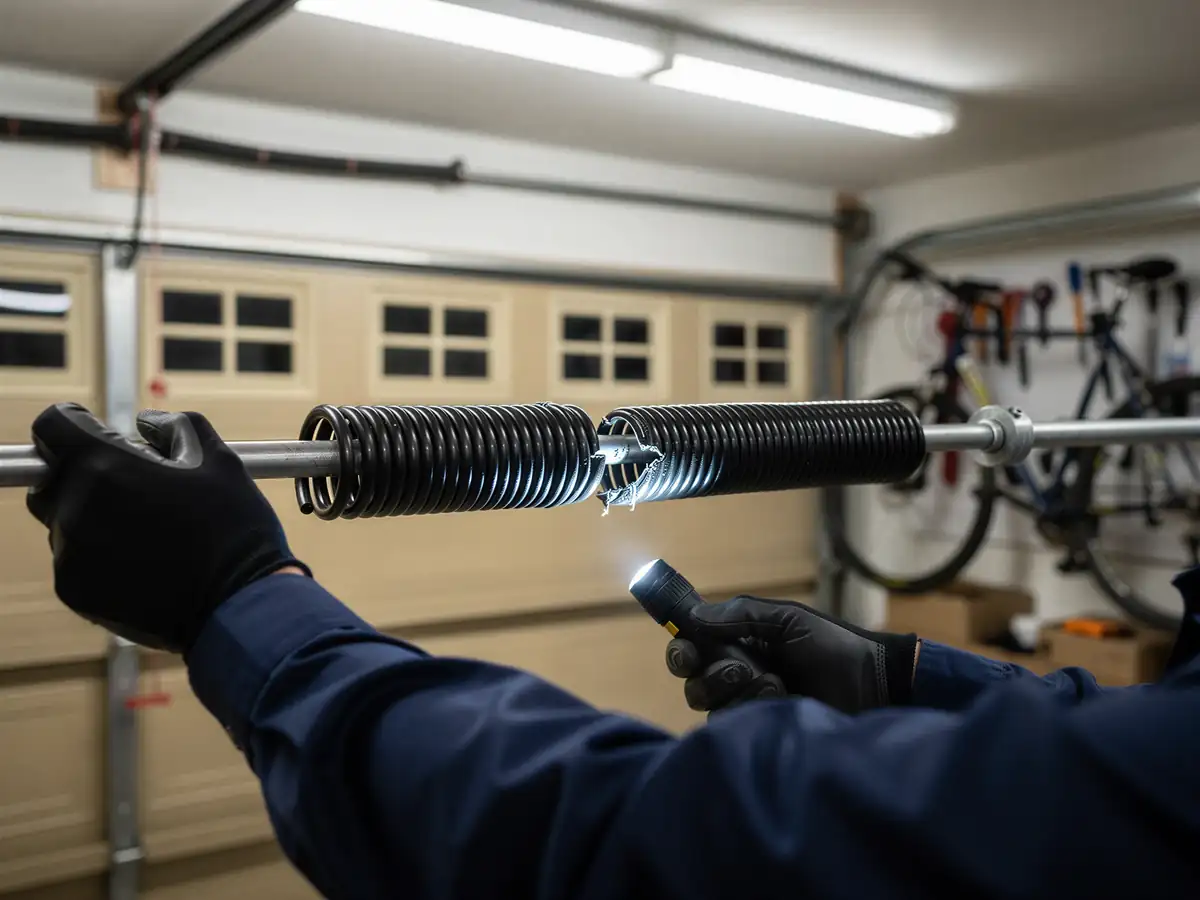
And the one tied more to climate than impact, is a panel that looks fine from a distance but feels soft or hollow when you press on it. That's delamination - the skin has pulled away from the foam core from years of heat cycling, and the panel has lost most of its rigidity even though it still looks straight. On multi-panel doors you'll often see this start on the top section first, since it gets the most direct sun exposure and the least shade from the house itself.
Either way, the tell is usually the same
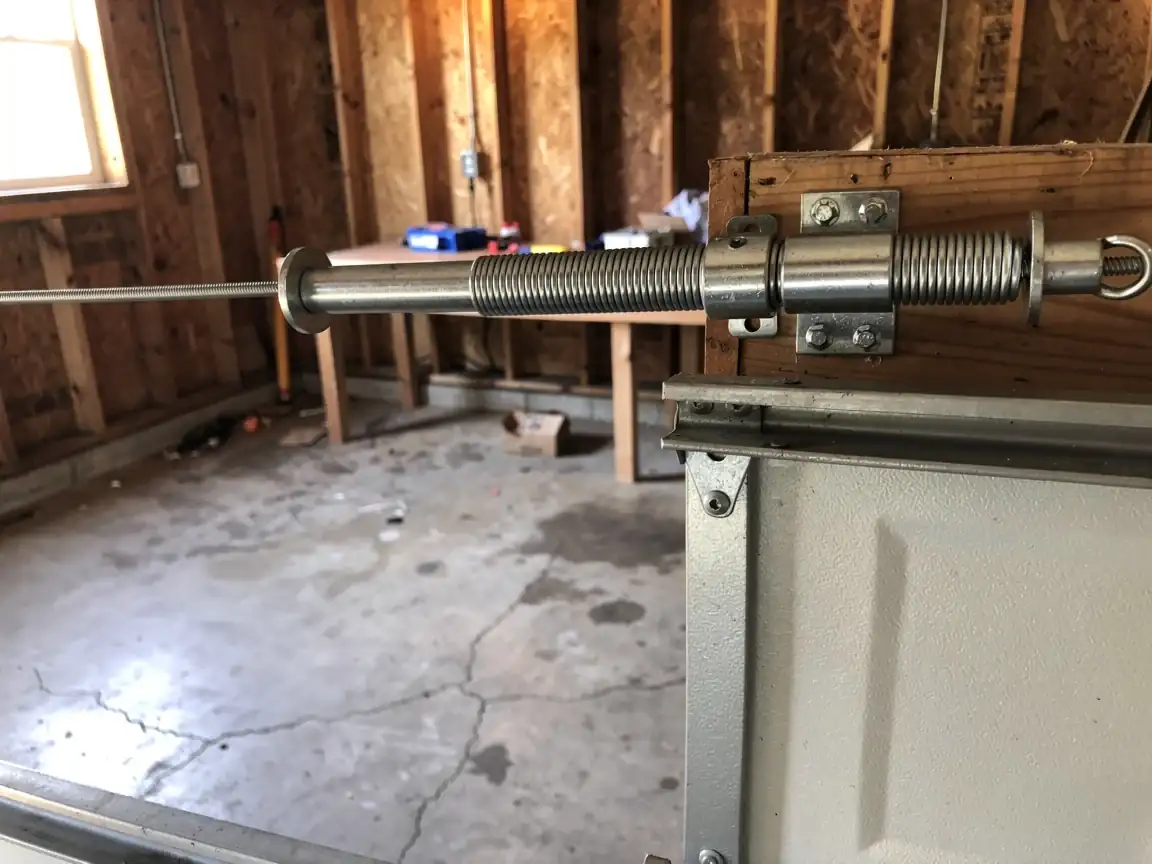
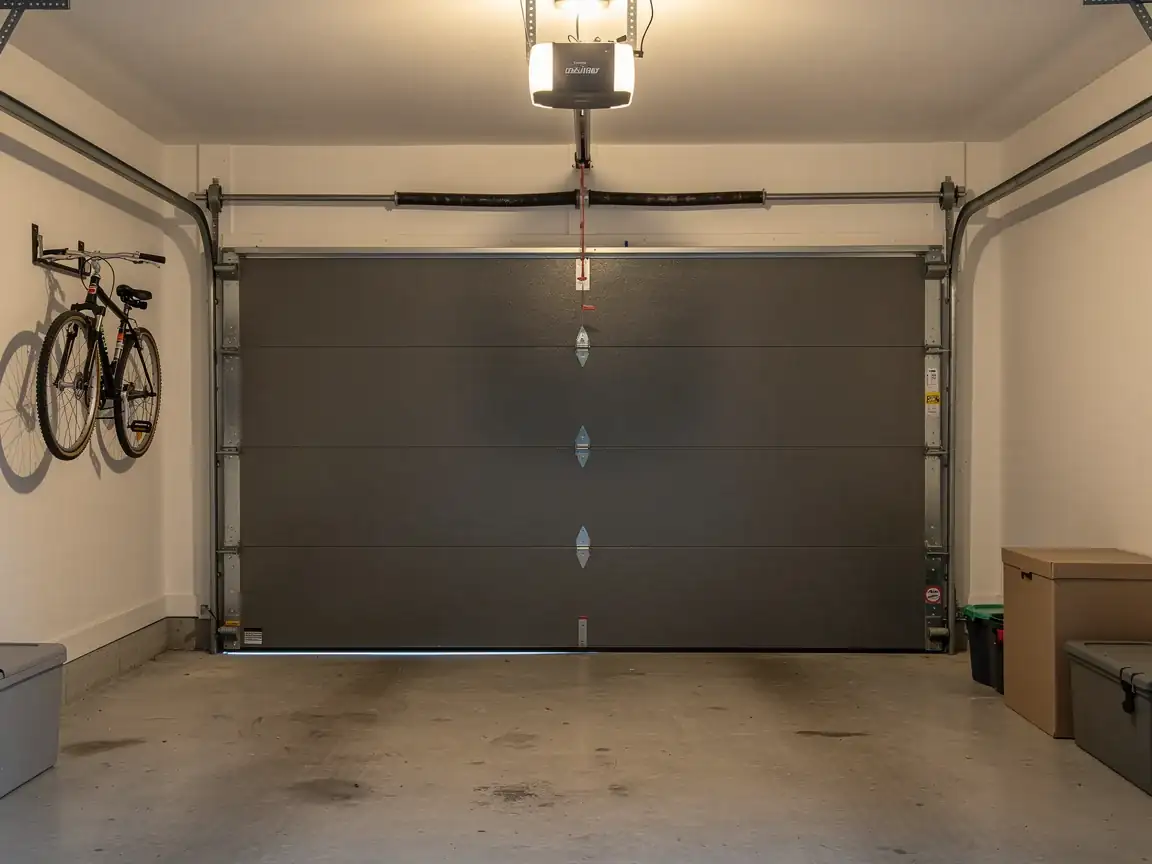
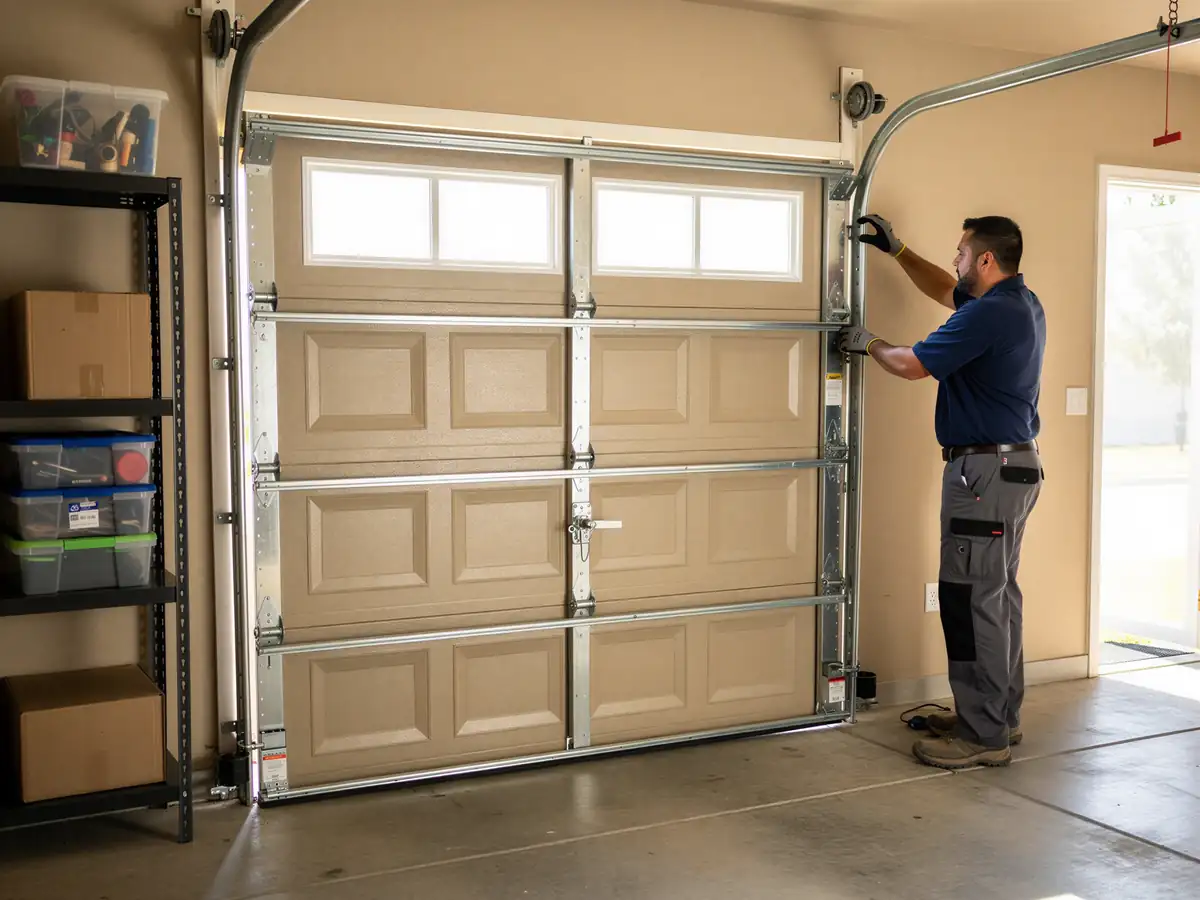
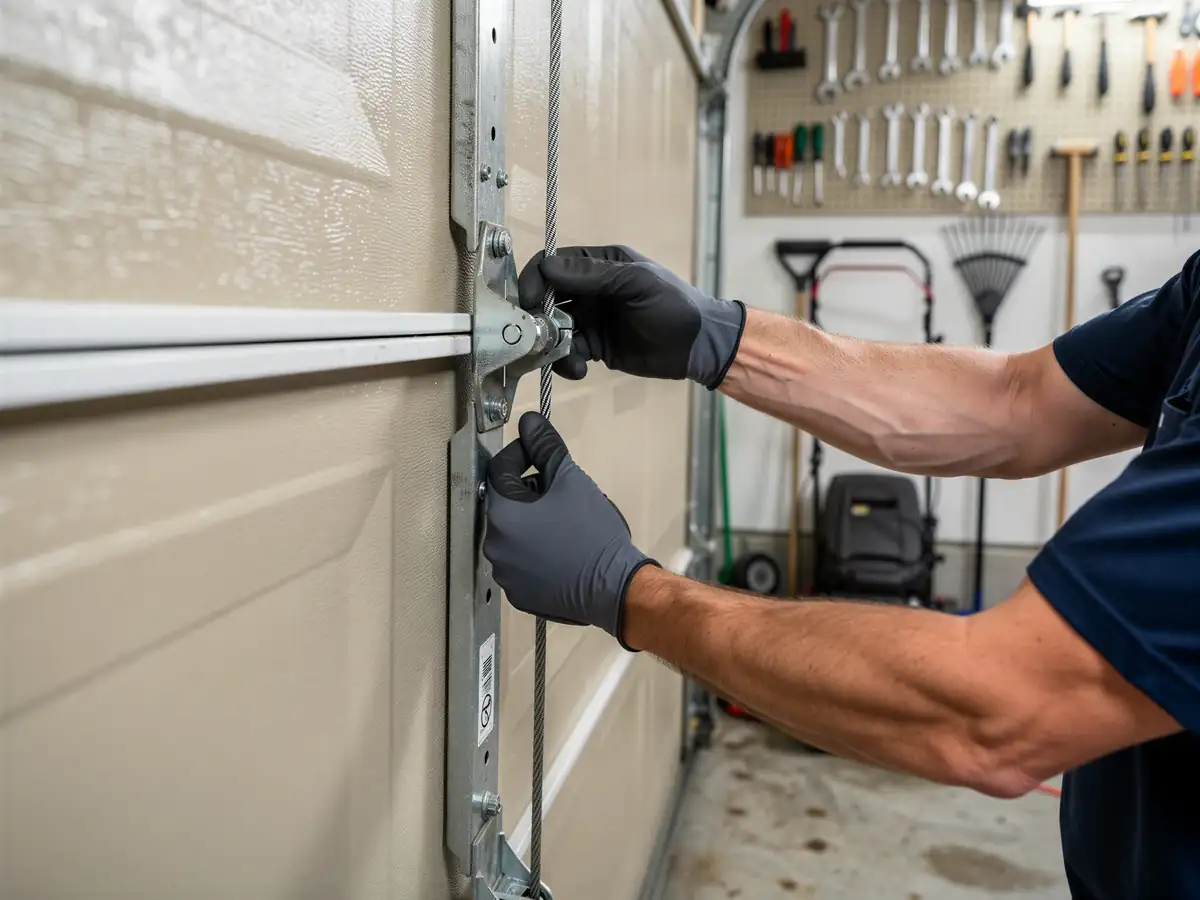
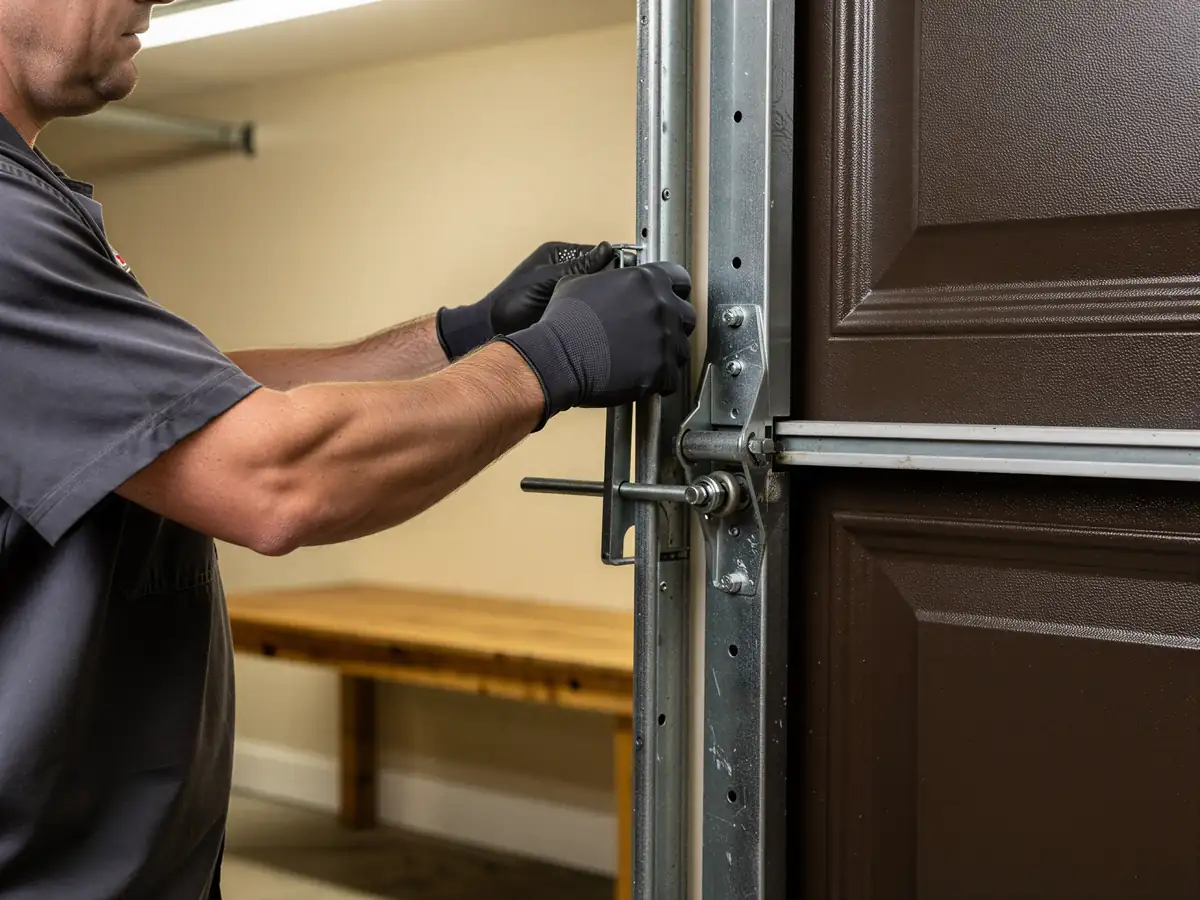
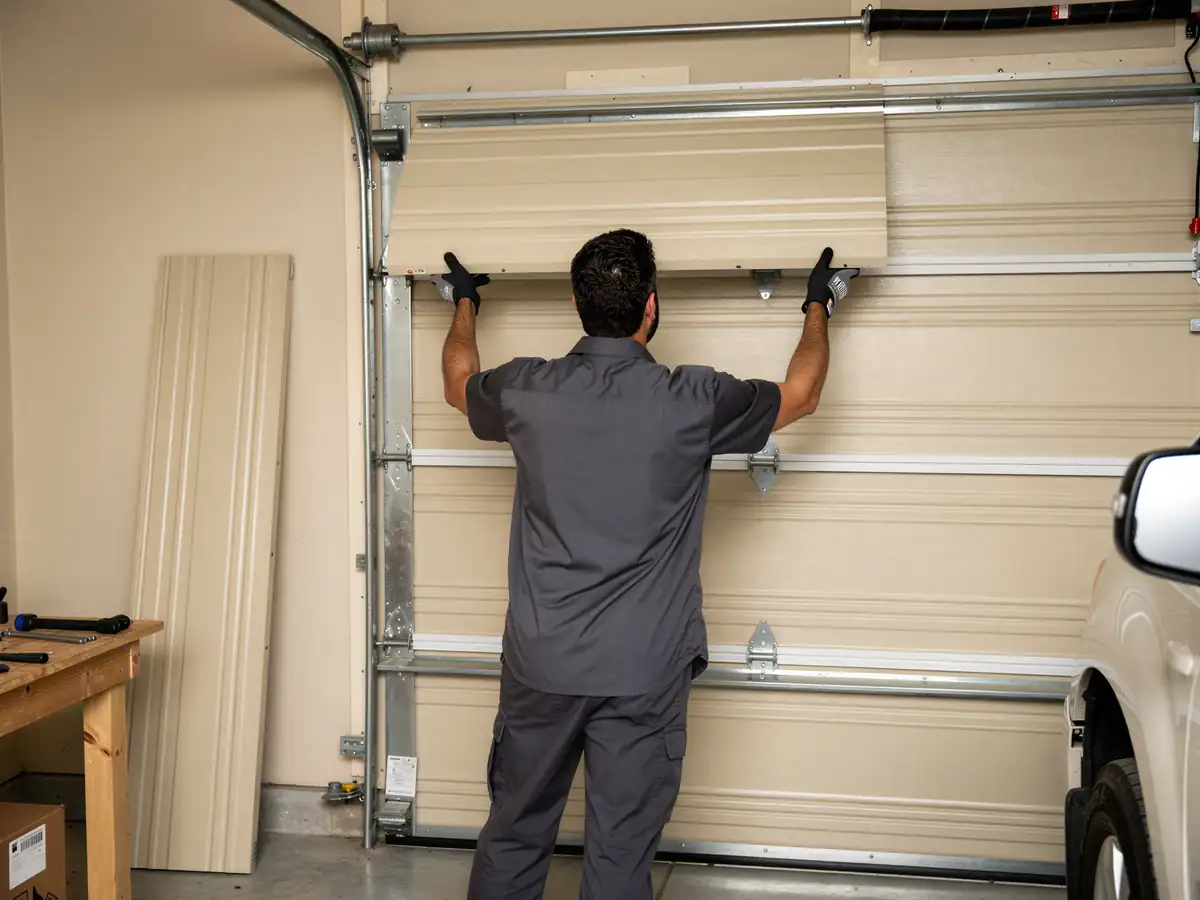
The door still opens and closes, the opener still runs fine, but one or two sections look wrong next to the rest. That's a panel job, not a spring or opener job, and it's worth knowing the difference before you call.
The Cost of This Job
We're not going to give you a number here, because panel cost depends on the door brand, the panel style, the window cutouts if any, and whether the exact match is still in production. A door built in 1997 may need a panel sourced from a supplier that's updated its line since, and matching color and ribbing on an older door is a real part of the job, not a formality.
What we can tell you is how to think about the decision. With median household income in this area at $76,259 and roughly 18,319 owner-occupied houses across the service area, a lot of our calls come down to the same math: is a single or double panel replacement cheaper than replacing the whole door. On a 2-3 year old door, panel replacement almost always wins. On a door pushing 20-plus years old with sun damage on more than one section, you're often paying close to full-door money to patch a door that's going to keep failing anyway. We'll tell you straight which side of that line you're on before we quote anything, and sometimes the honest answer is that the better job is the one we don't do.
What Is on the Truck
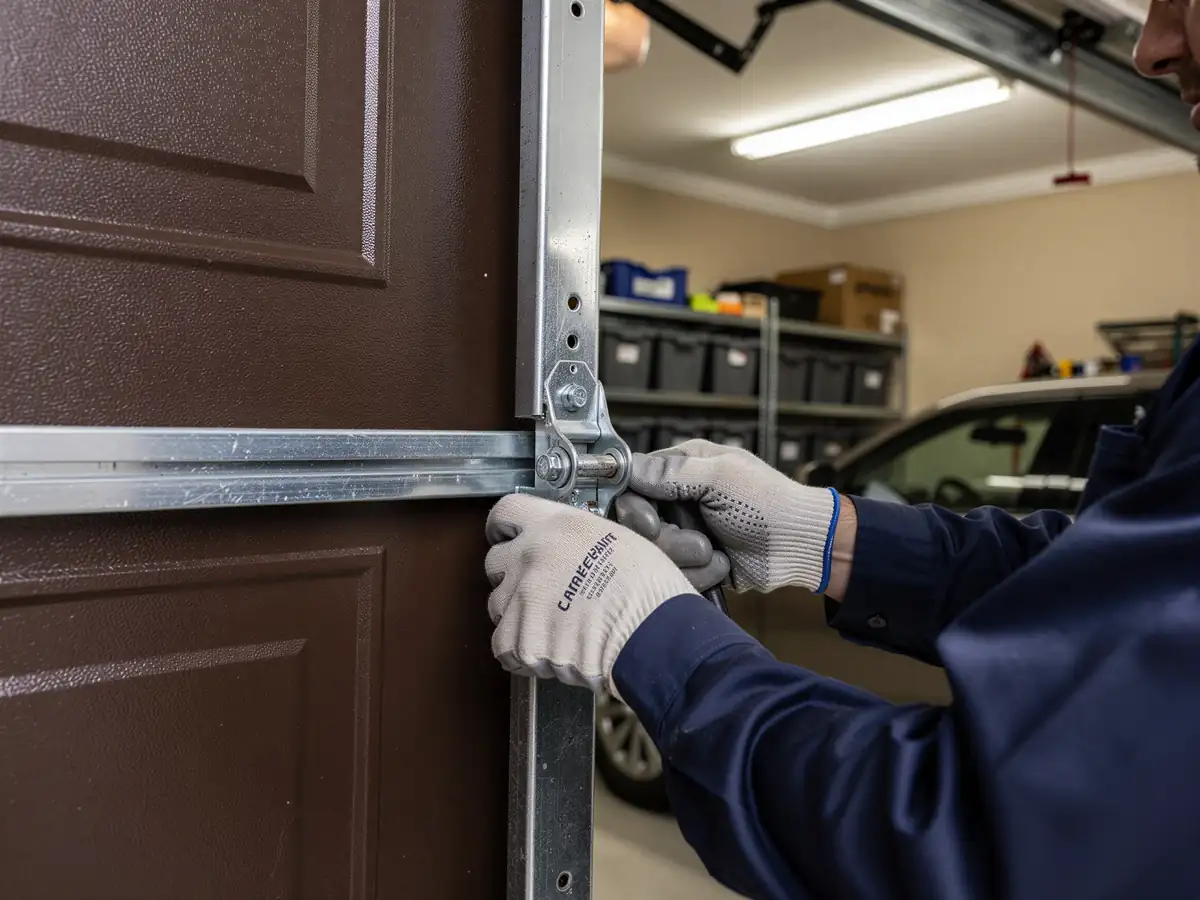
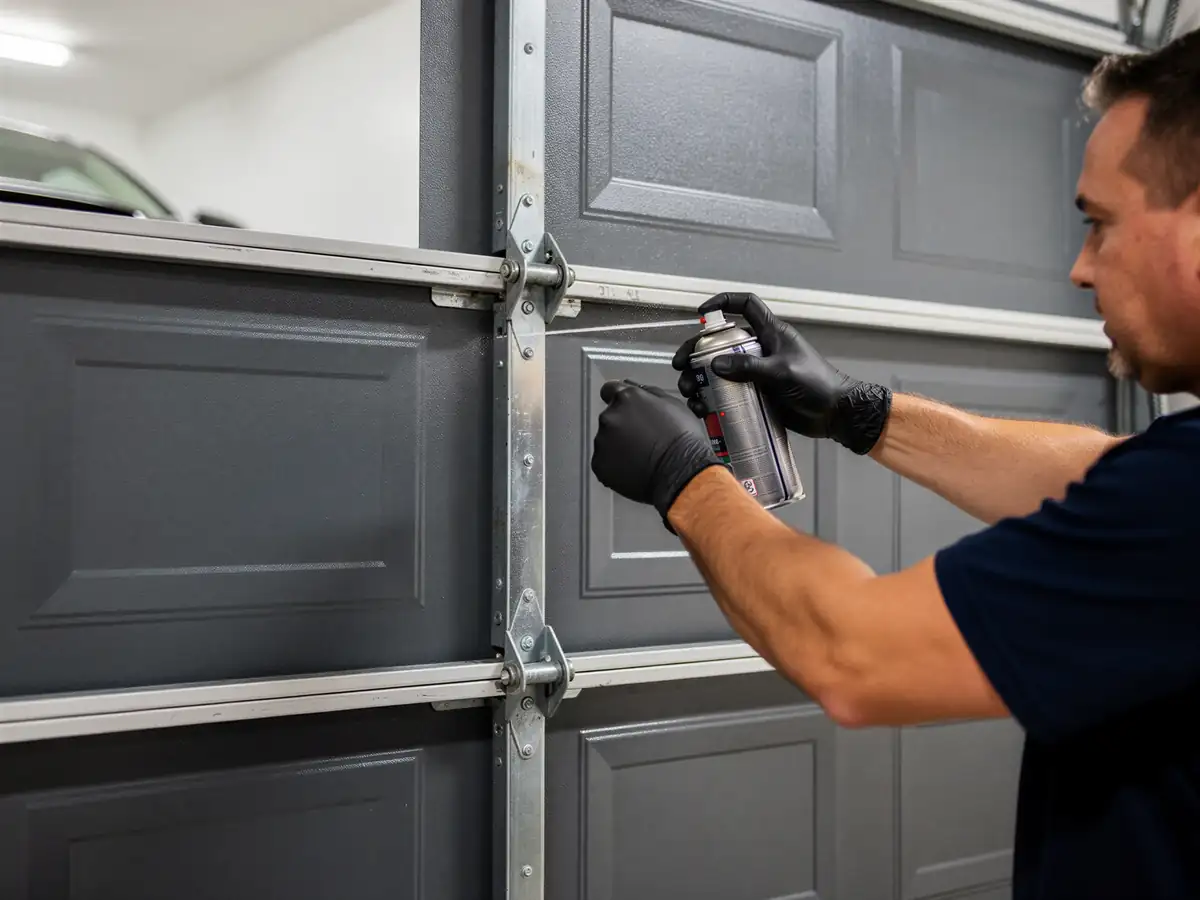
We carry common panel sections and end stiles for the door styles most common to homes built in this window, along with the hardware that goes with a panel swap - hinges, rollers, and the fasteners that corrode first in this climate. Matching an exact color and rib profile on an older door isn't always possible off the truck, and when it isn't, we'll tell you that up front rather than install a mismatched panel and call it done.
For steel doors with foam-core delamination, we check the adjacent panels while we're there, since a door that's lost one panel to heat cycling usually has at least one more close behind it. We'd rather tell you now than have you call again in six months for the panel next to the one we just replaced.
What we don't carry is obsolete panel profiles for doors no longer in production anywhere - if your door falls into that category, replacement of the full door is usually the more honest answer, and we'll say so instead of chasing a part that doesn't exist anymore.