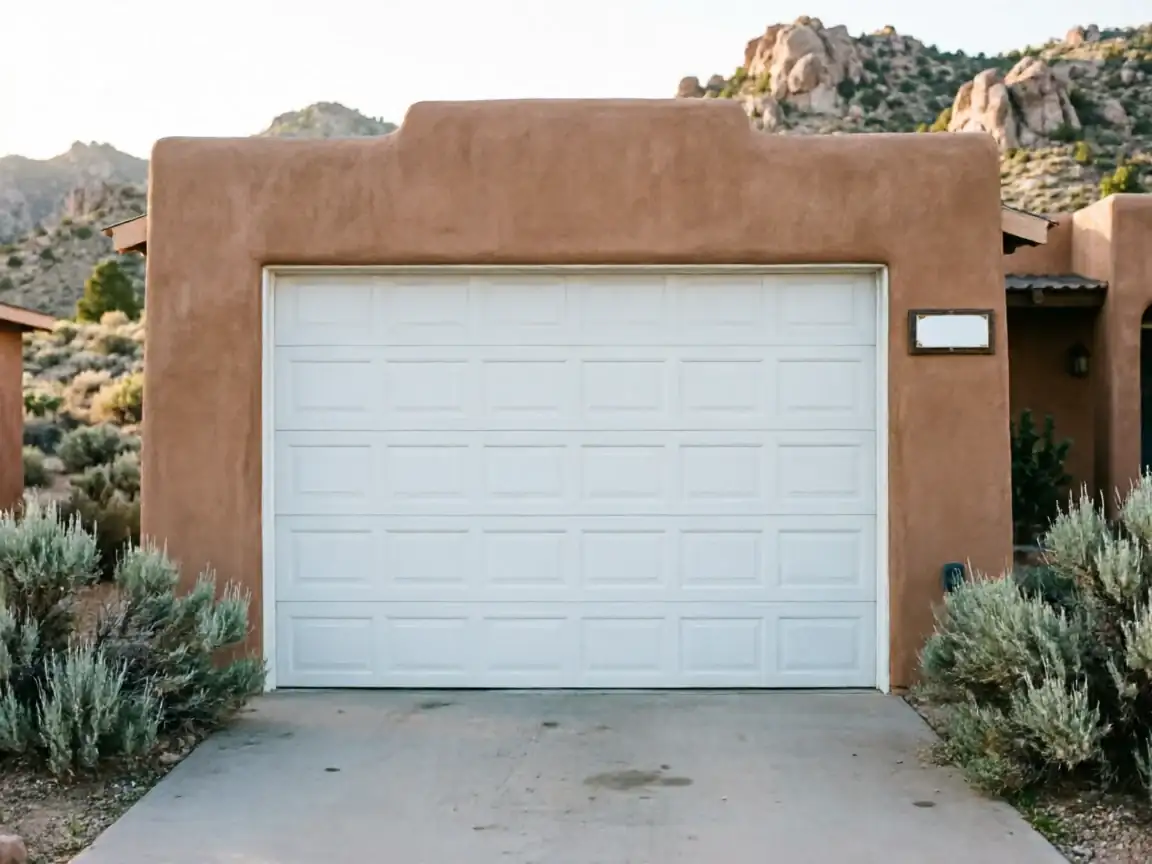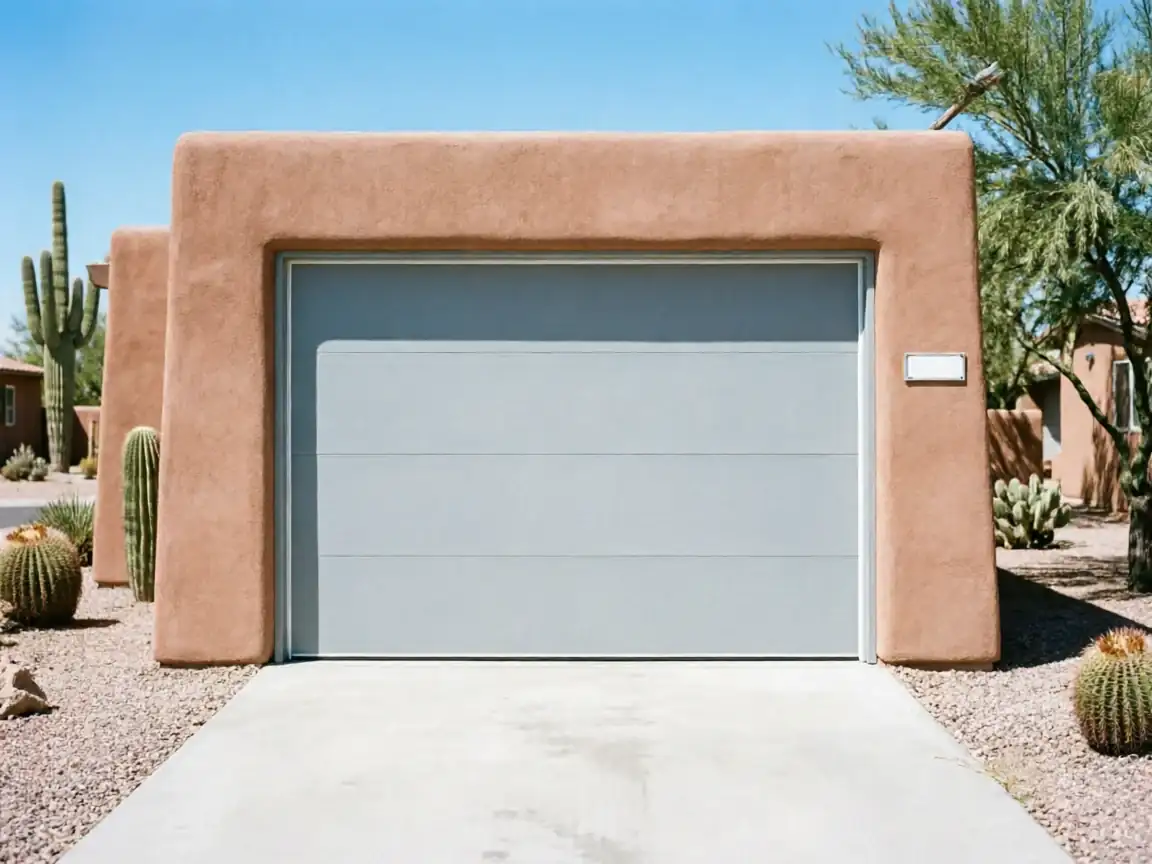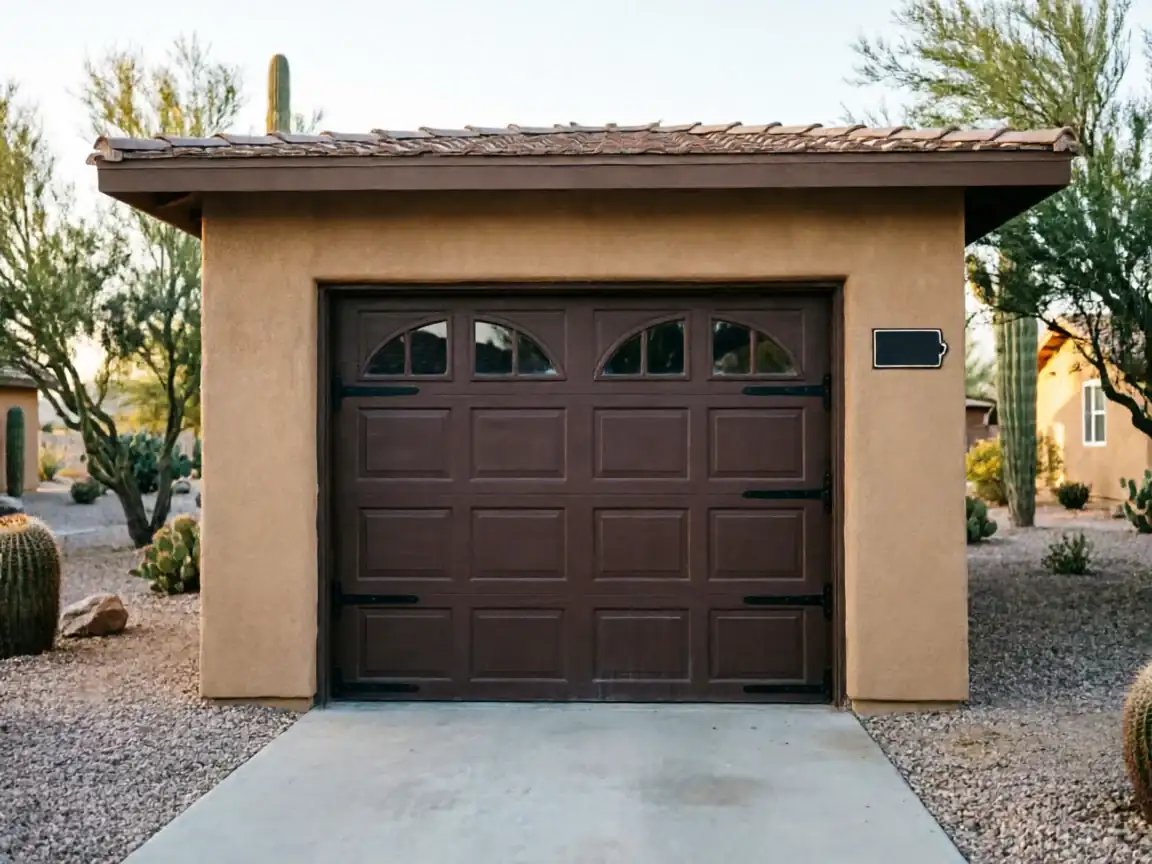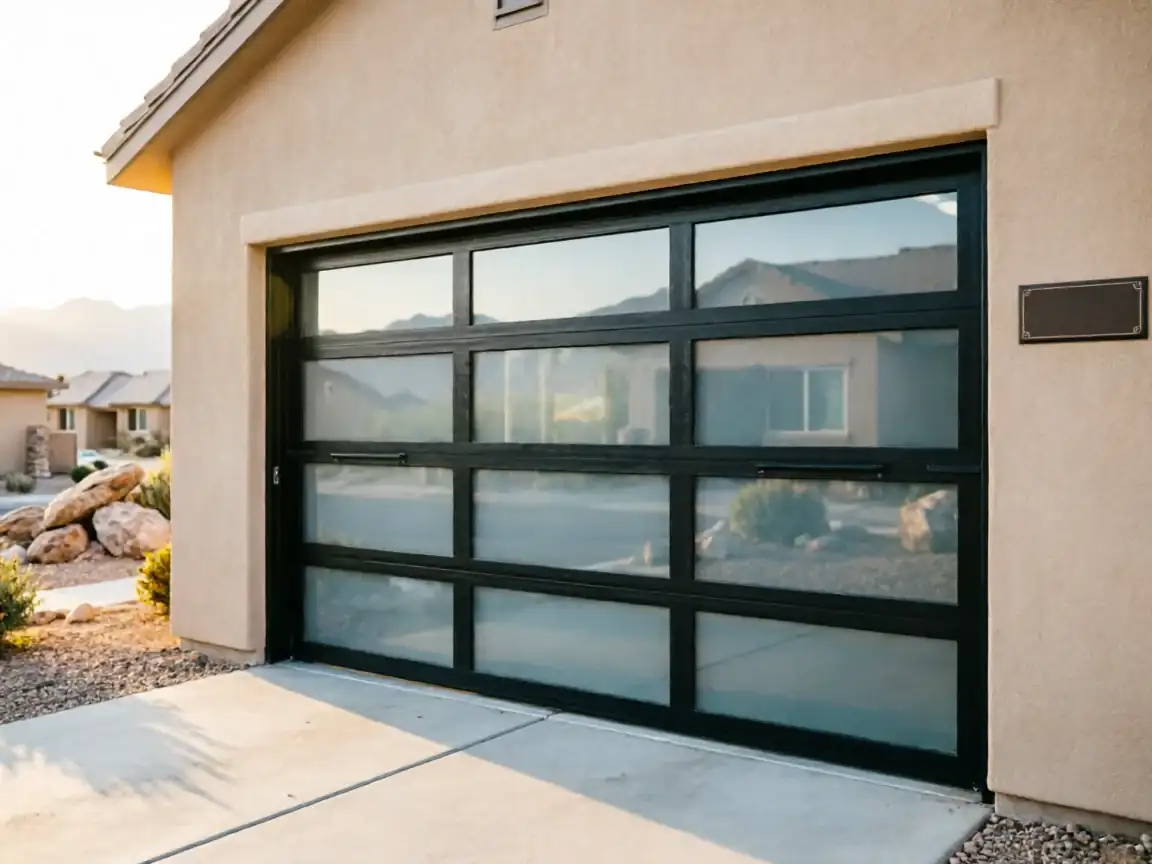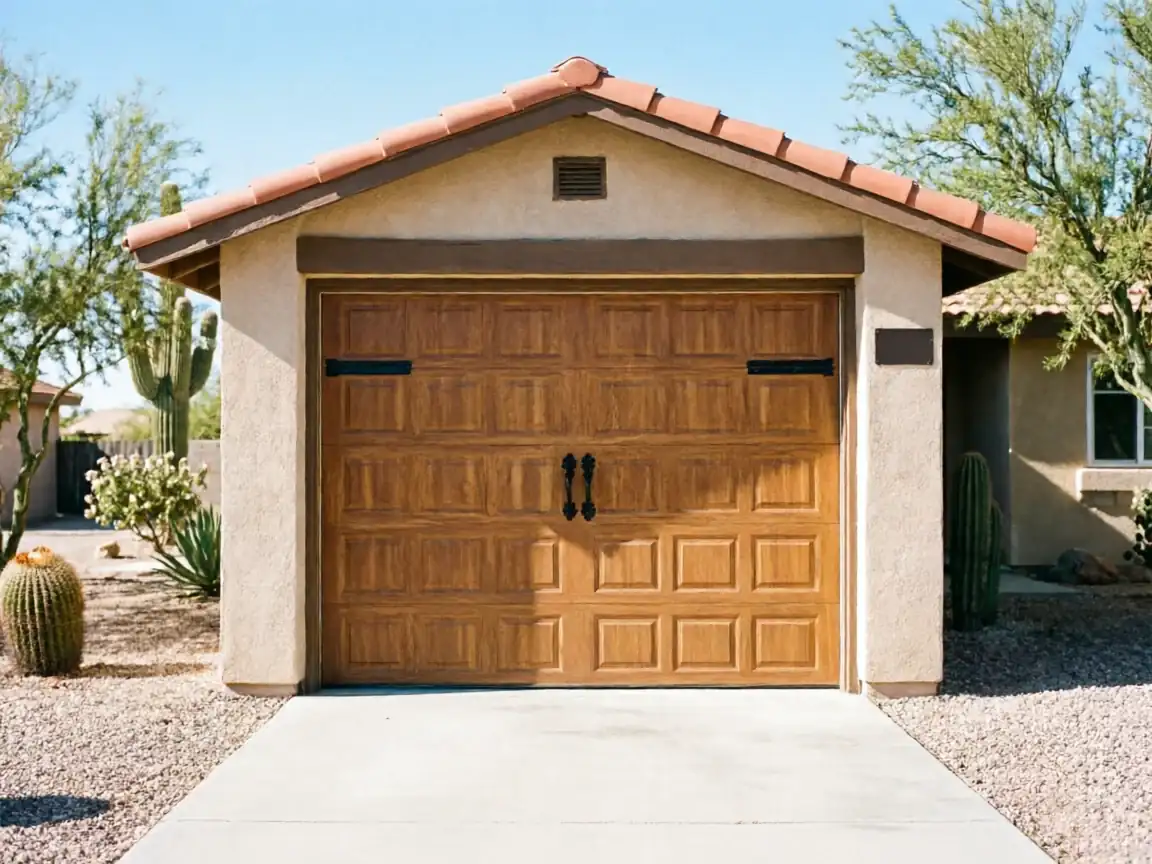
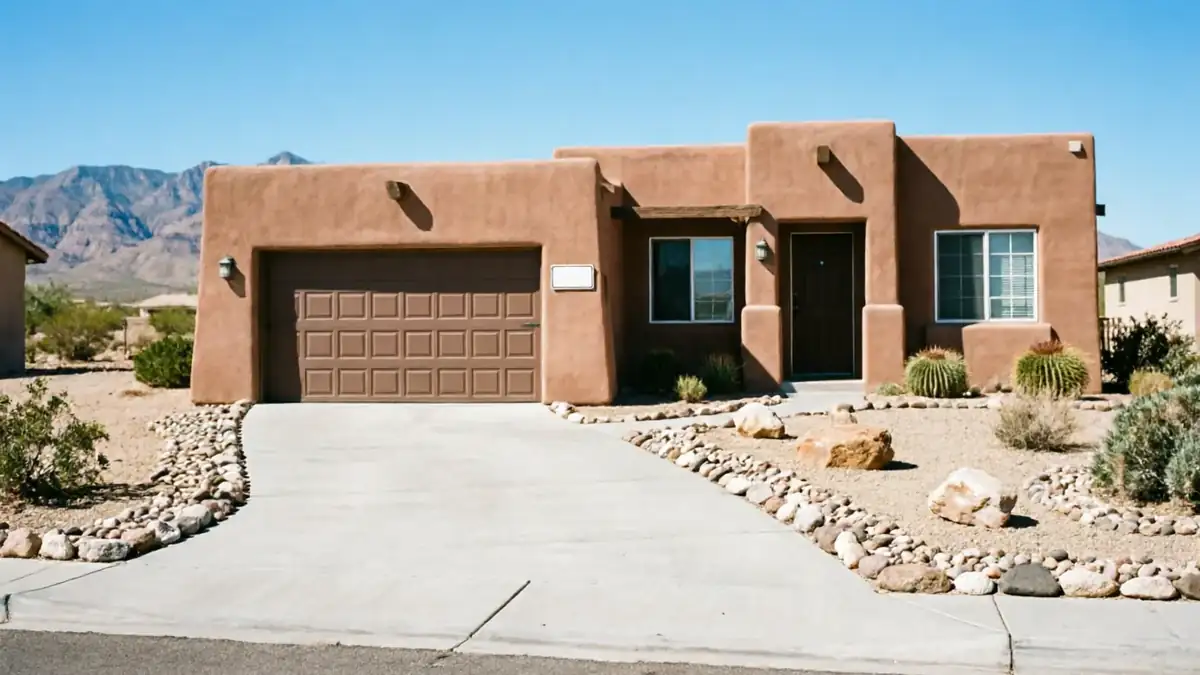
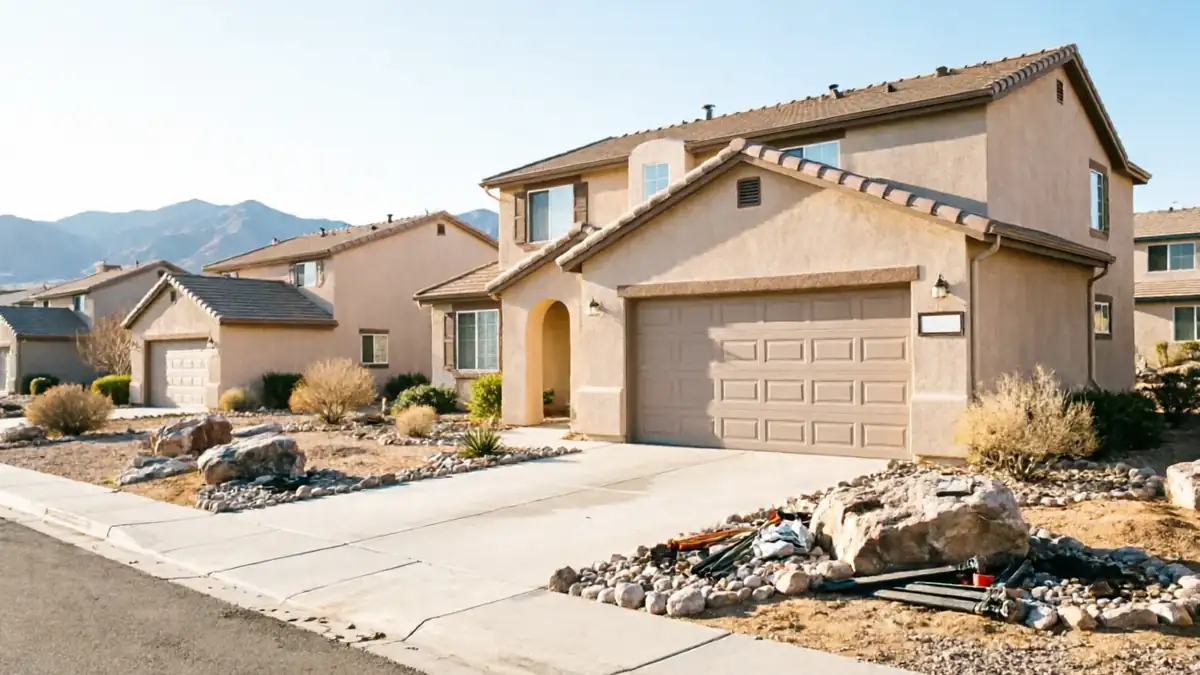
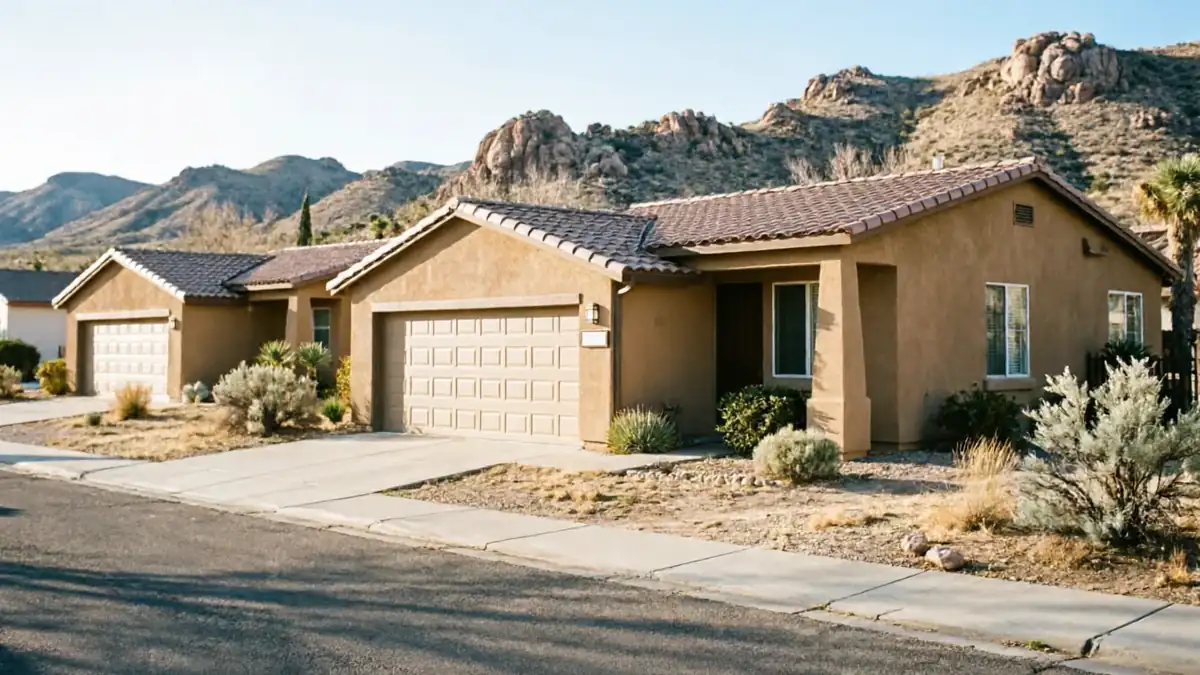
The Houses Here
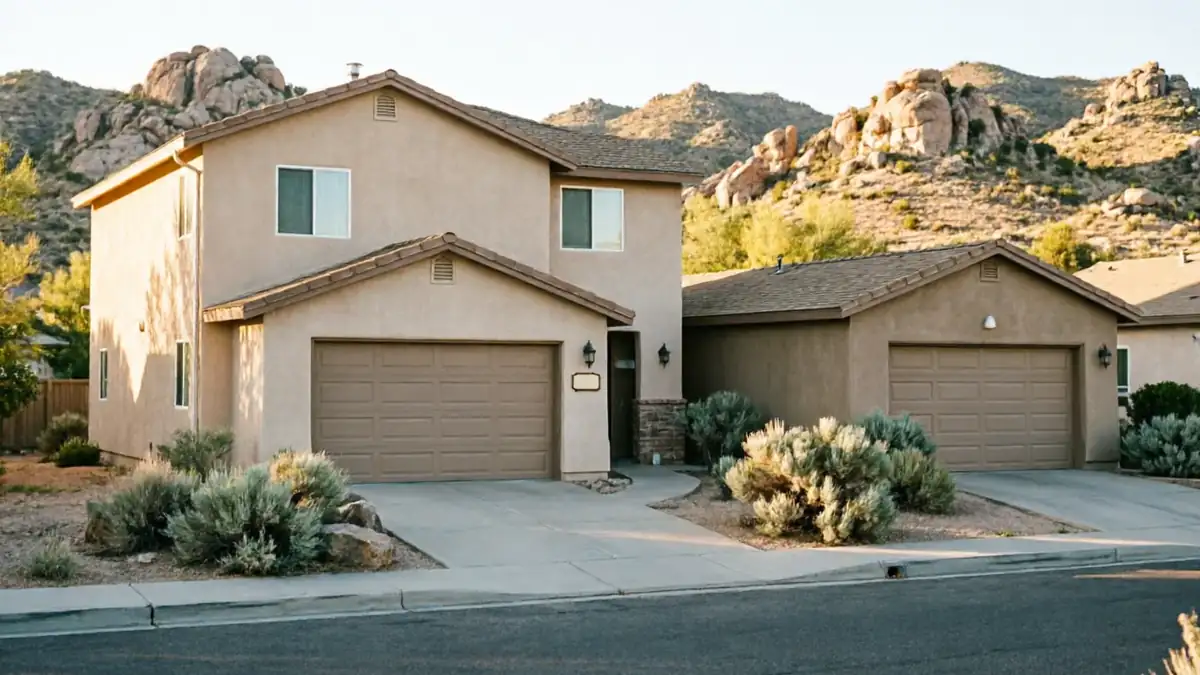
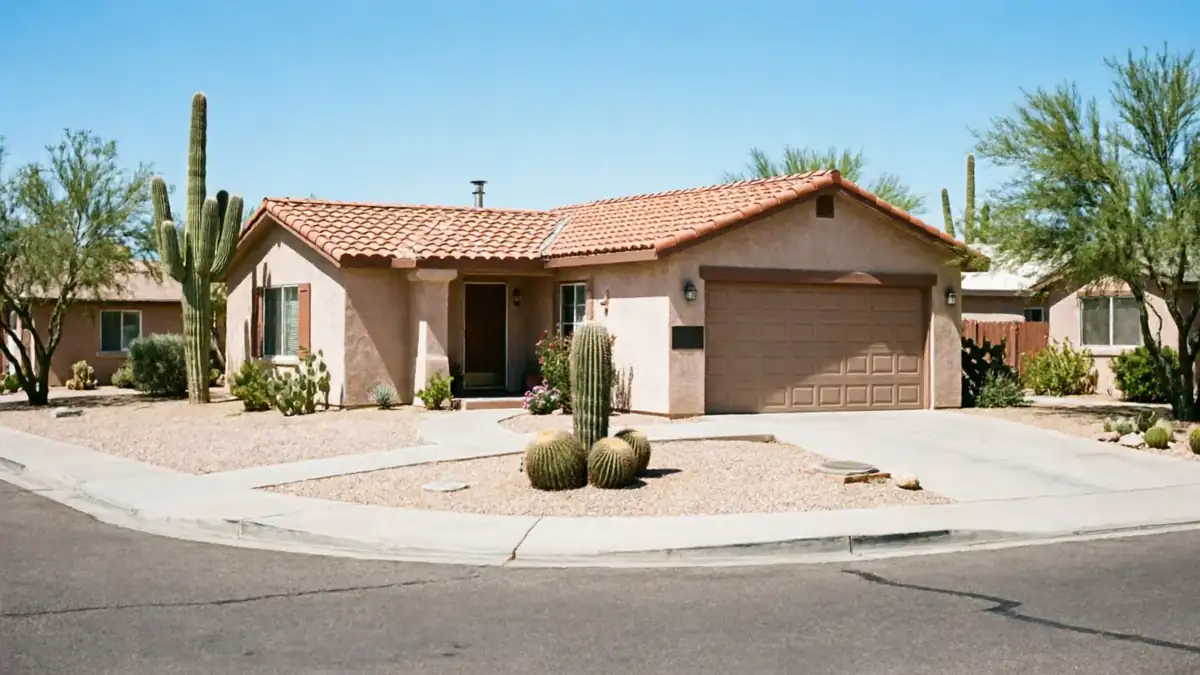
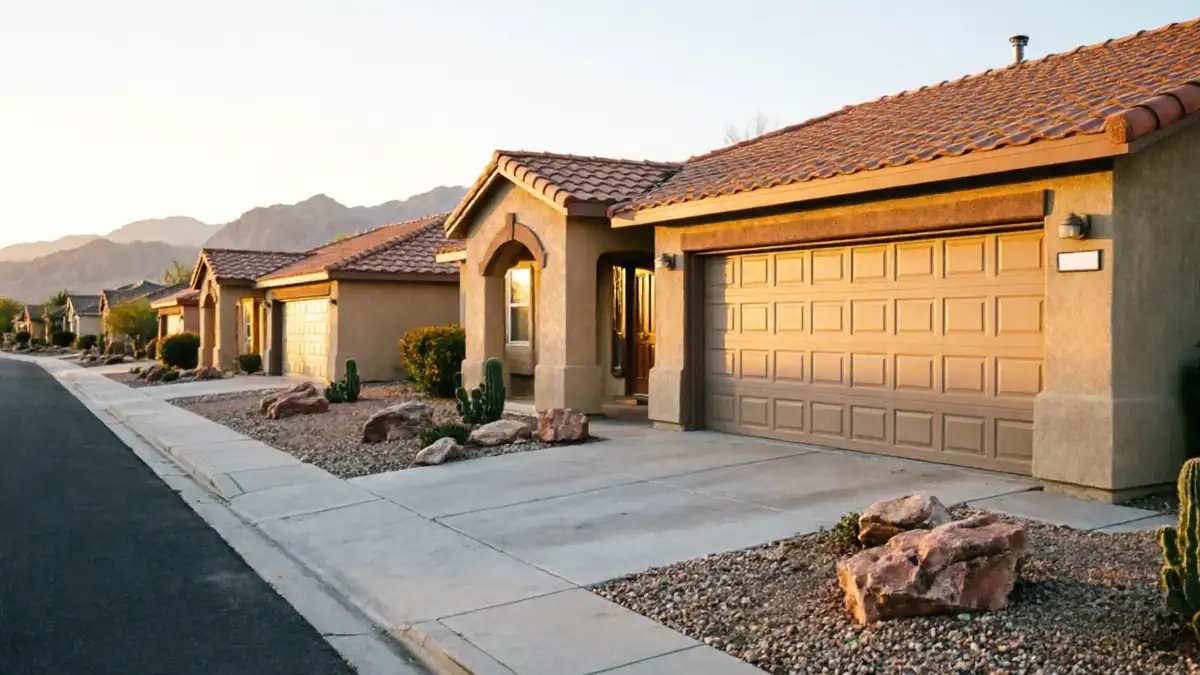
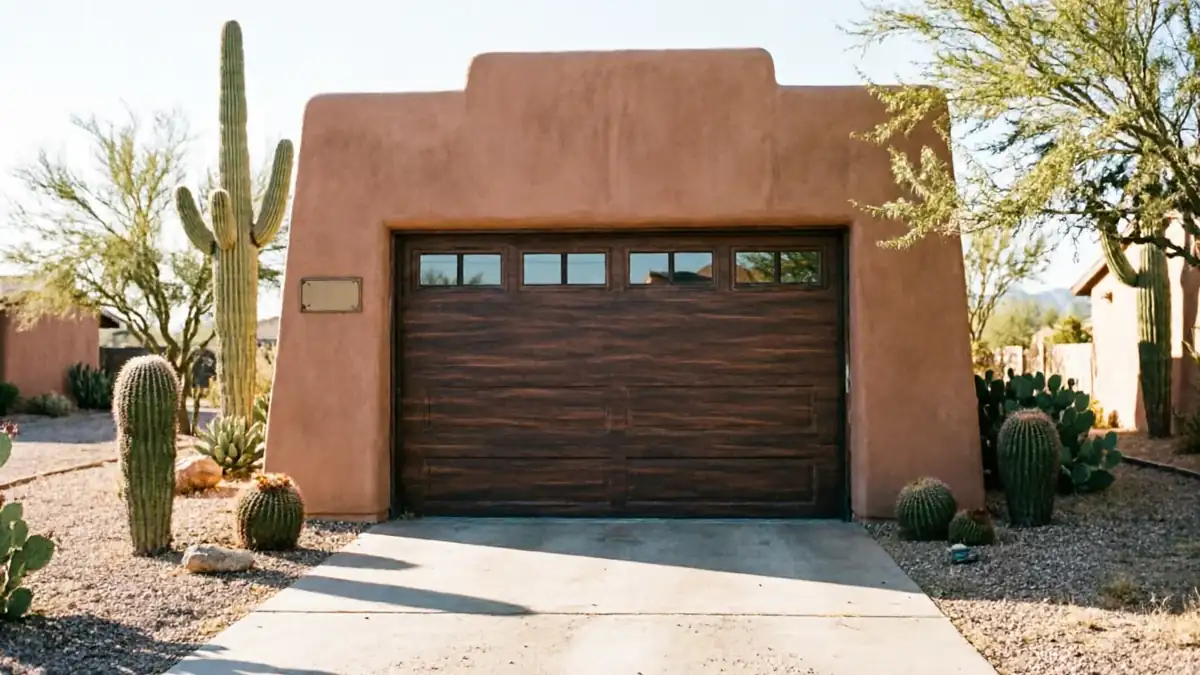
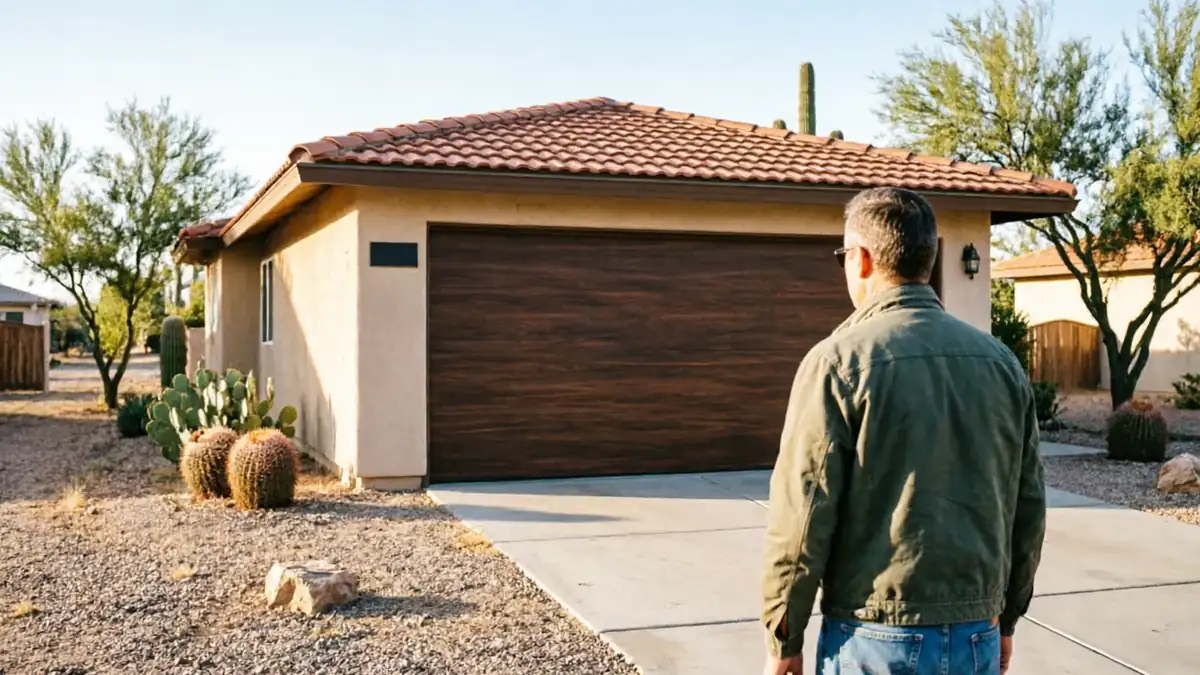
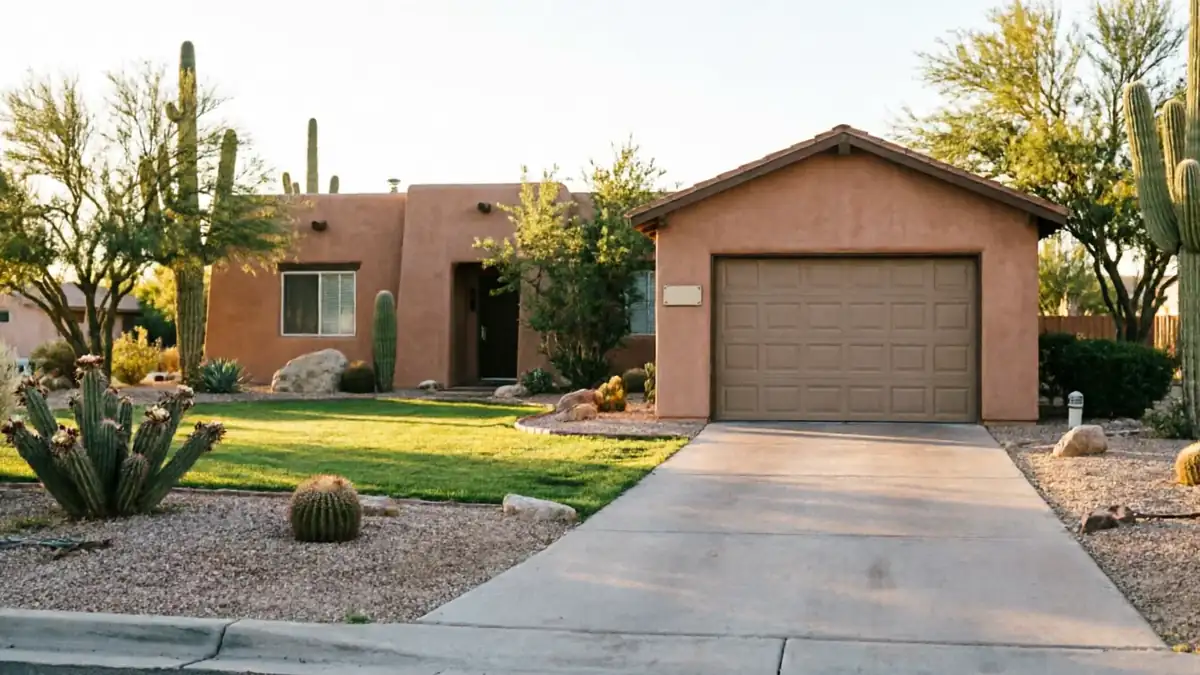
Sun Lakes sits about 15 miles from our shop in Queen Creek, and the houses here tell a different story than the newer subdivisions closer to town. The median year built in Sun Lakes is 1990, which puts it ahead of the broader service area's 1997 median - meaning the doors, openers, and hardware on these streets are, on average, older than what we see elsewhere on our route. With roughly 8,650 households in the area, this is a community built in one concentrated stretch, mostly through the late 1980s and 1990s, the same build wave that shaped several of the nearby communities. That matters for garage doors because it means a lot of original equipment is still hanging on, and a lot of it is due. Median household income here runs $63,545, lower than the $76,259 median across the wider service area, which tends to show up in how homeowners approach repairs - more patch jobs, fewer full replacements, until something fails outright. We don't guess at this. The houses on a given street were largely built in the same handful of years, so the failures tend to cluster too.
Older vs Newer Streets
Because Sun Lakes was largely built in one era rather than filled in gradually, you won't find much contrast street to street the way you would in a town that grew in waves over decades. Most of what's here falls close to that 1990 median, which is part of why the common failures repeat so consistently from one job to the next - same spring gauge, same opener generation, same panel material showing wear at the same age. That's different from newer construction in the broader service area, built up through 2004, where doors are more likely to have factory insulation, sensor-based safety reversal, and steel gauge that holds up longer under heat cycling. If your house in Sun Lakes has had any door or opener work done since it was built, it's worth knowing roughly when - a mid-2000s opener swap on an original 1990 door is a common mismatch we run into, and it changes what the actual fix looks like.
Common Jobs Here
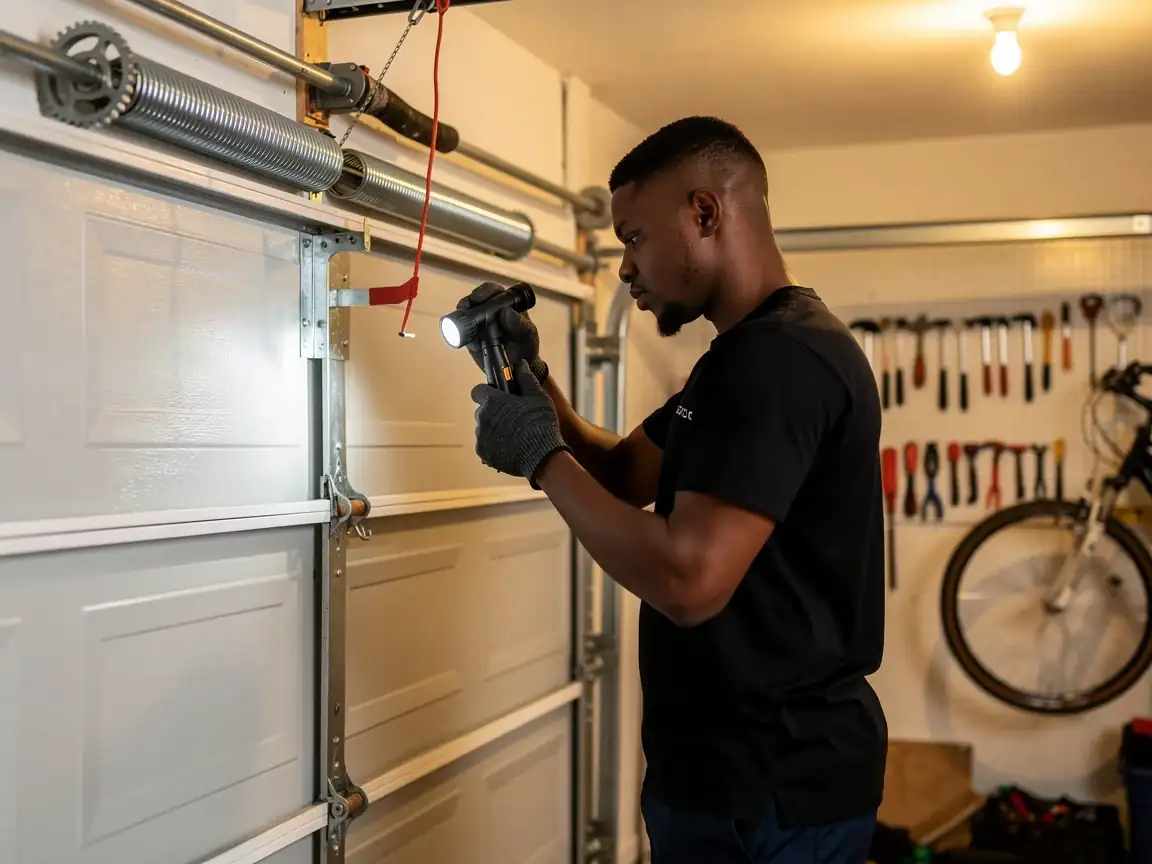
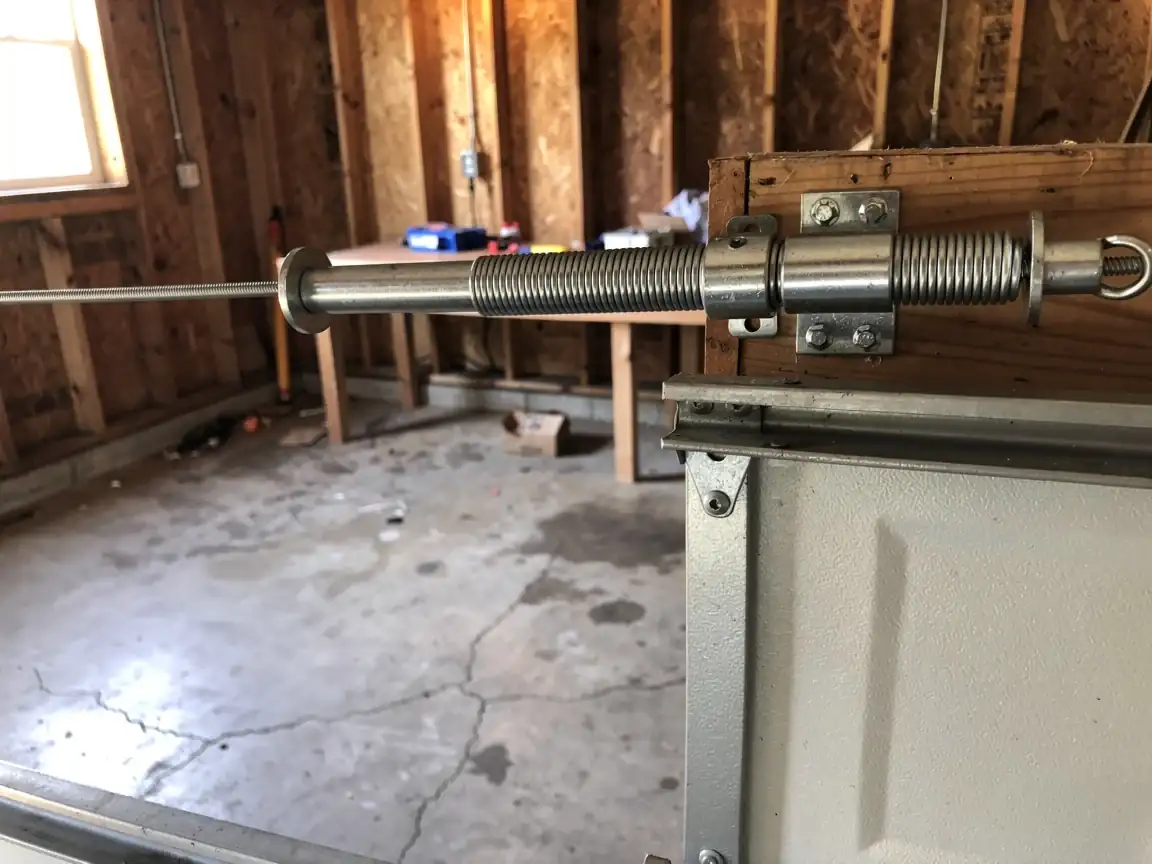
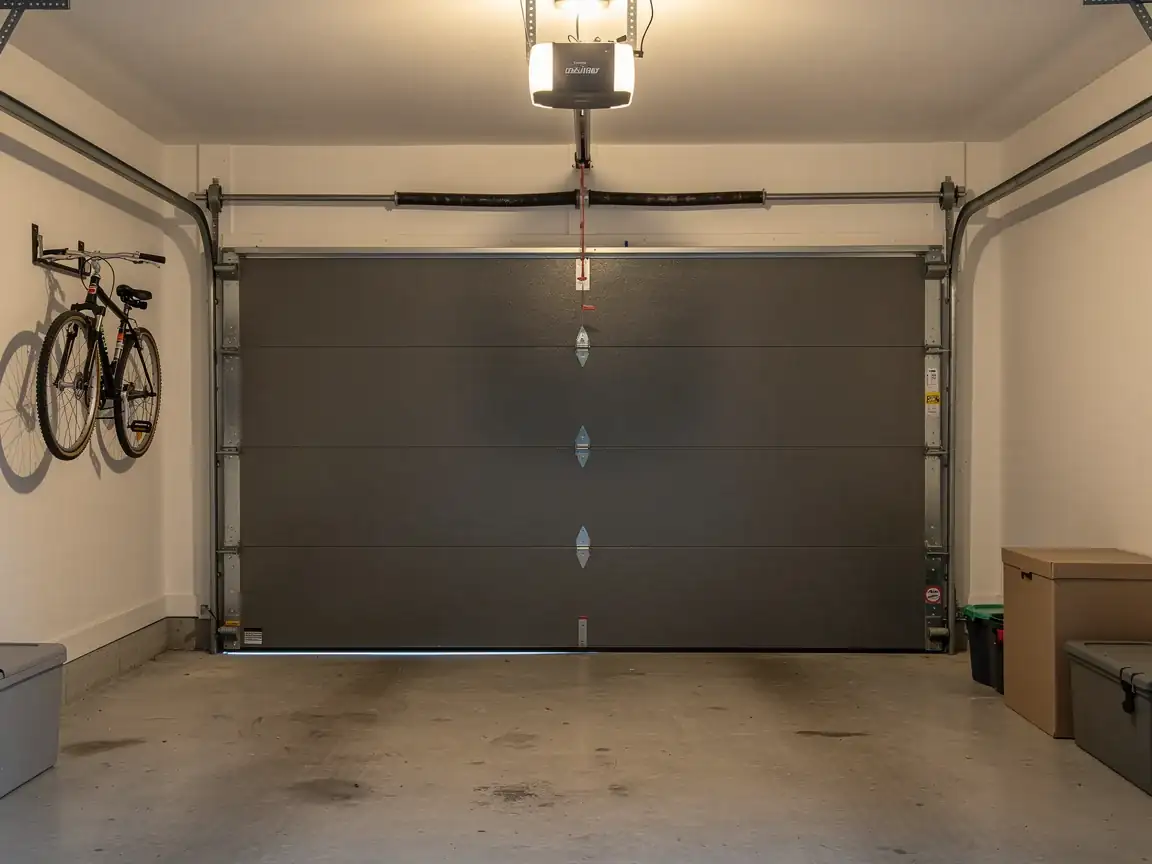
On Sun Lakes calls, the jobs skew toward spring replacement on original torsion systems, chain-drive opener repair or full swap when the control board finally gives out, and weatherstrip and panel seal replacement where decades of heat exposure have cracked the rubber. We also see a fair number of roller and track jobs - steel rollers on 30-plus-year hardware tend to wear the track grooves unevenly, which shows up as a door that binds or shudders partway through its cycle. Cable fraying is common too, especially on doors that have never had the cables replaced since installation. What we don't recommend, as a rule, is sinking money into patching an opener logic board from this era when a straightforward new unit costs about the same and comes with current safety sensors. That's a judgment call we make job by job, not a blanket policy, and we'll tell you plainly when a repair isn't worth it.