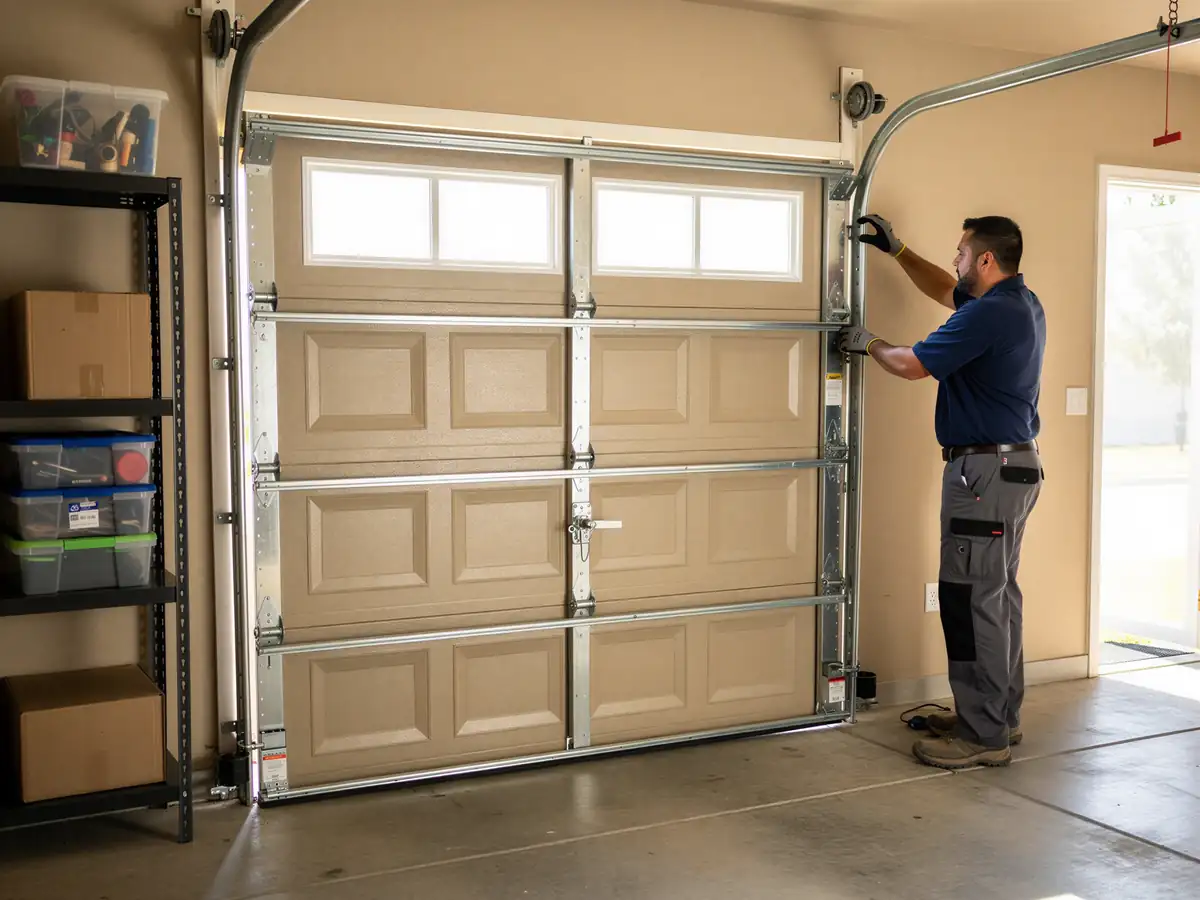
What Causes It Around Here
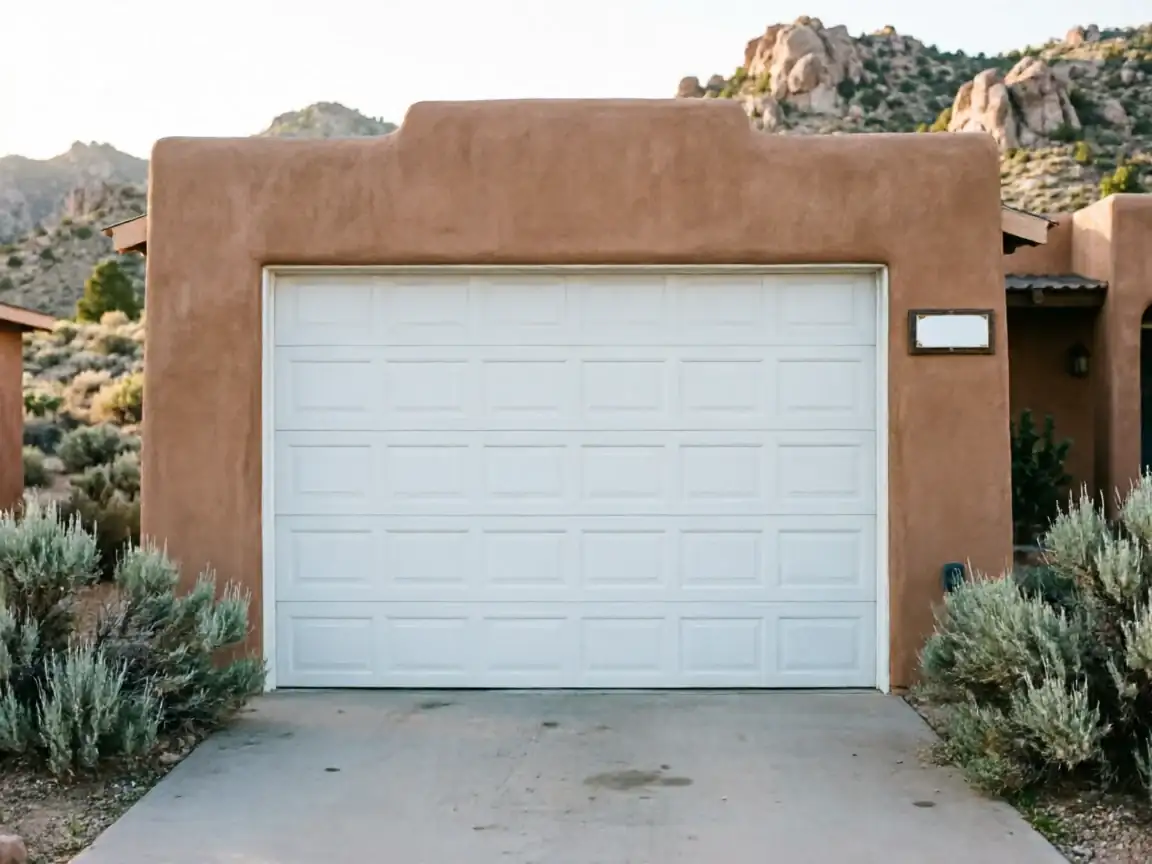
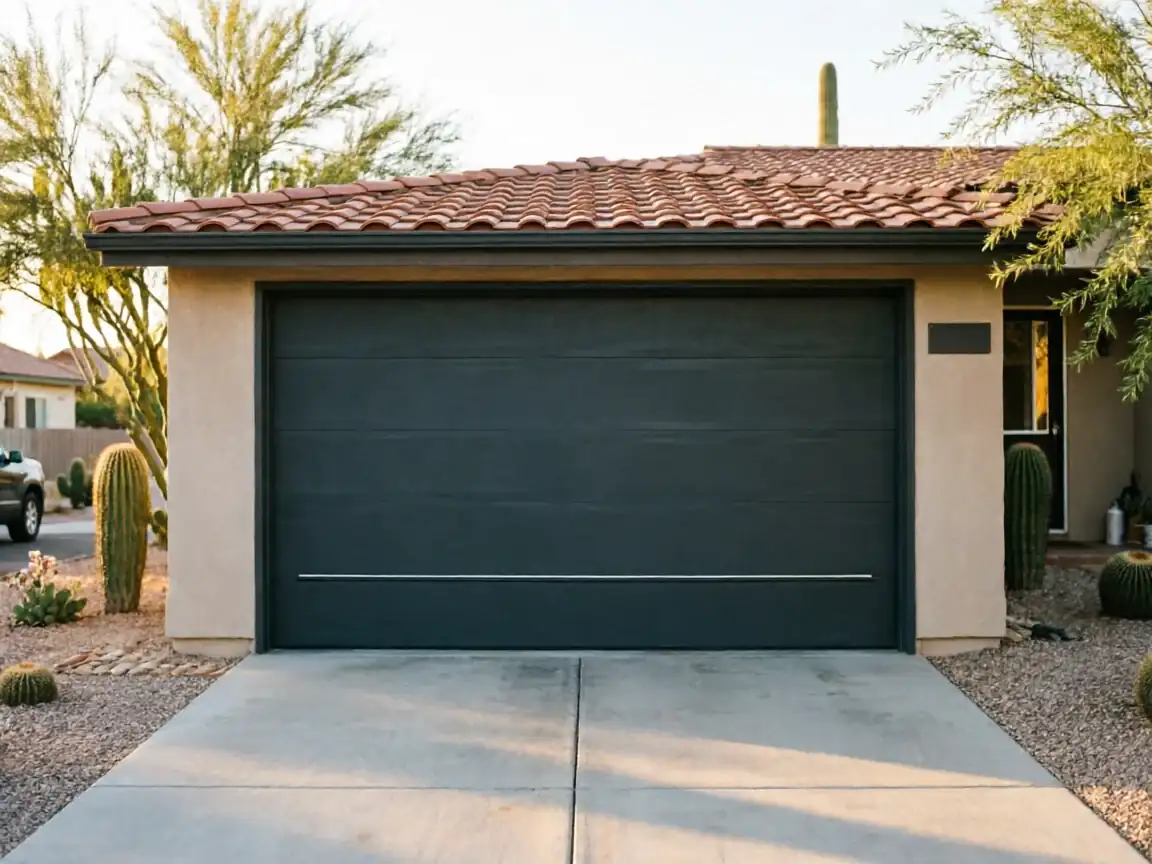
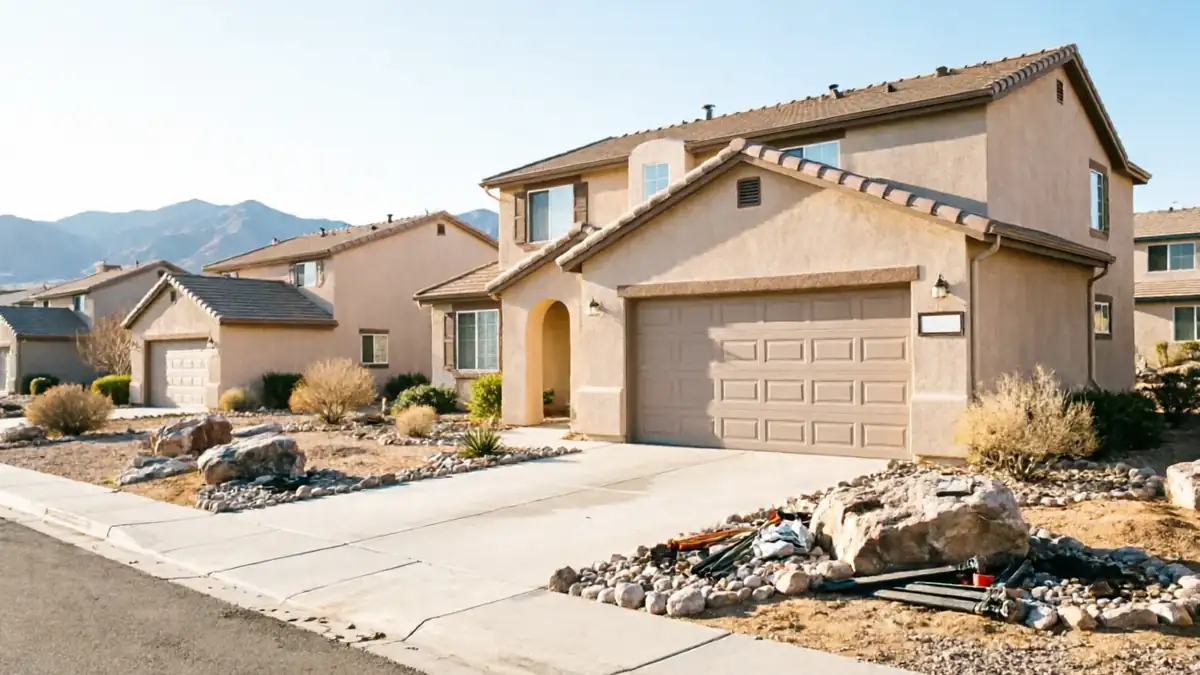
Most of Queen Creek went up between 1990 and 2004, with a median build year around 1997. That means a huge share of the doors we get called on are the original builder-grade unit that came with the house: steel sections, basic rollers, a torsion spring sized to a price point rather than to twenty-plus years of Arizona summers. Across the older pockets nearby - the 1980s and 90s stock you still find scattered through the area - the doors are even further past their design life.
Heat is the other half of it. Queen Creek sits in a severe-heat climate band, and that matters more for a garage door than people expect. Steel panels expand and contract every day, nylon rollers and plastic idler bearings get brittle from UV and heat cycling faster than they would in a milder climate, and spring steel fatigues quicker when it's running hot for months at a time. A door that would last 25 years in a cooler region is often showing real wear here by year 15 to 18. If your house was built in that late-90s wave, you're coming up on - or past - the point where installing a new door makes more sense than patching the old one.
The Symptom
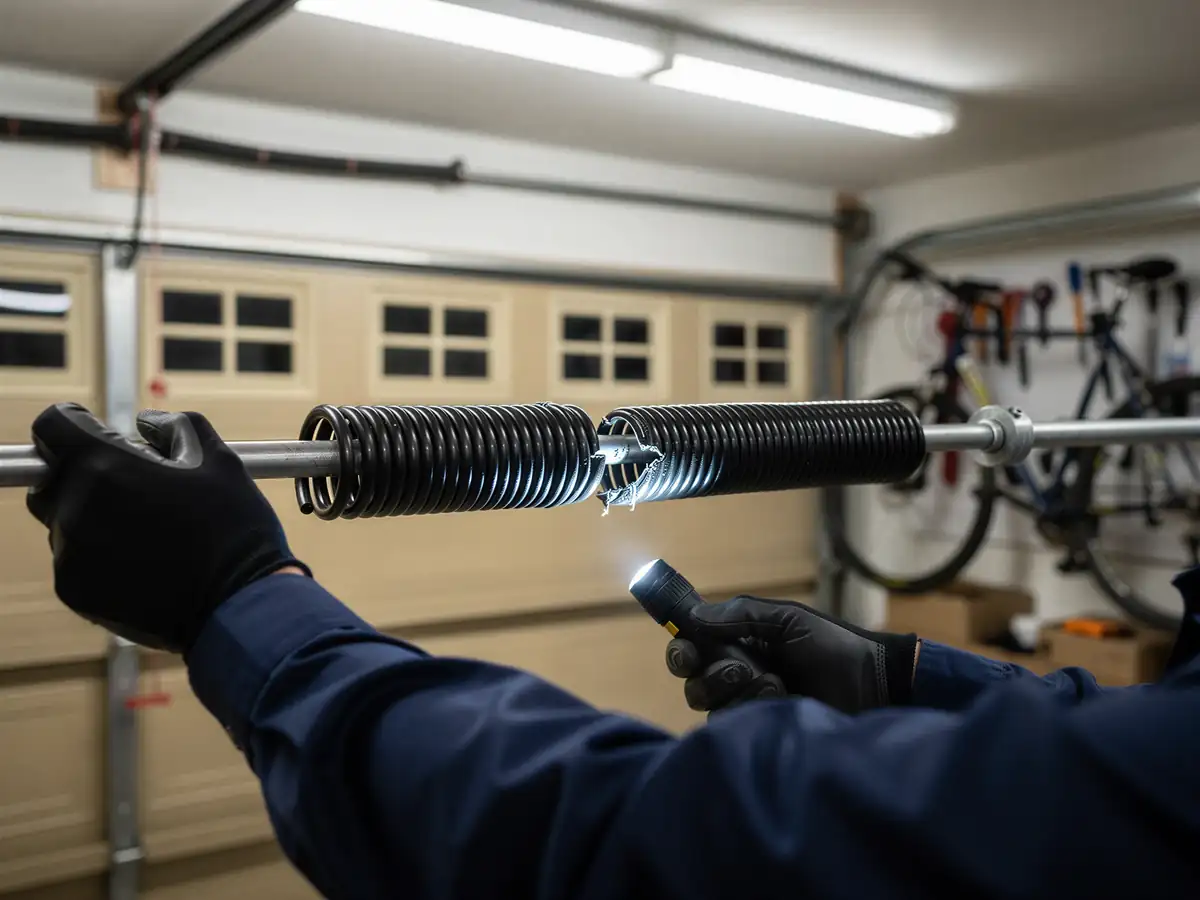
The most common call we get from Queen Creek homeowners is a door that's gone noticeably heavier to lift by hand
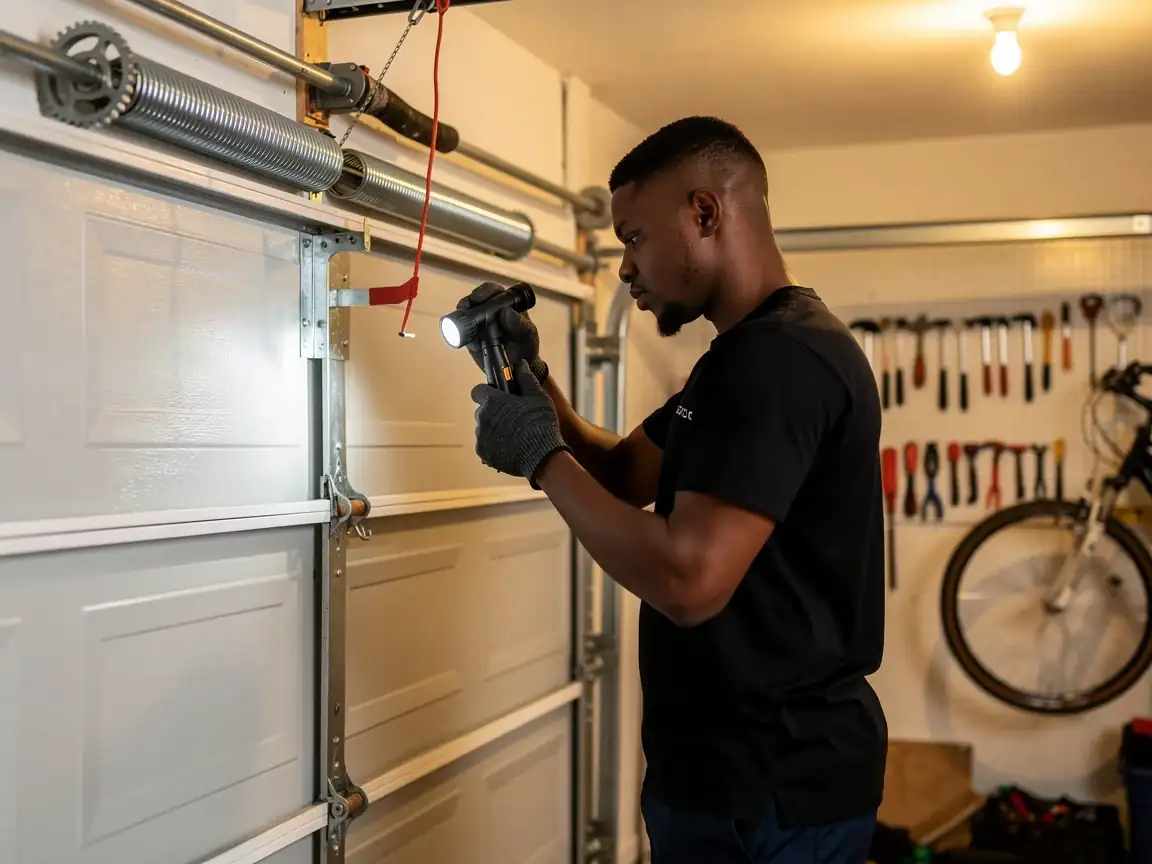
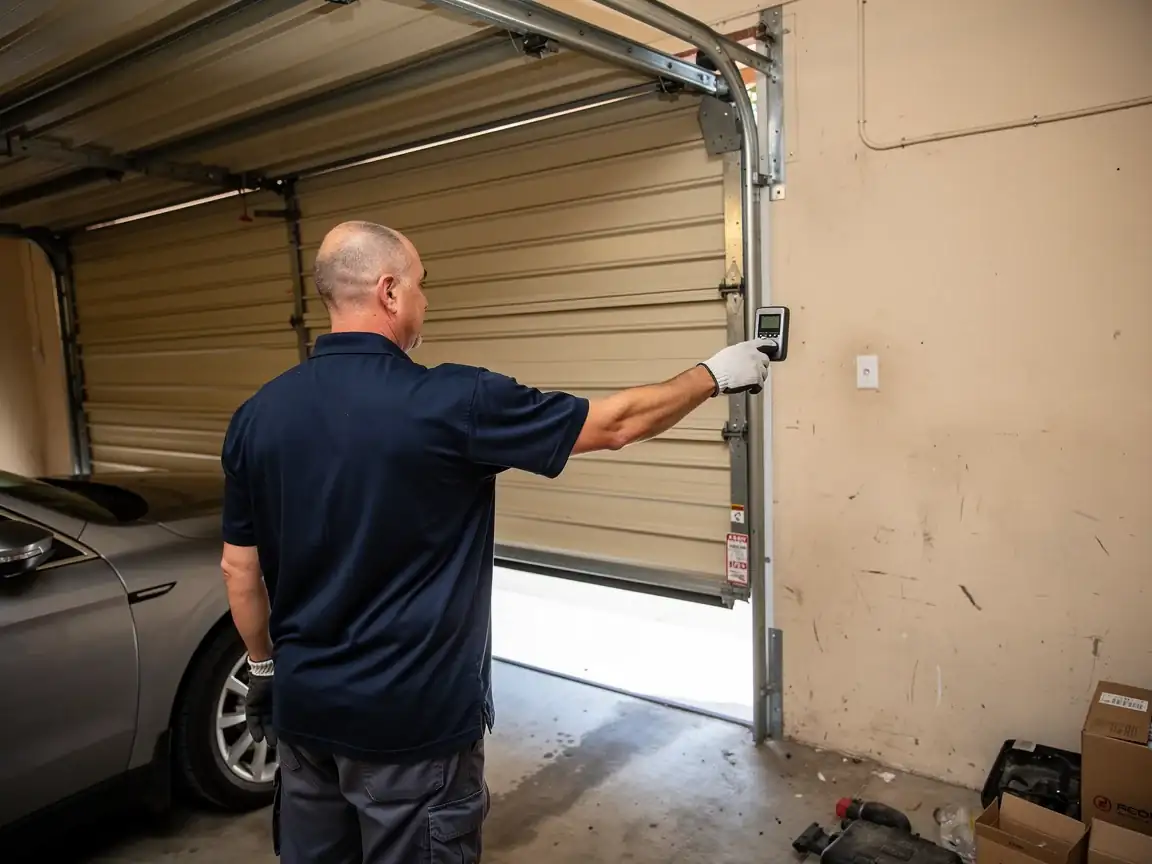
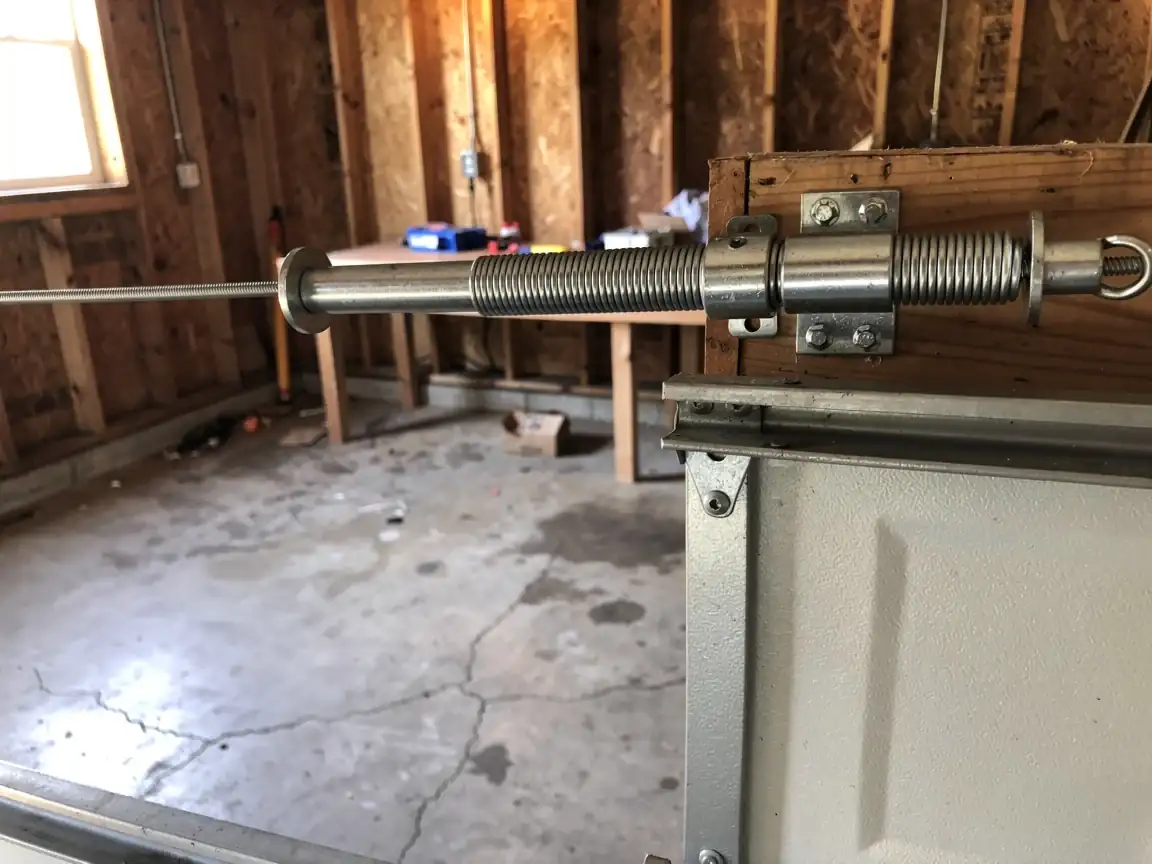
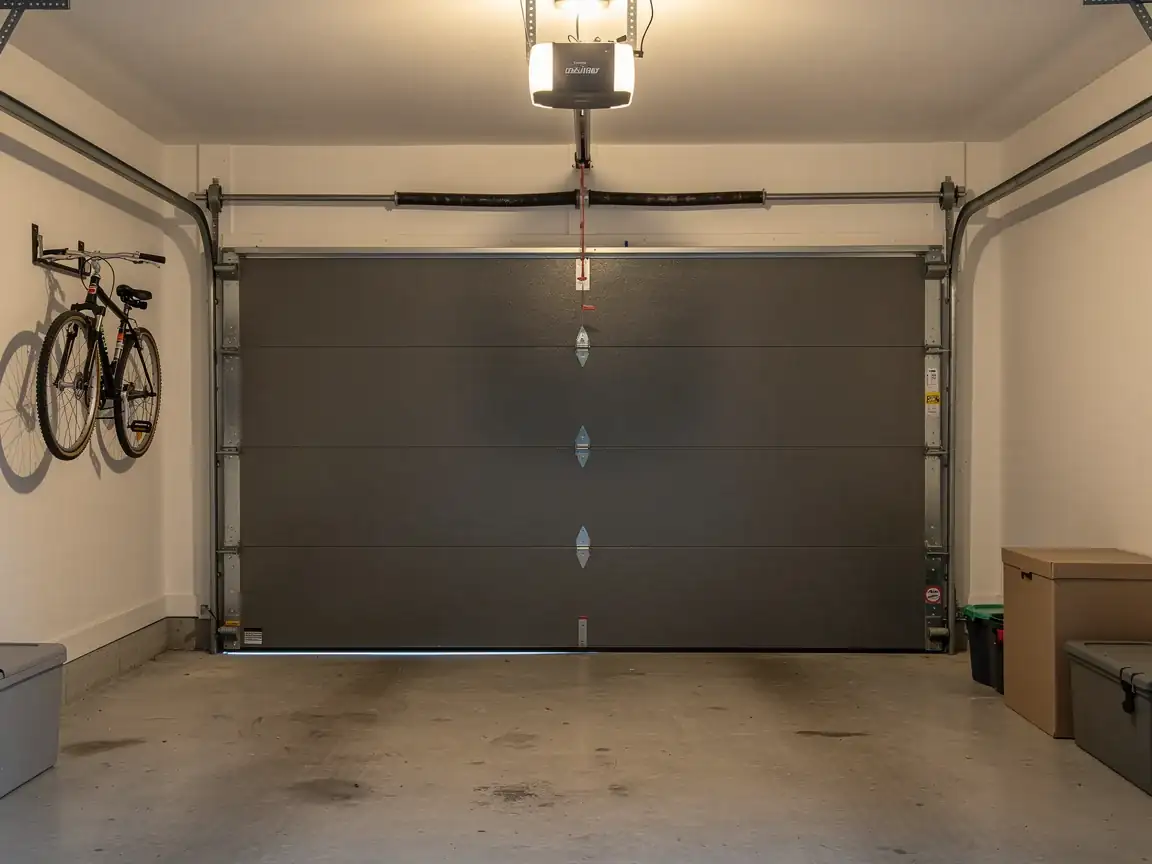
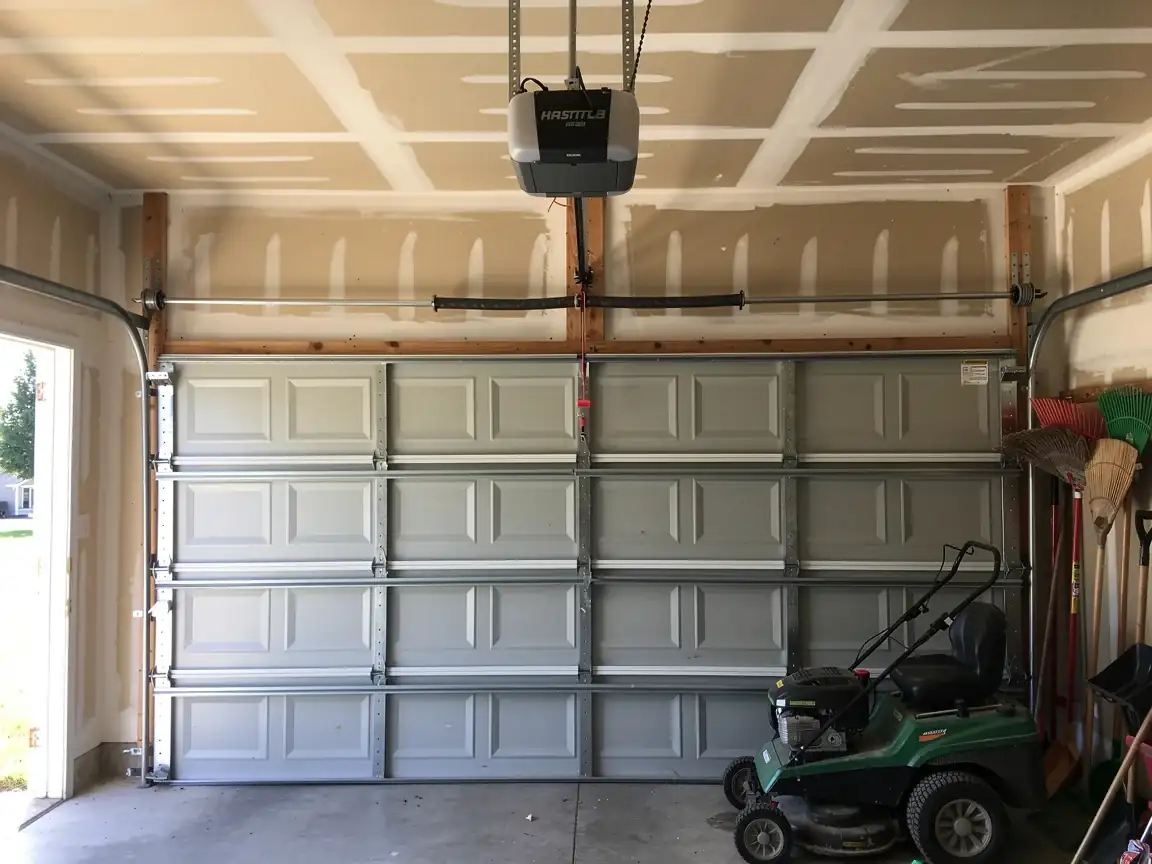
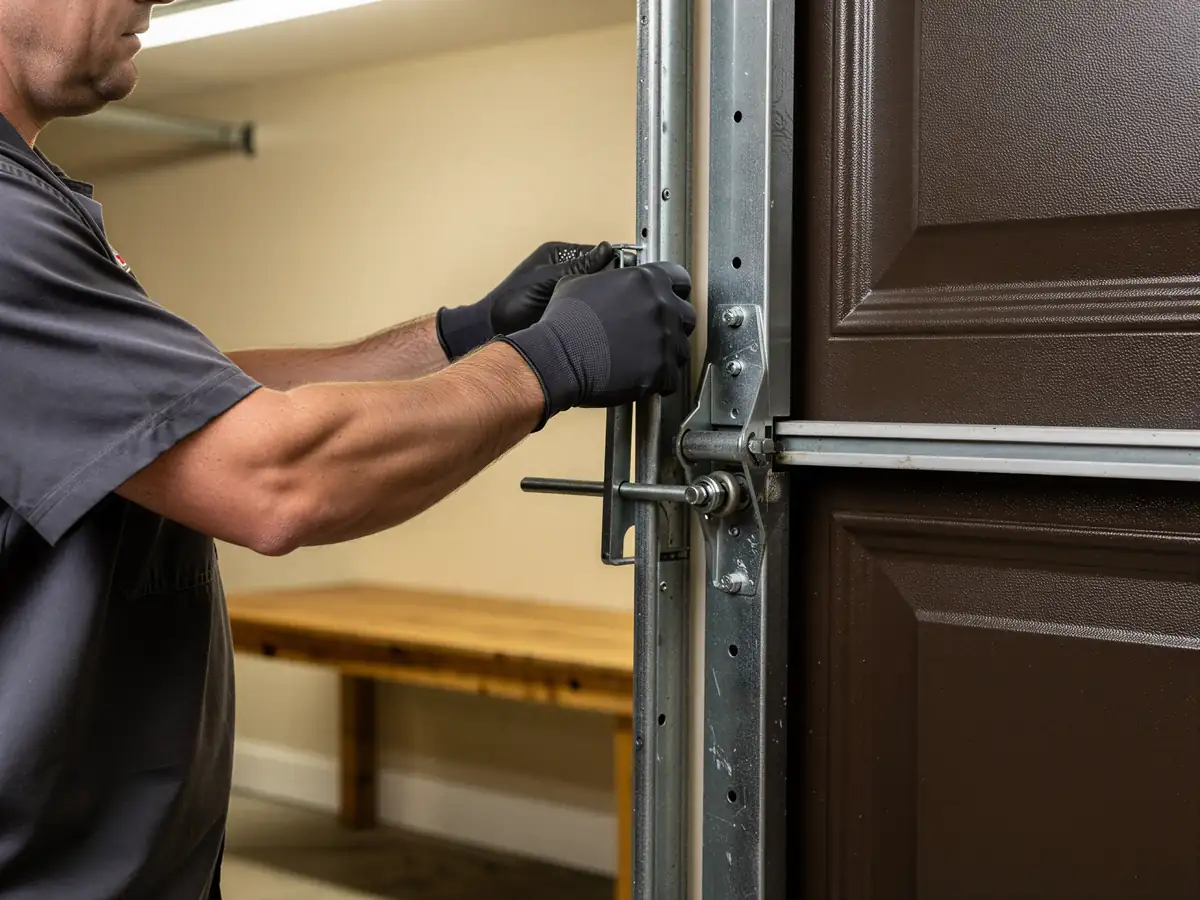
Or an opener that's started straining, reversing, or grinding partway through the cycle. That's usually the spring giving up, not the opener - the motor is just trying to do a job the spring used to help with. On the original builder-grade doors common in homes from the 1990-2004 build wave, this tends to show up as cracked or flat-spotted rollers, a track that's slightly bowed from years of heat expansion, or a bottom panel that's warped enough to let daylight through at the corners.
Sometimes it's simpler: the door just looks tired
Sun-faded panels, a finish that's chalking, weatherstripping that's turned brittle and cracked instead of flexible. None of that is cosmetic only - a bad seal at the bottom means more heat and dust getting into the garage, which matters when the garage shares a wall with living space, as it does in a lot of these floor plans. When the door is original to a house built in the late 90s, replacement almost always comes up as an option in that first visit, not as an upsell.
The Cost of This Job
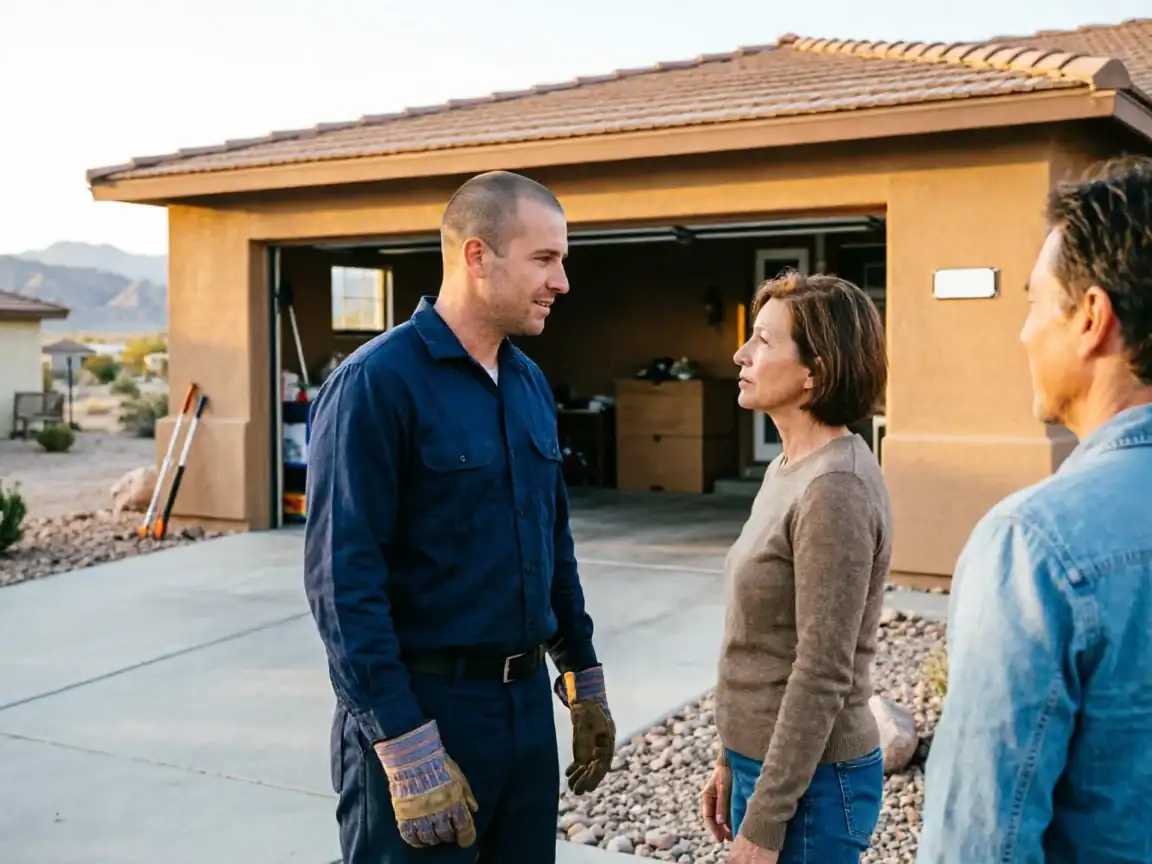
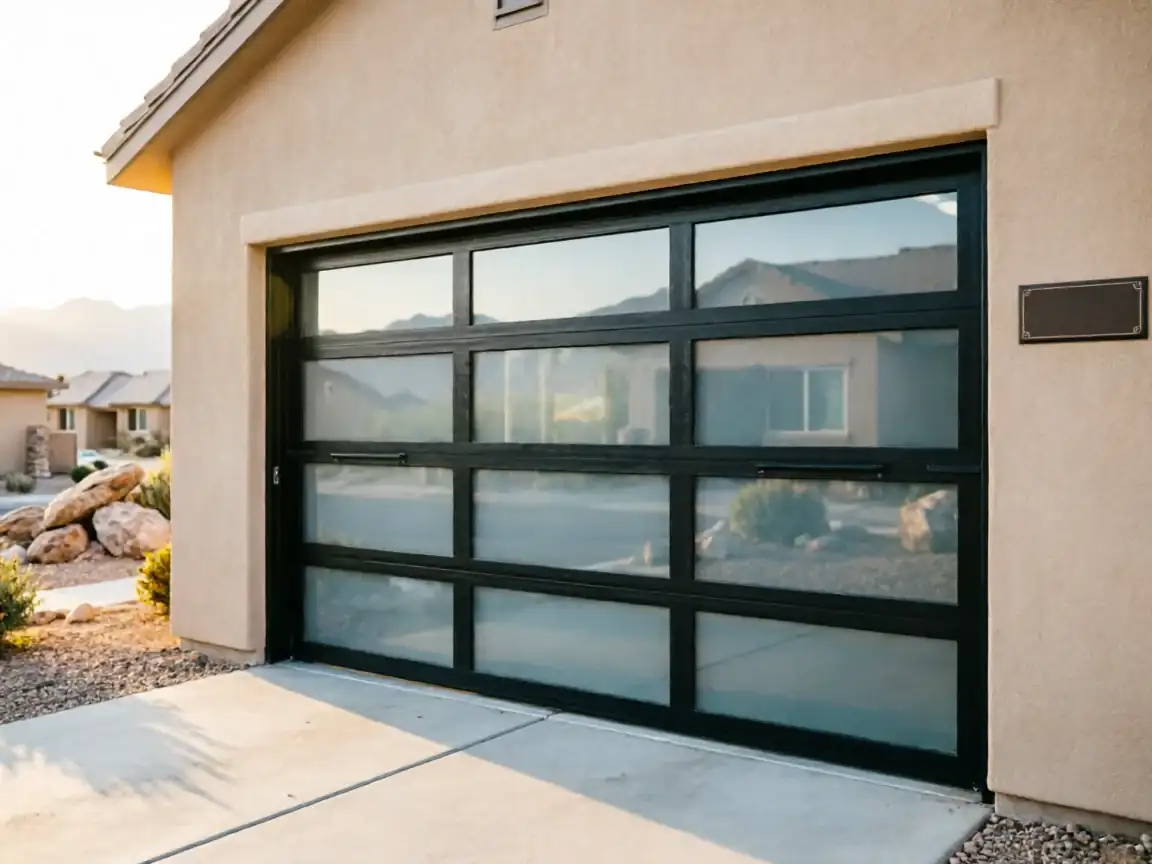
We can't quote a number here without seeing the door - section count, insulation level, window options, and whether you're keeping the existing opener all move the price. What we can tell you is what drives the decision between repair and replacement for houses in this area: if the door is original to a home built in the 1990-2004 window, a spring or roller job is a short-term fix on hardware that's already near the end of what severe heat allows. We'll always tell you straight whether a repair is worth doing or whether you're better off putting that money toward a new door instead.
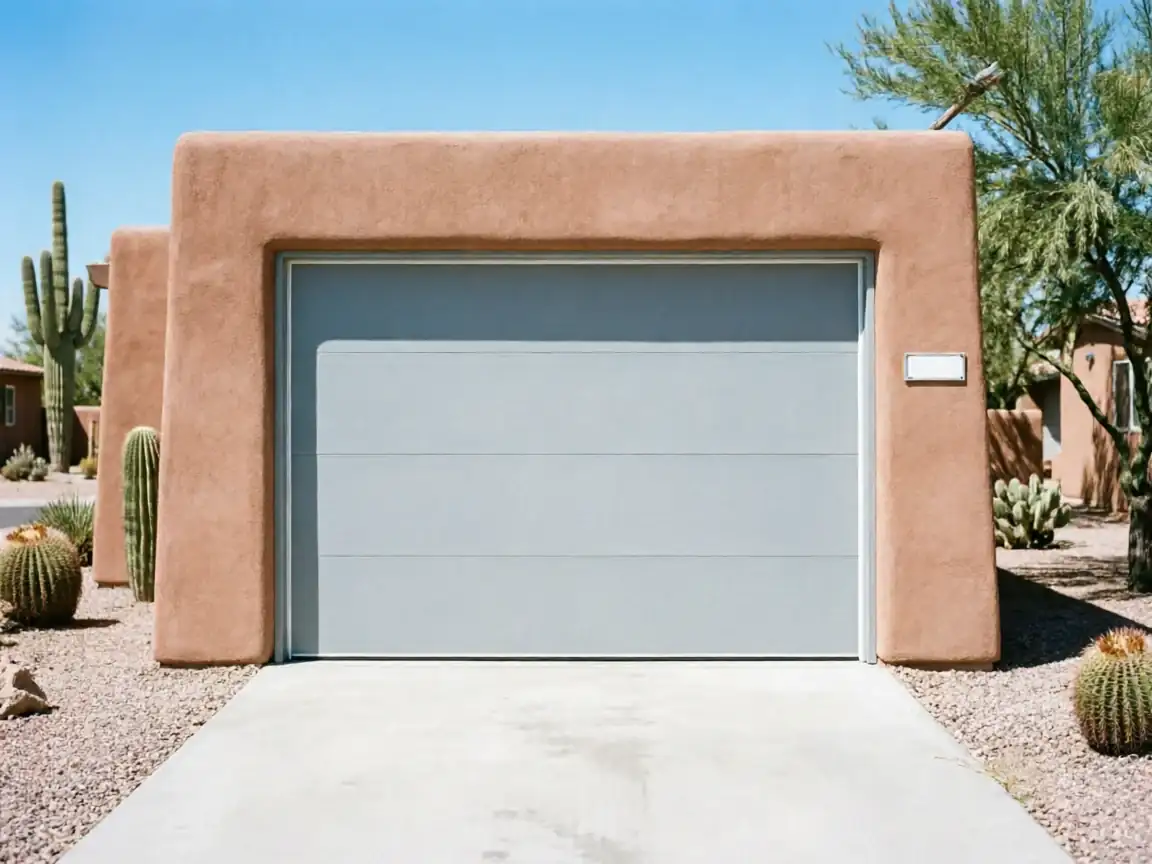
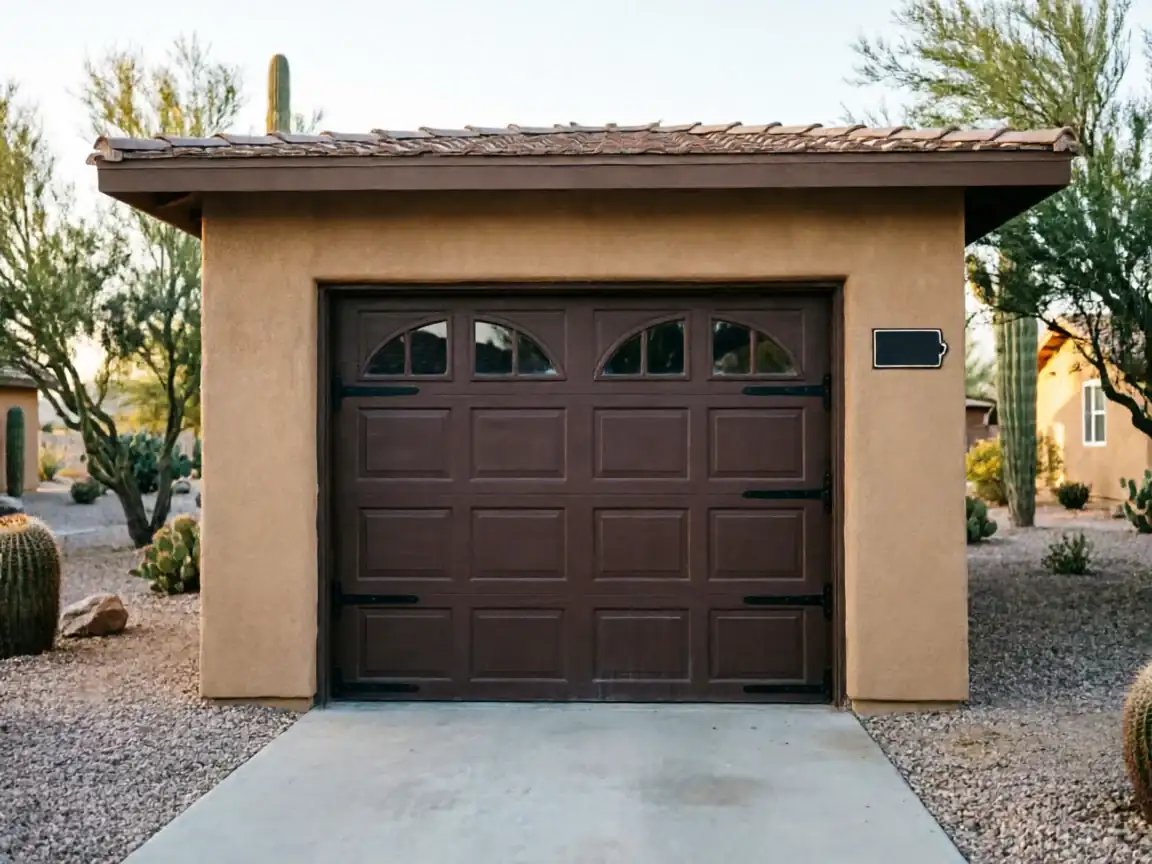
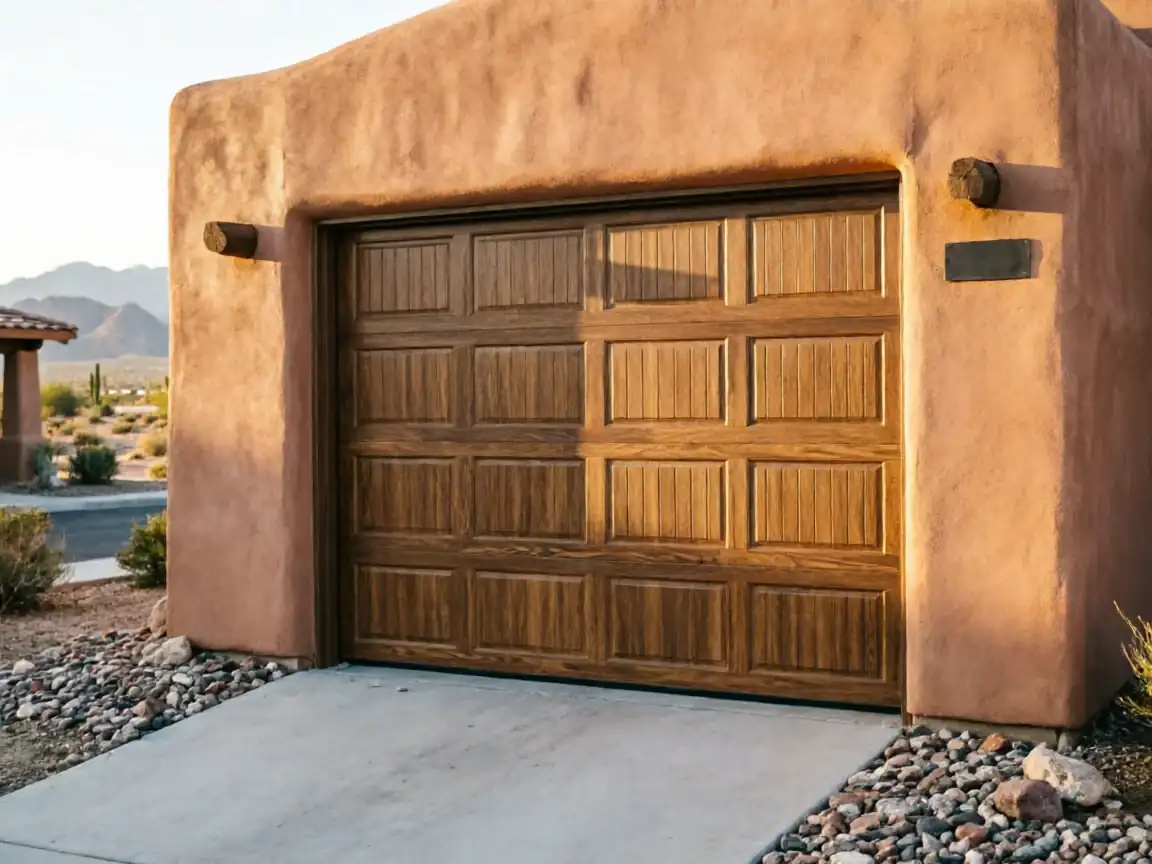
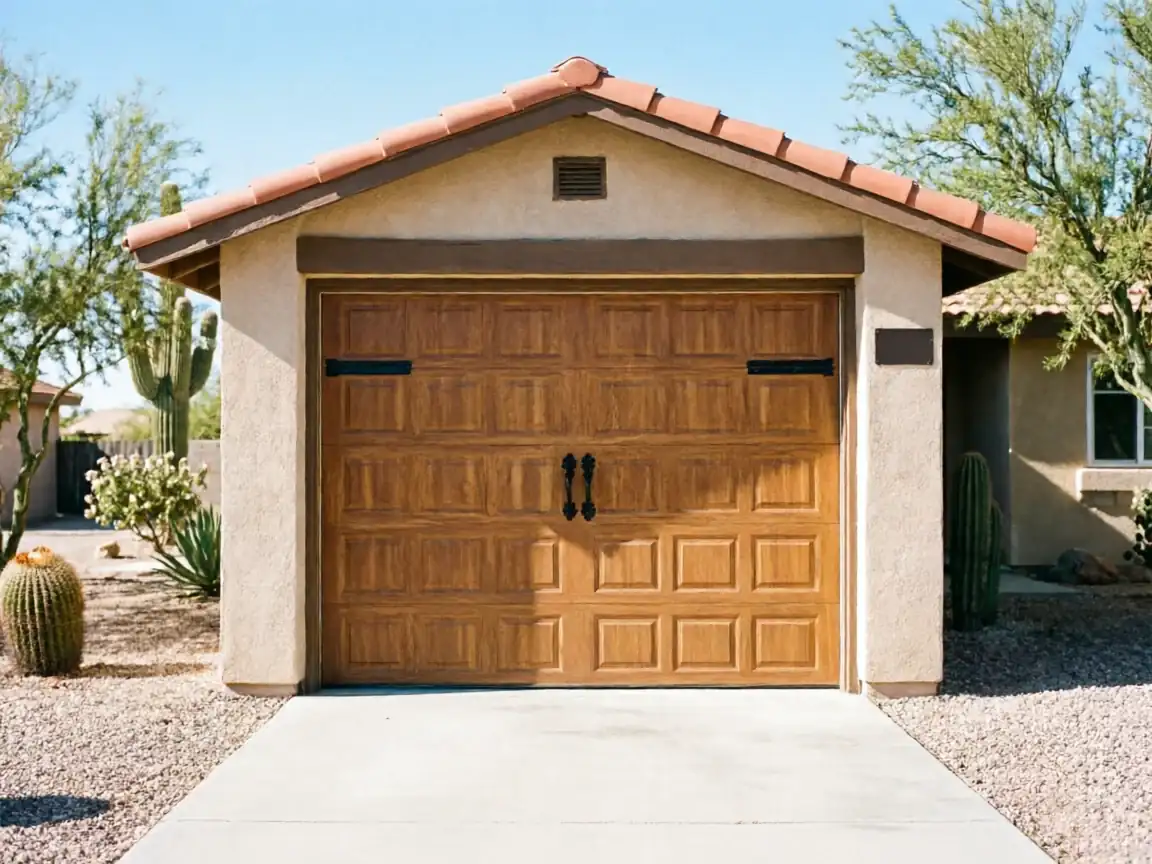
One honest limitation: we don't install custom architectural doors as a stock item - if you want a specialty wood-look carriage door in a non-standard size, expect a longer lead time while that gets special-ordered, same as it would from anyone doing this work. Standard steel and insulated steel doors sized for the common openings in this area are what we keep in stock and can turn around fastest.
What Is on the Truck
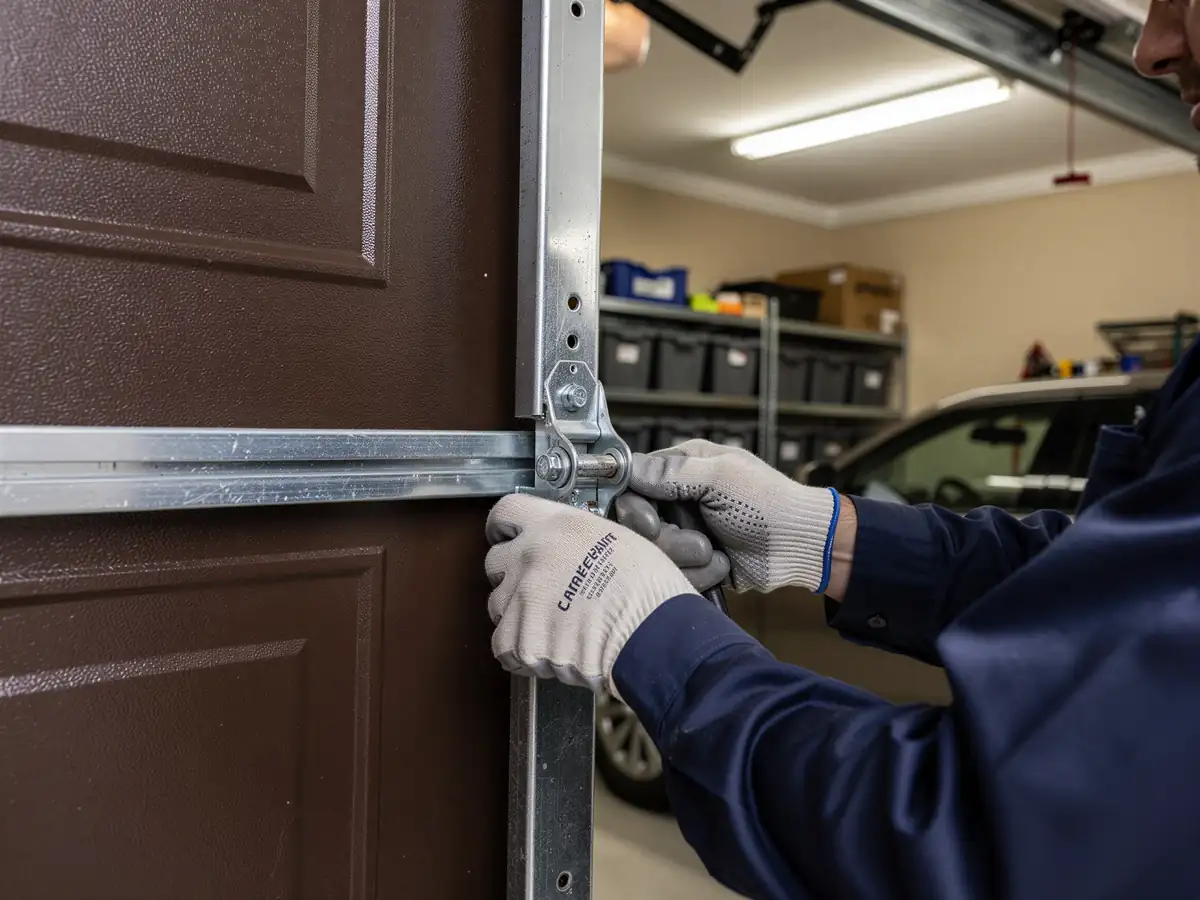
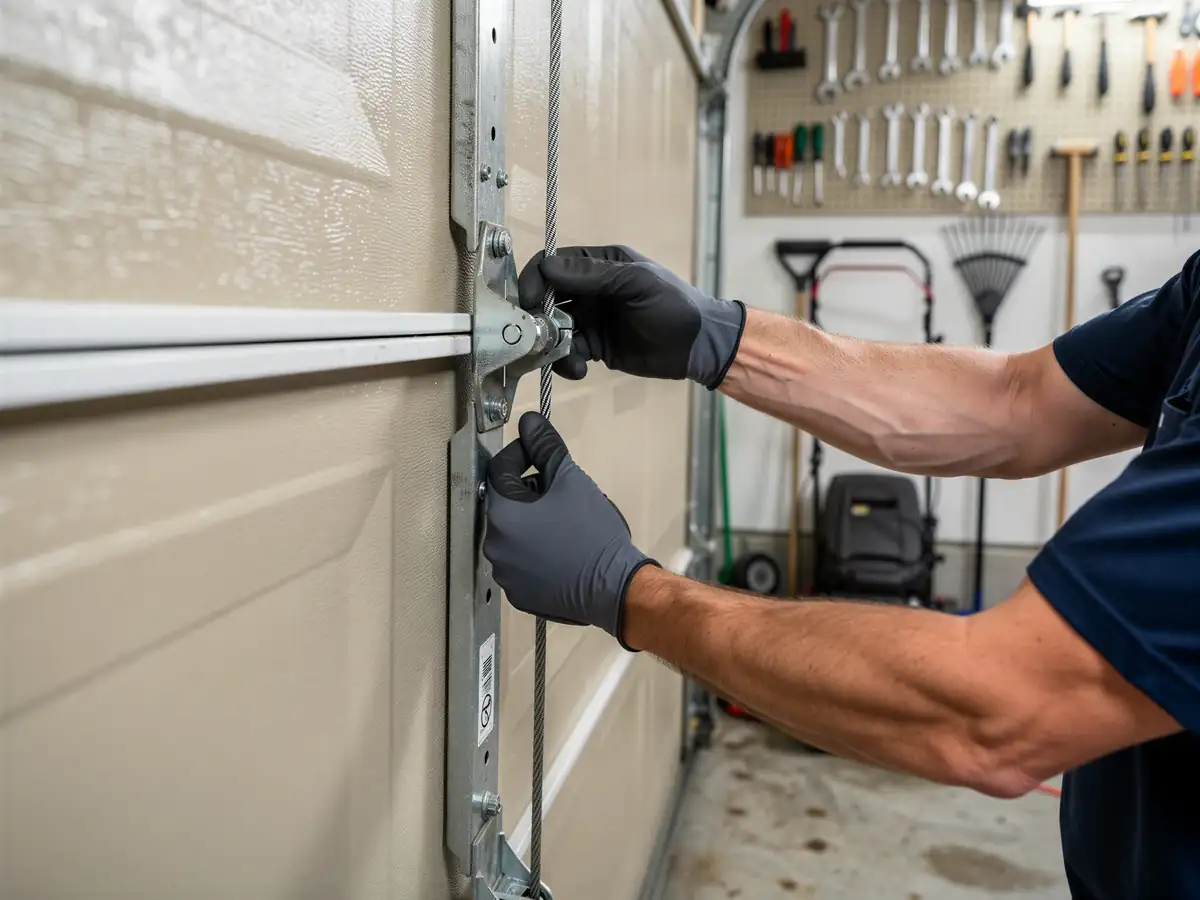
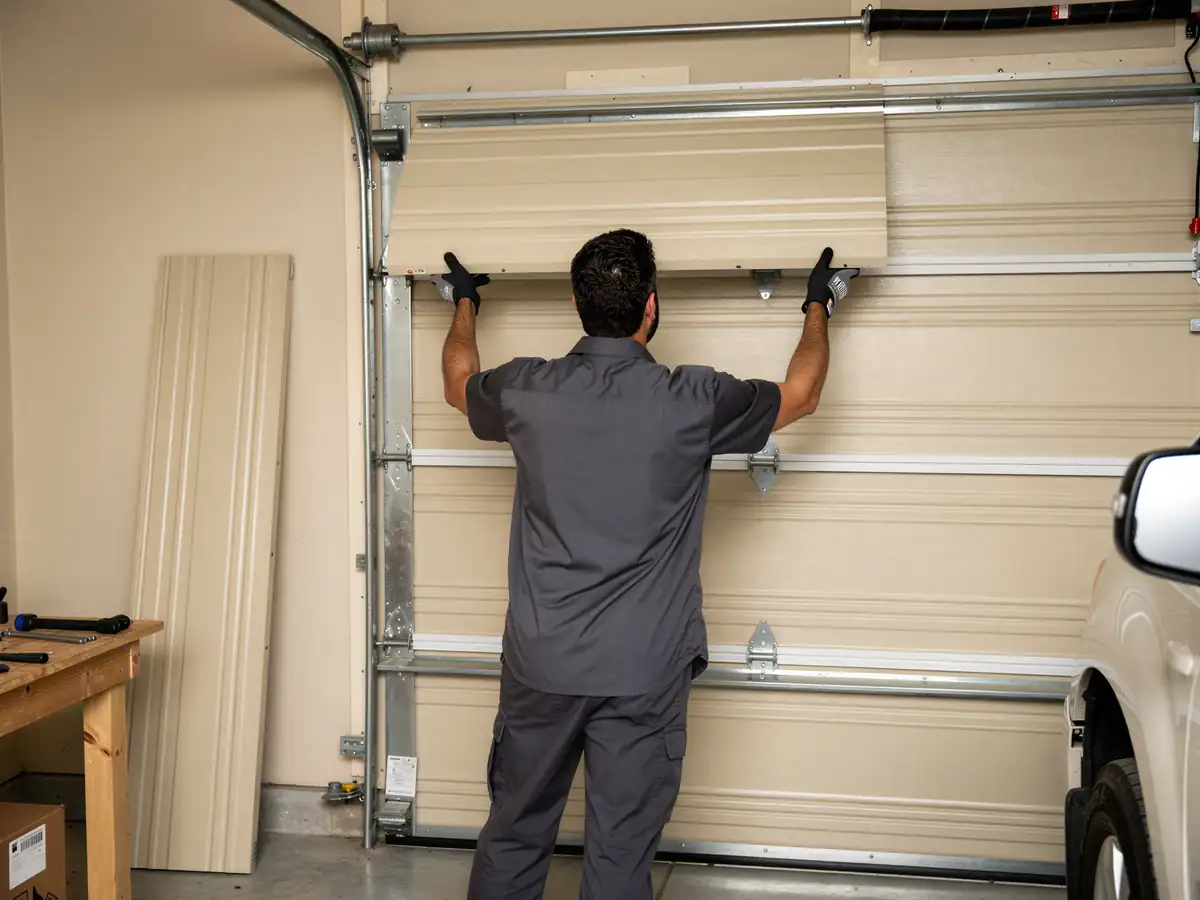
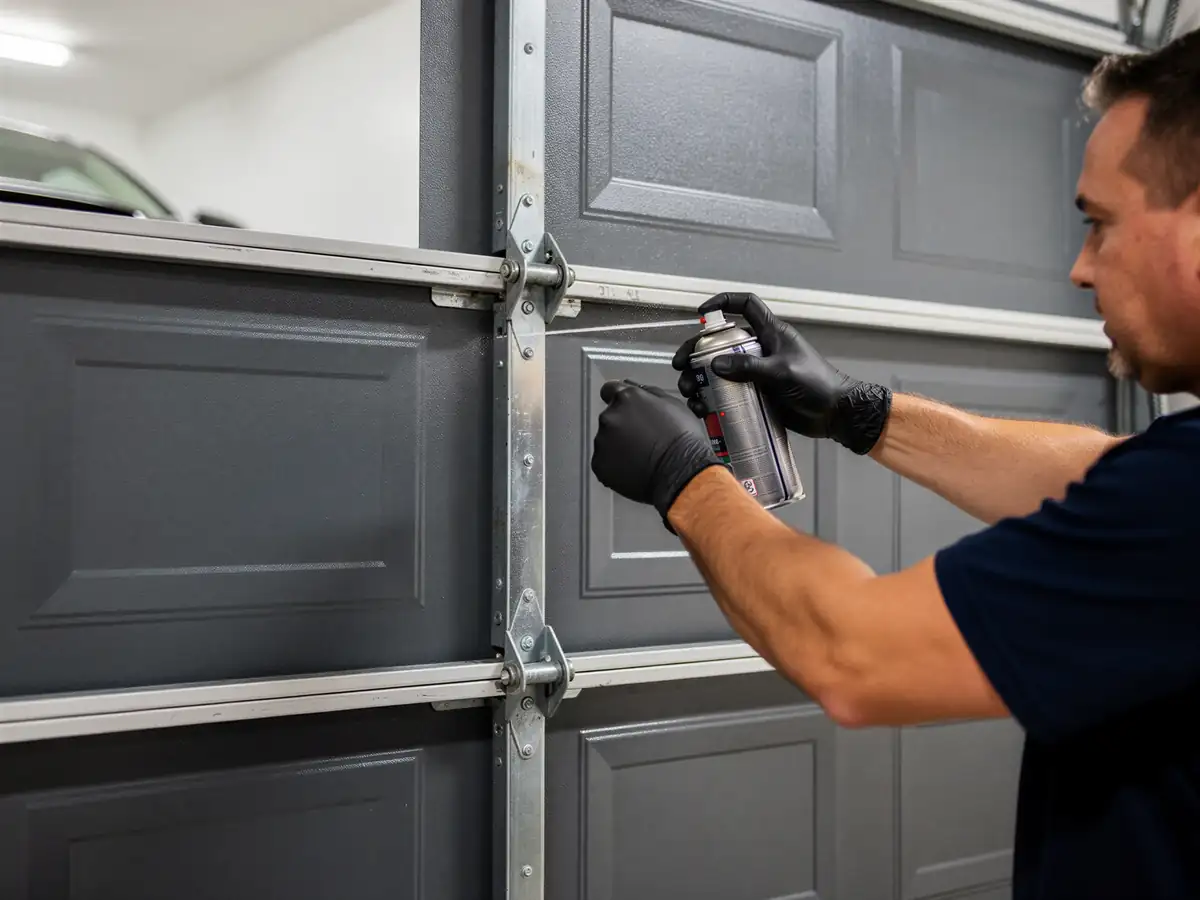
For installation work in Queen Creek, the truck carries insulated steel doors in the section counts and widths that match the common floor plans built across the area's 1990-2004 housing wave, along with the heavier-duty torsion springs we spec for severe-heat service rather than the lighter springs that came standard from the builder. We carry sealed, heat-rated roller and bearing assemblies instead of the basic nylon rollers most of these doors shipped with originally - they hold up longer once summer temperatures start cycling the steel and the hardware every day.
We also stock weatherstripping rated for UV and heat exposure, since the stock seal on a door from this era is usually the first thing to crack and fail. If your opener is still the original unit from the same build period, we carry compatible replacements on the truck too, so a door swap doesn't turn into a second visit waiting on a part. What we don't carry as stock inventory are oversized or custom-width doors outside the common residential sizes - those get special-ordered, and we'll tell you that up front before any work starts.