What Causes It Around Here
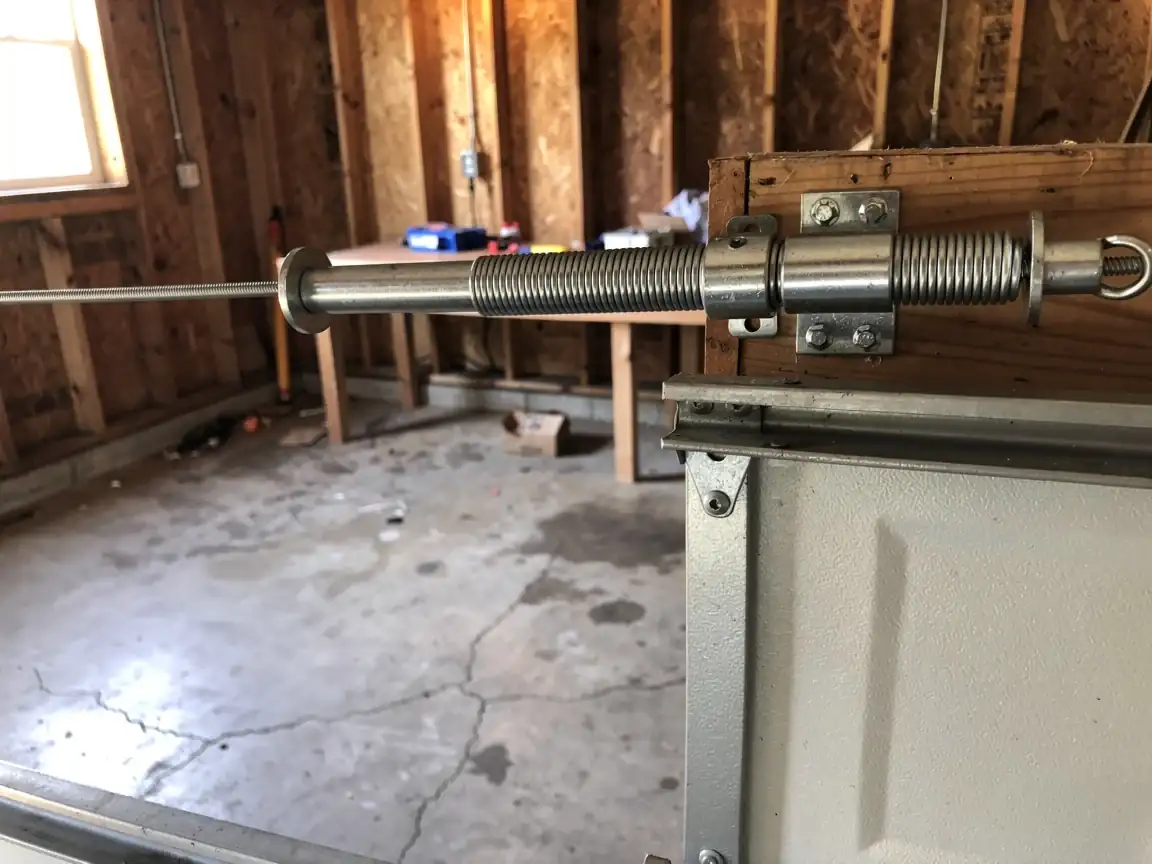
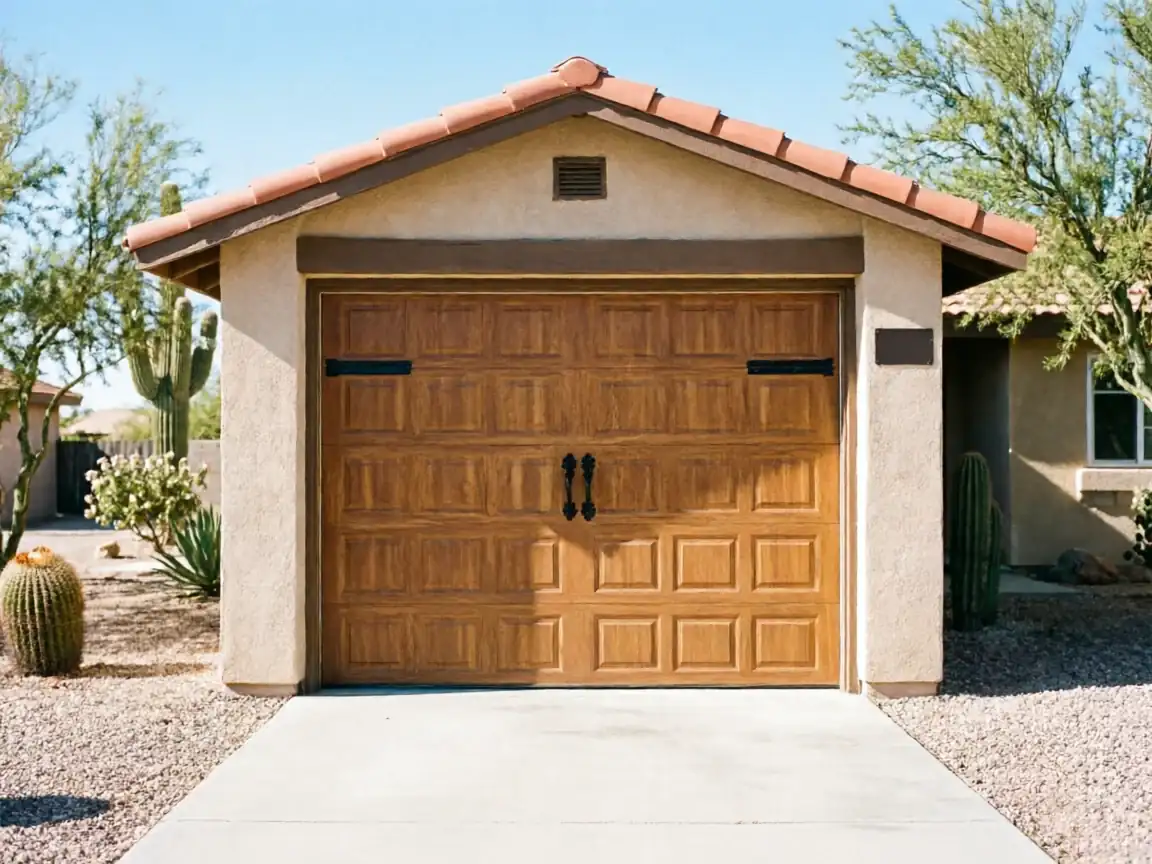
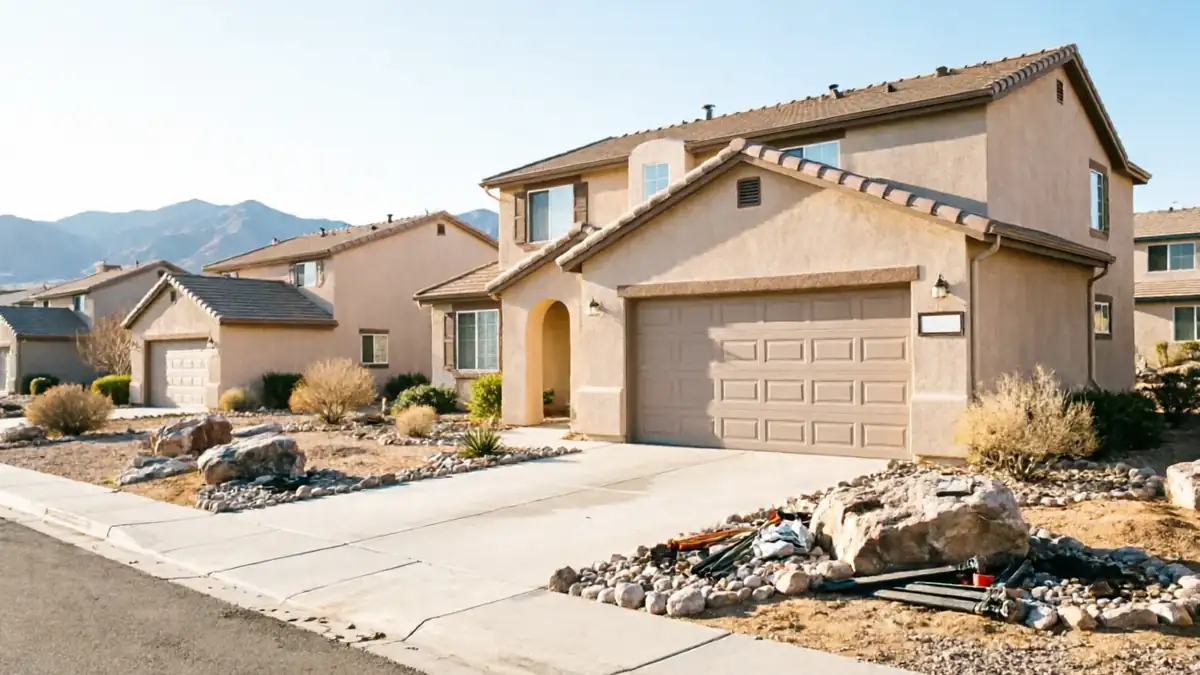
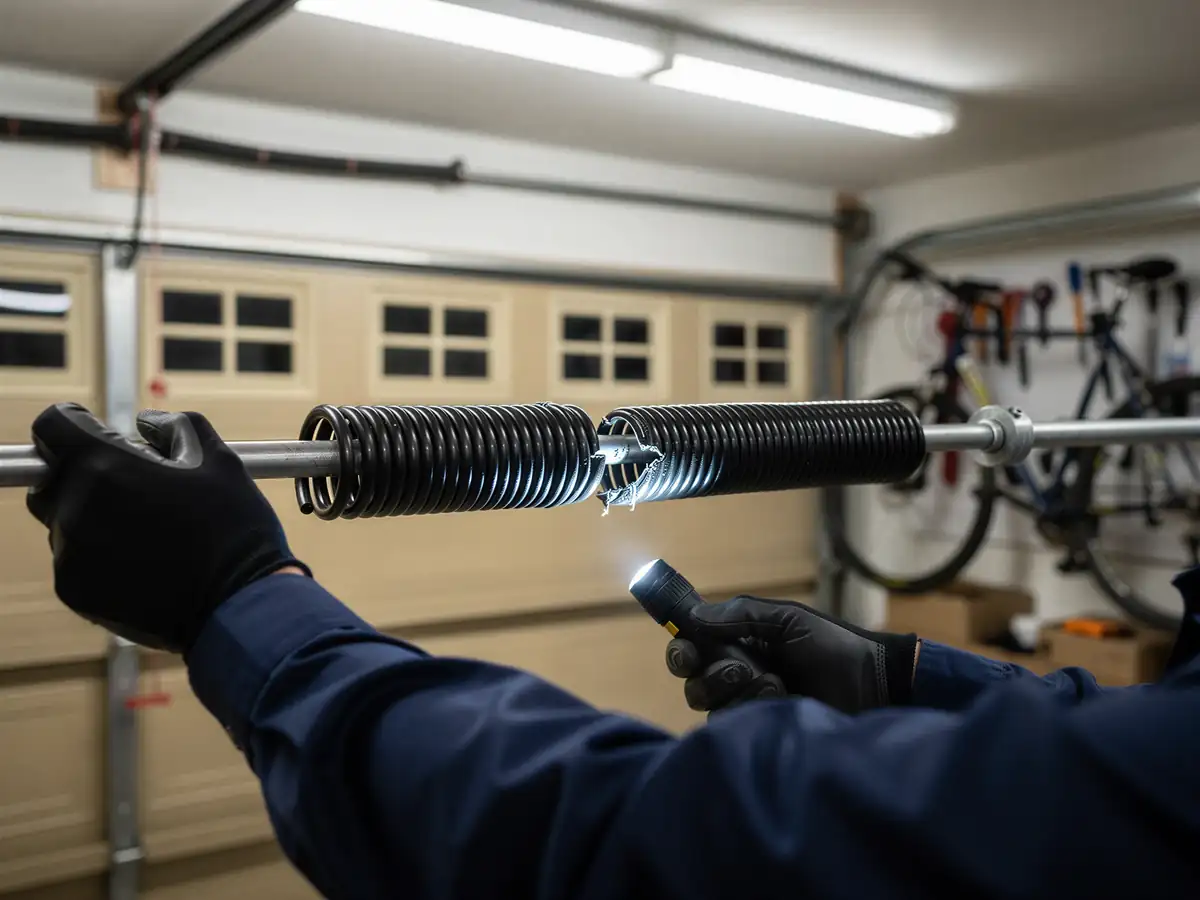
Most of Queen Creek went up between 1990 and 2004, with a median build year of 1997. That matters because a standard torsion spring is rated for somewhere around 10,000 open-close cycles, and a garage door used a few times a day for twenty-five-plus years lands right in that failure window. Four of the older pockets of town still carry that same 1980s-to-90s stock, so a lot of houses are hitting the same wear point at roughly the same time.
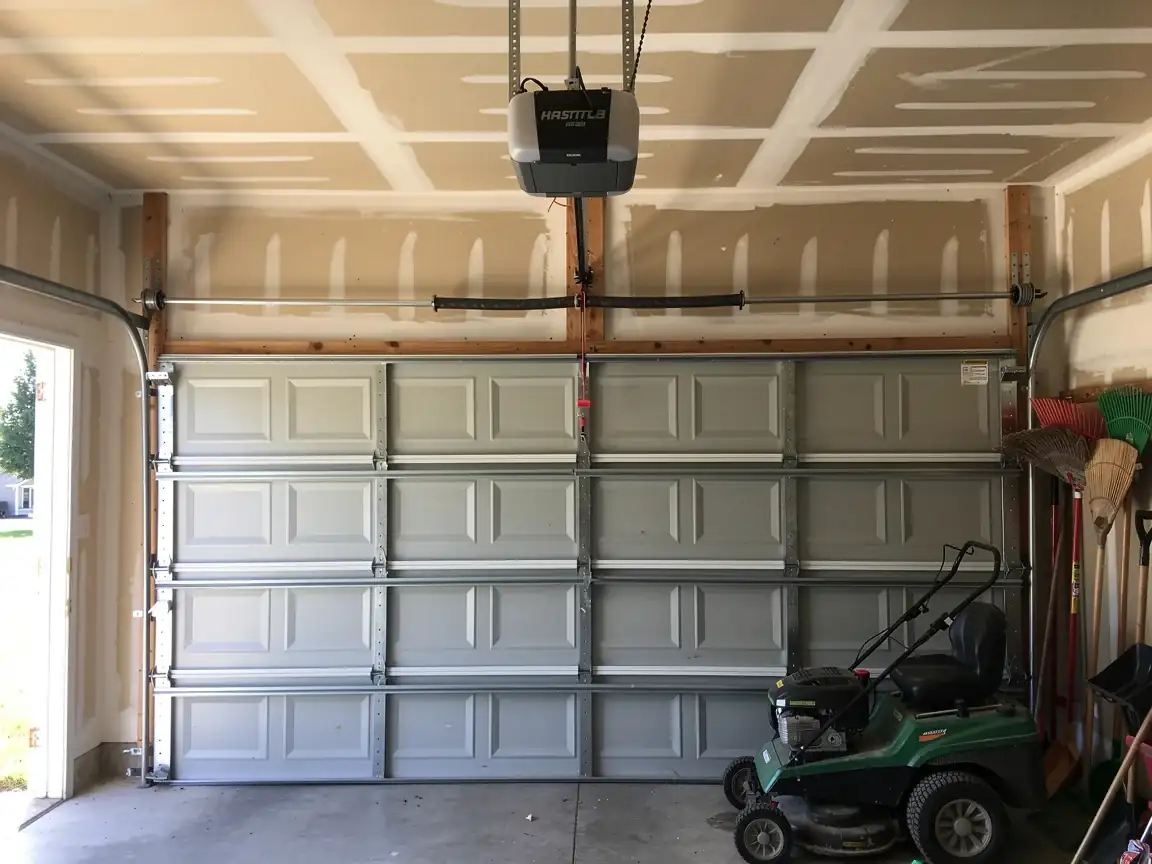
Heat does the rest of the damage. Queen Creek sits in a severe-heat climate band, and summer temperatures break down the lubricant inside torsion springs faster than it would in a milder climate, which lets the coils rub and fatigue instead of flexing clean. It also warps the nylon ring gear inside openers from that era - a part that was common in builder-grade units installed through the 90s and early 2000s. We see that gear strip out from heat cycling more than from any one dramatic event.
So it's not bad luck when a spring snaps on a Tuesday afternoon in August. It's a 25-to-30-year-old steel spring, baked all summer, finally giving out. The houses near newer construction don't see this as often yet - they just haven't hit that age.
The Symptom
The most common version
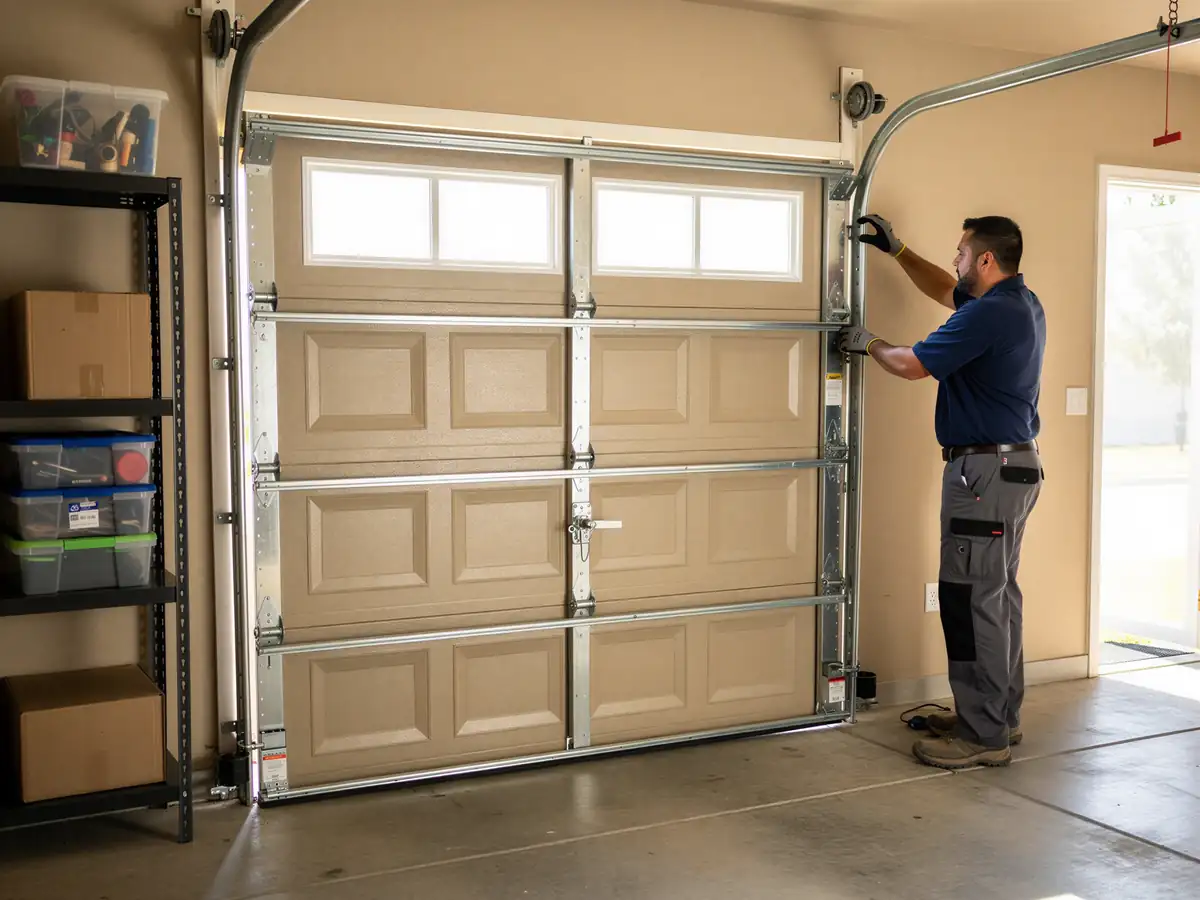
You hit the opener button and the door doesn't move, or it moves an inch and stops with a hum from the motor. That's usually a broken torsion spring - the opener isn't weak, it's trying to lift the full weight of the door with no spring assist, and it can't.
A loud bang from the garage, often described as a gunshot, is the spring itself letting go
If you hear that and the door still won't open afterward, don't force it with the opener or by hand - a door with a broken spring is heavier than it looks and the cables can be under load.
A slower version shows up first
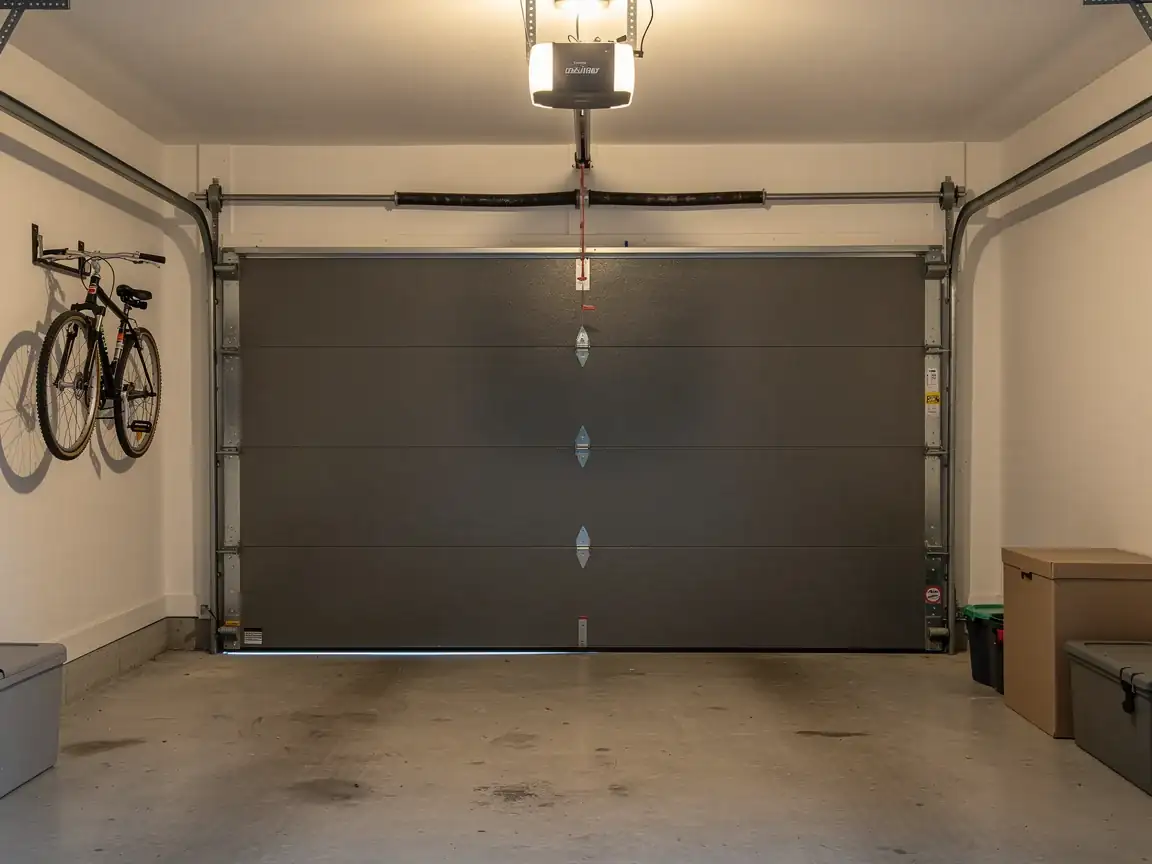
The door closes unevenly, one side dropping faster than the other, or the opener strains and reverses partway through a cycle. That's usually a spring losing tension before it fully breaks, or a worn nylon gear slipping inside the opener housing. Either way, it gets worse, not better, and heat speeds that timeline up rather than slowing it down.
The Cost of This Job
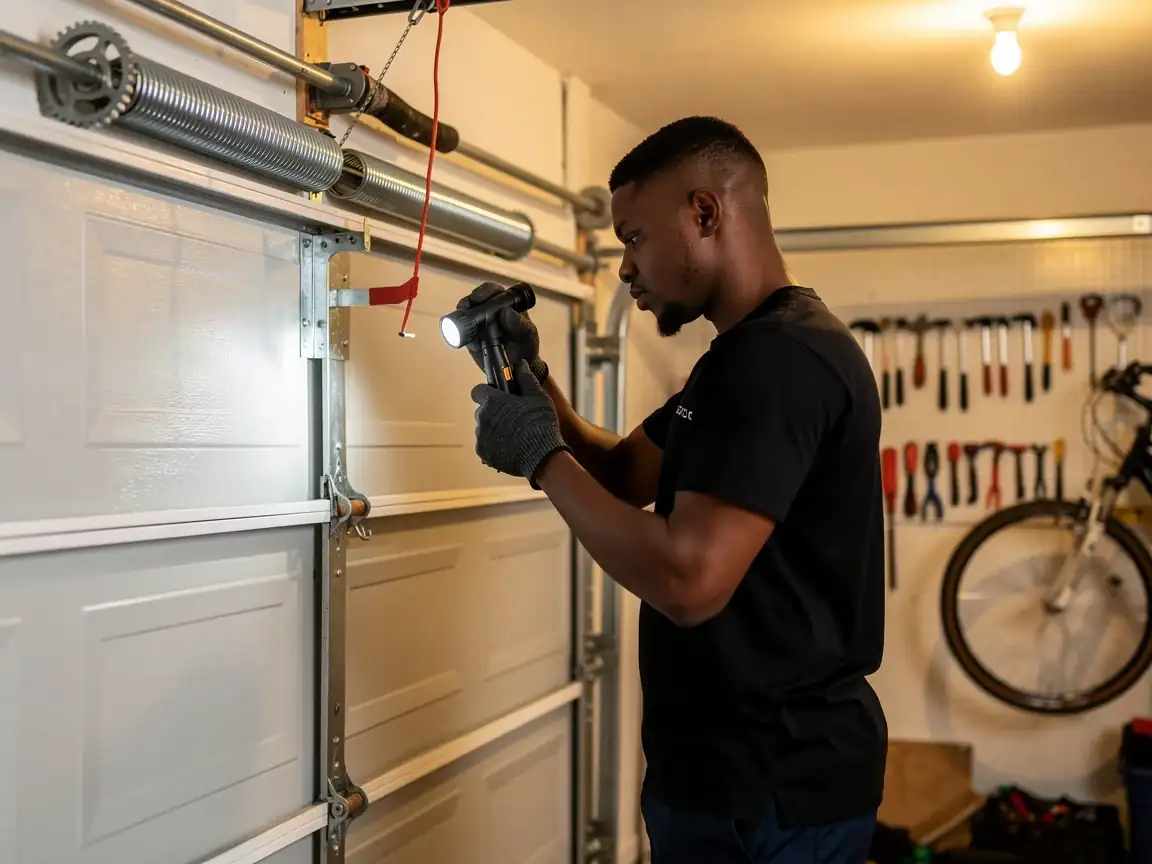
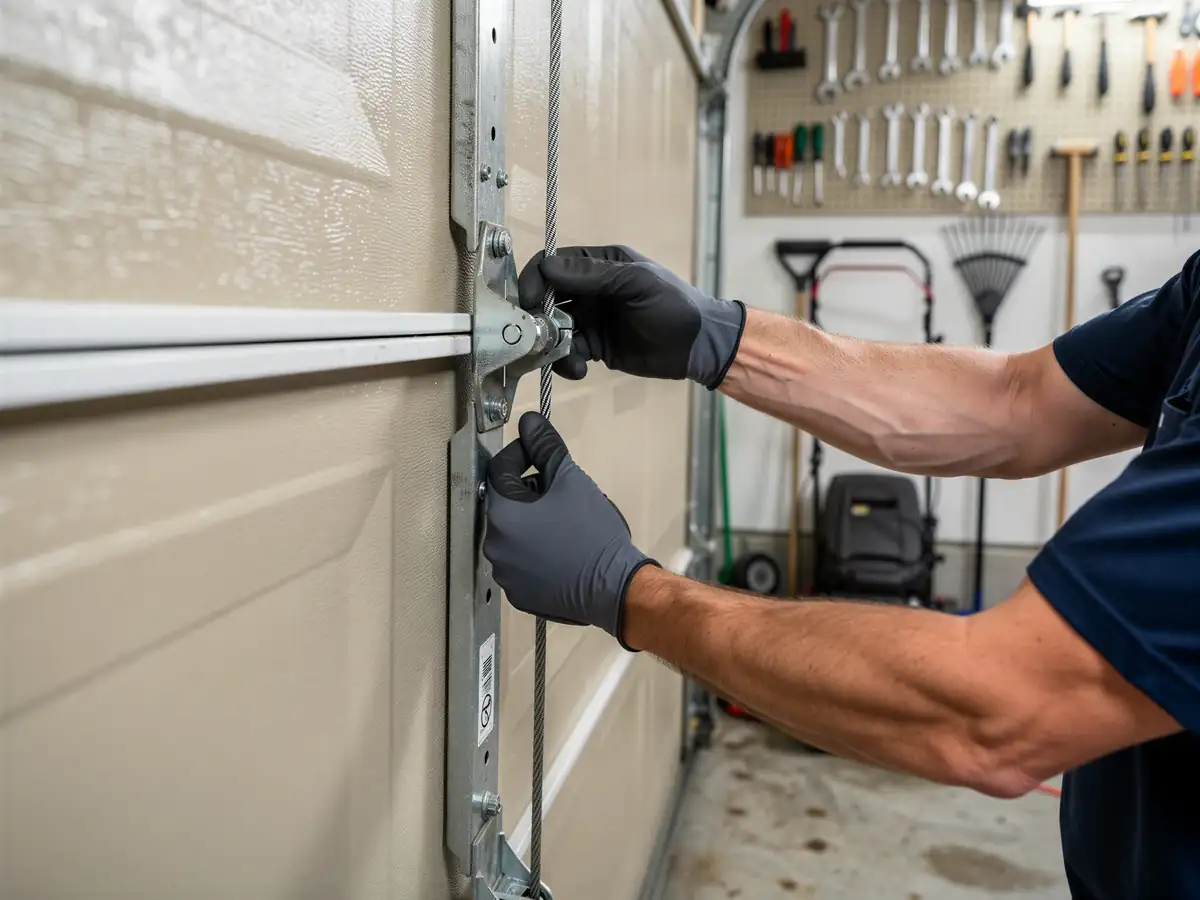
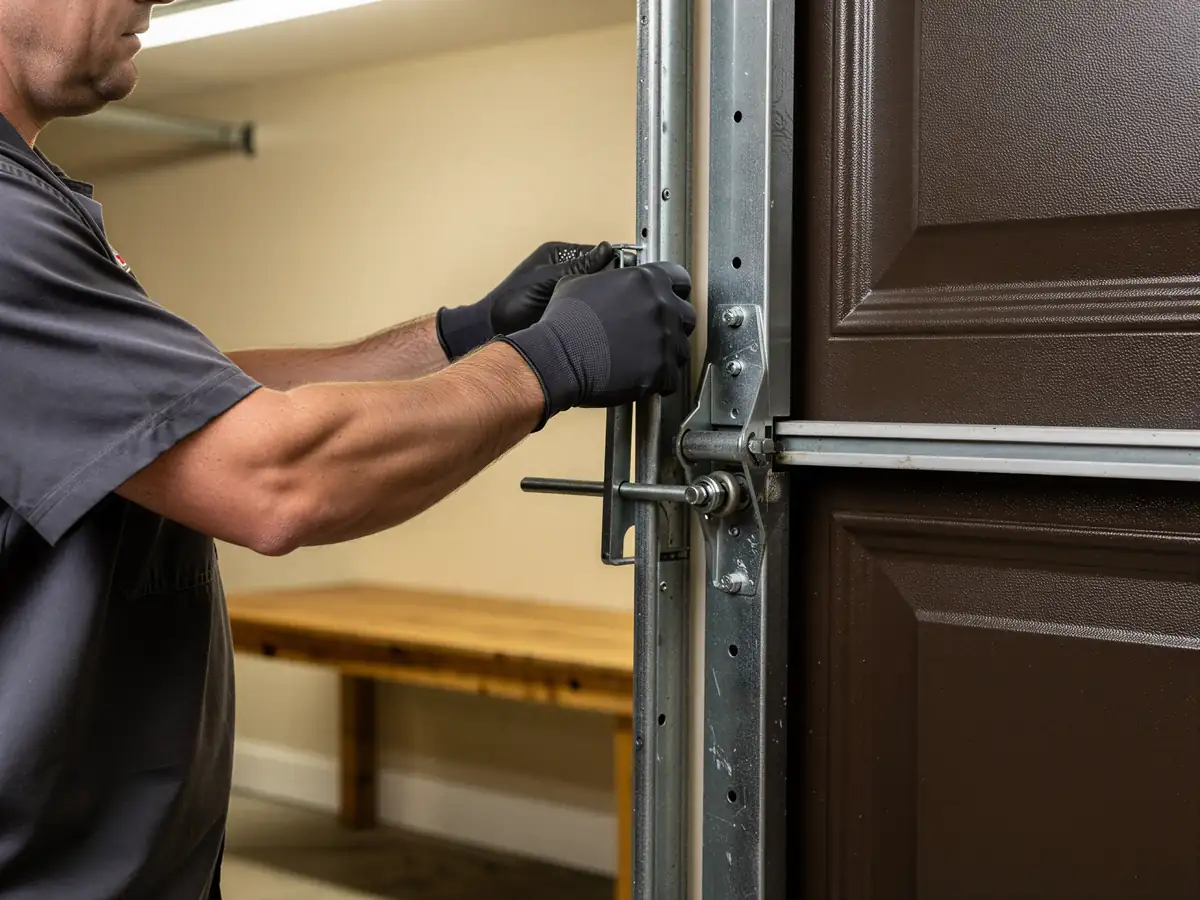
We're not going to put a number here that doesn't hold up once we're actually looking at your door - spring size, door weight, and whether the opener gear needs replacing too all change the job. What we can tell you is what drives the cost: whether it's one spring or a matched pair (most doors built in this era use torsion springs that should be replaced together even if only one breaks), the gauge and length of spring your door needs, and whether the cable or drums took damage when the spring let go.
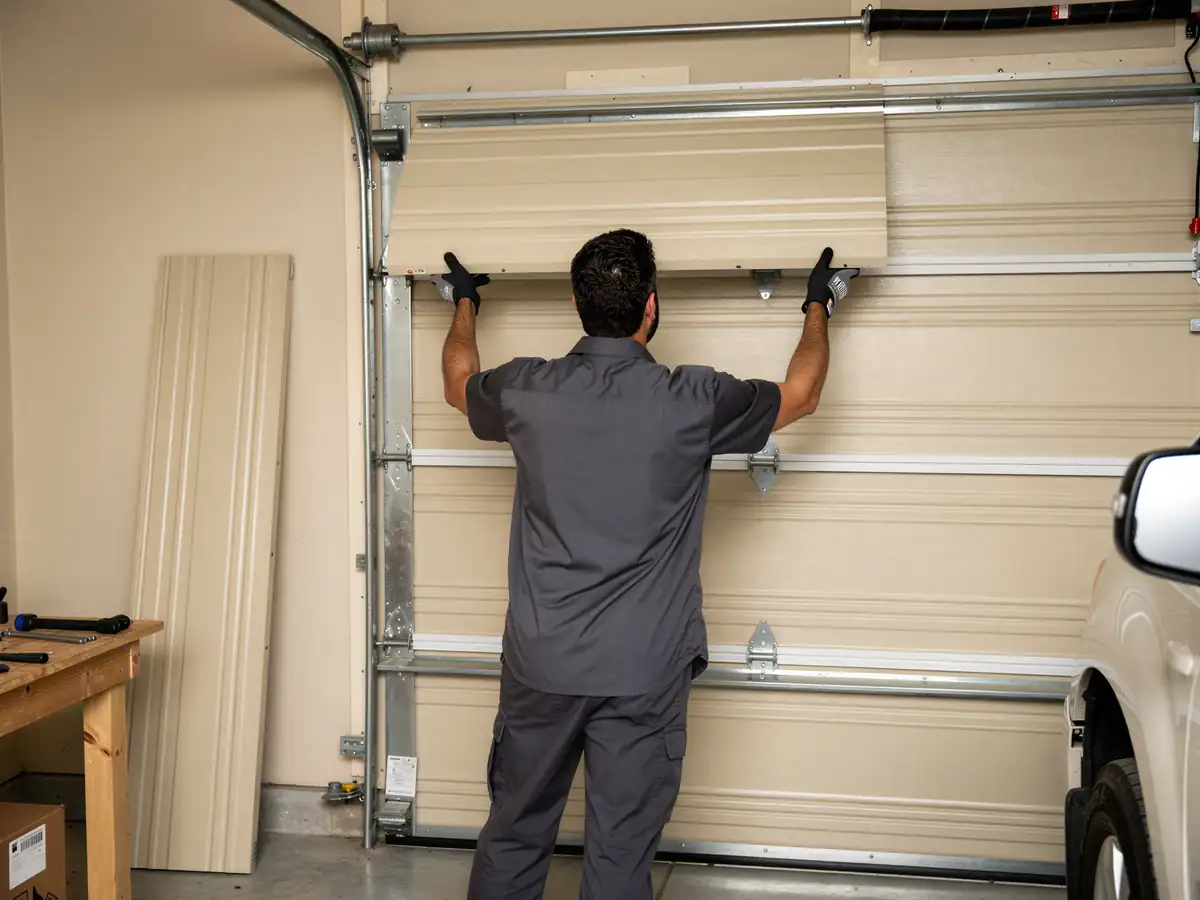
Queen Creek's median household income runs around $76,259, and most of the repairs we do for houses from the 1990-2004 build wave are spring and gear jobs, not full door replacements - the doors themselves tend to hold up fine, it's the moving hardware that wears out first. Replacement only makes sense over repair if the door panels are dented or warped from years of heat exposure, or if the track is bent badly enough that a new spring won't fix the underlying problem.
One honest limit: if your opener's circuit board is the failure, not the gear or spring, that part sometimes has to be special-ordered, and we'll tell you that up front rather than make you wait on the truck for something we don't carry.
What Is on the Truck
Given how much of Queen Creek was built in that same 1990-2004 window, we carry torsion springs in the sizes that match standard single and double doors from that construction era - the sizing that fits a typical builder-grade garage, not the wider doors going into newer development. We also stock the nylon and steel gear kits that fail in openers from this period, since that's a repair we do often enough to keep on hand rather than order.
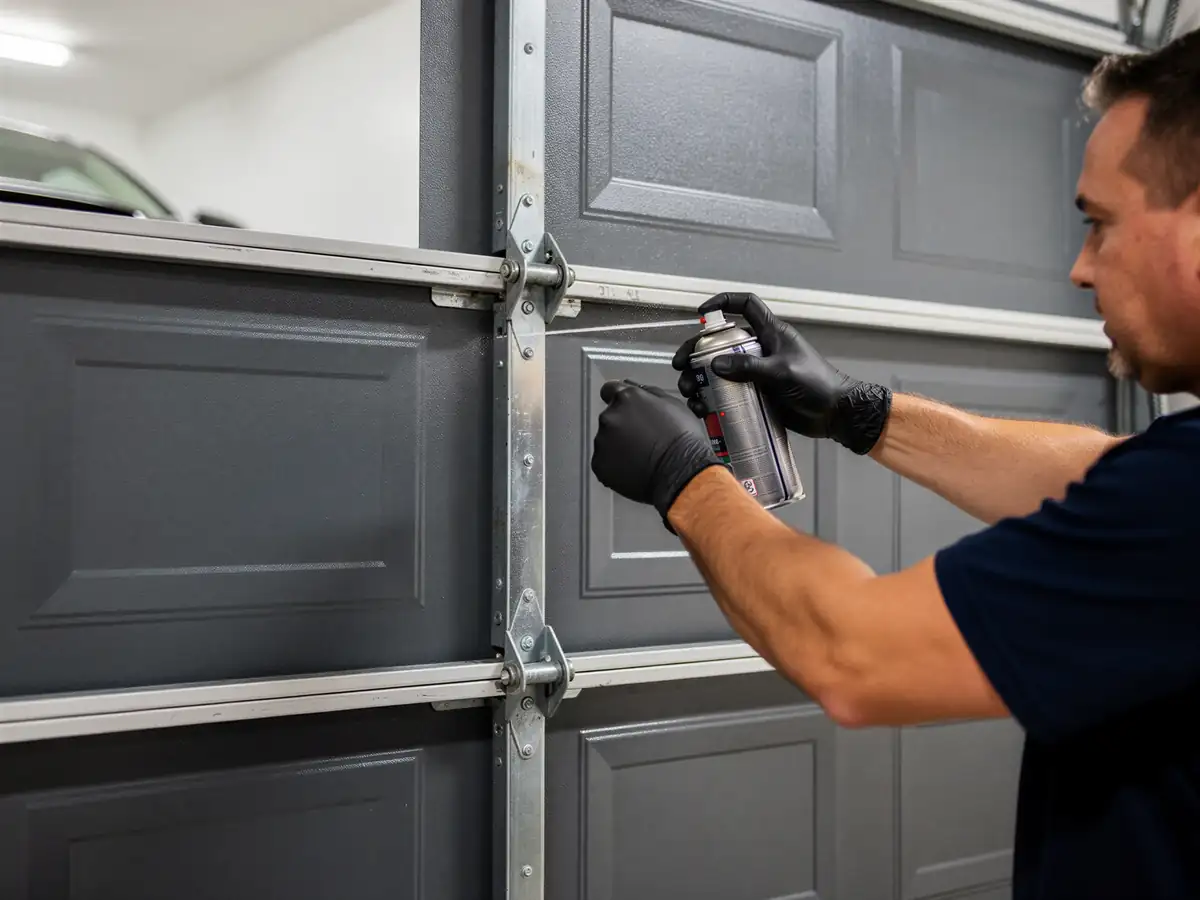
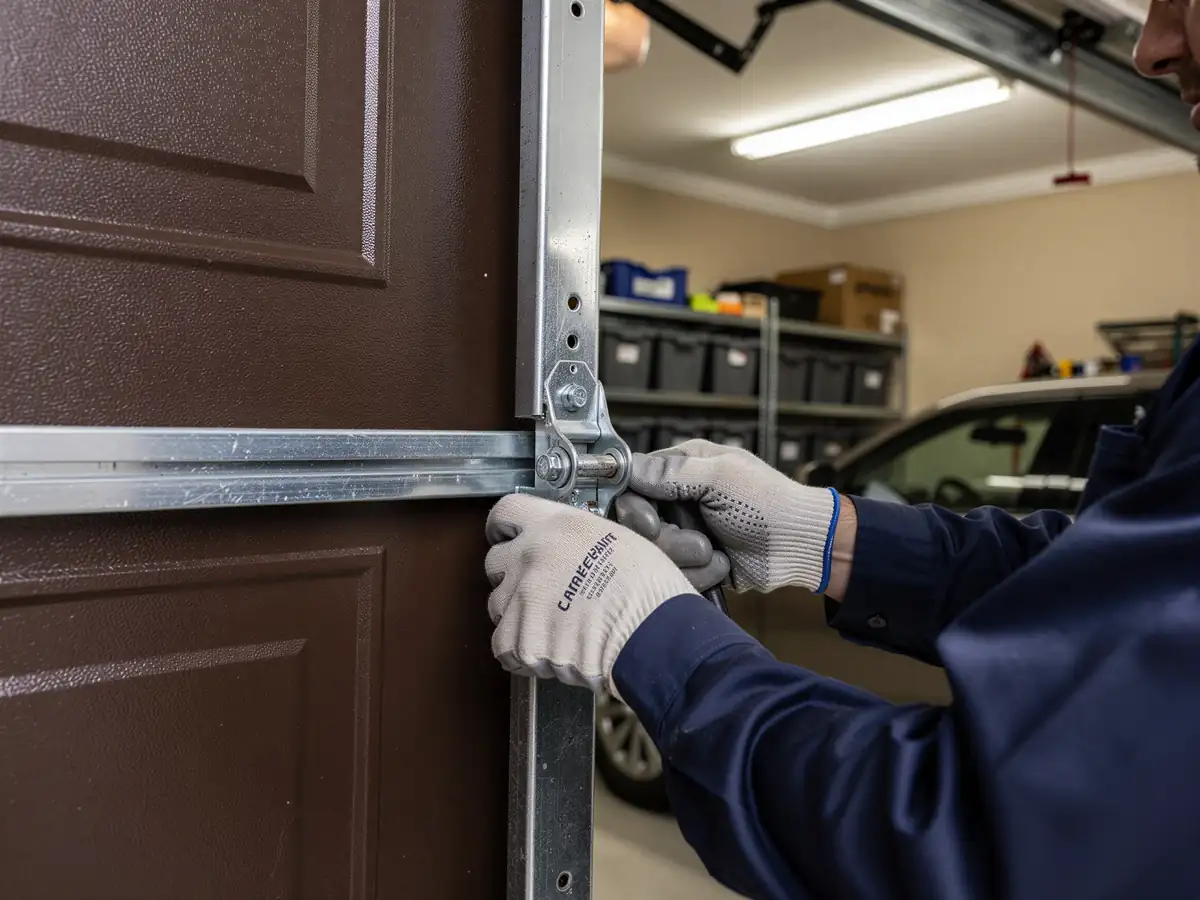
Rollers, cables, and drums round out what's standard on the truck, along with lubricant rated for high-heat climates - the stuff that's actually built to hold up under a Queen Creek summer instead of breaking down in the first season. For anything outside that - a specialty opener board, an odd-size commercial door, a part tied to a brand we don't stock - we'll say so on the spot rather than guess.