The Houses Here
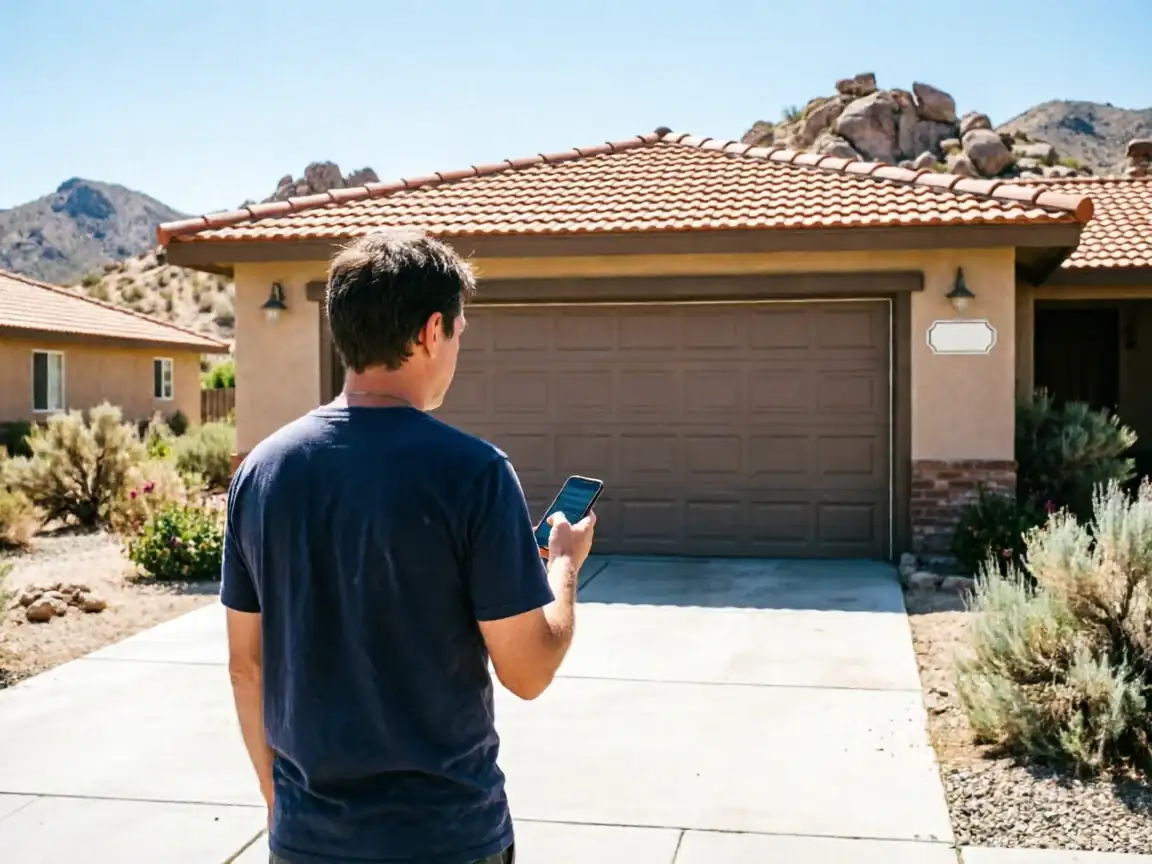
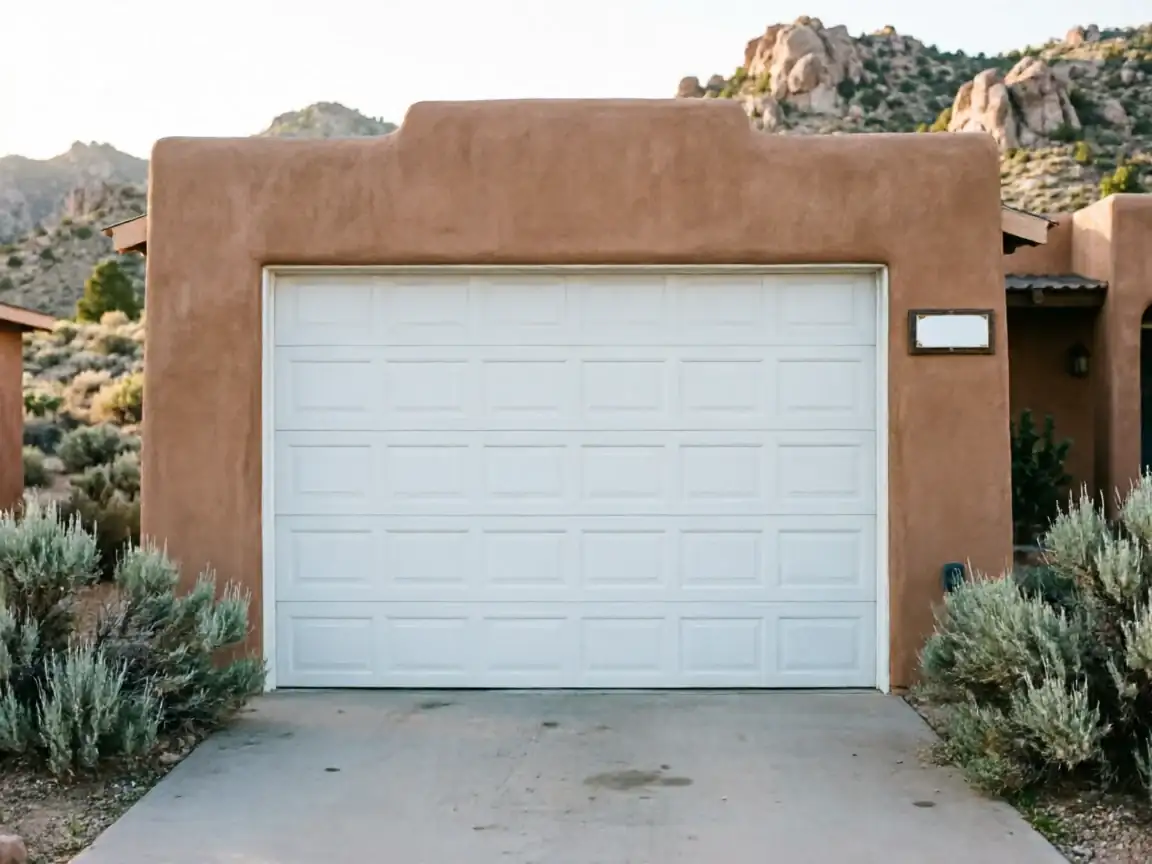
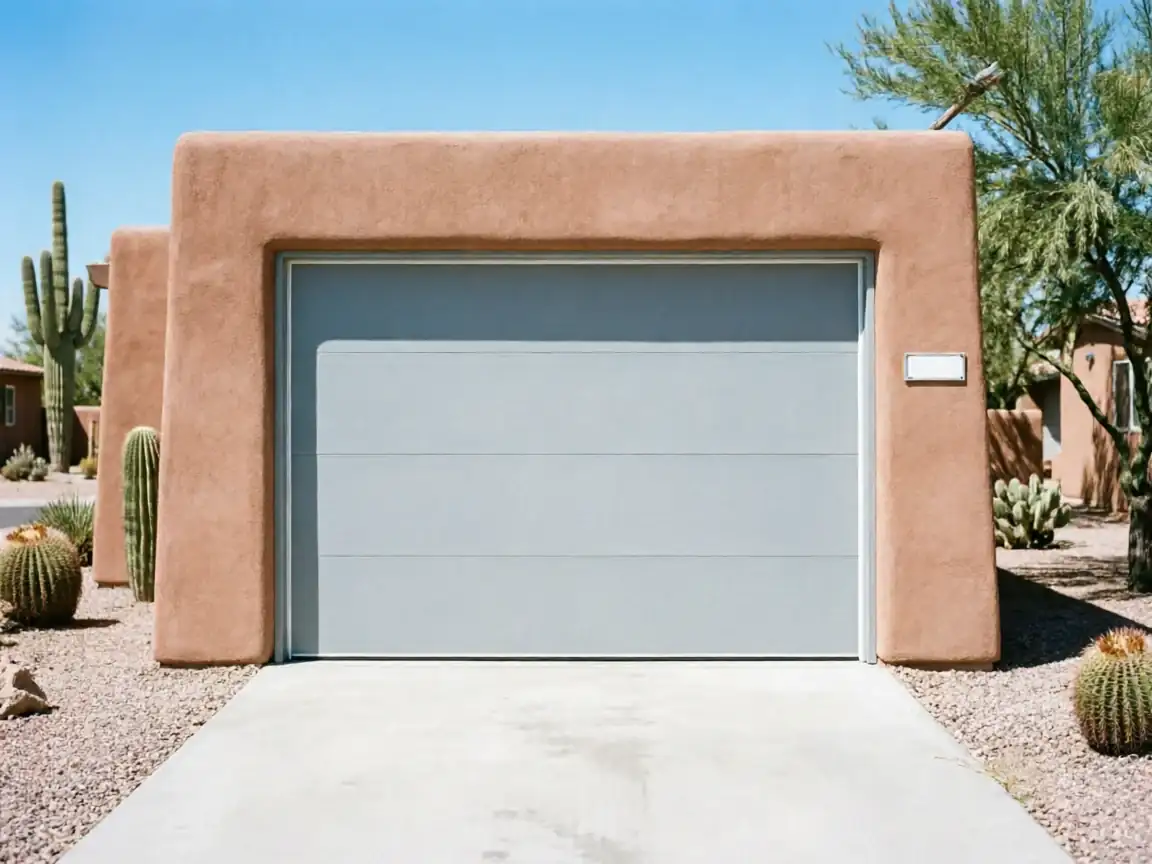
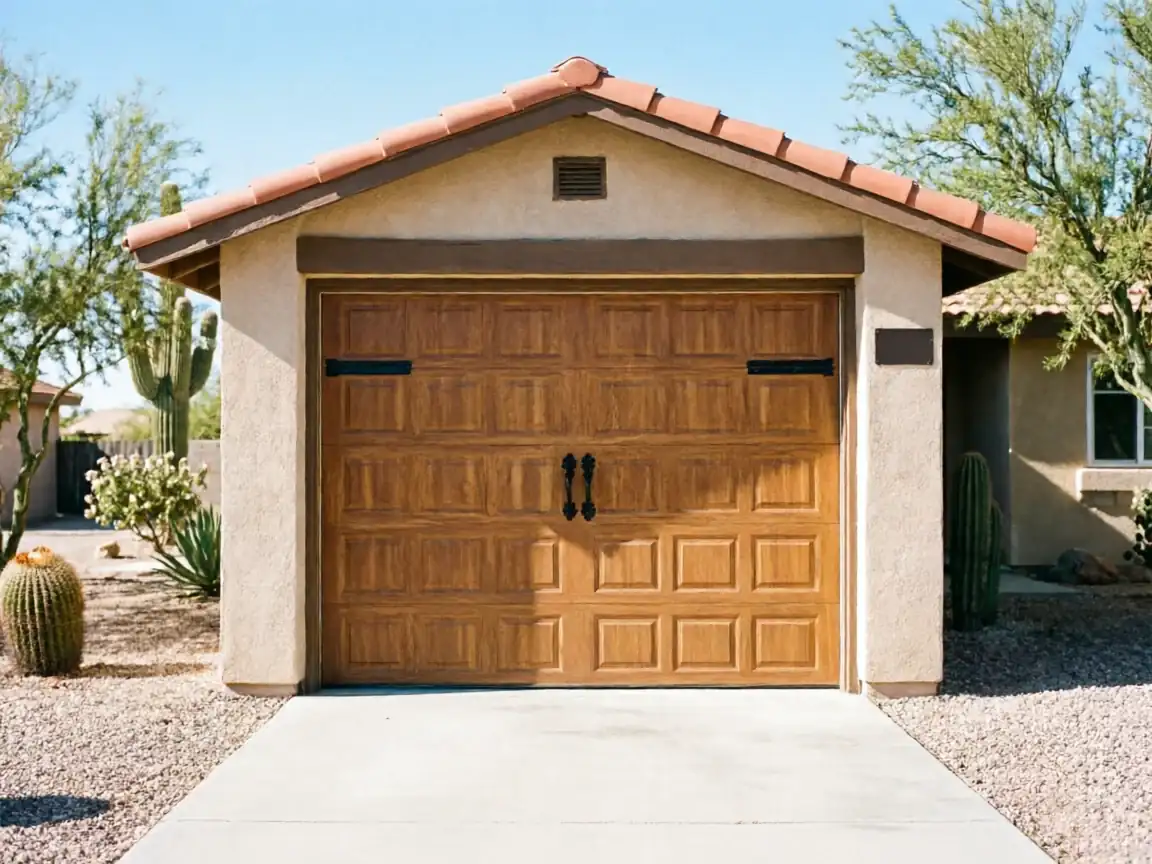
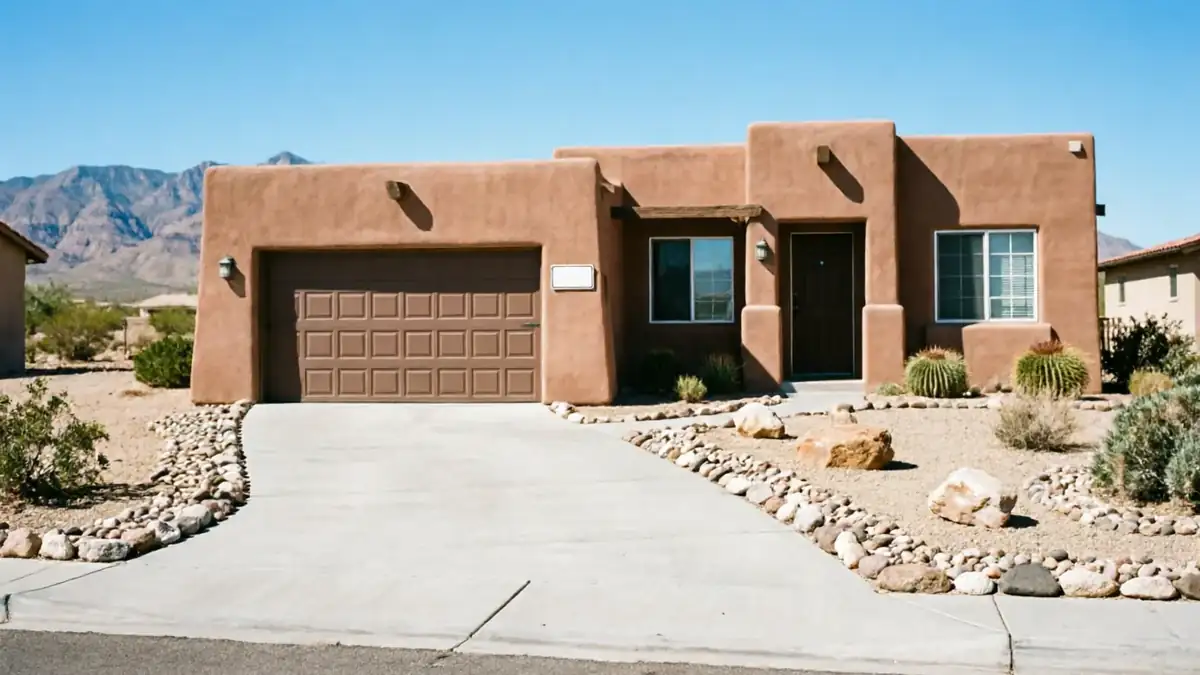
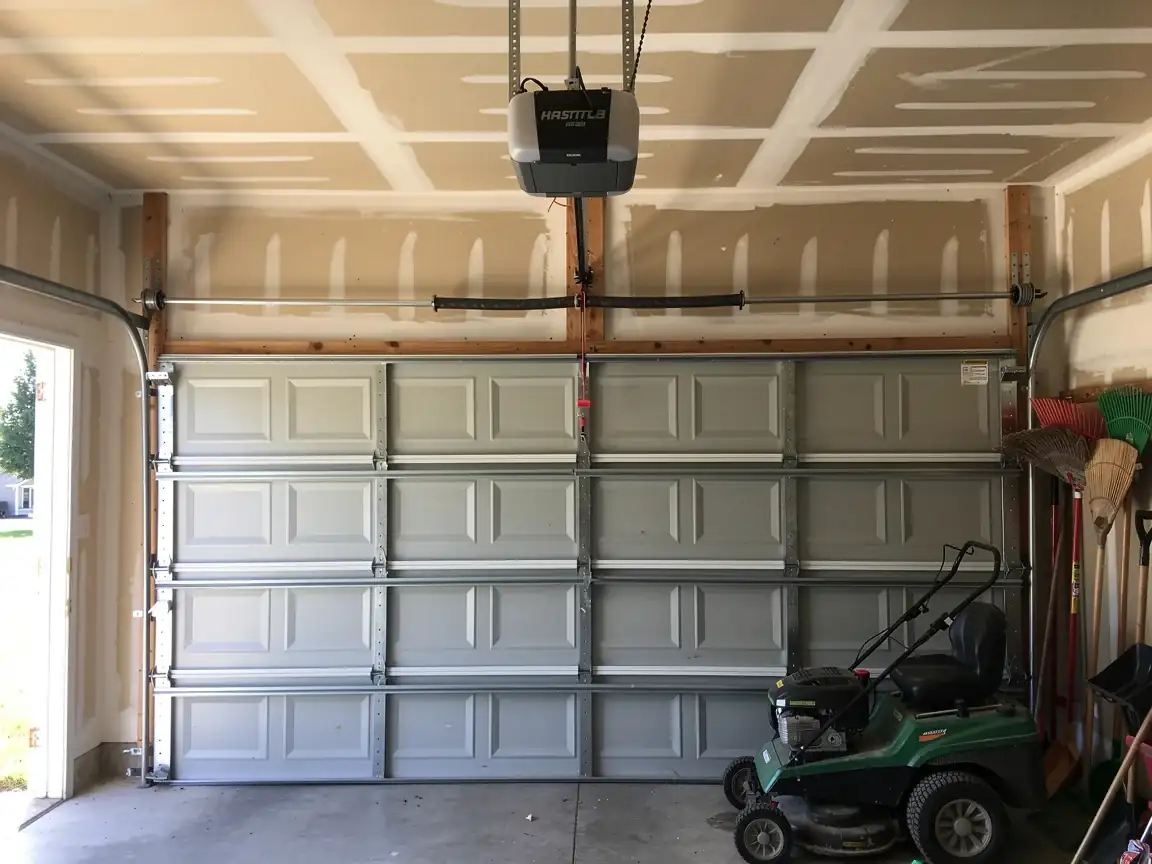
Most of the houses on this stretch went up around 1993, a few years before the broader Queen Creek service area's median build year of 1997. That matters because a house built in the early 90s usually still has its original garage door hardware, or a first-generation replacement from the early 2000s - either way, parts that are thirty-plus years into a service life nobody designed to last that long. With roughly 706 households in Sacaton, this isn't a dense subdivision grid; it's wider lots and fewer shared walls, which tends to mean single-car and two-car doors rather than the triple-wide bays you see on newer custom builds closer to town. Across the wider service area, 18,319 of 21,790 households own rather than rent, and the median household income runs around $76,259 - we don't have an income figure specific to Sacaton, so we won't guess at one. What we can say is that the housing stock here reads as an older, more settled layer of the area's growth, not the leading edge of it.
Older vs Newer Streets
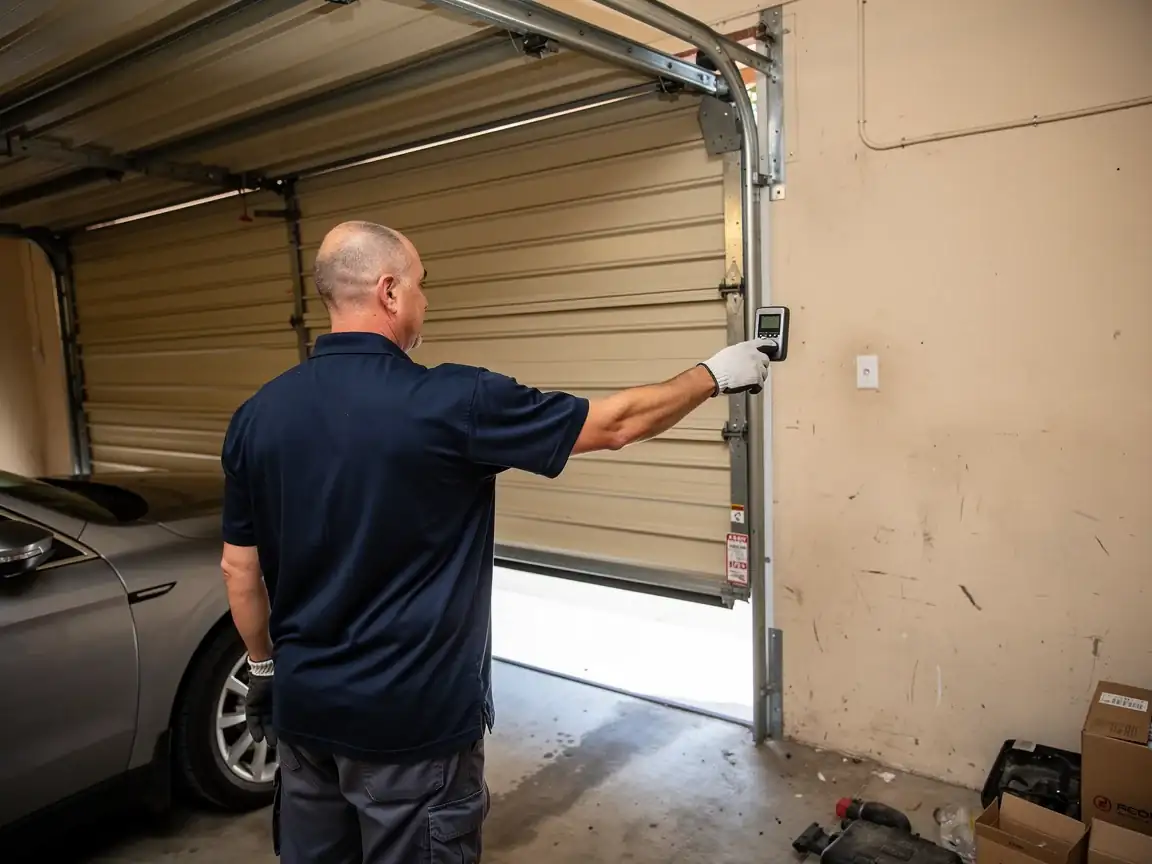
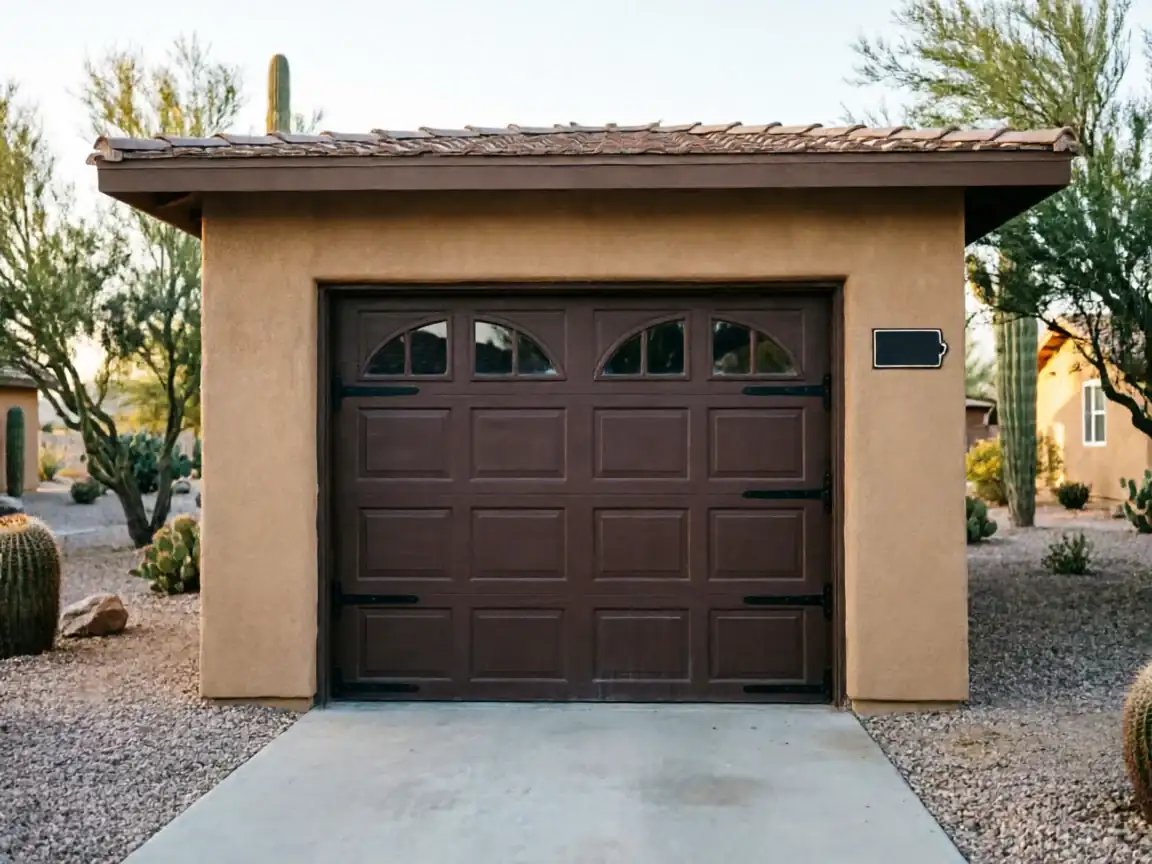
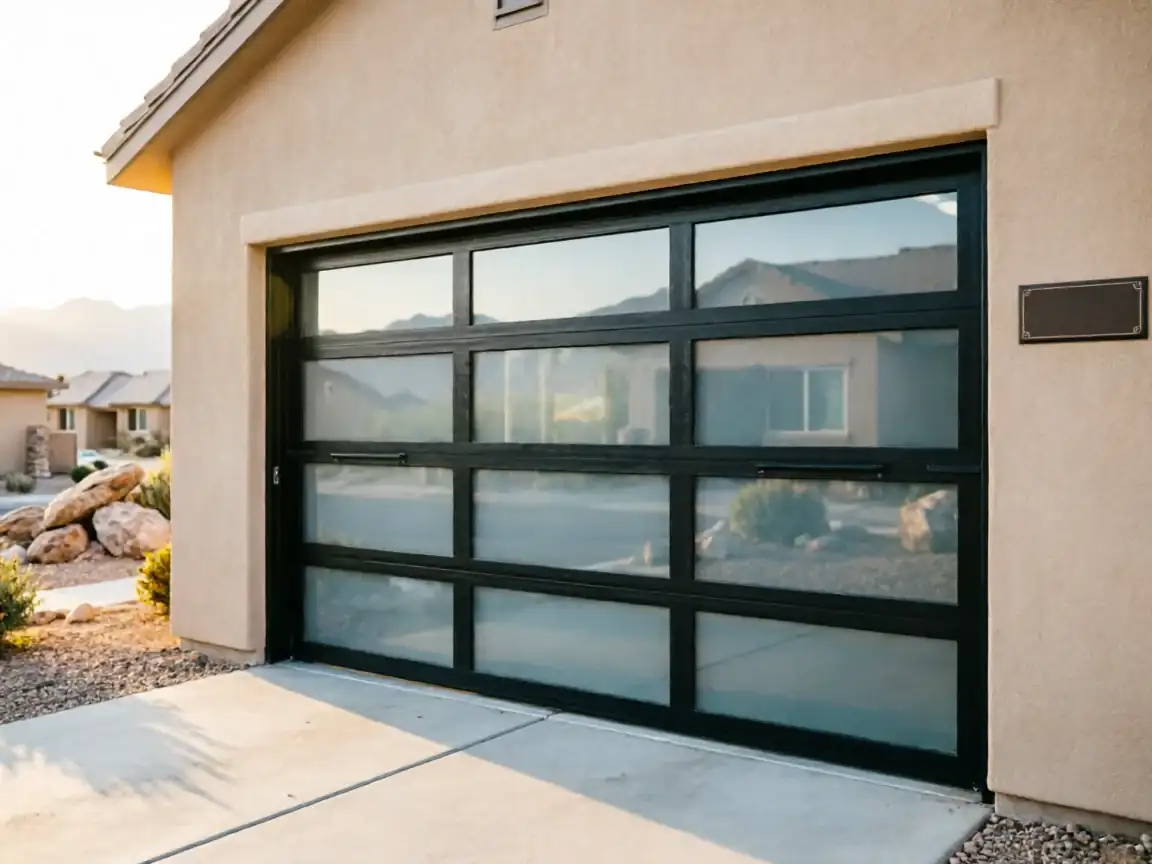
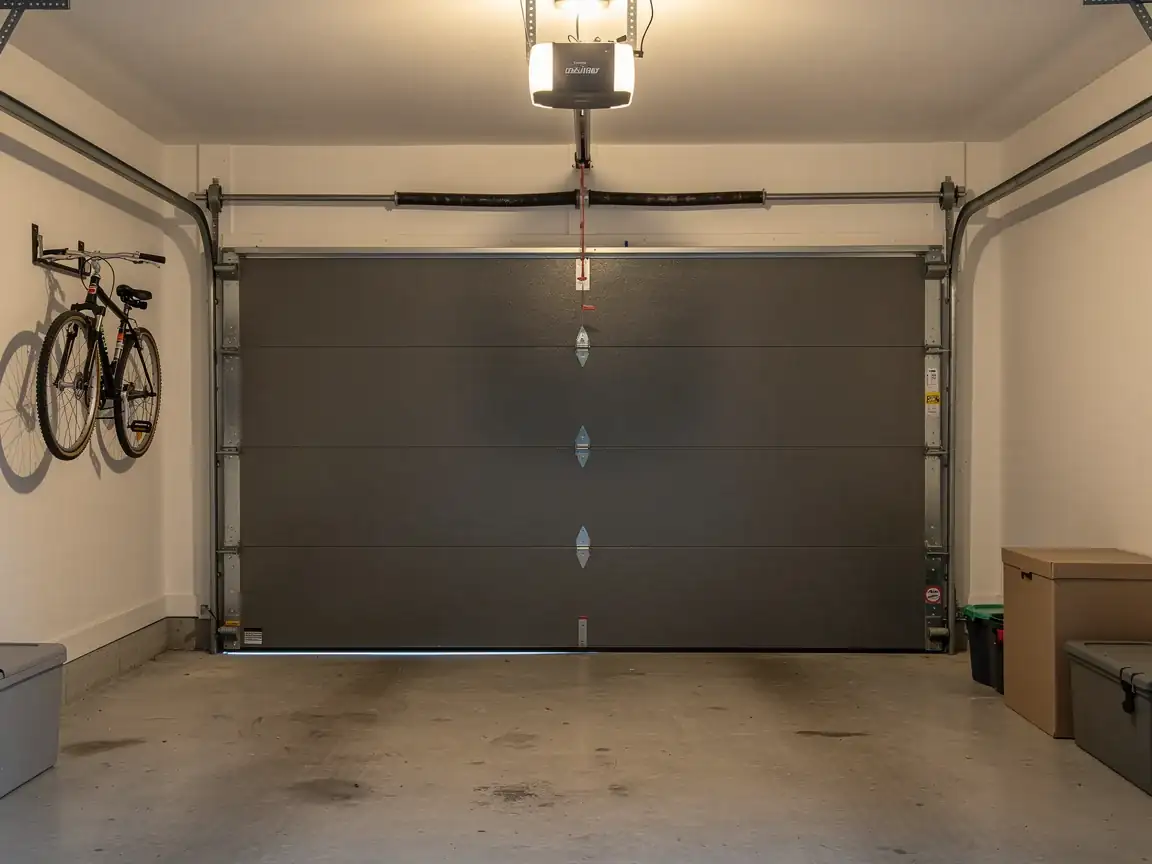
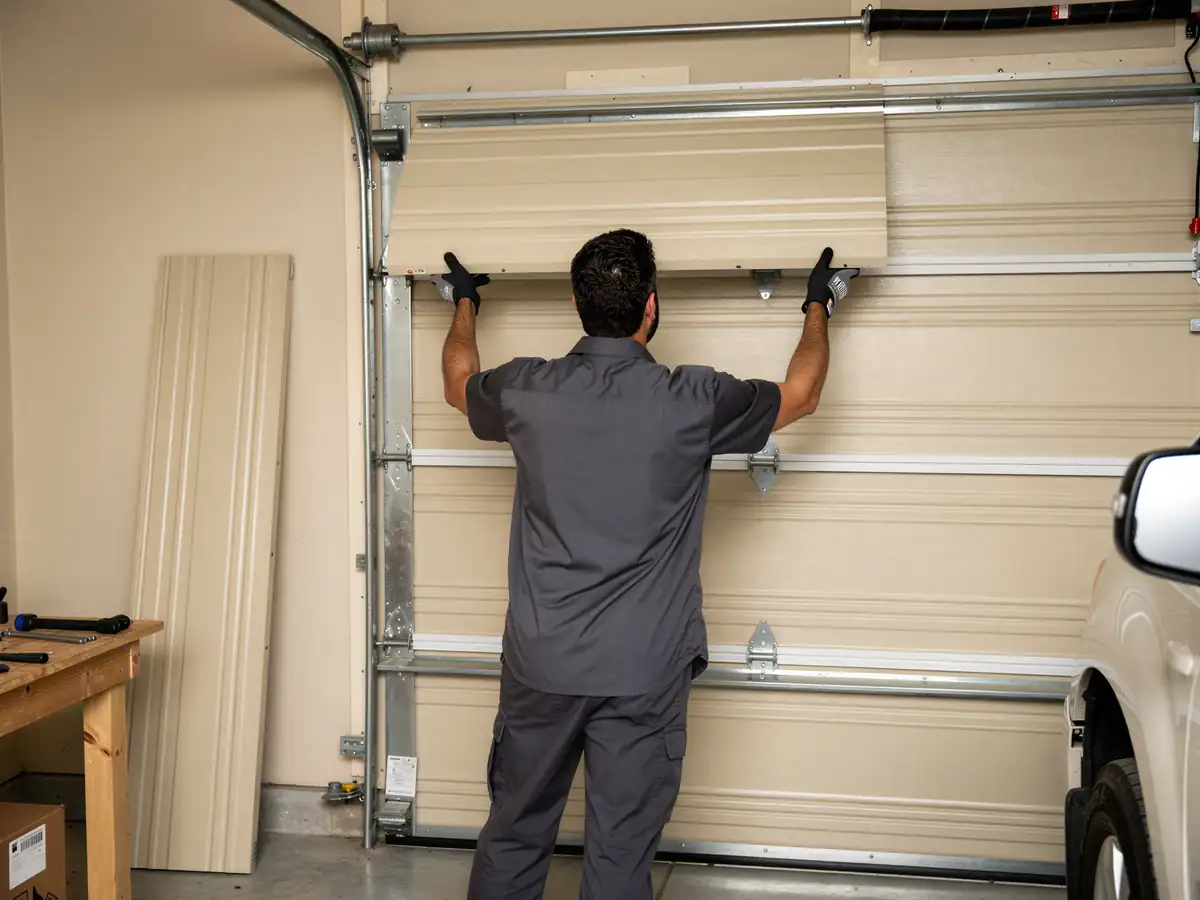
Sacaton sits about 14 miles from our Queen Creek shop, the far edge of where we drive for a same-day call, and the housing age out here doesn't match the newer pockets closer in. A street built in the late 90s or 2000s under more current code tends to have torsion springs mounted on a steel header bracket, a lighter steel door with better insulation values, and an opener with a safety reversal sensor built in from day one. The 1990s-era homes that make up most of Sacaton are a step behind that - not unsafe, just older, and the repairs lean toward hardware that's harder to source off the shelf because it's not what suppliers stock heavy anymore. If your house is one of the newer ones in the area, the job list looks more like tuning and adjustment. If it's from the early-to-mid 90s wave, the job list looks more like replacement.
Common Jobs Here
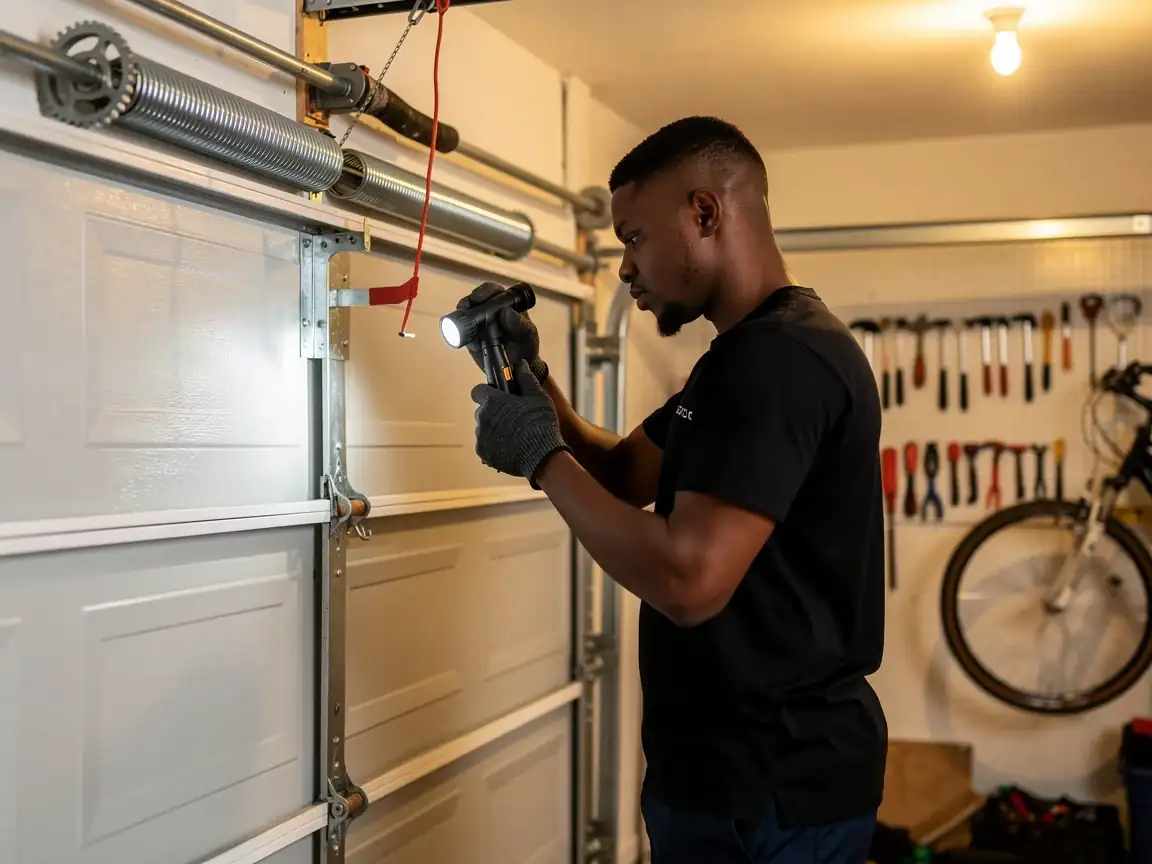
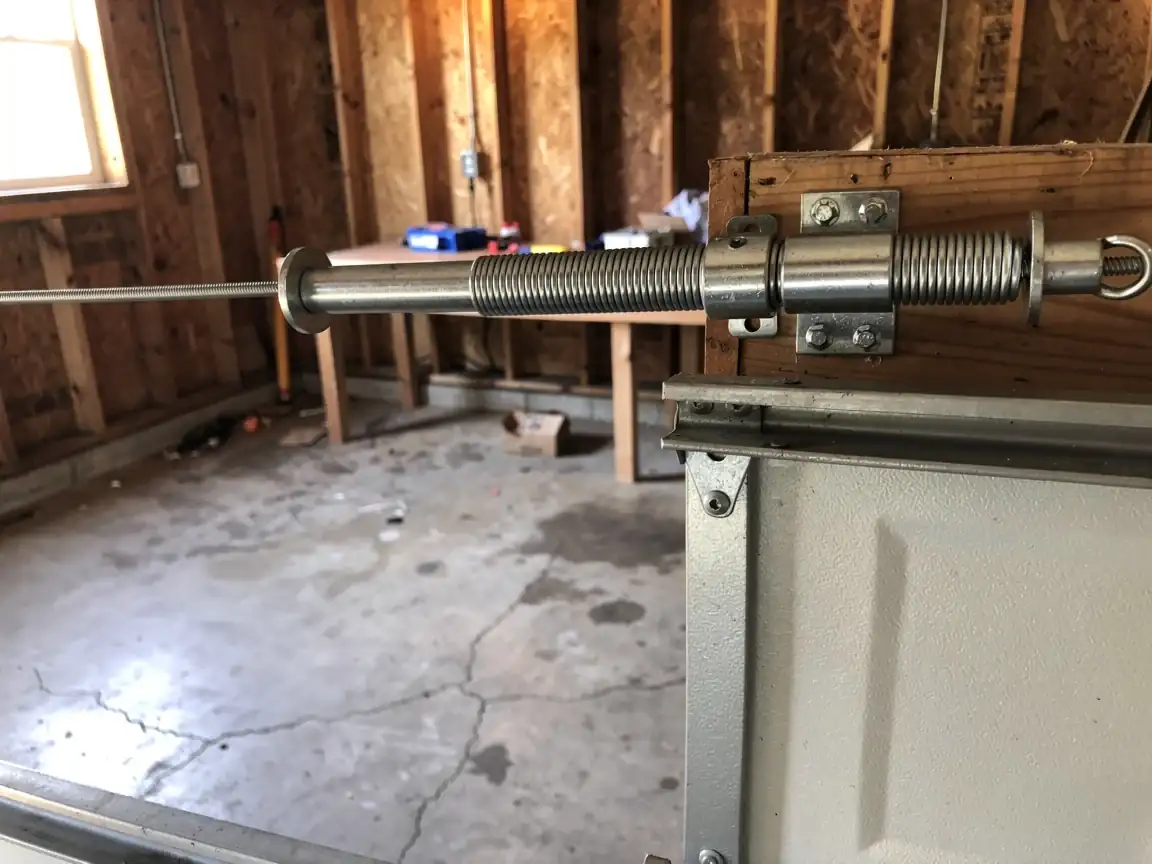
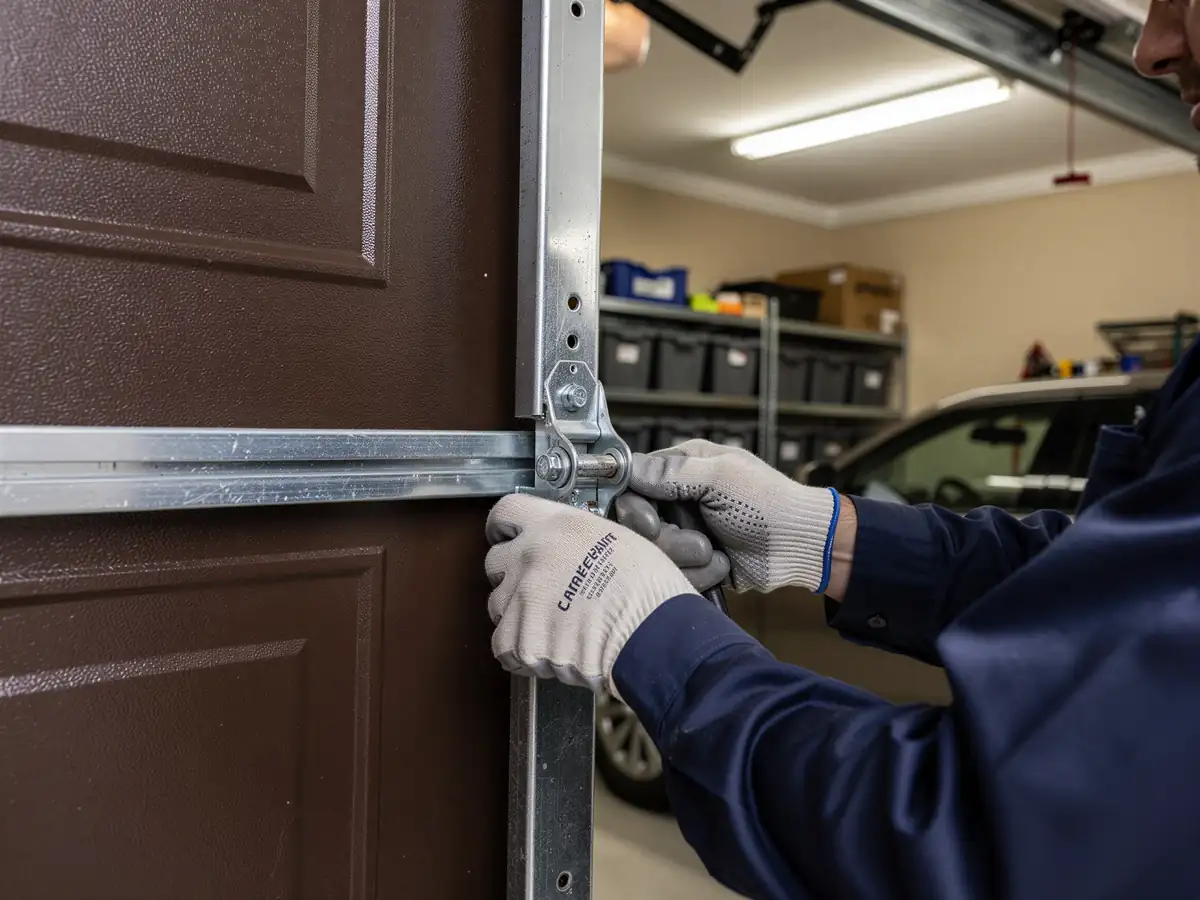
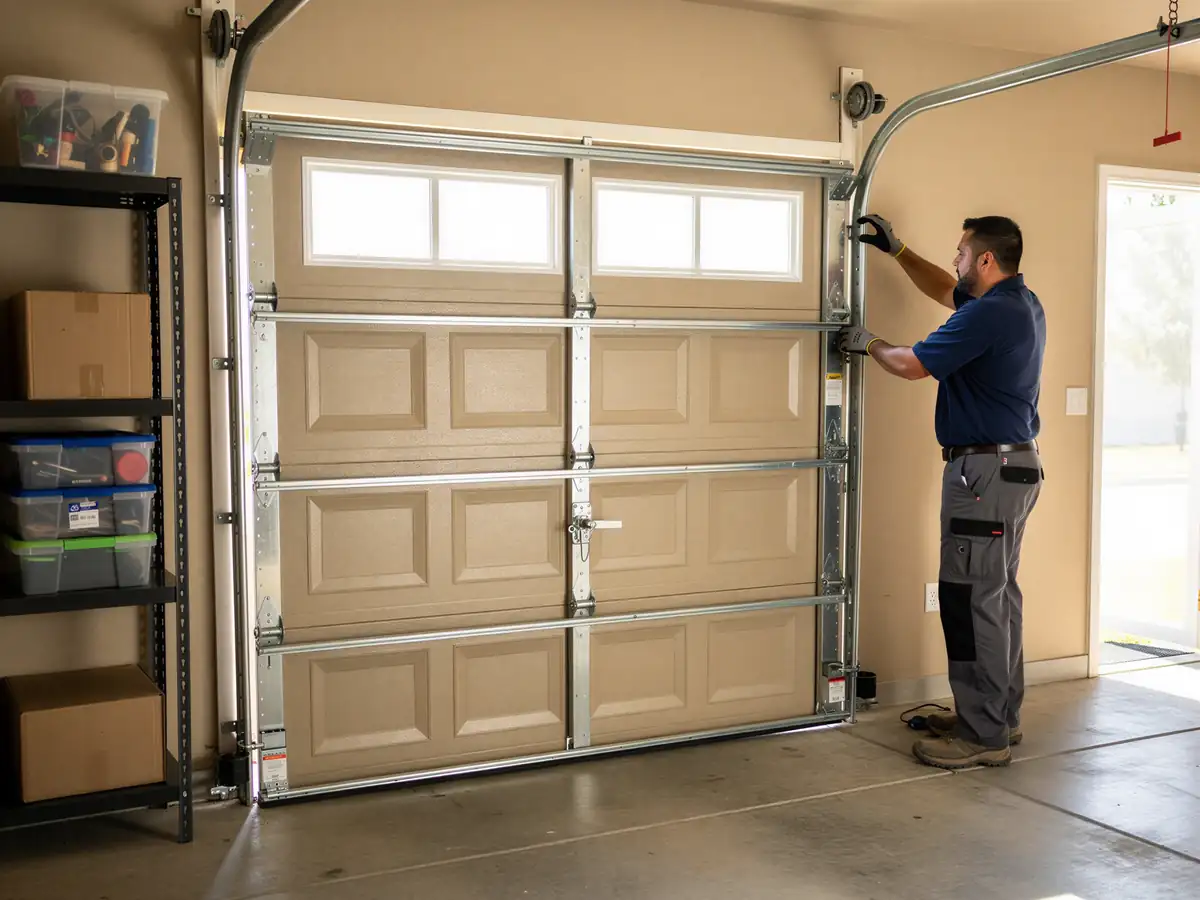
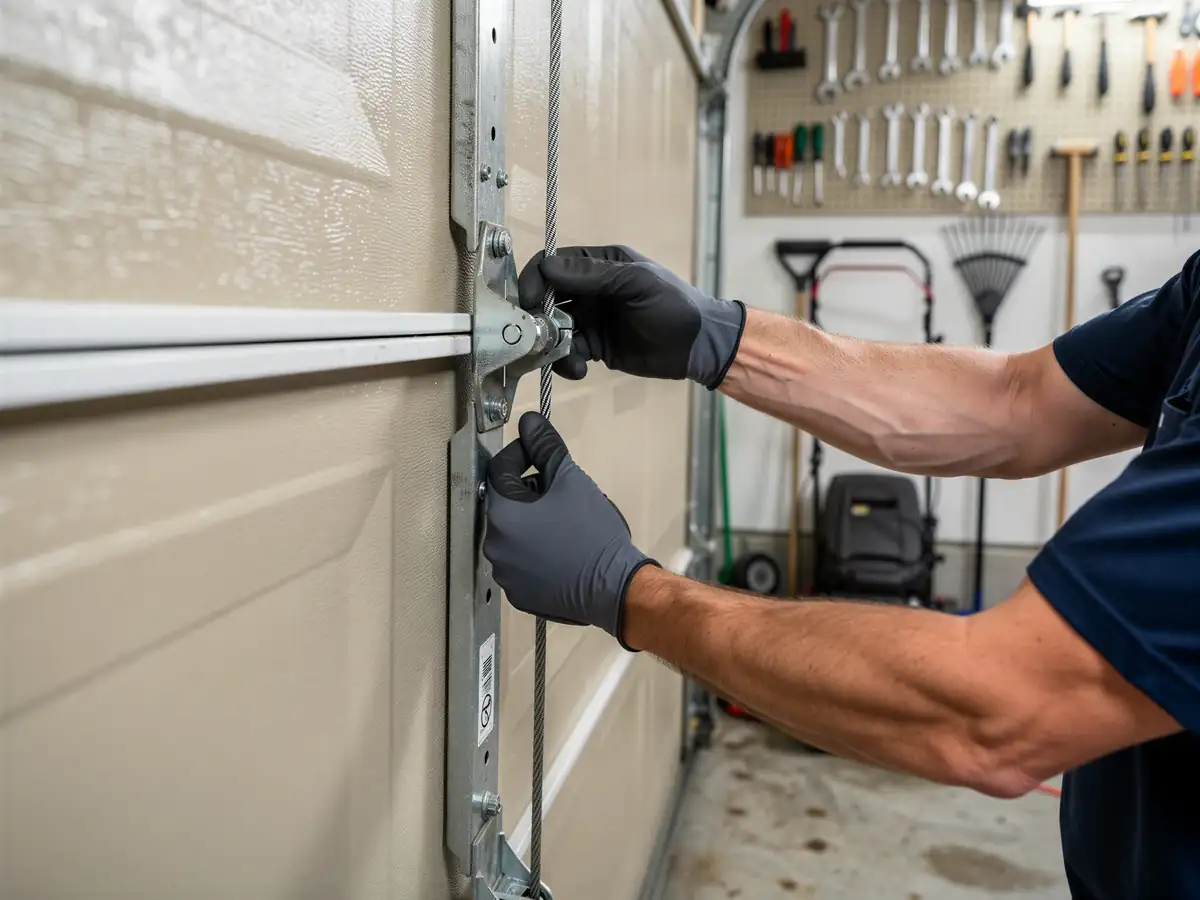
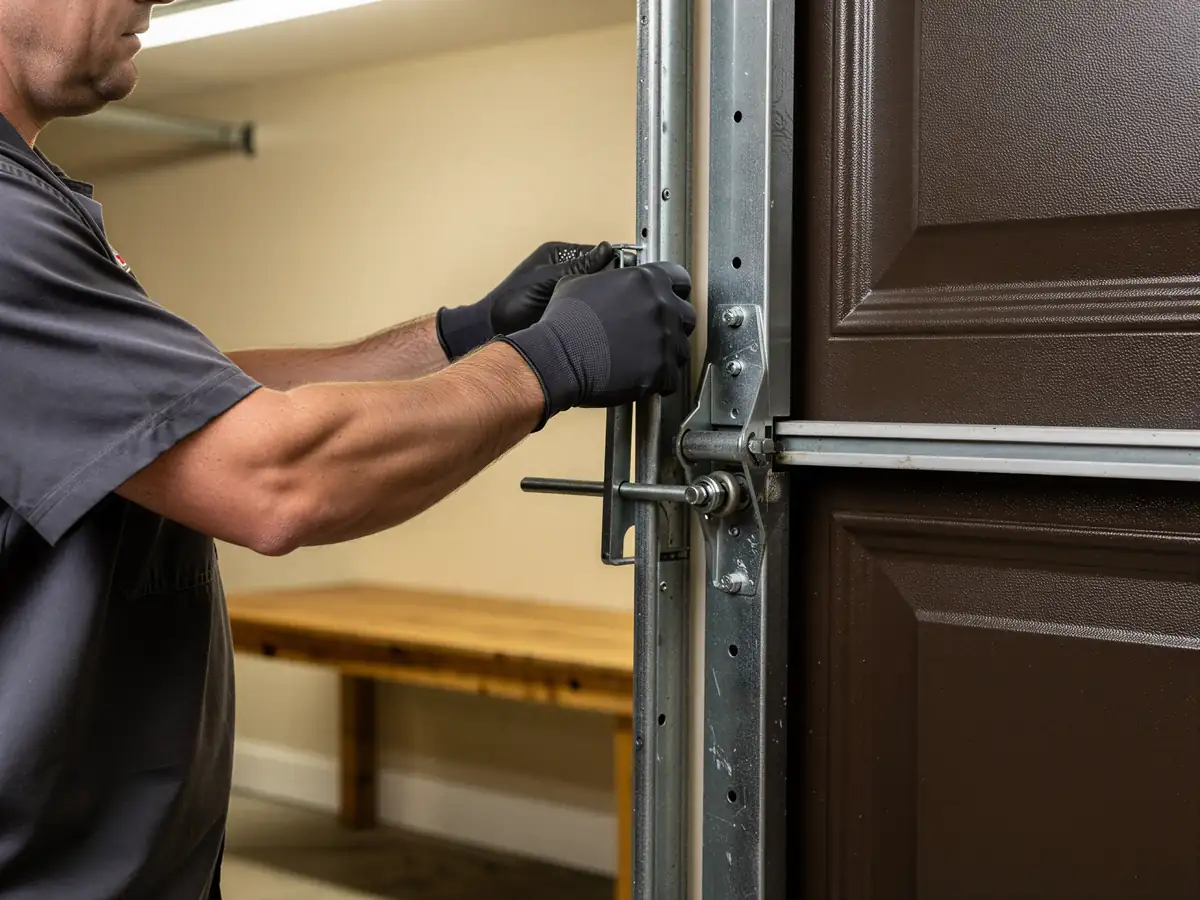
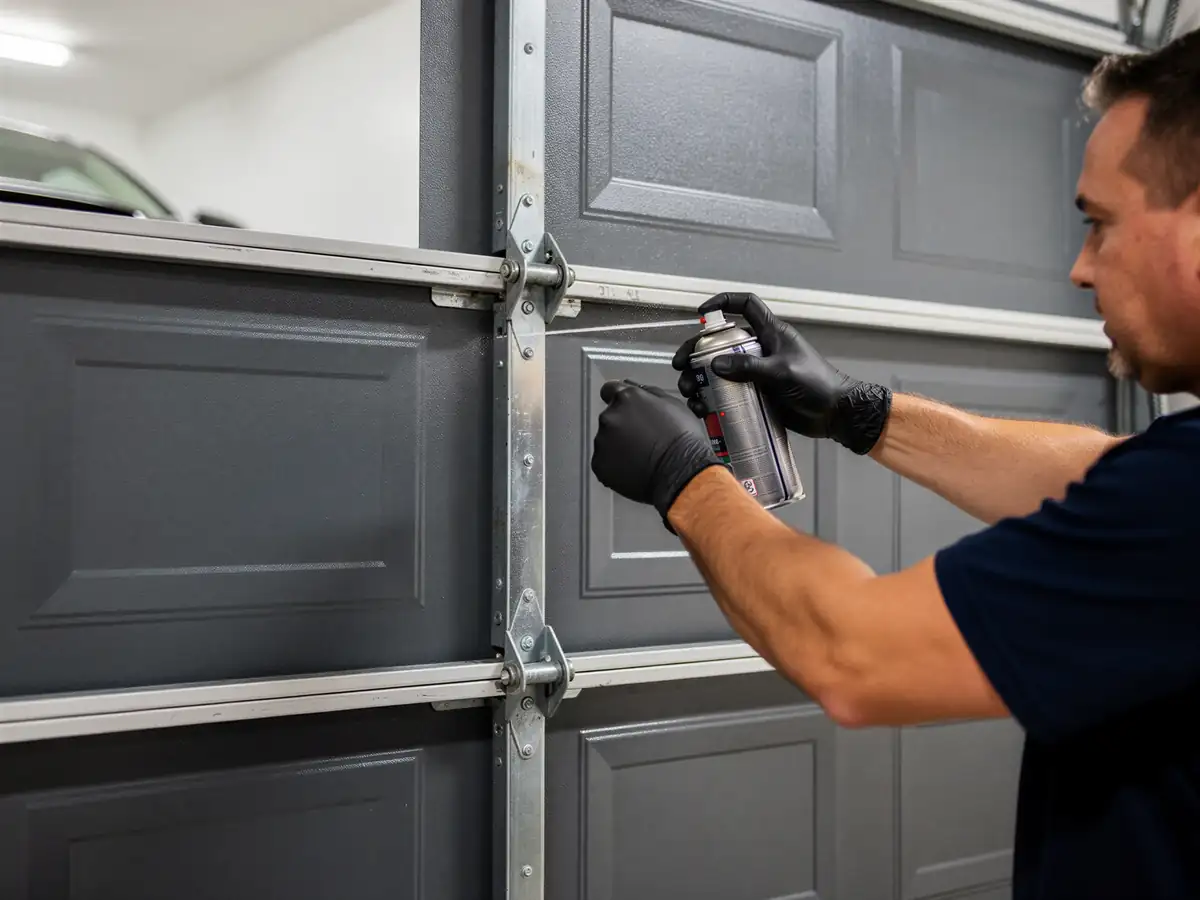
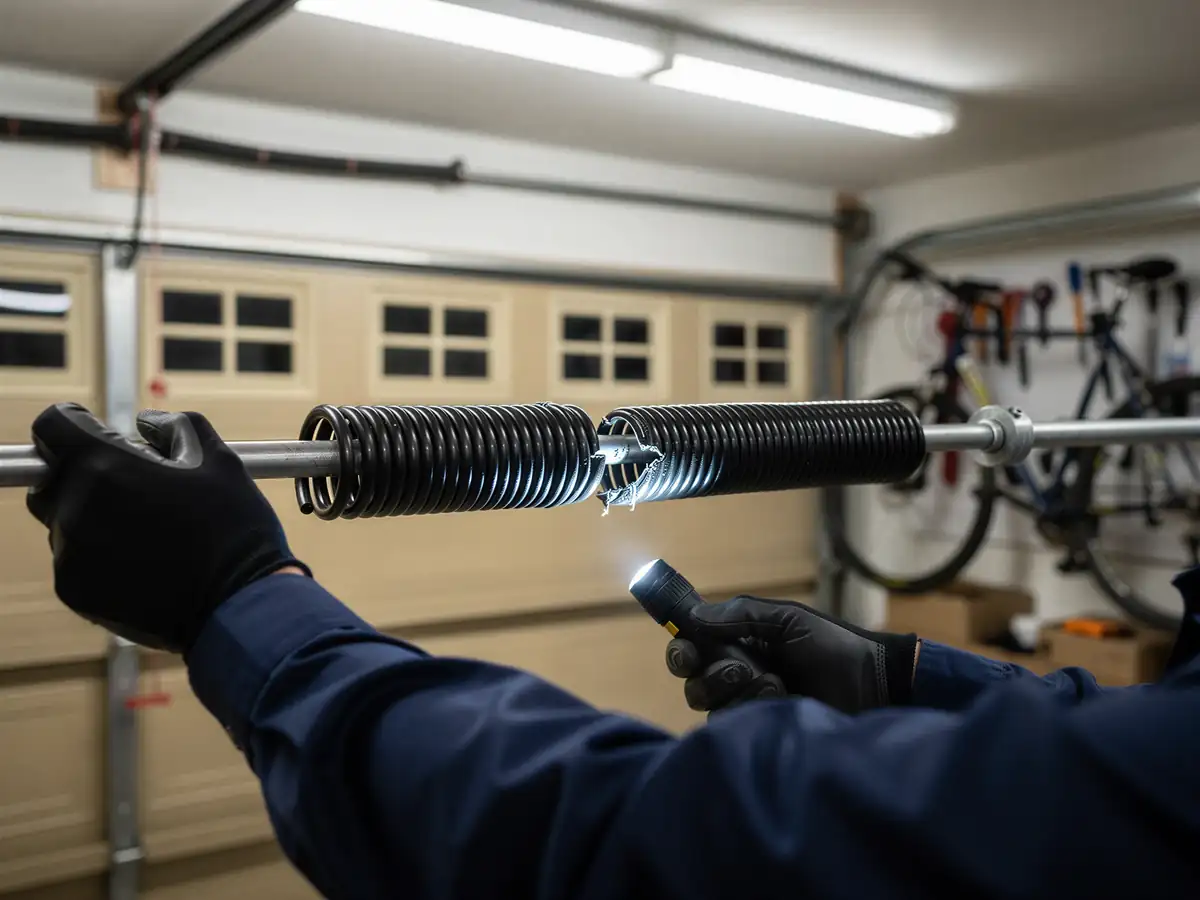
The severe summer heat that cooks a garage door's plastic idler wheels and bearing plates by July is the same stretch of desert heat baking roofs 14 miles away in Queen Creek, and it shows up in the service calls the same way: dried-out rollers, brittle weatherstripping, and extension springs that finally let go on a 110-degree afternoon when the steel's already expanded. On the 1993-era doors specifically, we're usually looking at full spring and cable replacement rather than a quick fix, since the galvanized coating on that generation of extension spring doesn't hold up as well as what's made now. Opener swaps are common too, less because the old chain-drive units quit outright and more because homeowners want battery backup after a power cut leaves the car stuck inside. One honest note: if your opener is original to a 1993 build, we'll tell you straight that replacing it usually costs less over time than keeping it alive with parts that are getting harder to find.