What Causes It Around Here
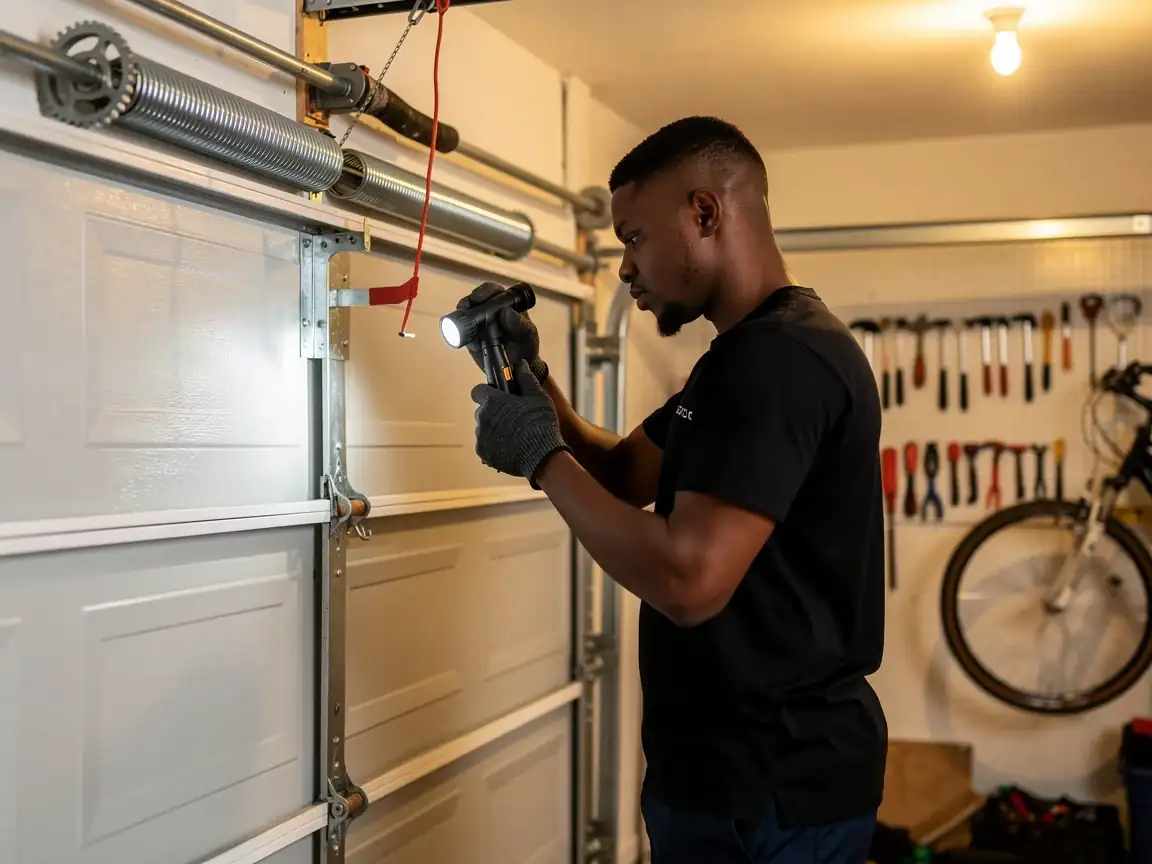
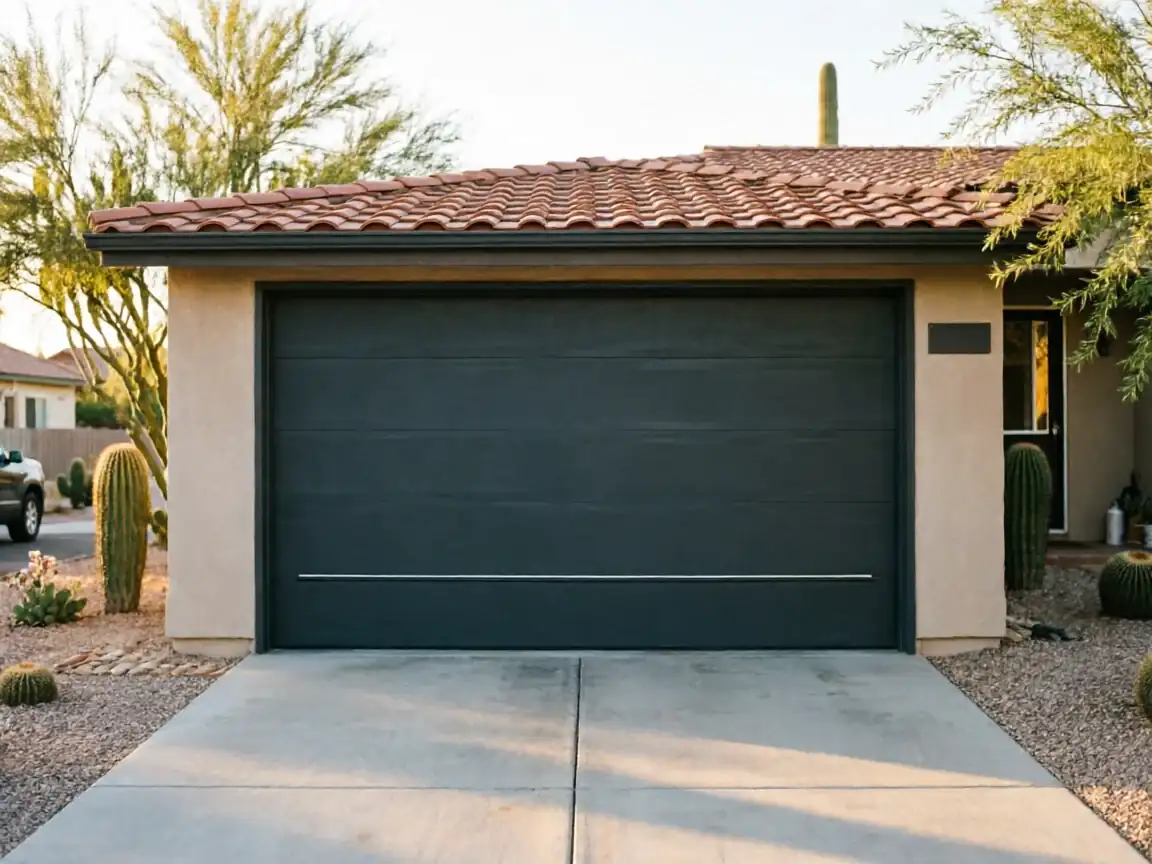
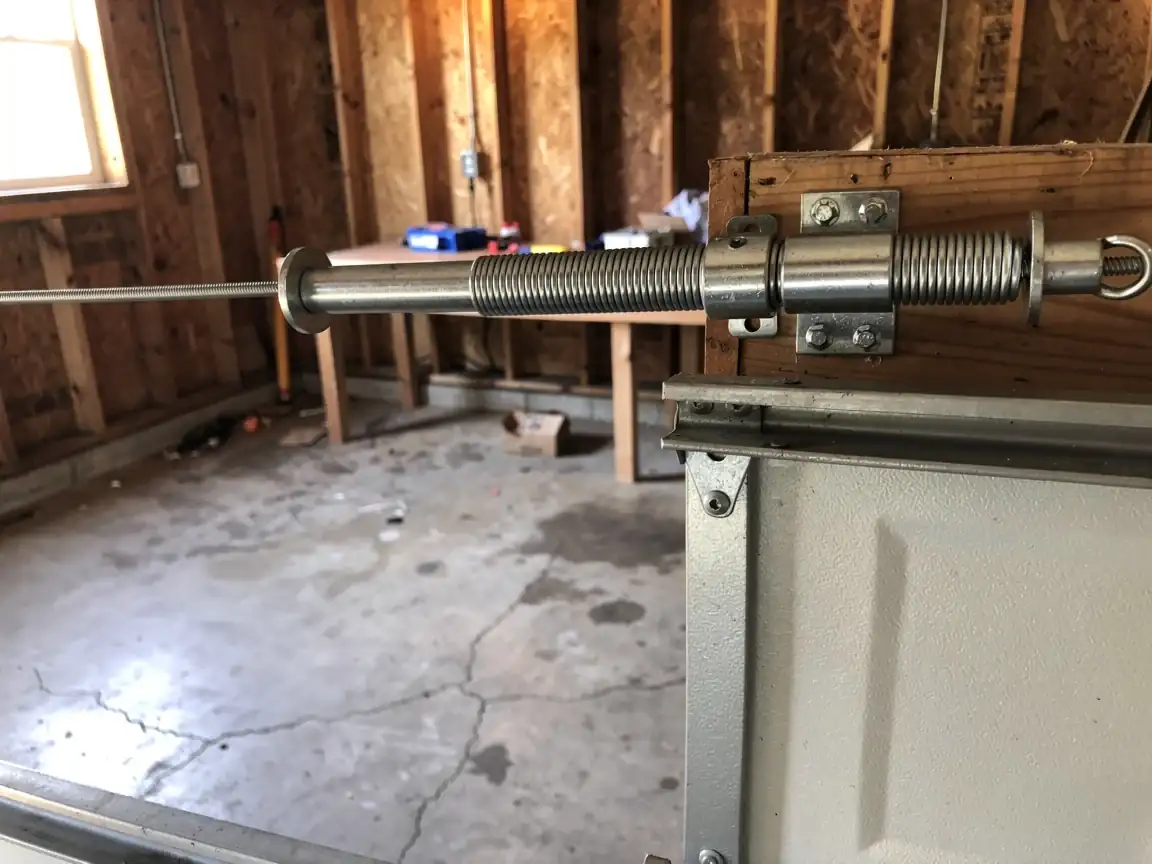
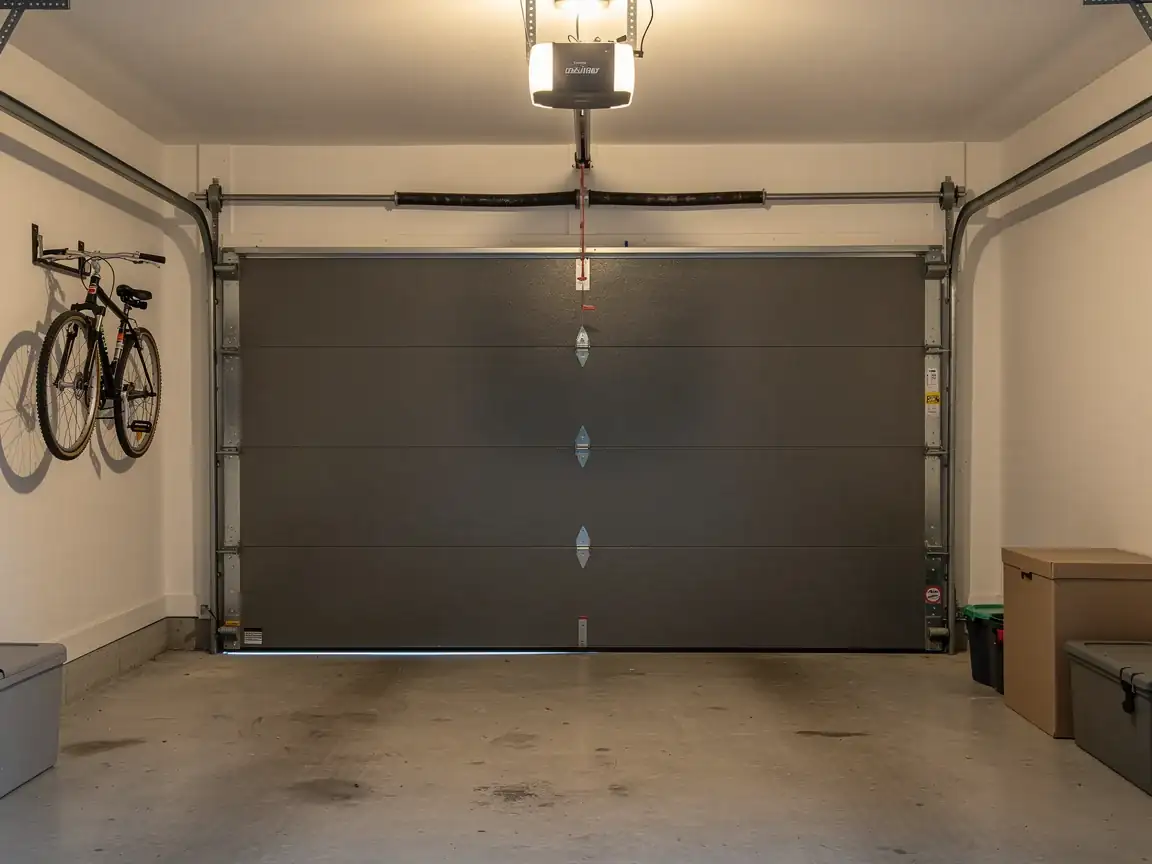
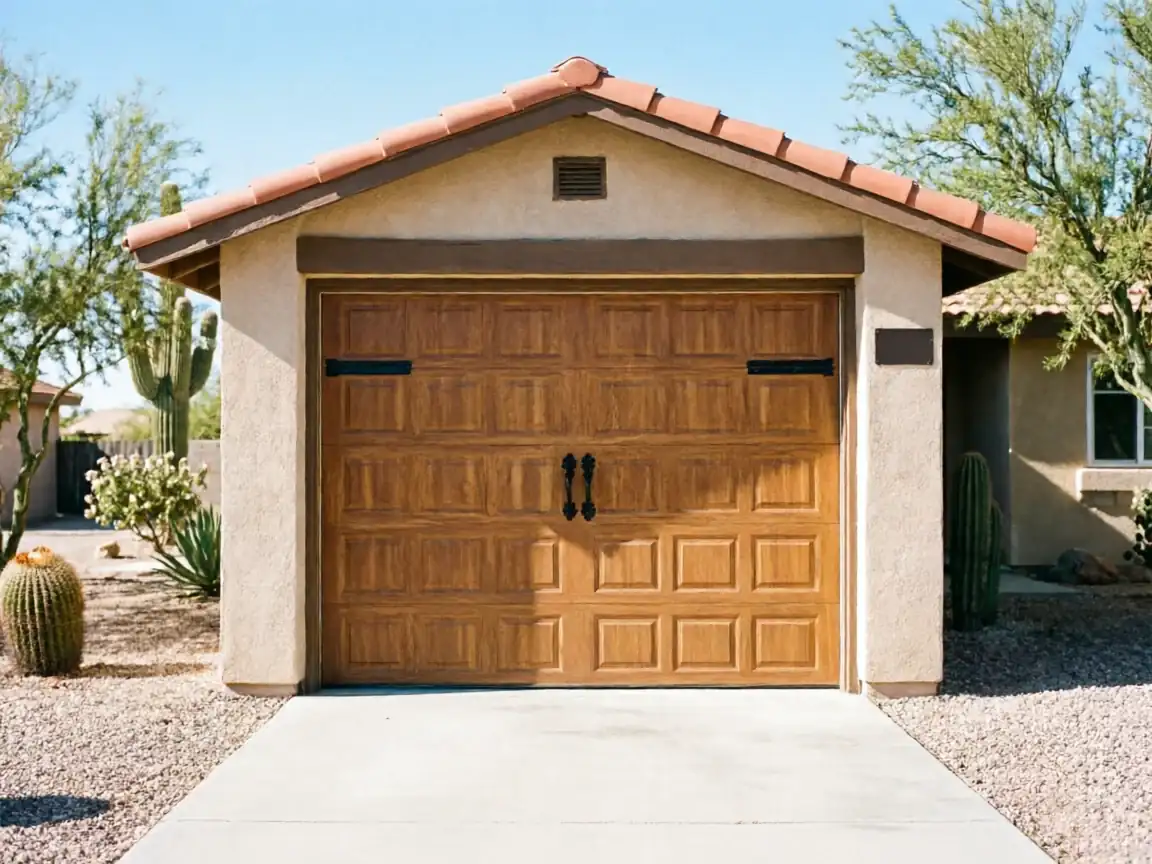
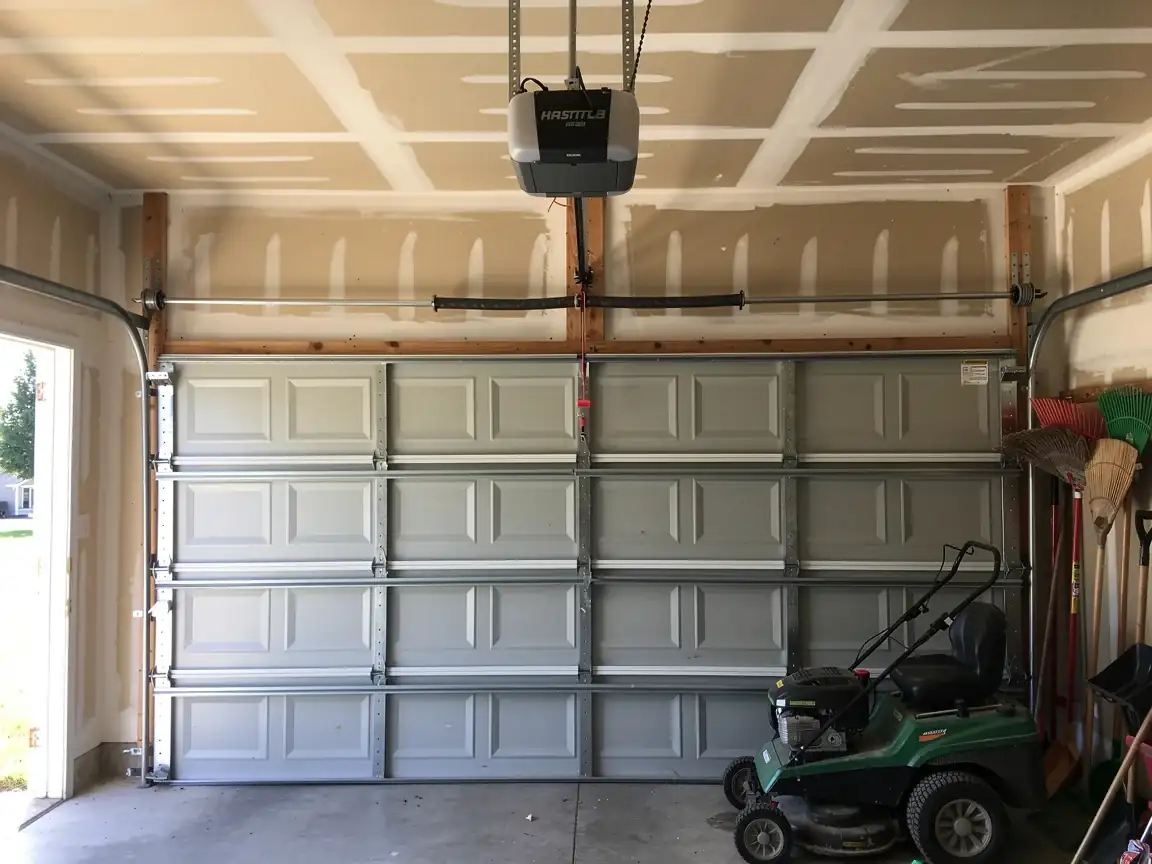
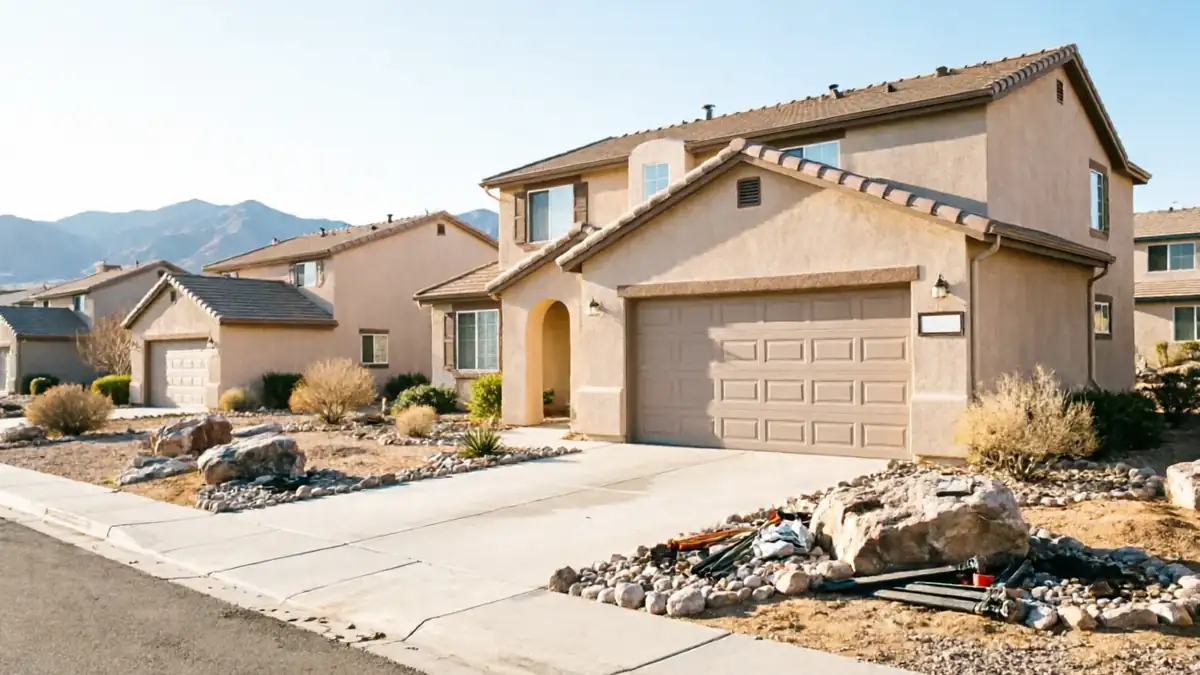
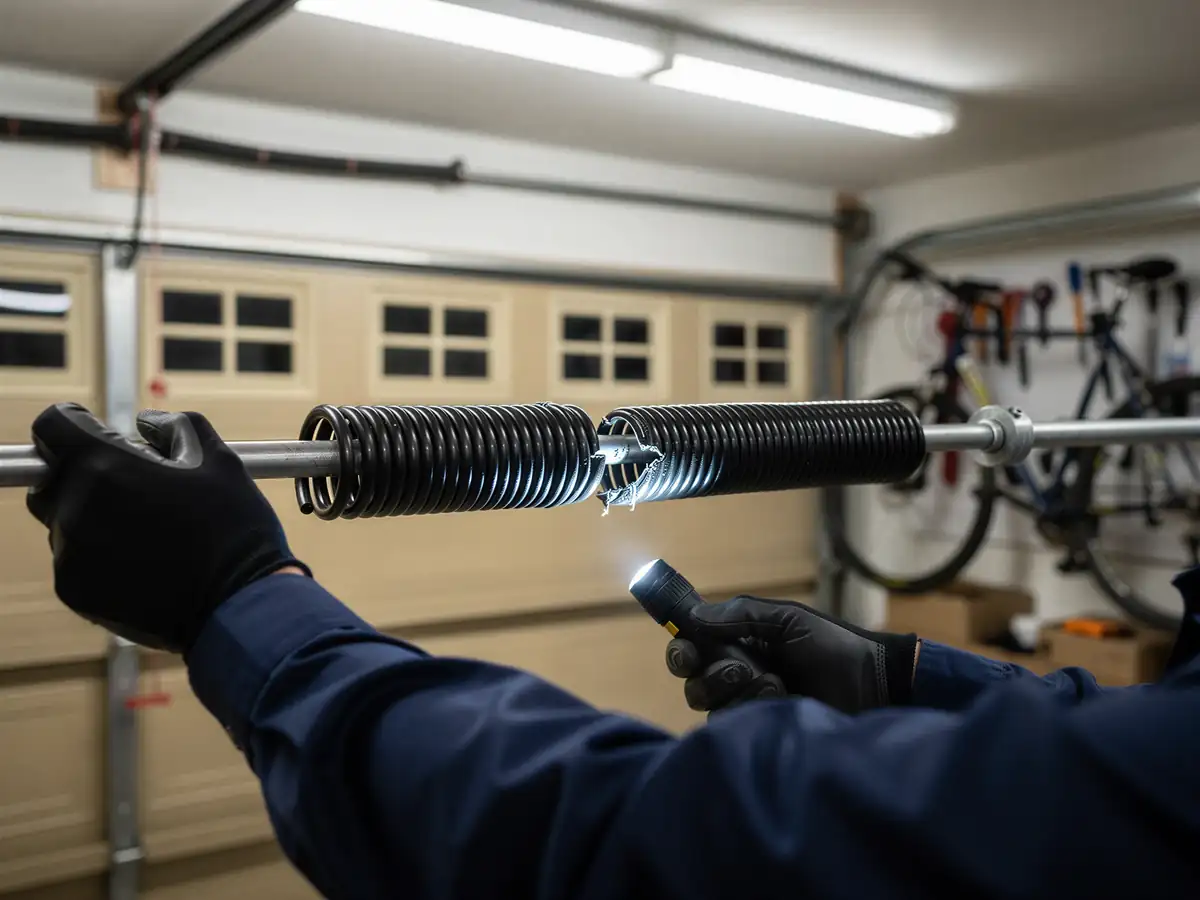
Most houses across the Queen Creek service area went up between 1990 and 2004, with the median build year sitting at 1997. That means a lot of original torsion springs, factory lubricant, and first-generation nylon rollers are now pushing 25 to 35 years old, right at the edge of their service life even in a mild climate. This isn't a mild climate. The area sits in a severe heat band, and garage interiors here routinely run far hotter than the outside air in summer. Heat does three things to this hardware: it bakes factory grease out of the torsion spring coils, it dries and cracks nylon rollers until they chip instead of roll, and it stresses opener logic boards and gear sets that were never cooled by anything but a closed metal box. A handful of older pockets in the four main neighborhood groups still run 1980s and 90s hardware, which predates current safety cable and auto-reversal standards. Put the age of the housing stock together with the climate and you get a predictable pattern: springs that fatigue early, rollers that seize or shatter, and openers that strain months before an owner expects trouble. None of this is dramatic. It's just heat cycling doing its slow work on parts installed before anyone here was thinking about maintenance.
The Cost of This Job
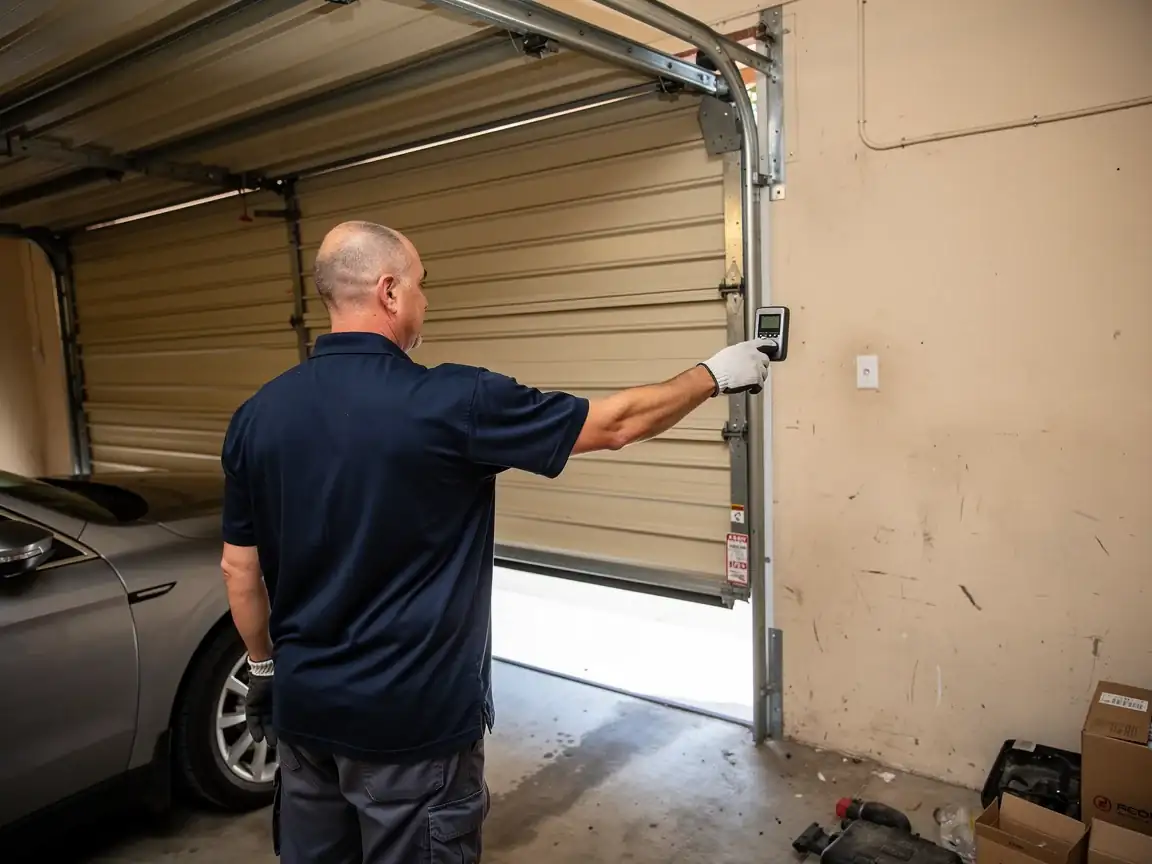
We don't post a flat number here because what a maintenance visit costs depends on what the house actually needs - a 1997-built door with original hardware takes more time and more parts than one that's been serviced regularly. What we can say is that catching wear early is almost always the cheaper path. A lubrication, roller check, spring tension adjustment, and opener inspection costs a fraction of an emergency torsion spring replacement or a full door swap, and it buys the hardware more years before it needs either. At a median household income of $76,259 across the service area, most owners we talk to would rather spend on a maintenance call now than get hit with an after-hours repair later - and that's the honest trade-off we lay out on-site, not a hard sell toward whichever job pays more. One limitation worth naming: if a door is original to a 1990s build and the springs, rollers, and cables are all at end of life simultaneously, a maintenance visit becomes a part-replacement job on the spot. We won't pretend a $40 lube job fixes hardware that's already cracked.
What Is on the Truck
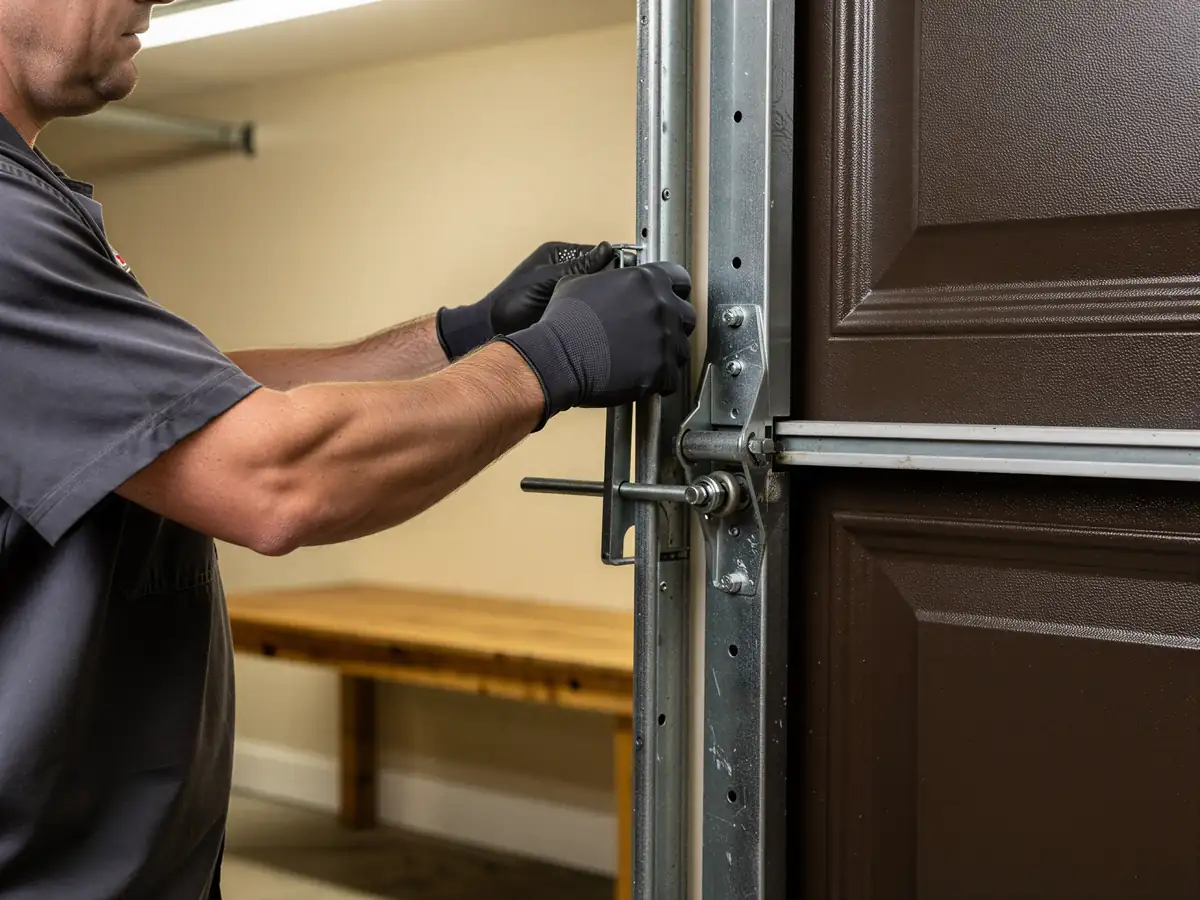
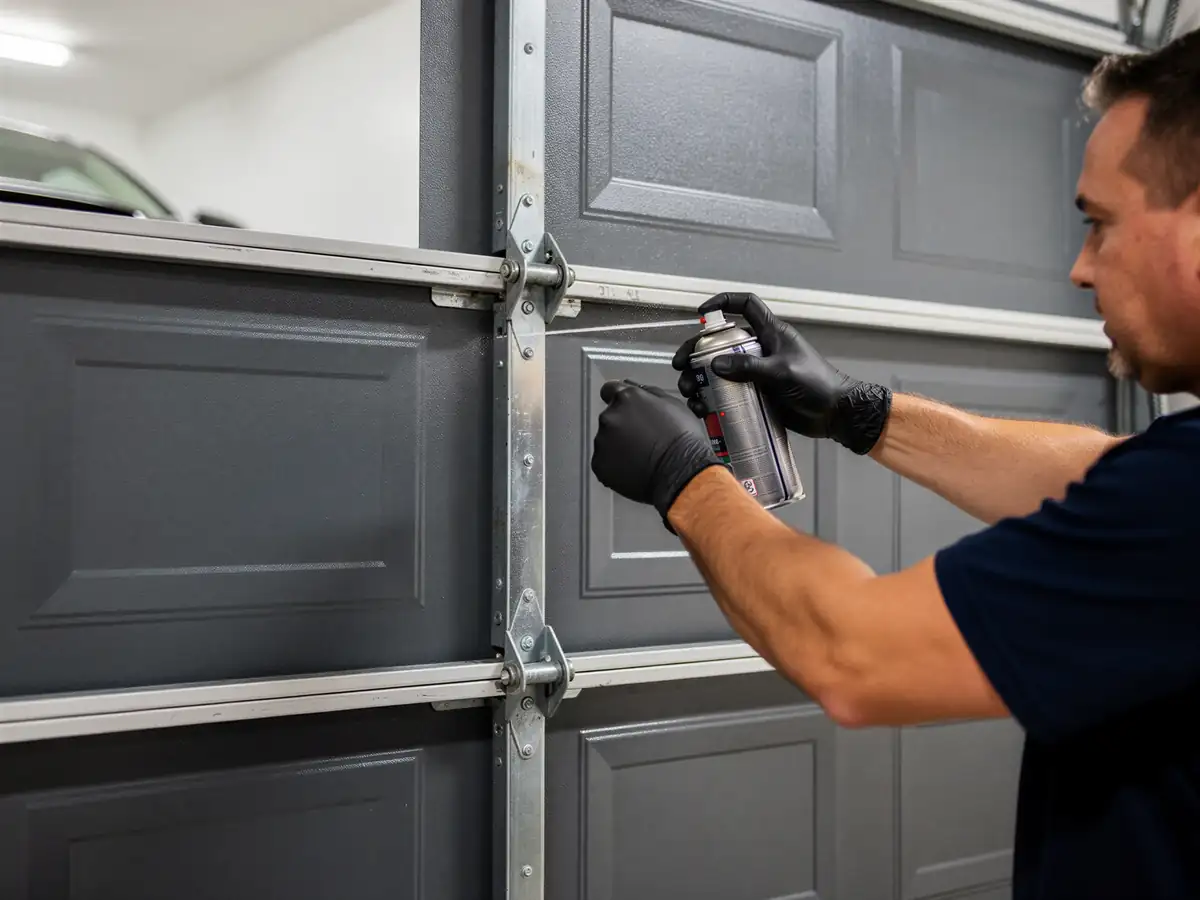
Because the housing stock we work on spans roughly 1990 to 2004 with pockets running 1980s and 90s hardware, the truck carries torsion springs sized for both eras, not just current production doors. That includes heavier-gauge springs rated for the heat band here, since standard-wind springs rated for milder climates fatigue faster under constant high-heat cycling. We stock high-temperature nylon rollers rather than the standard rollers that ship with most new doors, because standard rollers are the first thing to crack in a hot garage. Lubricant on the truck is a heat-stable, non-gumming grade - the stuff that doesn't turn to varnish when the garage sits over 120 degrees for weeks at a stretch. We also carry opener limit switches and gear sets common to units installed in the 1990s and 2000s building boom, since those parts wear out around the same age as the house. Covering the wider service area - Gold Canyon, Sacaton, Sun Lakes, Florence, all within 14 to 16 miles - means the truck is stocked for a mix of build eras, not a single cookie-cutter setup.