The Situation
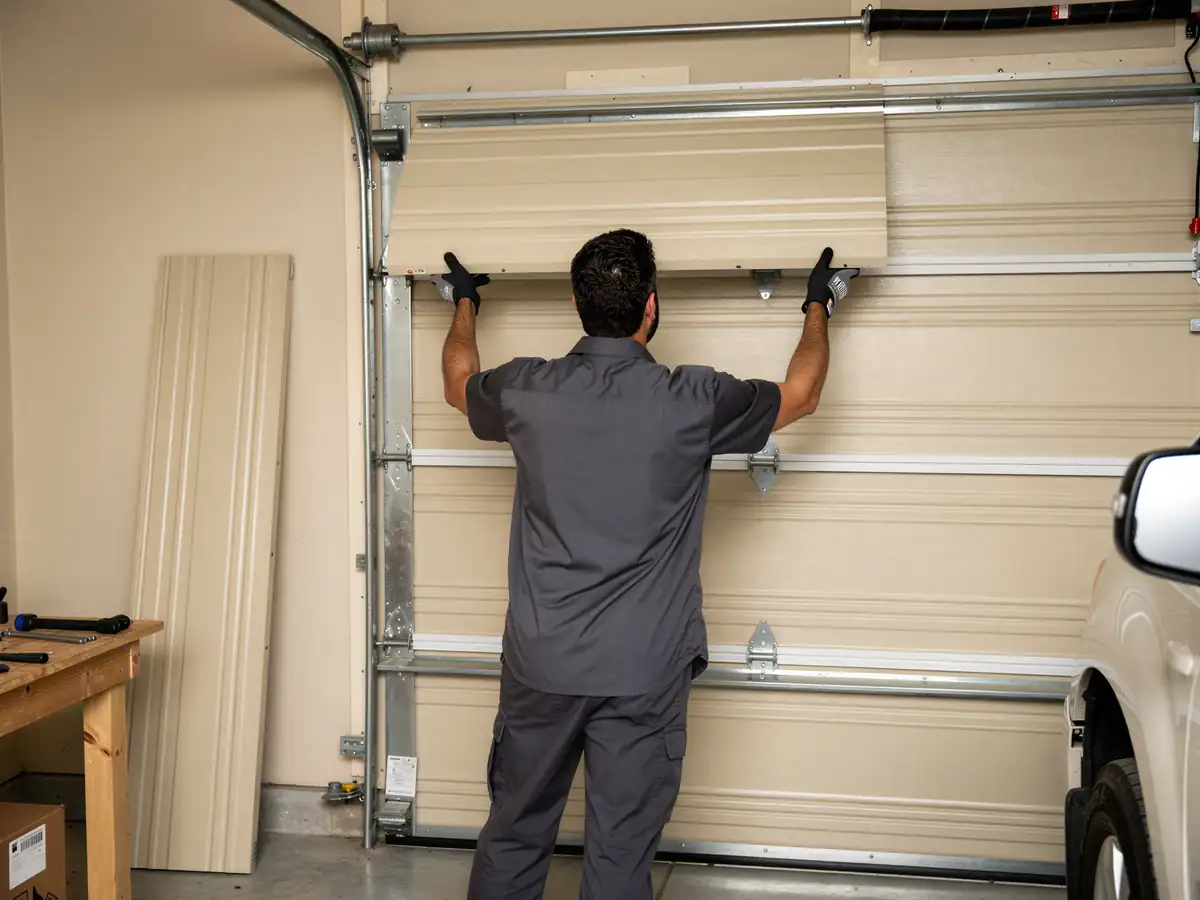
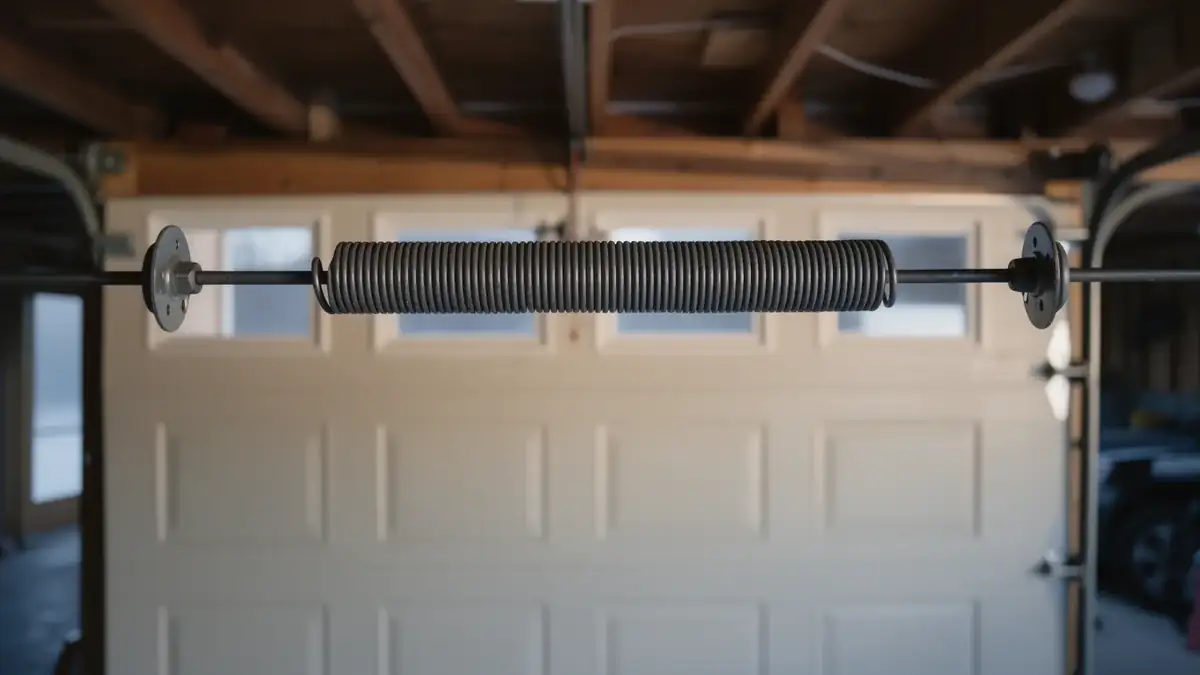
Most houses around here went up between 1990 and 2004, with the median landing right at 1997. That matters more than it sounds like it should. A door and opener installed when the house was built is now somewhere between 21 and 35 years old, and torsion springs are rated for cycles, not years - a typical spring is good for roughly 10,000 open-and-close cycles, which a lot of original units have already burned through. Openers from that era are worse off: circuit boards, capacitors, and belt or chain drives from the late 90s and early 2000s weren't built to run another two and a half decades. There's also older stock mixed in from the 1980s across a few pockets of the area, which pushes some of this hardware even further past its intended life. With 18,319 owner-occupied houses in the service area and a median household income of $76,259, most of what's on the road is still the builder-grade door and opener that came with the house, not an upgrade. That's not a knock on anyone - it's just the math of how old this stock is getting, and it's the reason a lot of calls start with 'it's always worked fine until now.'
What the Weather Here Does to It
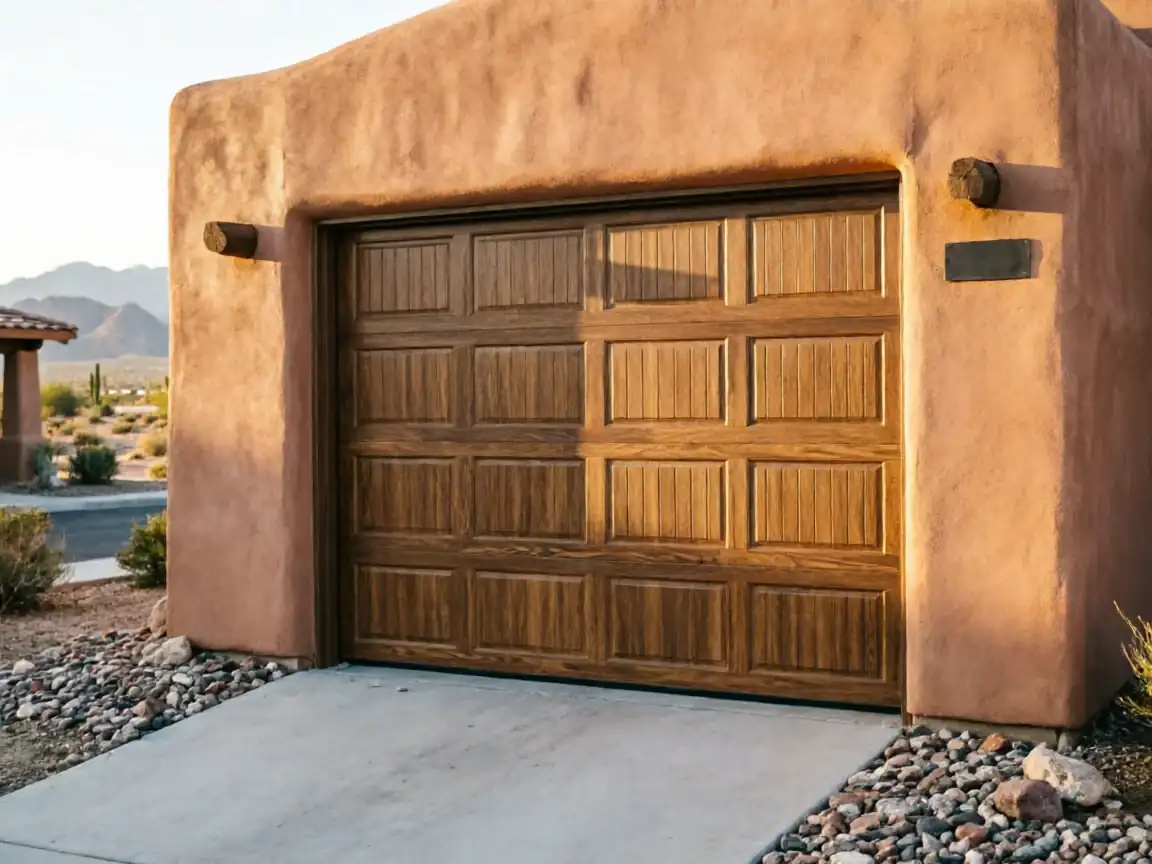
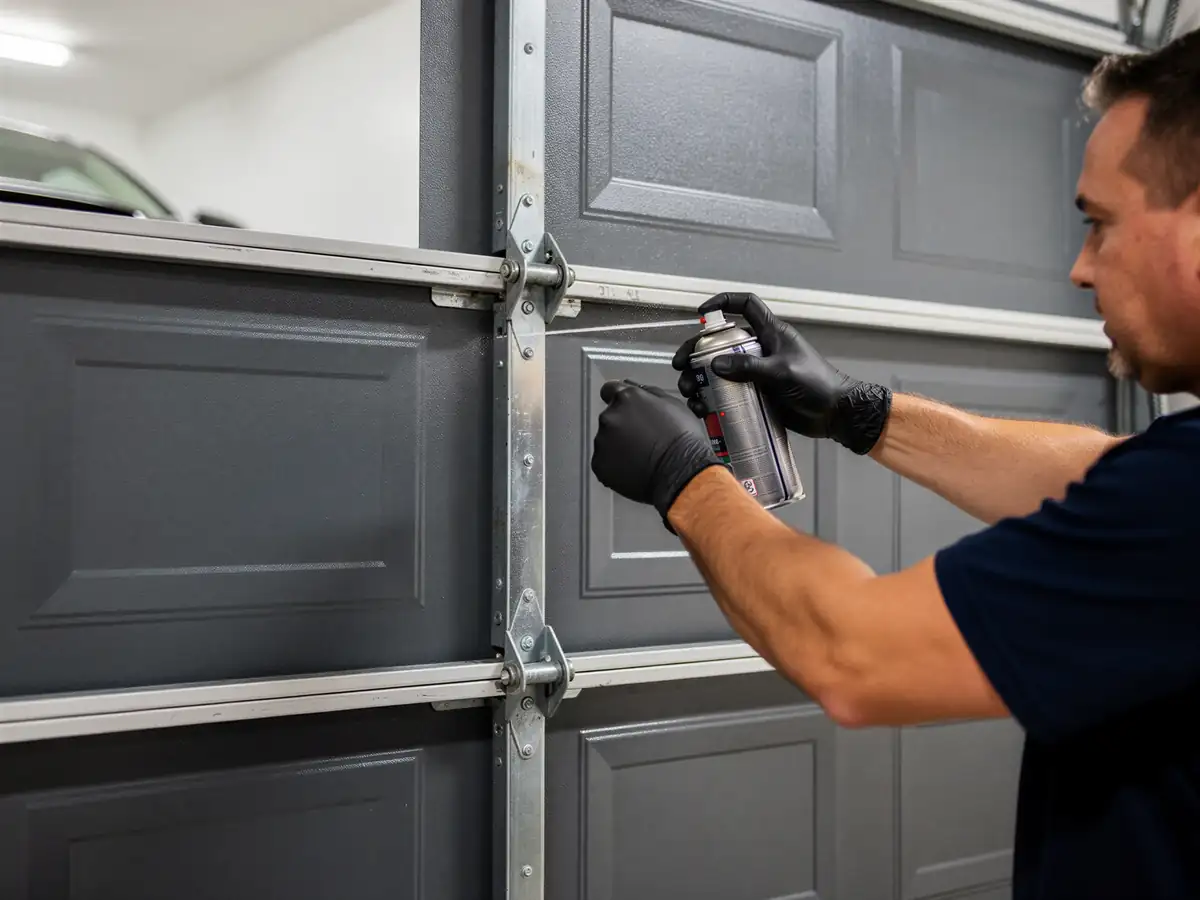
This is a severe-heat climate, and that's hard on garage door hardware in ways that aren't obvious from the outside. Spring lubricant breaks down faster at sustained high temperatures, so a torsion spring that looked and sounded fine in the spring can bind up or snap by late summer once the grease has thinned out and burned off. Plastic rollers and idler pulleys get brittle under repeated heat cycling and crack instead of wearing down gradually. The garage interior itself runs hotter than the outside air for most of the day, and that heat sits directly on the opener's circuit board, the photo-eye sensors near the floor, and any wiring insulation nearby - all of which have a shorter working life in sustained heat than they would somewhere milder. None of this is dramatic on any single day. It's cumulative, which is exactly why it's easy to ignore until a part finally gives out on a 110-degree afternoon, usually the worst time to be stuck with the door open or closed wrong.
What to Check
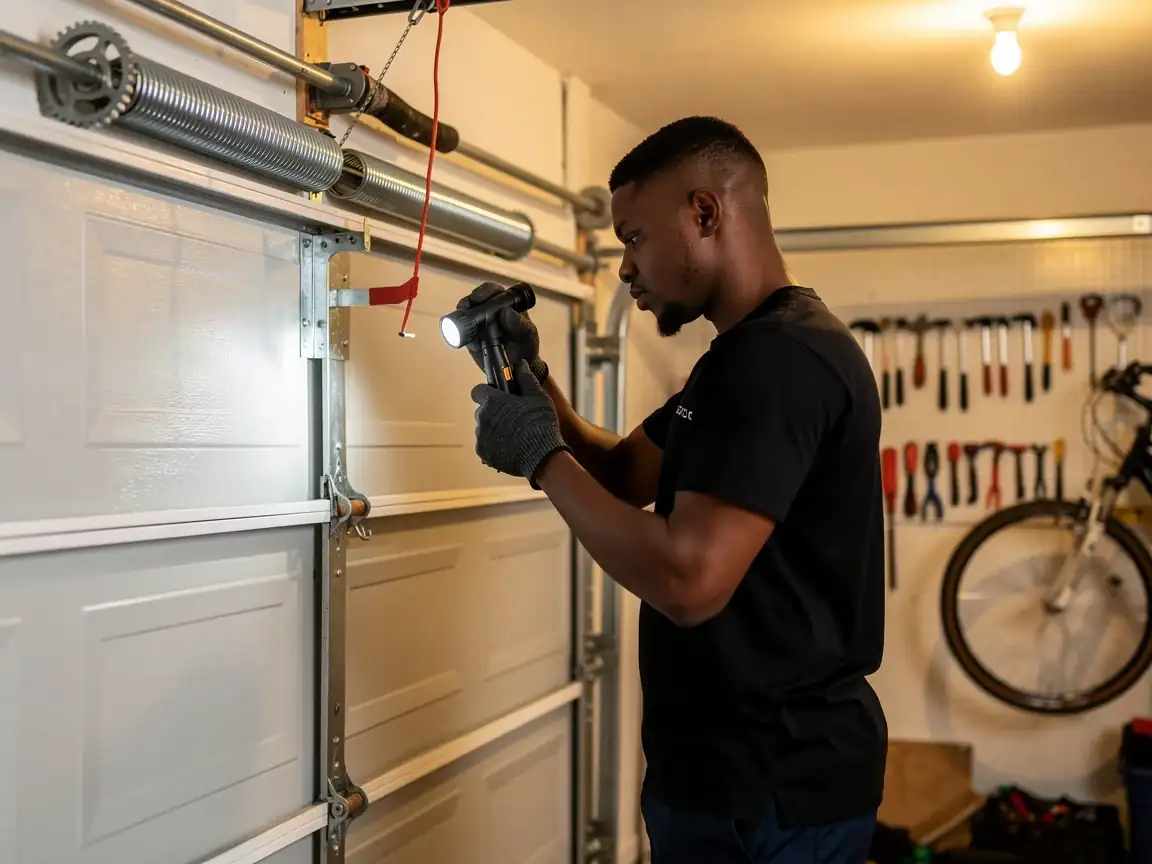
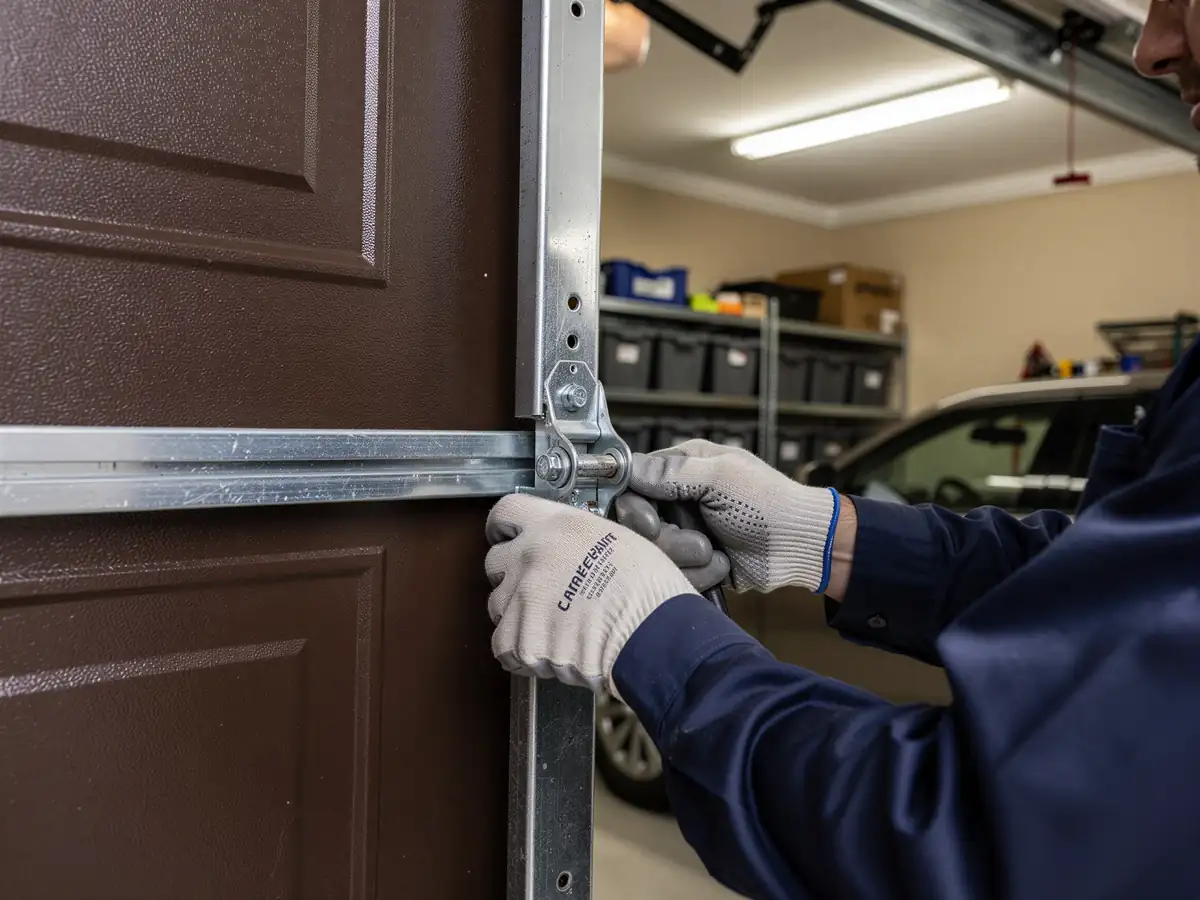
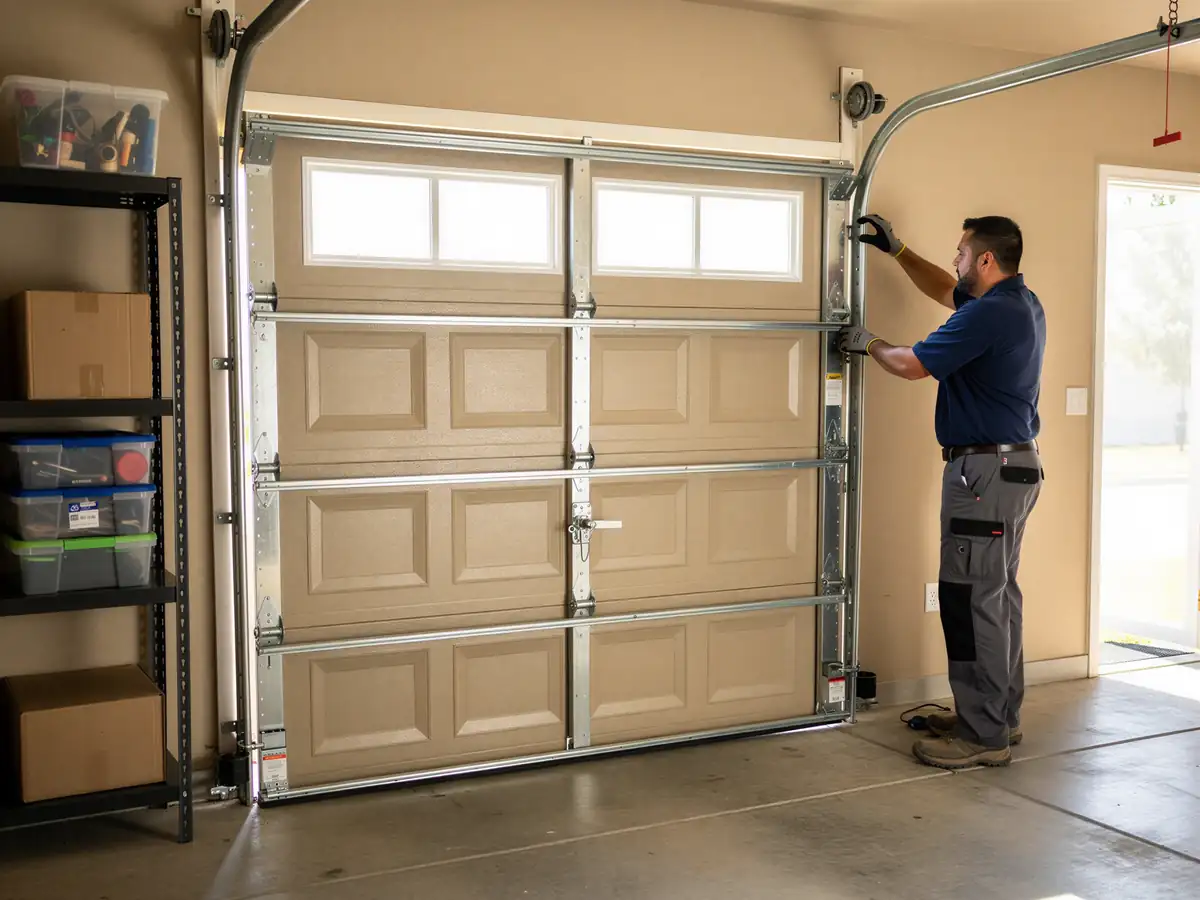
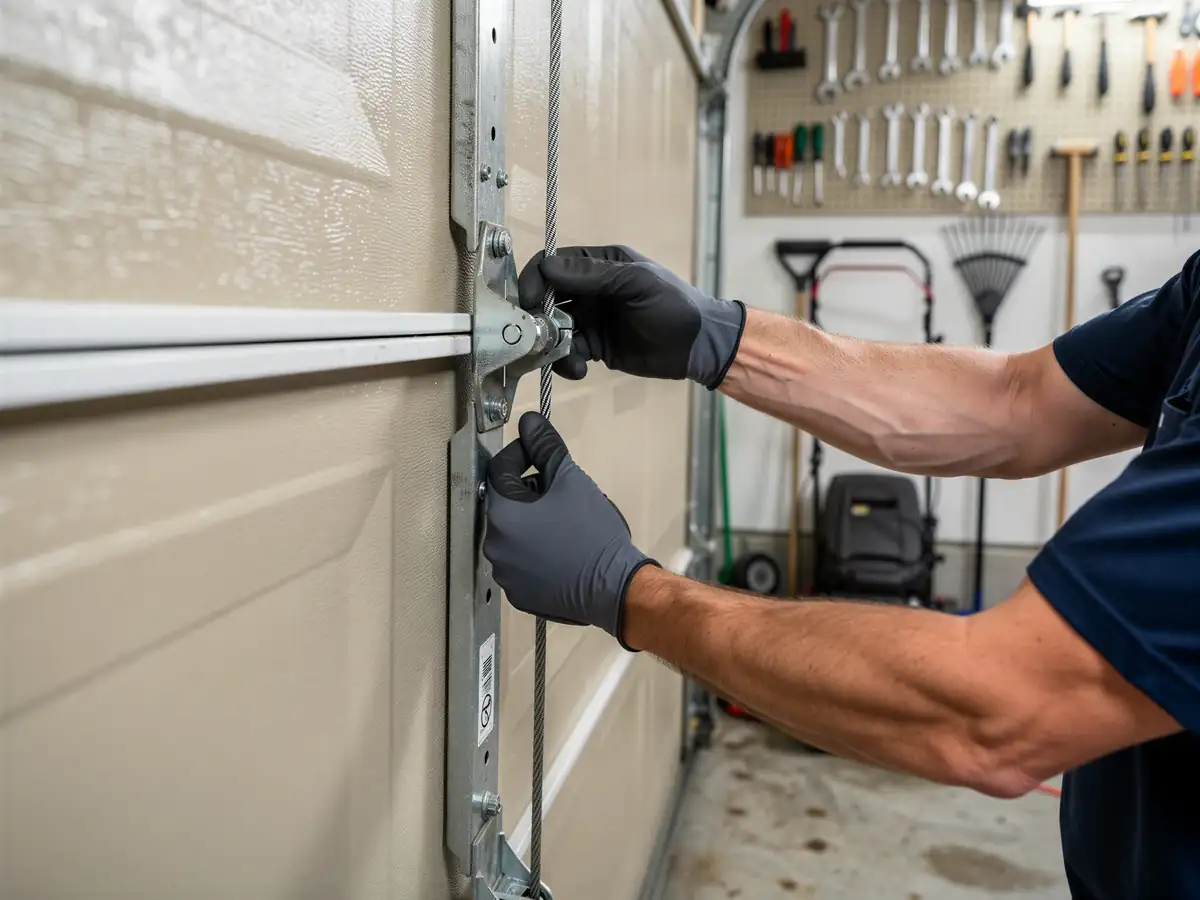
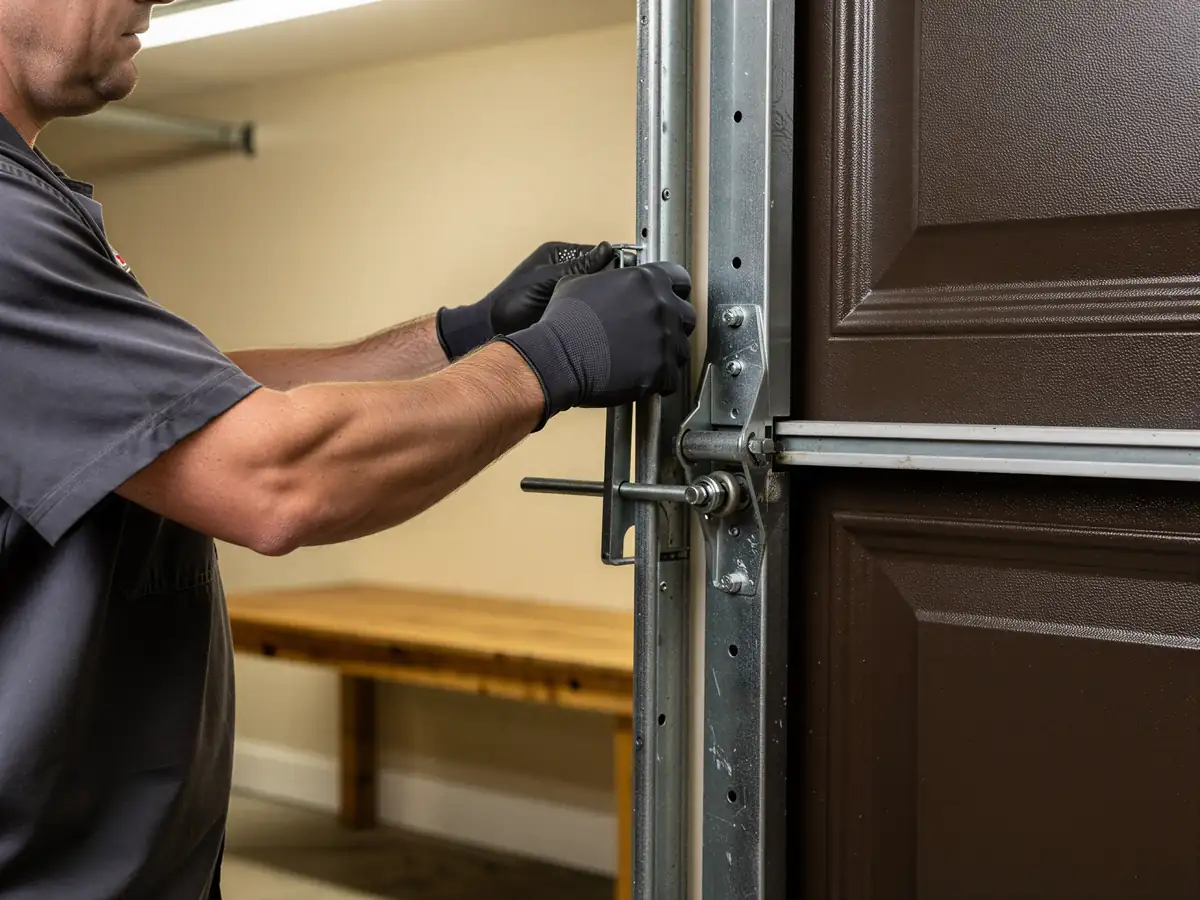
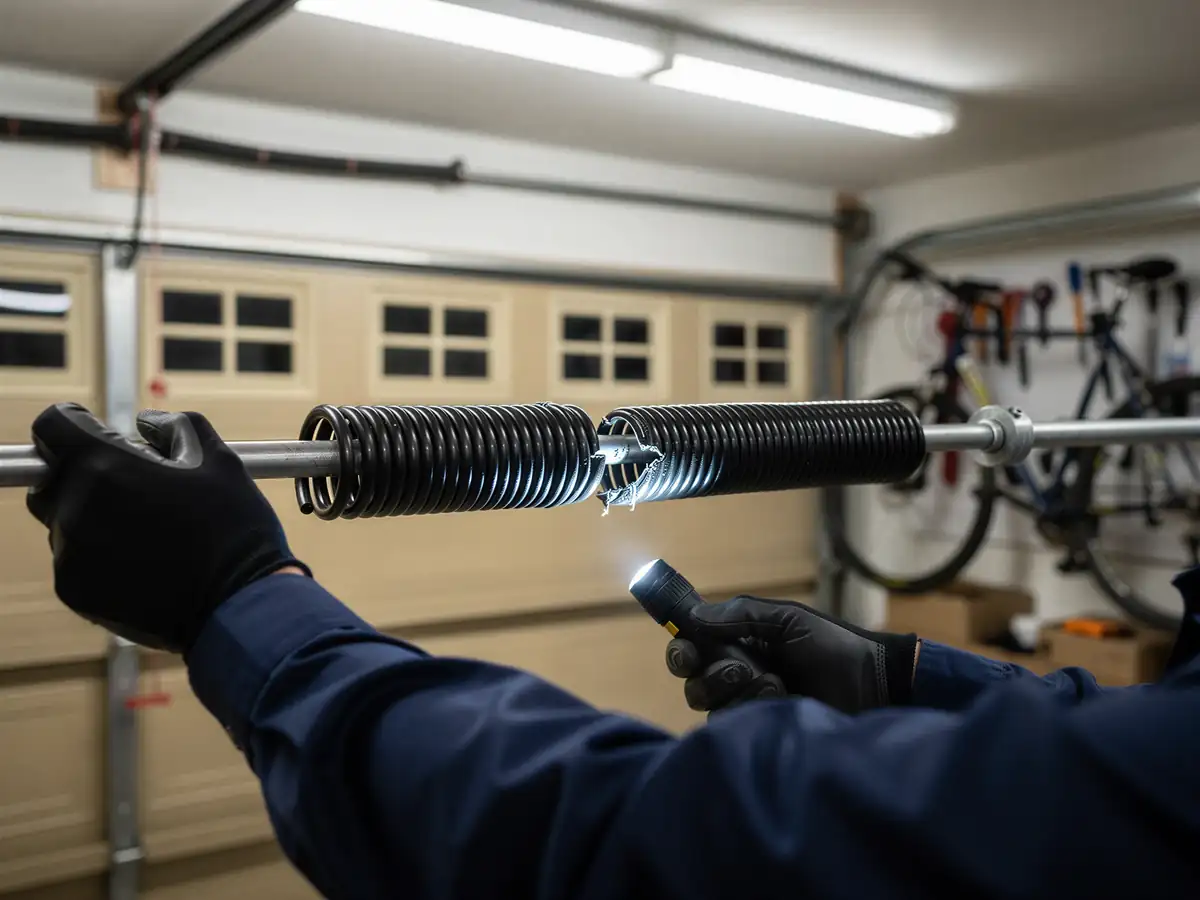
Twice a year is enough. Pull the manual release and lift the door by hand - it should move smoothly and hold at about waist height on its own. If it drops or feels heavy, the springs are losing tension. Look at the springs themselves for gaps between coils, rust, or a dull gray coating instead of the original finish. Check the lift cables for frayed strands, especially near the bottom bracket. Listen for grinding or popping from the opener during a normal cycle - that's usually a gear or a worn roller, not something that fixes itself. Check the rubber weatherstripping along the bottom and sides; cracked or shrunk seals let heat and dust into the garage and are cheap to replace before they fail. None of this requires taking the door apart. If anything looks off, that's the point to call, not to wait for the part to finish failing on its own.