What Causes It Around Here
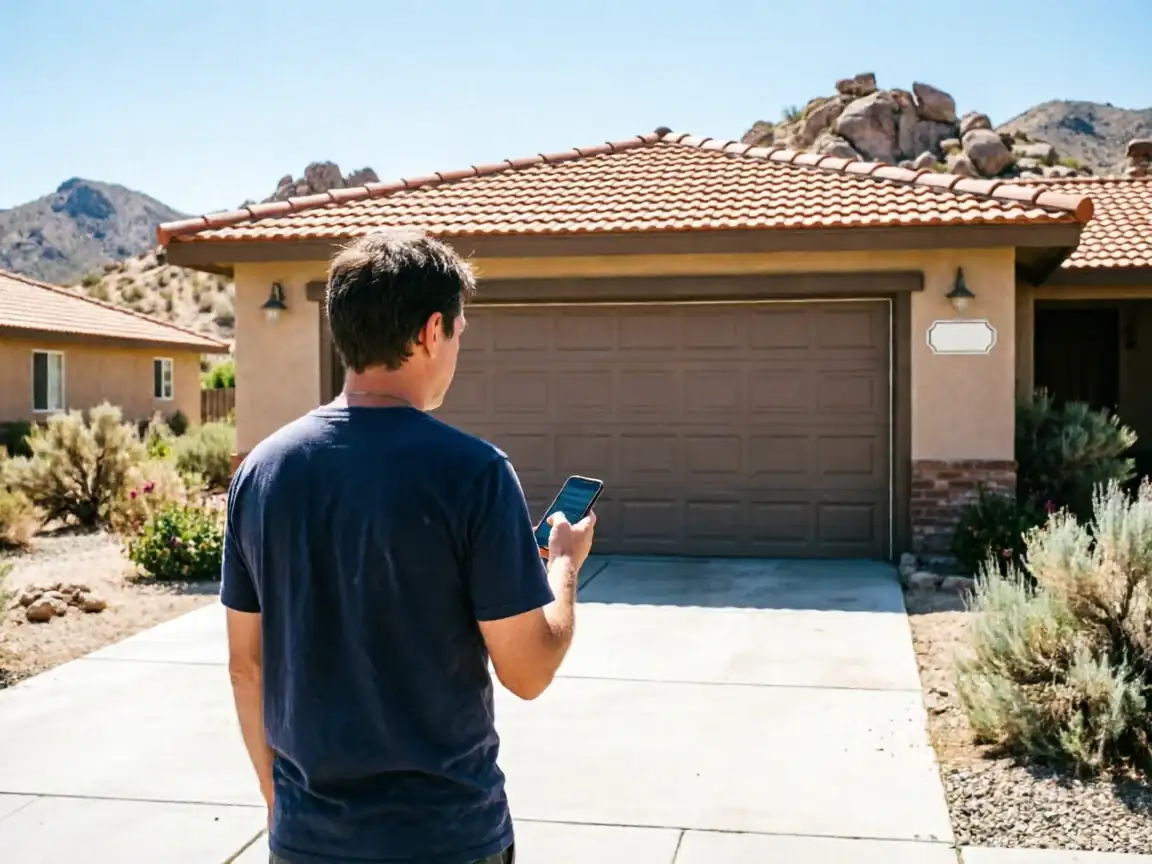
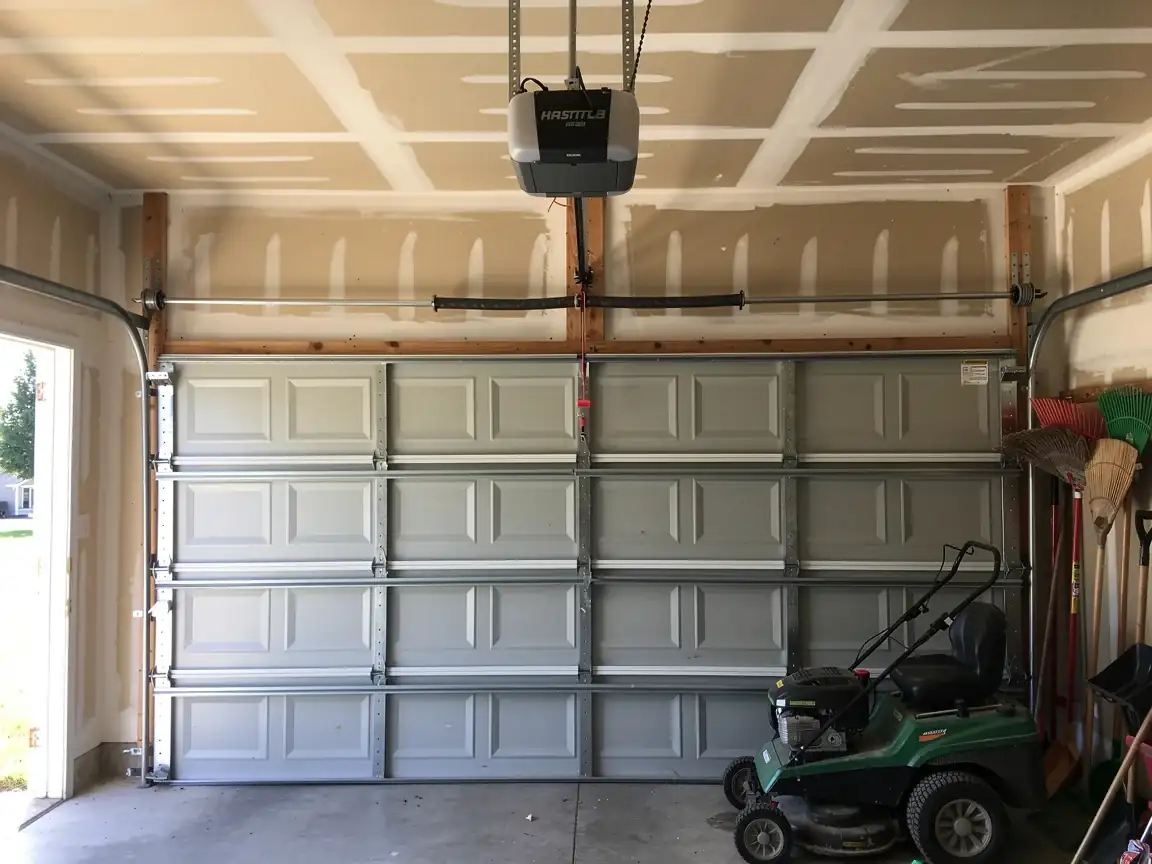
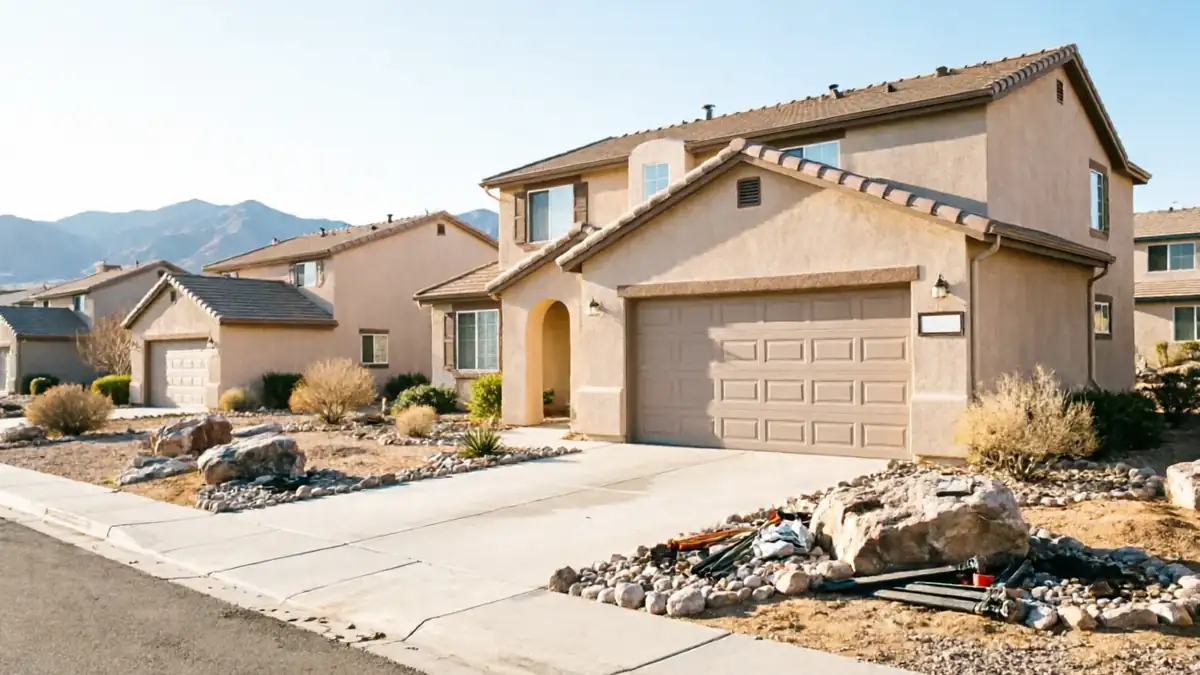
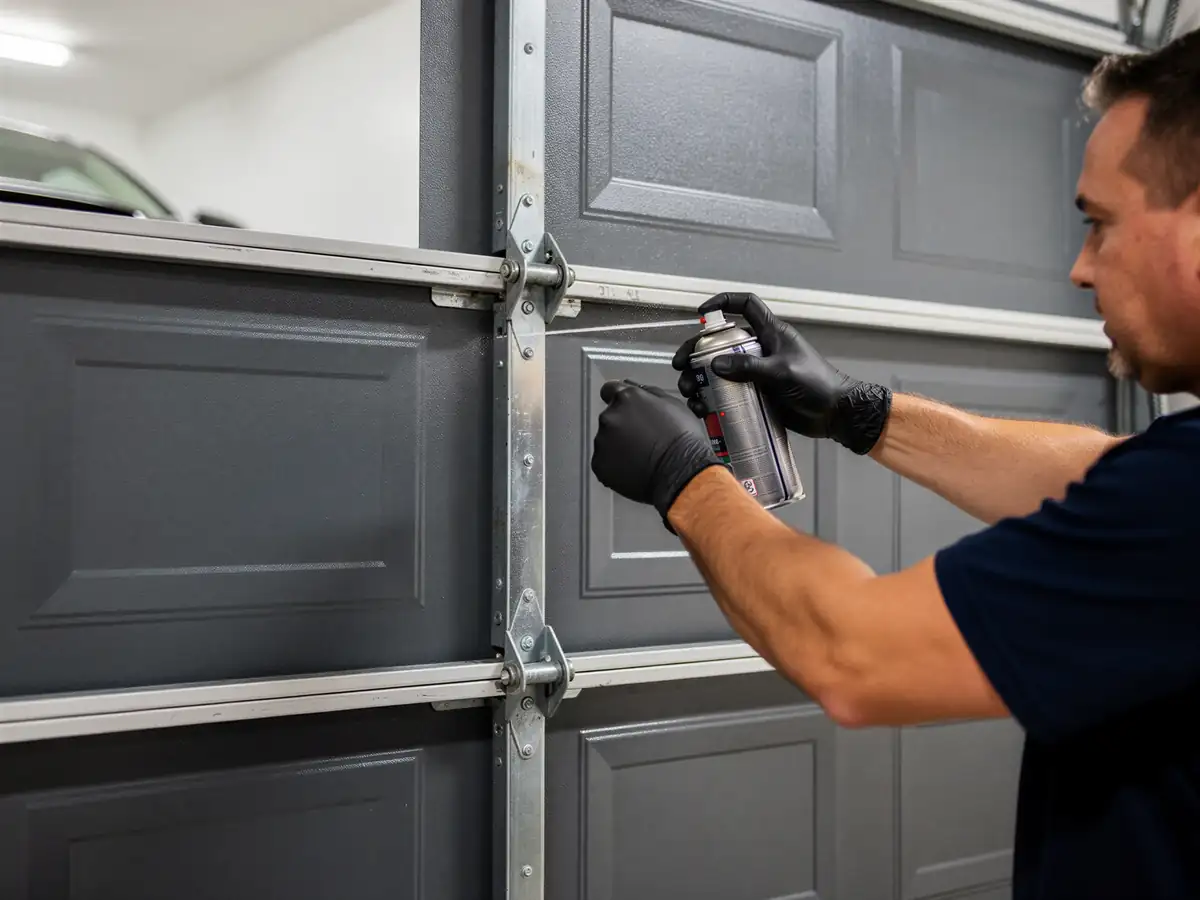
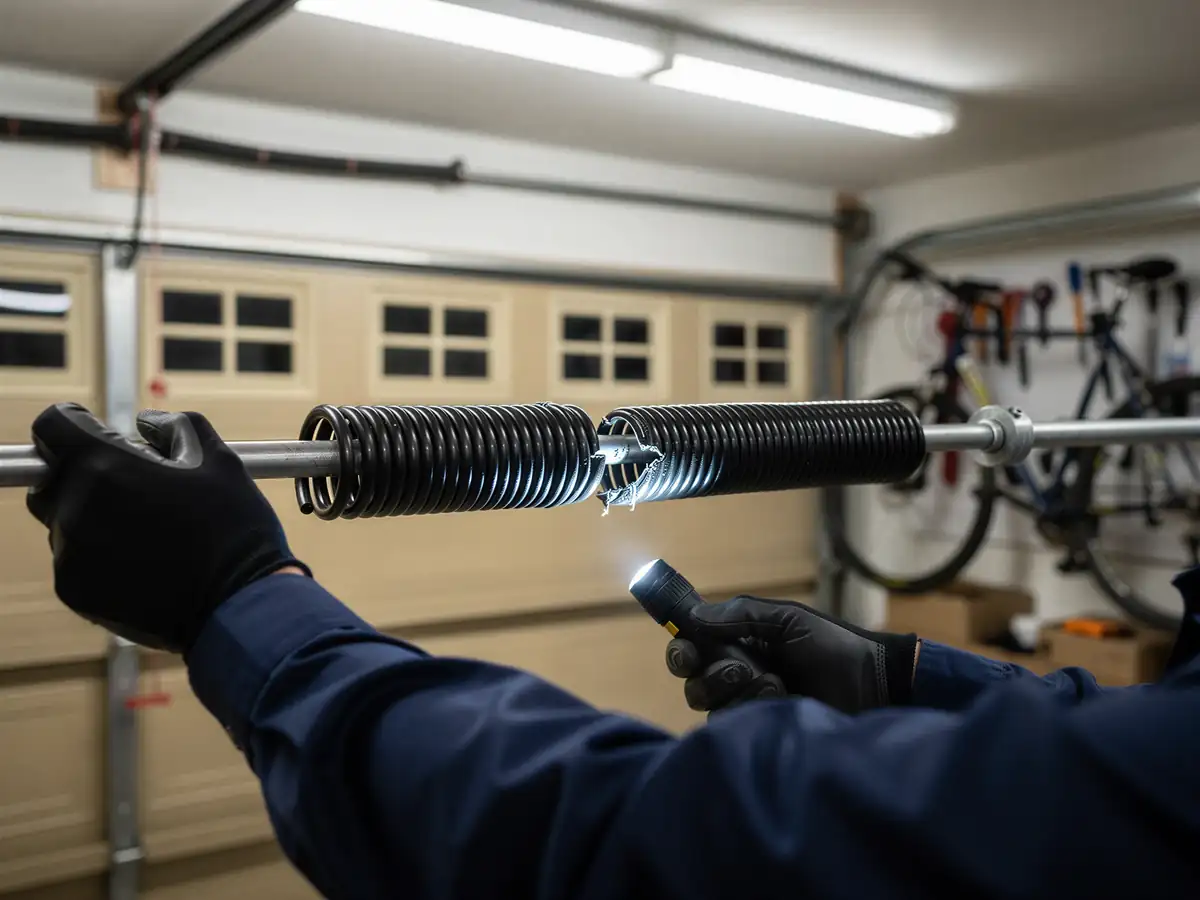
Most of the houses in this service area went up between 1990 and 2004, with the median build year sitting around 1997. That generation of door came with galvanized lift cables rated for a normal duty cycle, not for the kind of heat this valley puts out summer after summer. Queen Creek sits in a severe-heat climate band, and that heat does two things to a cable: it dries out the lubricant inside the drum and hardware faster than it would in a milder climate, and it makes the metal itself more brittle through repeated thermal cycling between a 150-degree garage in July and a cool night. Add in the dust that works its way into the drum grooves, and you get fraying at the drum, not just at the bottom bracket. Older one-piece doors from the earlier end of that 1990s housing wave are especially prone to this because the cable sits exposed along the track with no cover. Newer doors in the same subdivisions, built closer to 2004, usually have better-sealed drums, but they still run the same number of open-close cycles a year, and in this heat that adds up quicker than most owners expect.
The Cost of This Job
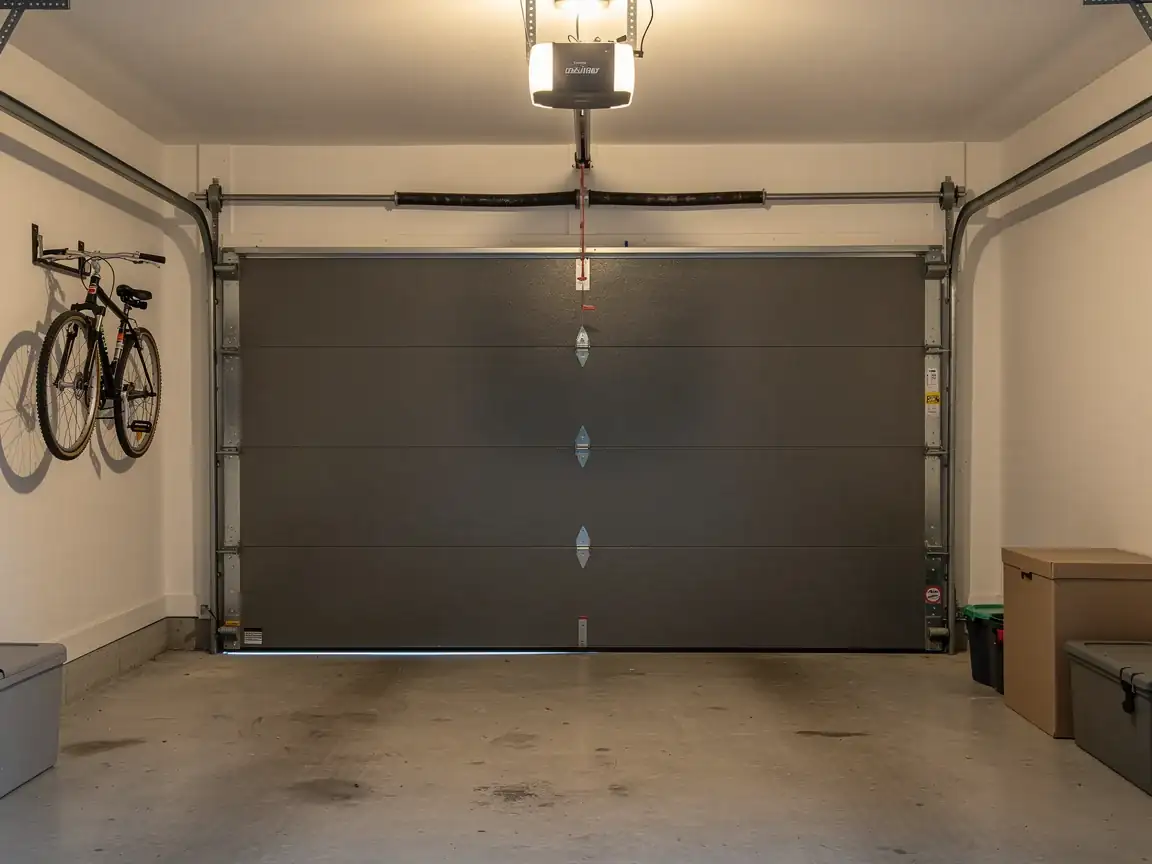
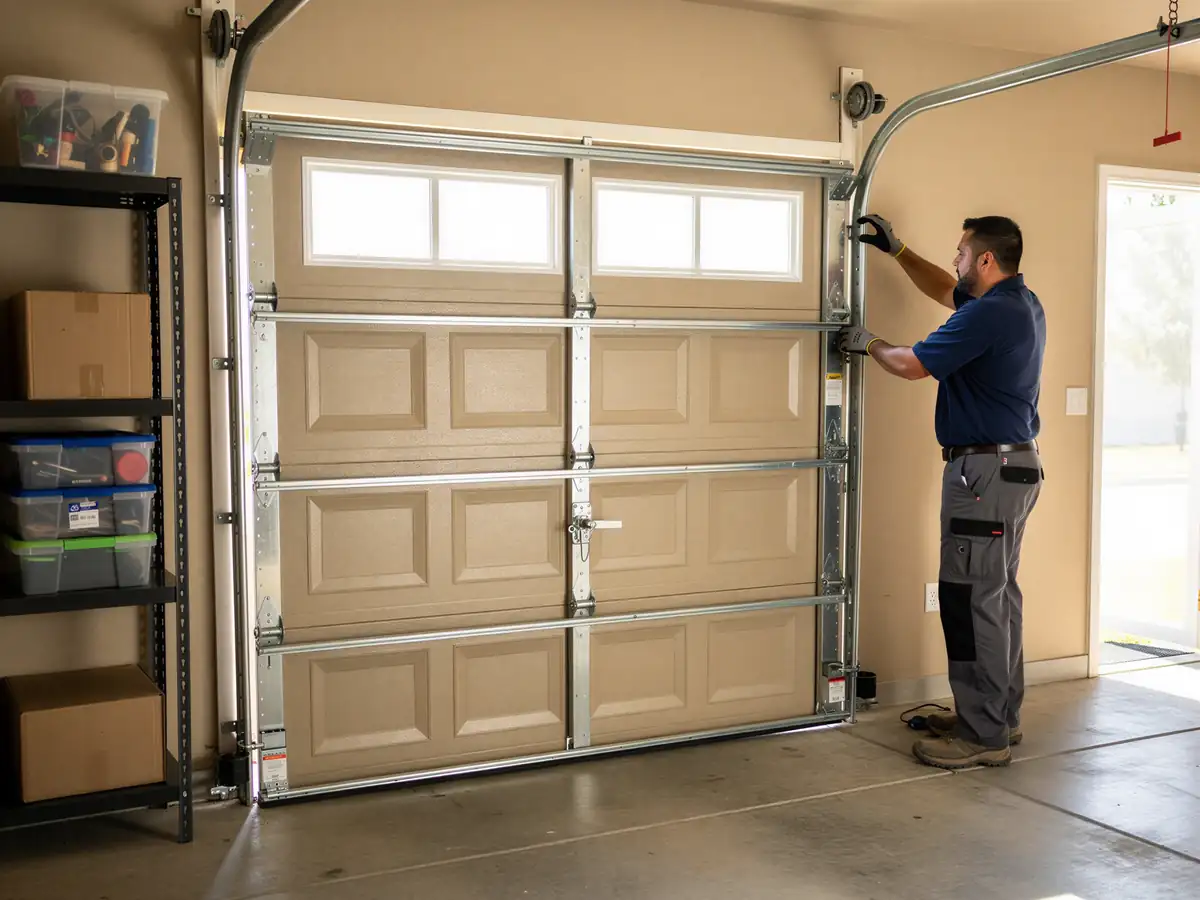
We don't have a flat number to quote here without seeing the door, because cable repair on a double-wide door with two torsion springs is a different job than a single door on an extension spring. What we can tell you is that a cable job on its own, caught before it damages the track or rollers, is a smaller repair than what it turns into if the door keeps running on a snapped cable. We price by what's actually worn versus what's still good, and we won't sell you a new opener or a full panel set to fix a cable. That said, if your drums are pitted or the bottom brackets are rusted through, which we do see on homes from the earlier part of the 1990s building wave, we'll tell you straight that replacing those parts alongside the cable is the better call rather than coming back out in six months.
What Is on the Truck
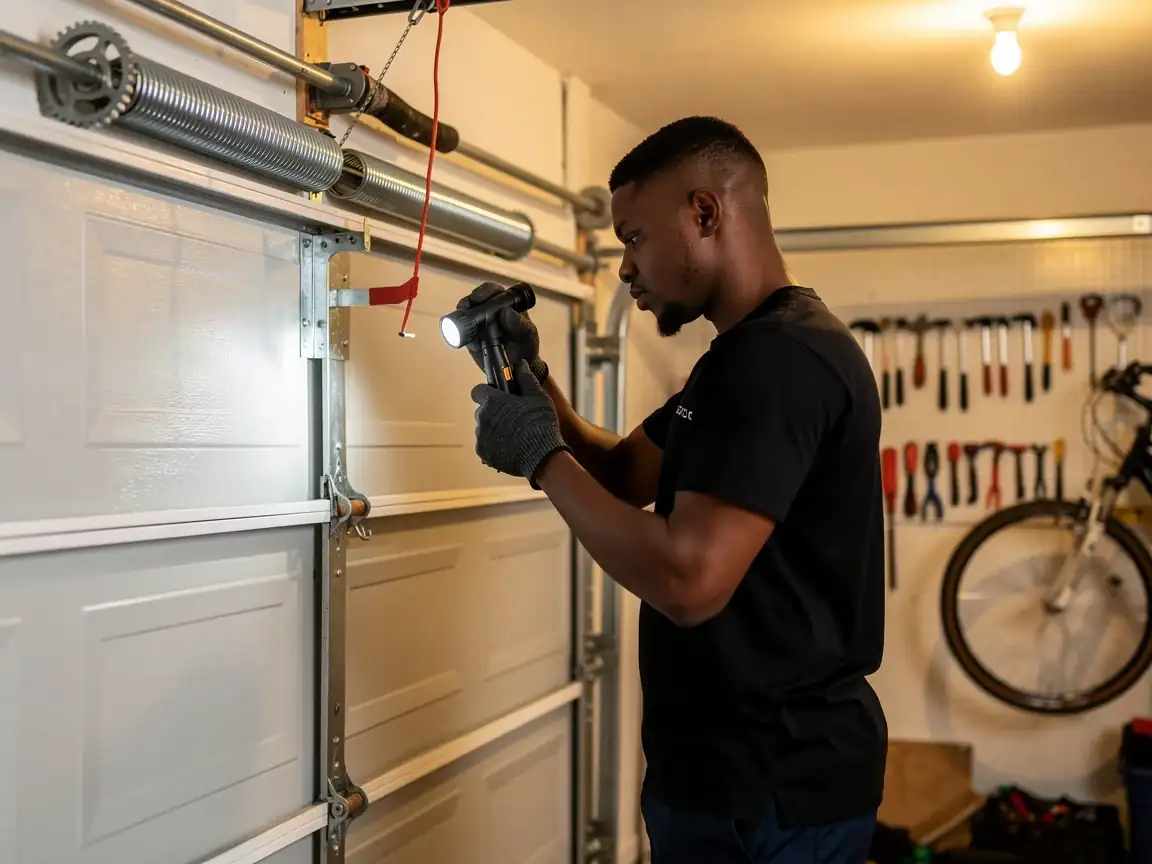
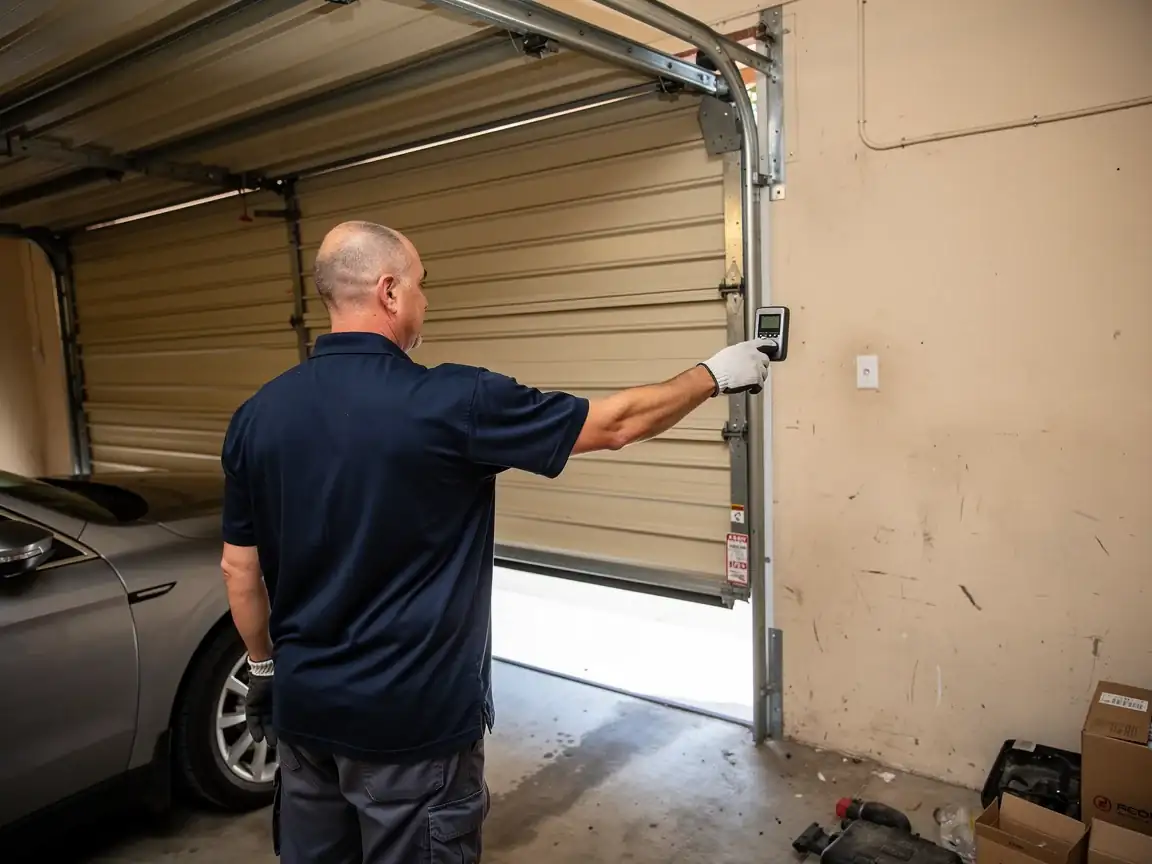
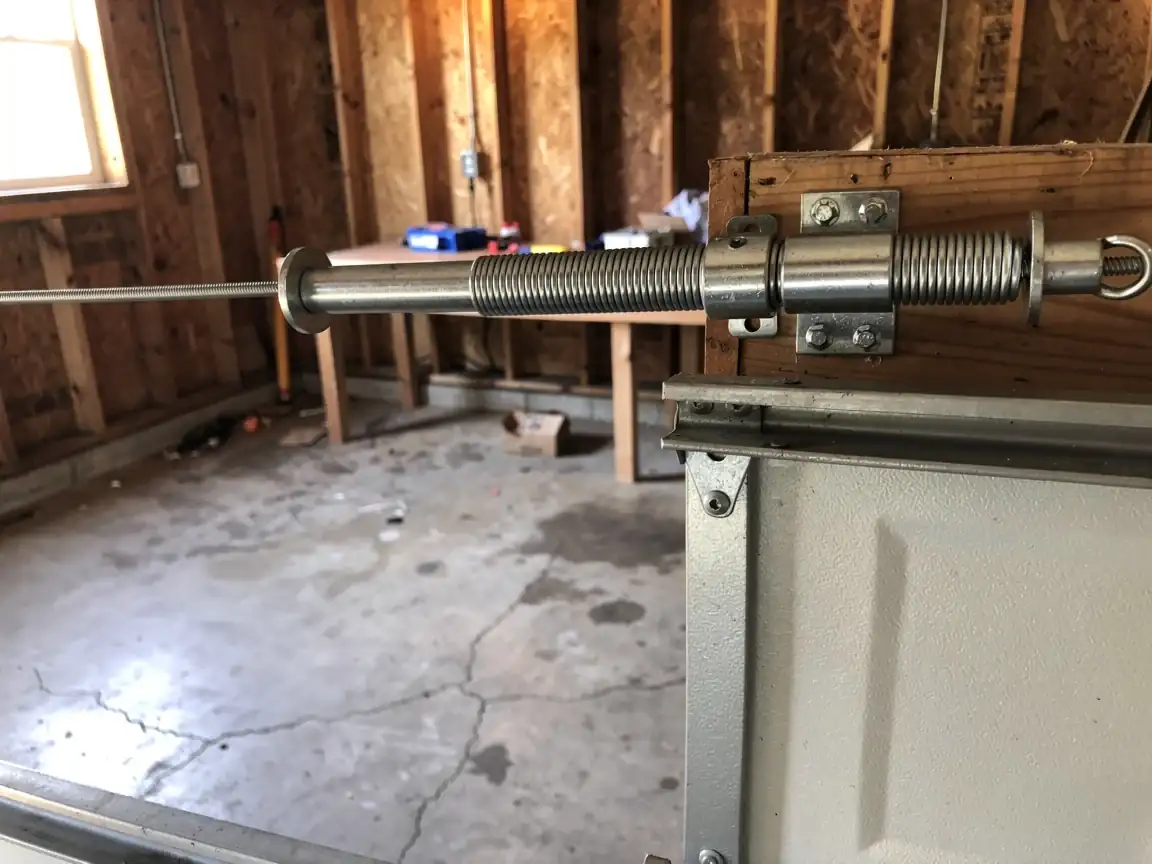
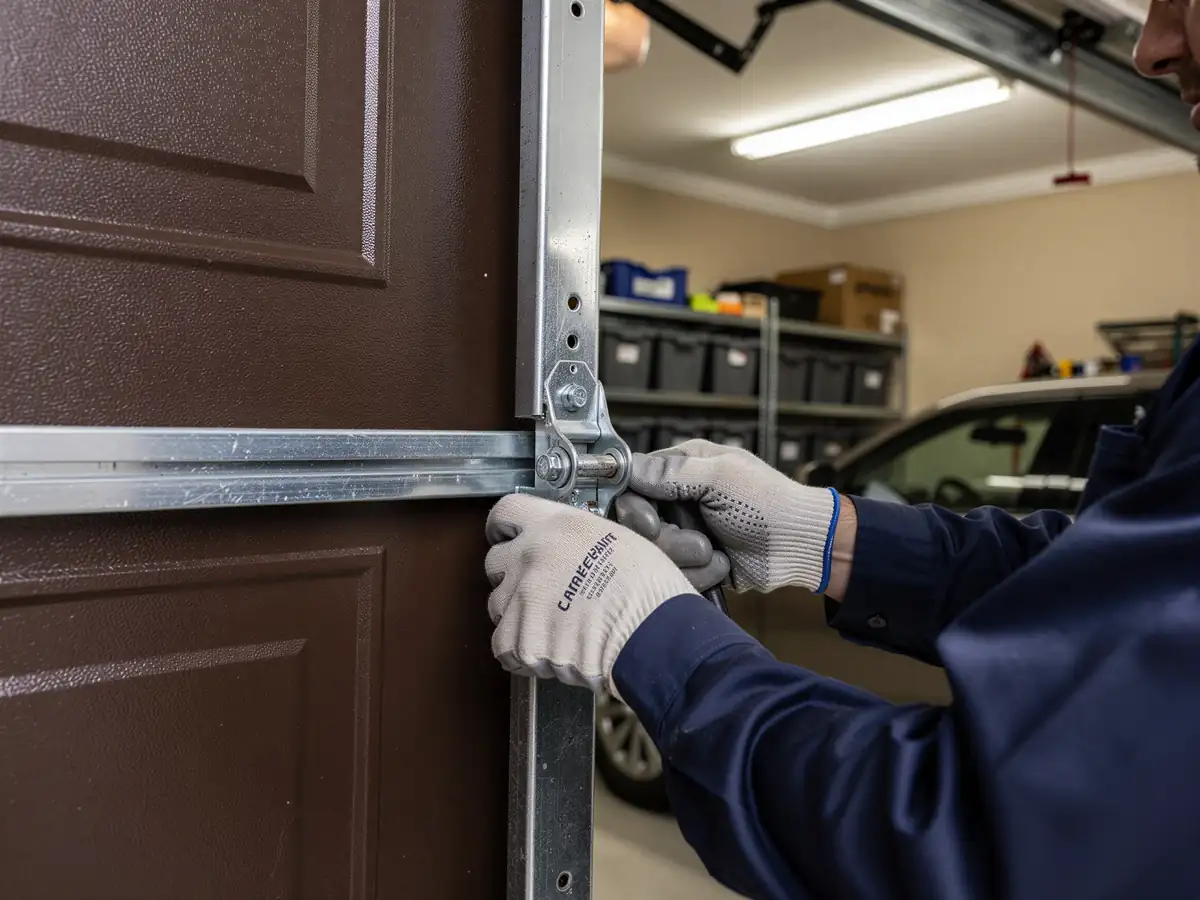
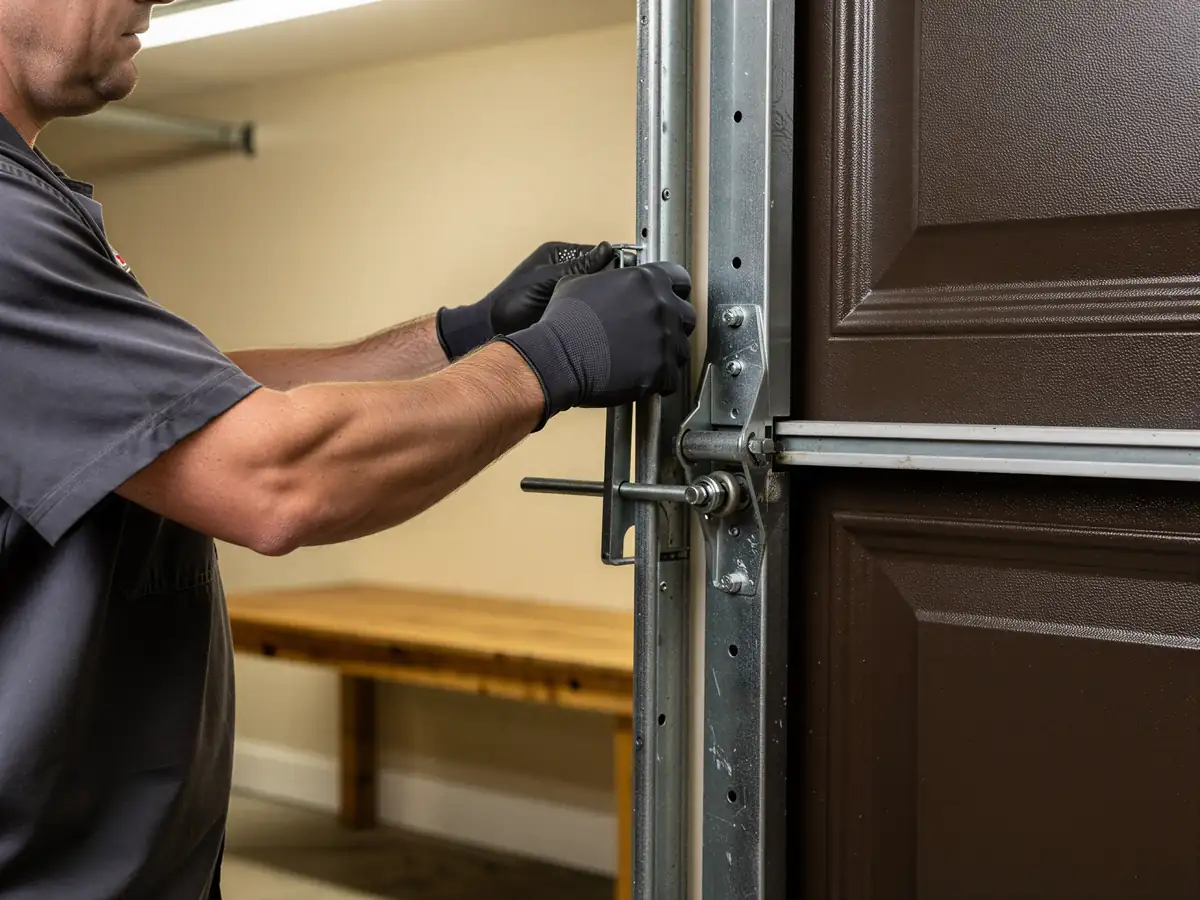
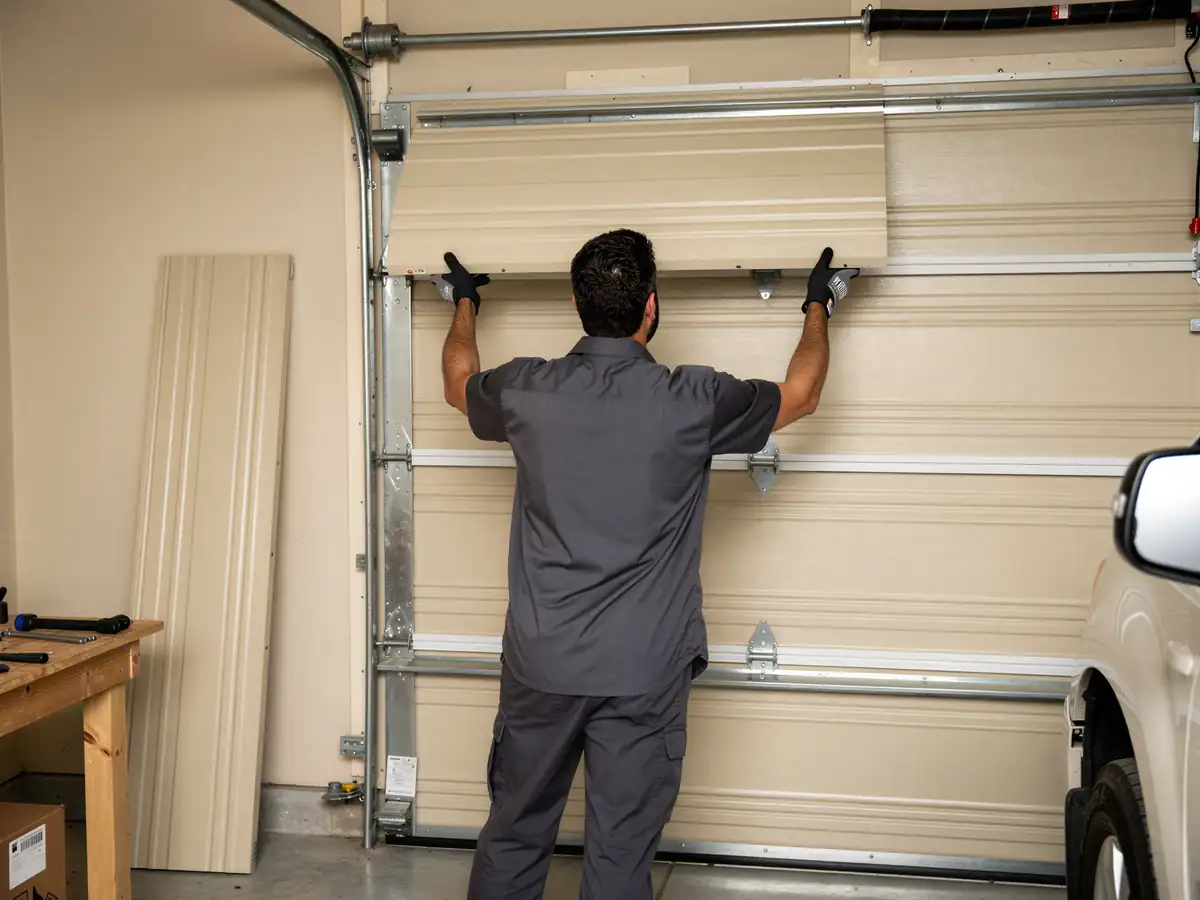
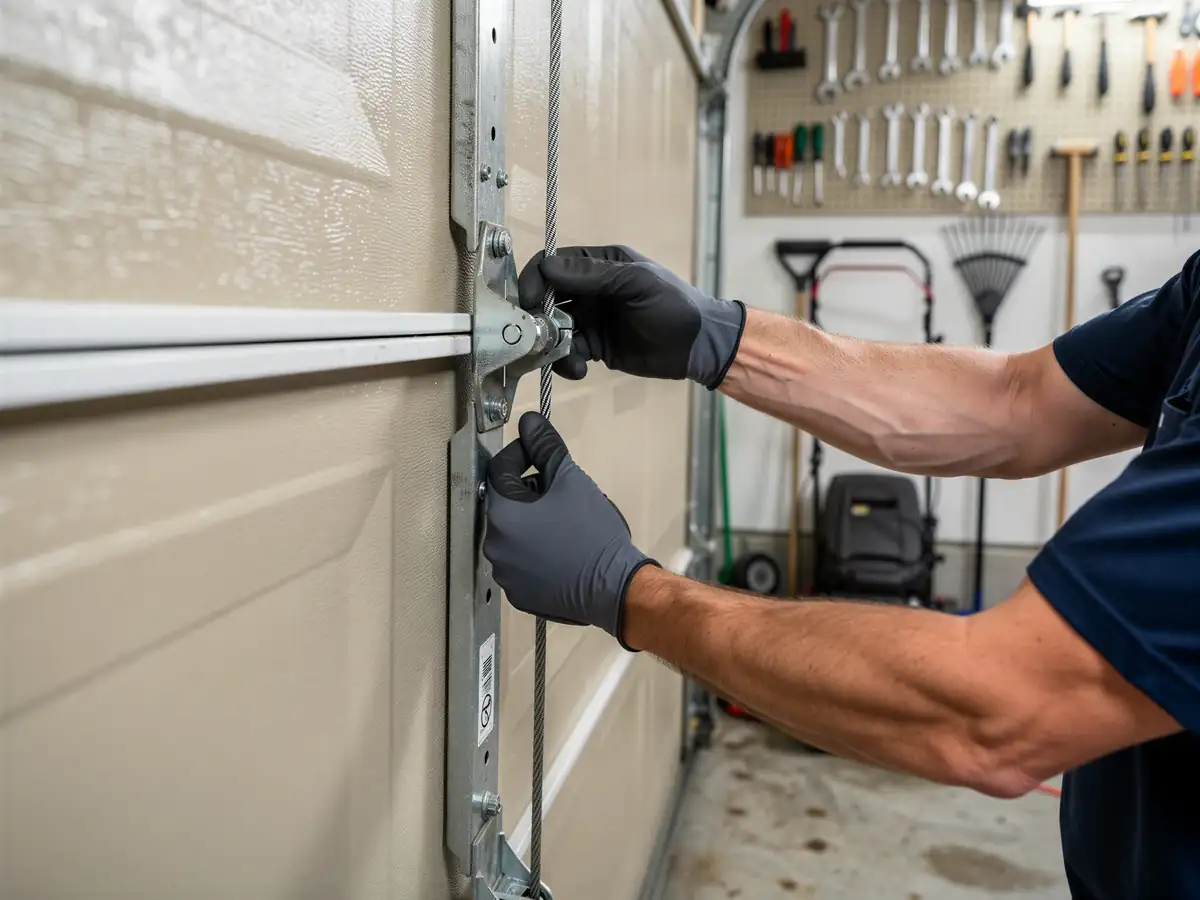
For a cable call we carry galvanized aerospace-grade lift cable in the standard lengths used on residential doors in this size range, plus the drums, bottom brackets, and set screws that usually fail alongside a worn cable. We stock both torsion and extension hardware since the service area has a mix of door ages and setups. We also carry replacement rollers and track sections, because a cable that's been running loose for a while almost always takes a roller or a track flange with it, and there's no point closing up the job halfway. One honest limit: if your door uses an odd or discontinued cable length from an older build we haven't run into before, we may need to order that specific part rather than finish same-day, and we'll tell you that up front instead of forcing a substitute that won't hold tension right.