Can You Do This Yourself
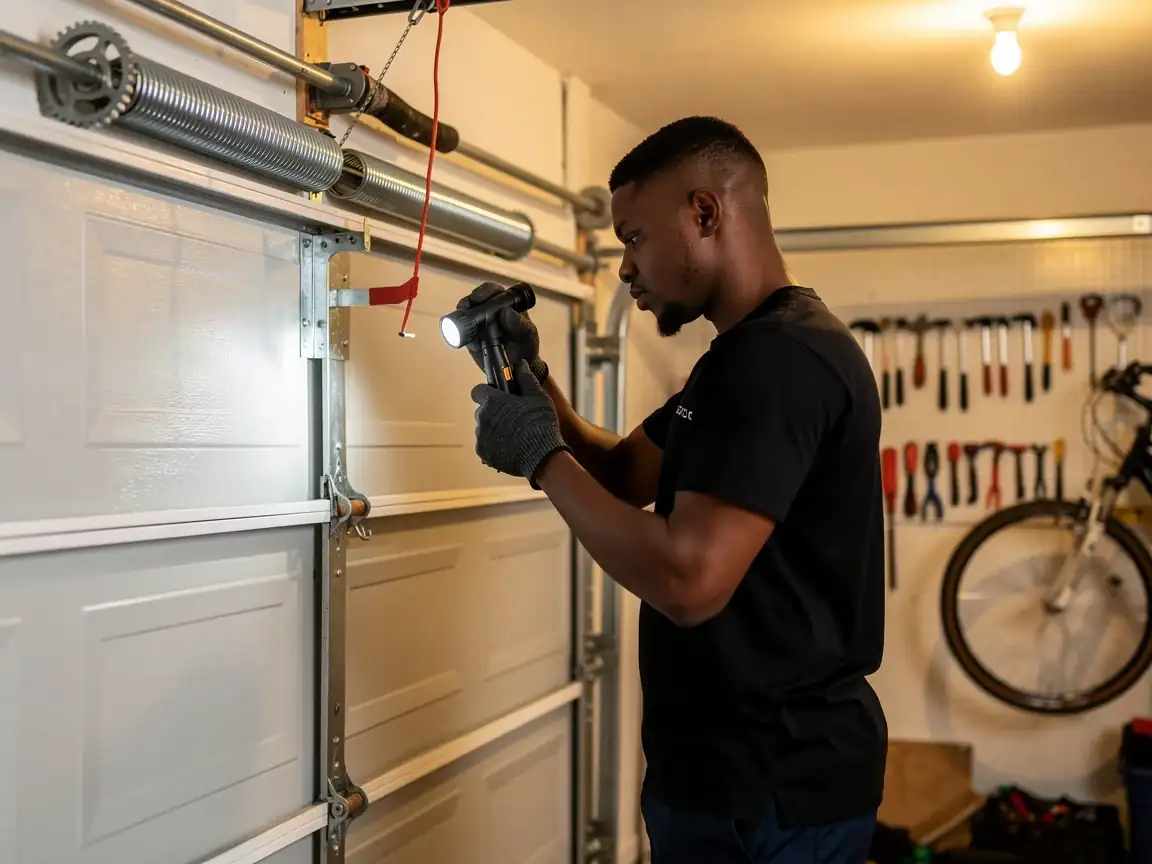
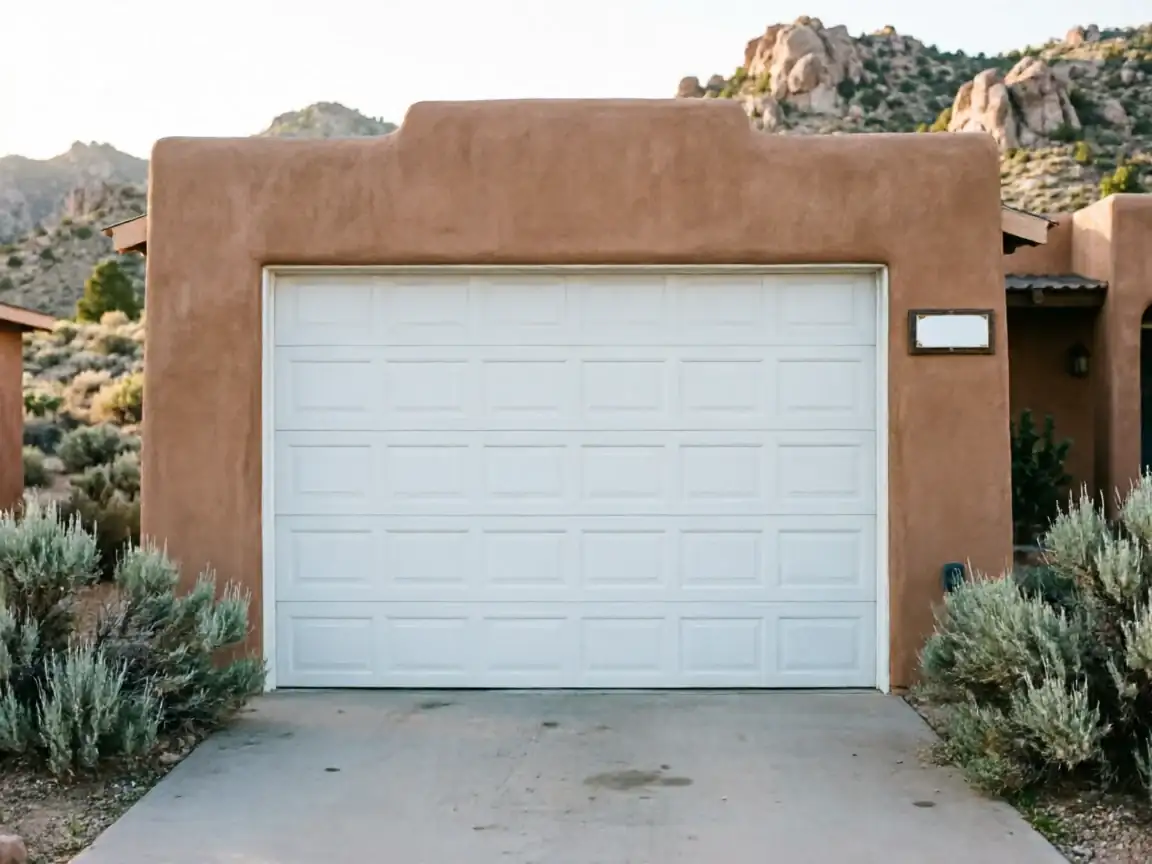
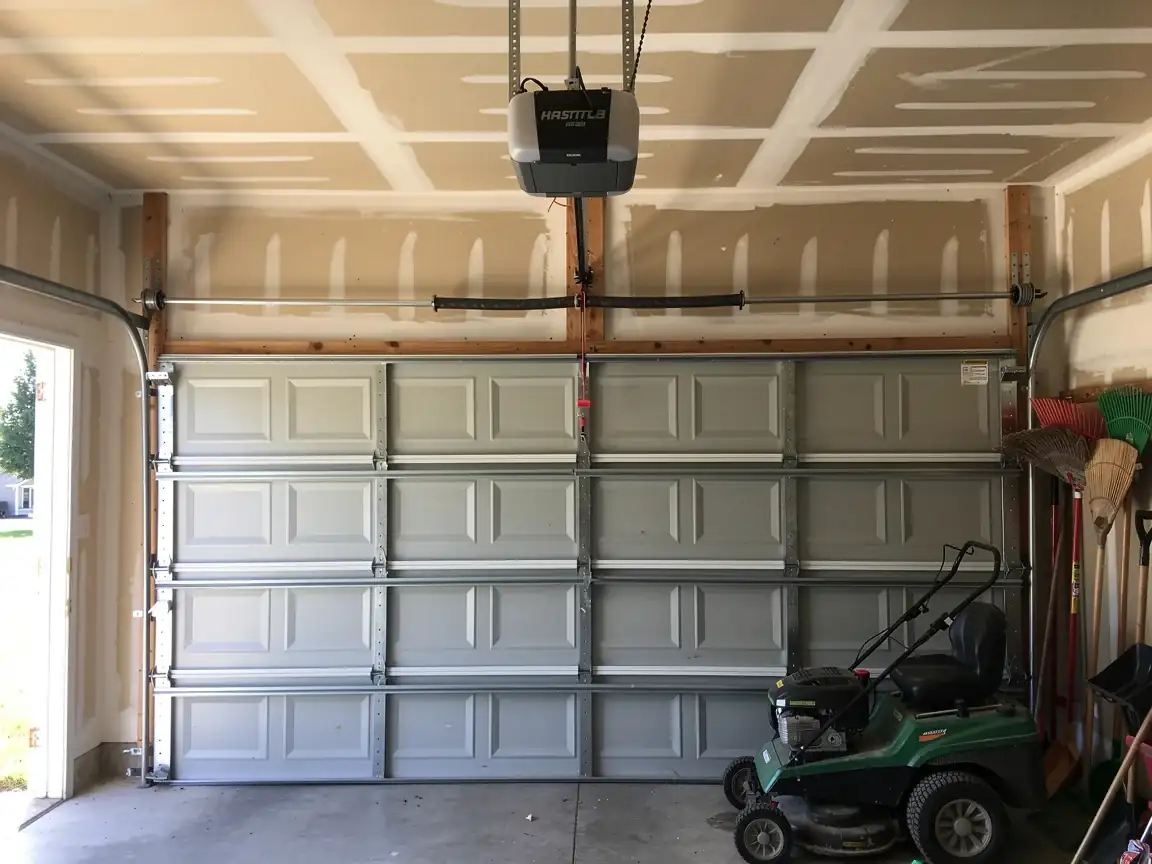
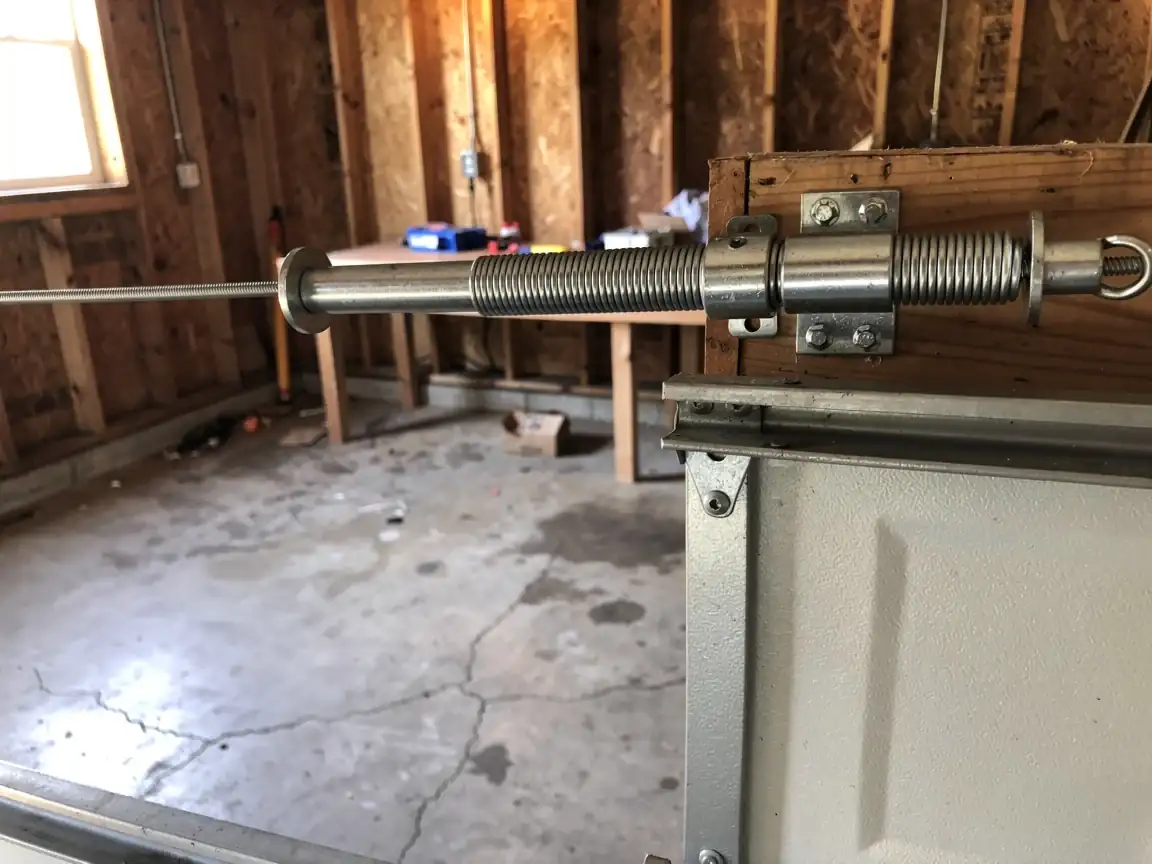
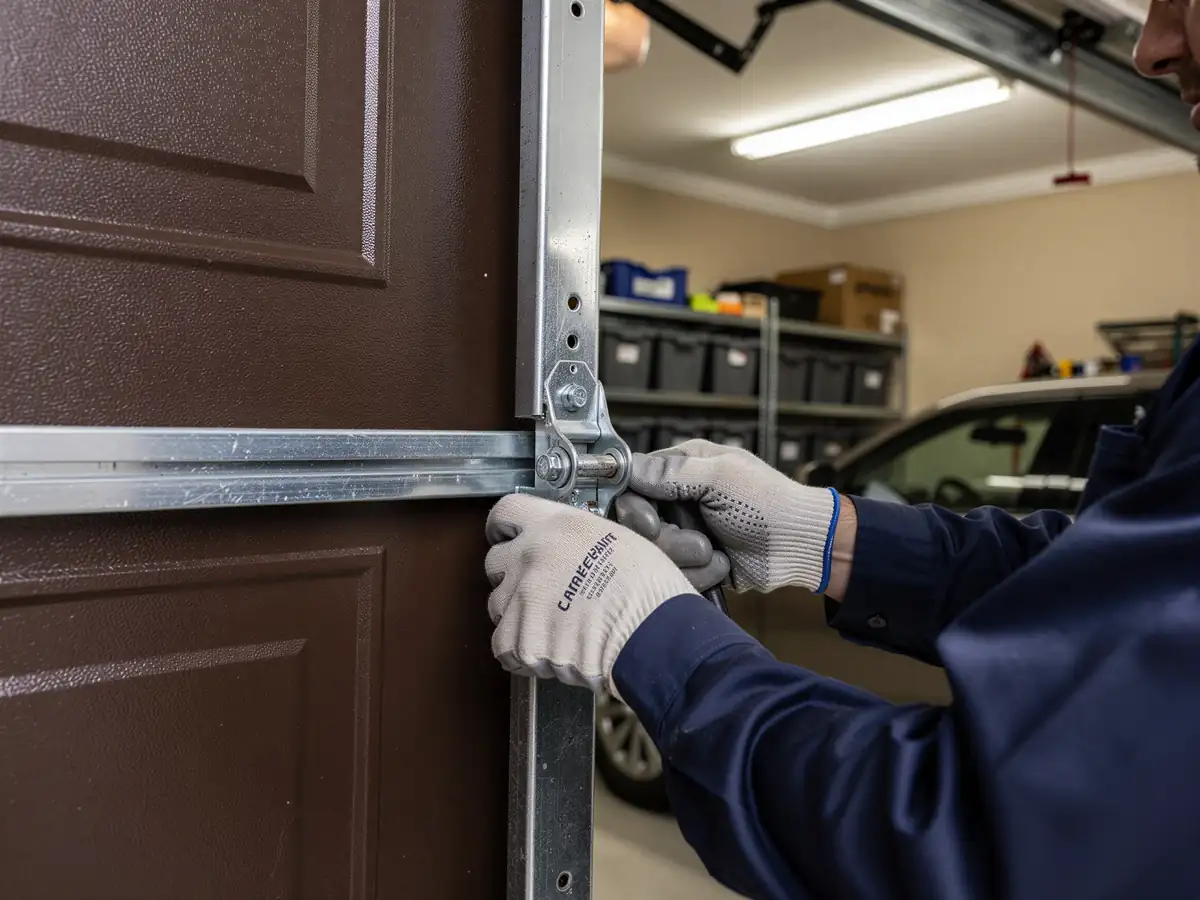
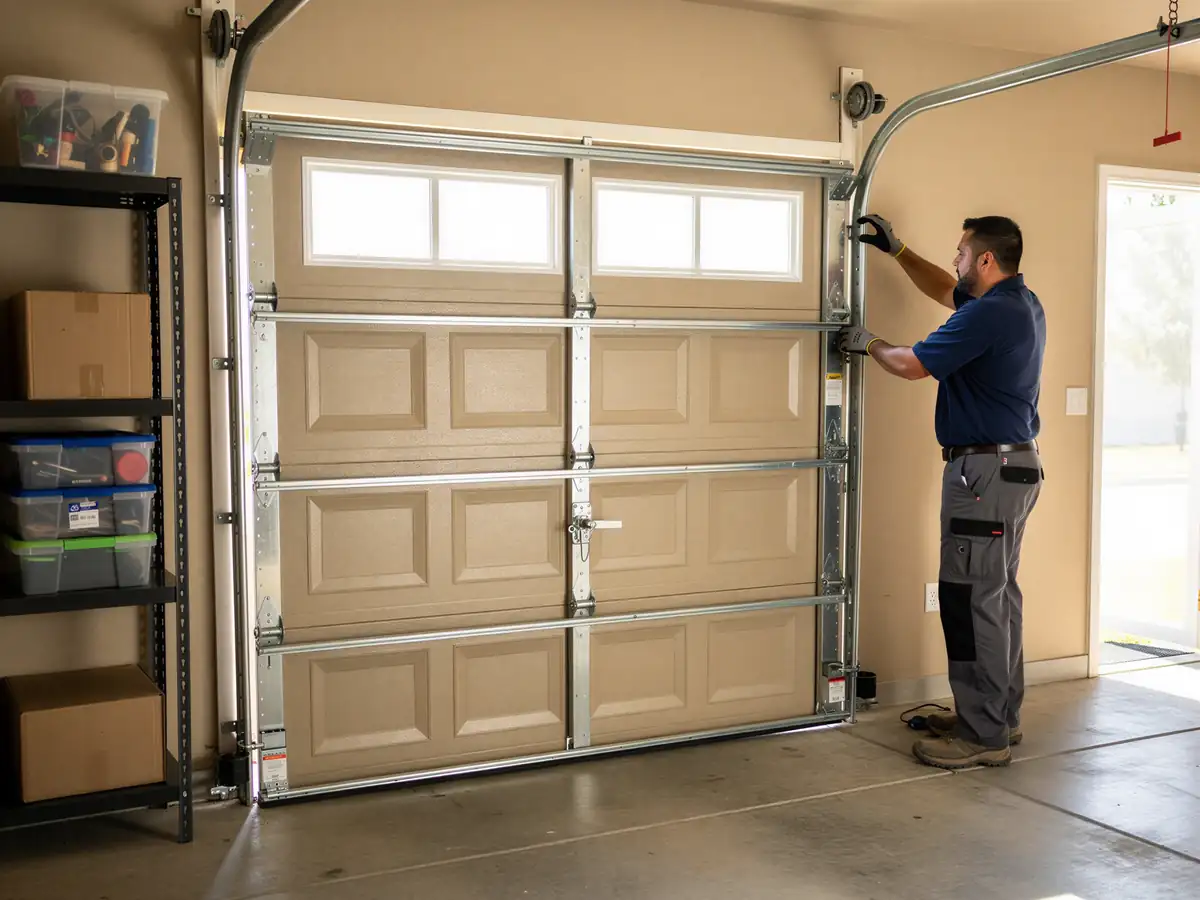
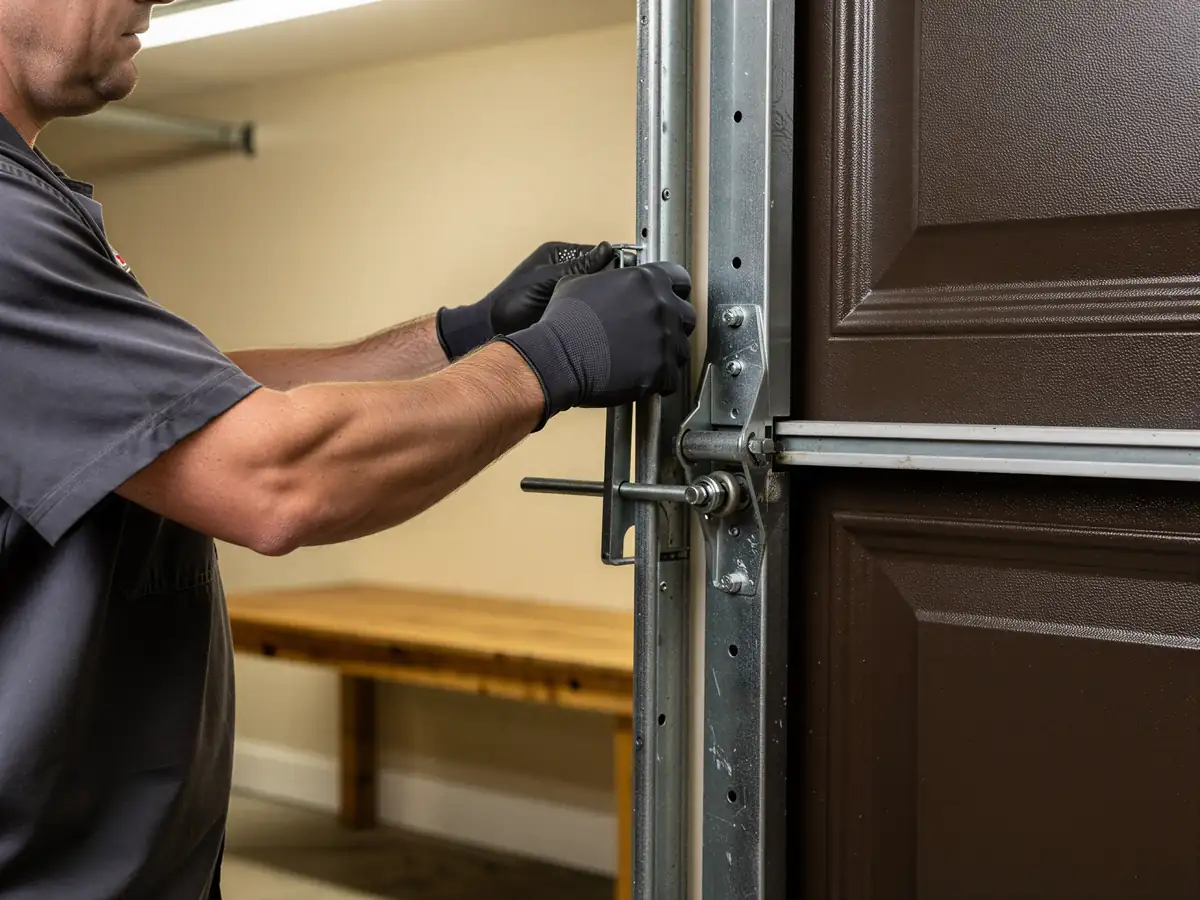
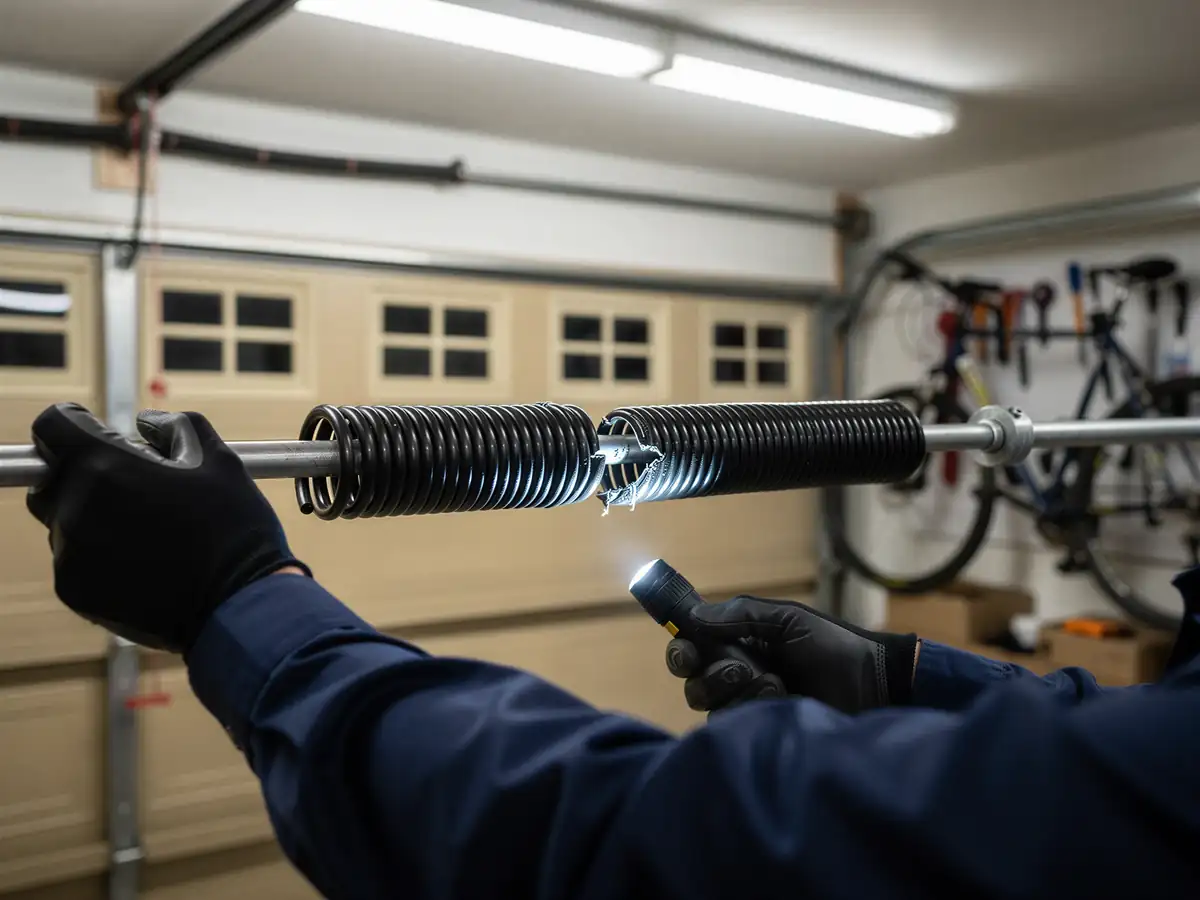
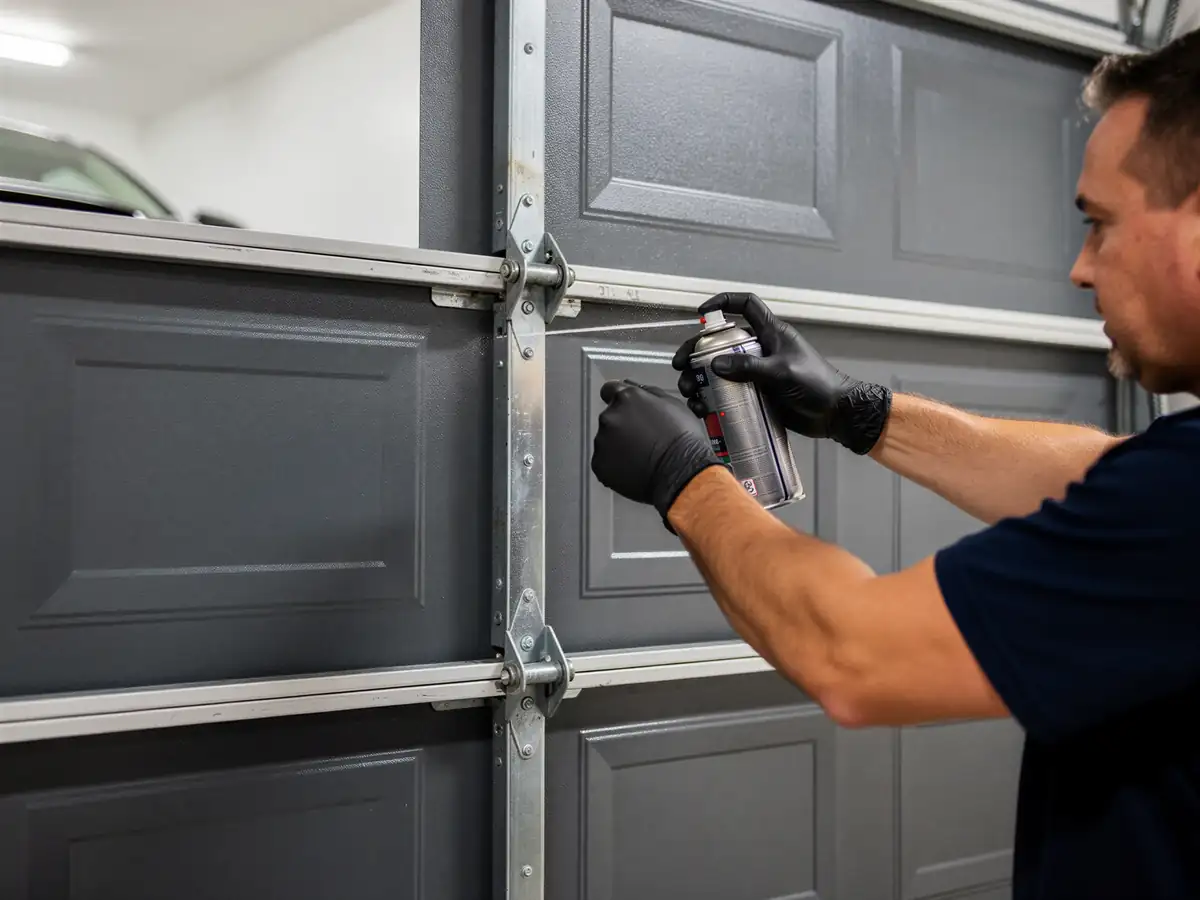
A lot of what a door needs is within reach of a homeowner with a ladder and a can of the right lubricant. You can wipe down and lube the rollers and hinges, check that the bottom seal isn't cracked and letting grit under the door, and look at the cables for fraying. What you shouldn't touch is the spring system. Houses in Sacaton going up around 1993 mostly got extension springs mounted over the horizontal track rather than torsion springs on a shaft above the door - a design that's less forgiving if you don't know the winding cone pattern. Extension springs store less force per spring than torsion, but they still move fast enough to take a finger off, and the safety cables that are supposed to contain a broken one aren't always present on hardware this age. If the door feels heavy when you lift it by hand with the opener disconnected, that's a spring problem, not a lube problem, and it's the one item on this list we'd tell you to leave alone.
The Symptom
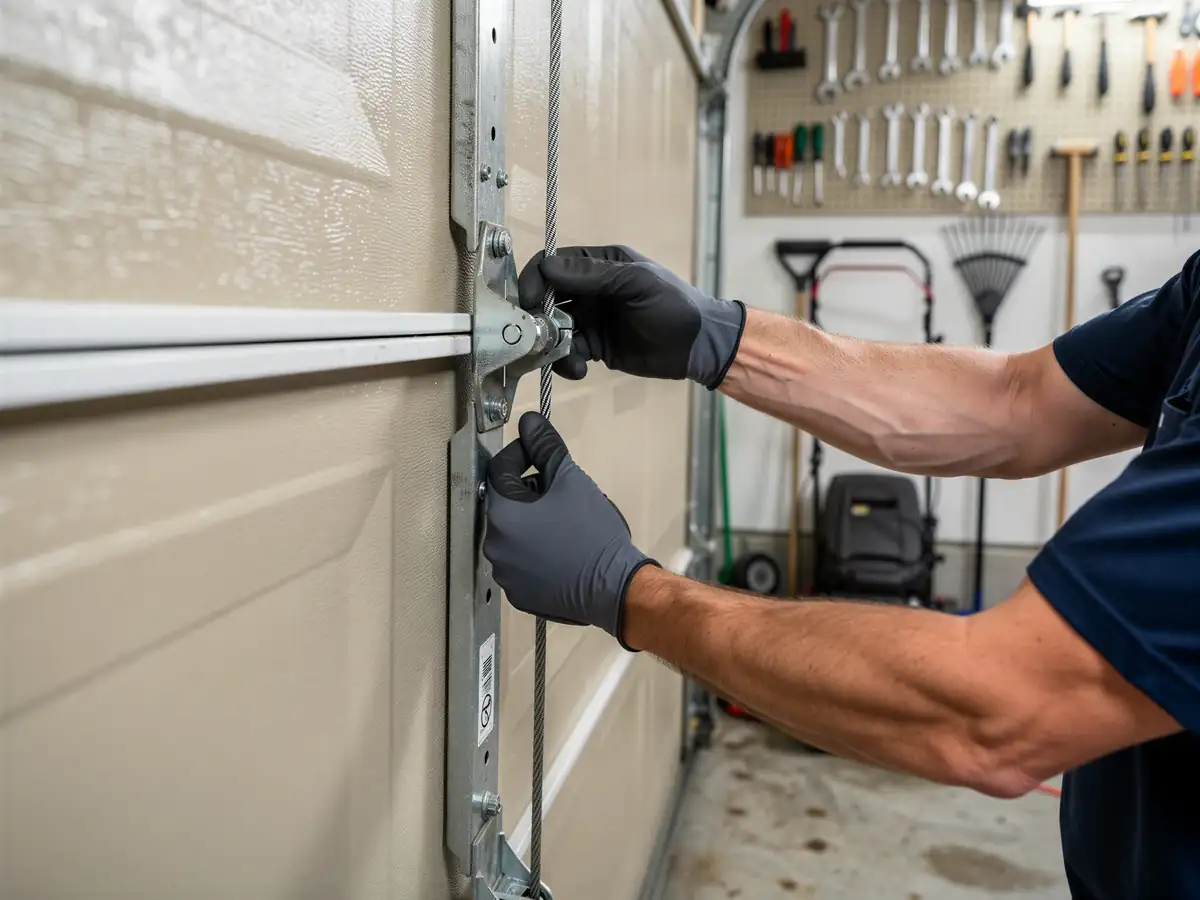
The complaint we hear most from this stretch of the service area, 14 miles out from our Queen Creek shop, is a door that runs rough or jerks partway up - not broken, just wrong. On hardware this age that's almost always one of three things: a spring pair that's stretched unevenly, a cable that's started to fray where it wraps the drum, or rollers that have gone brittle enough to hang up in the track. All three get worse under heat cycling, because the metal track expands during the day and contracts at night, and a roller that's slightly out of round catches more on that moving surface than it would on a cooler site. If your door is quiet going up but bangs on the way down, that's usually the opener's down-limit or force setting drifting, which is common once a unit's motor and gearing have put in this many hot summers.
How Long It Takes
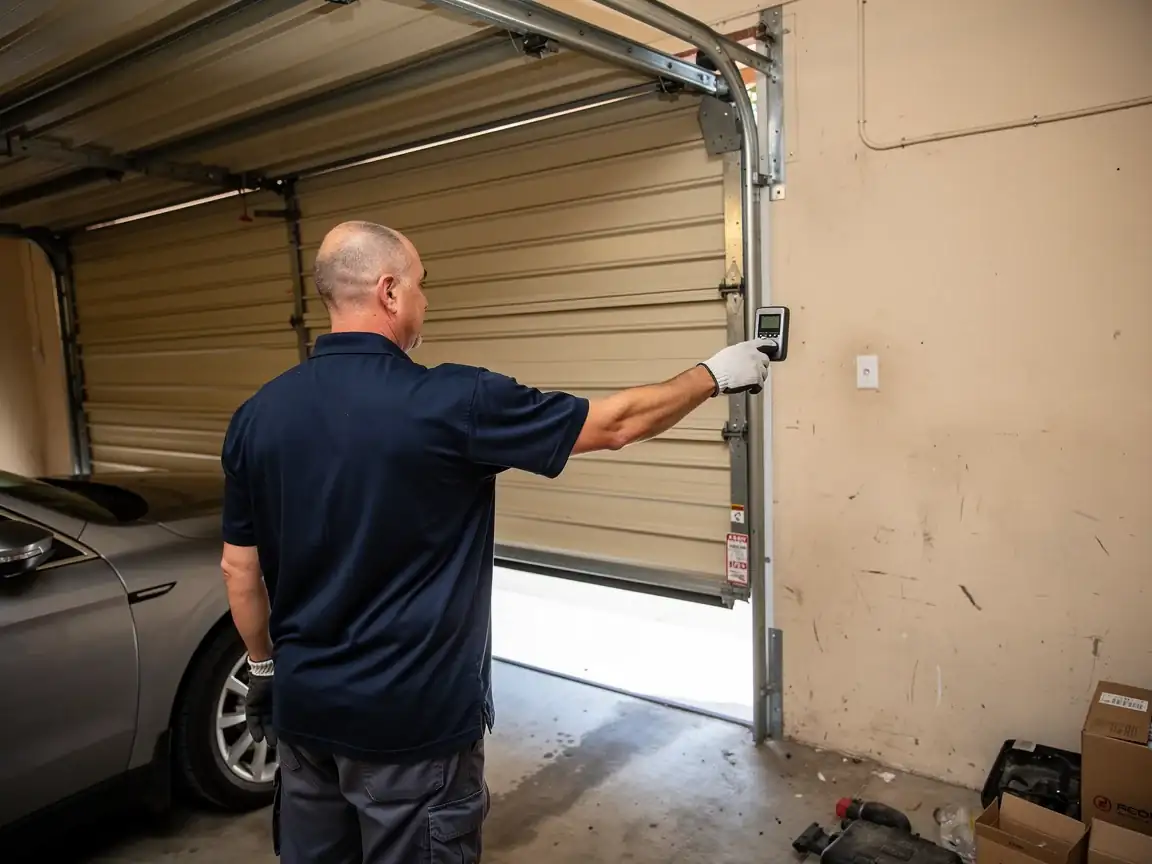
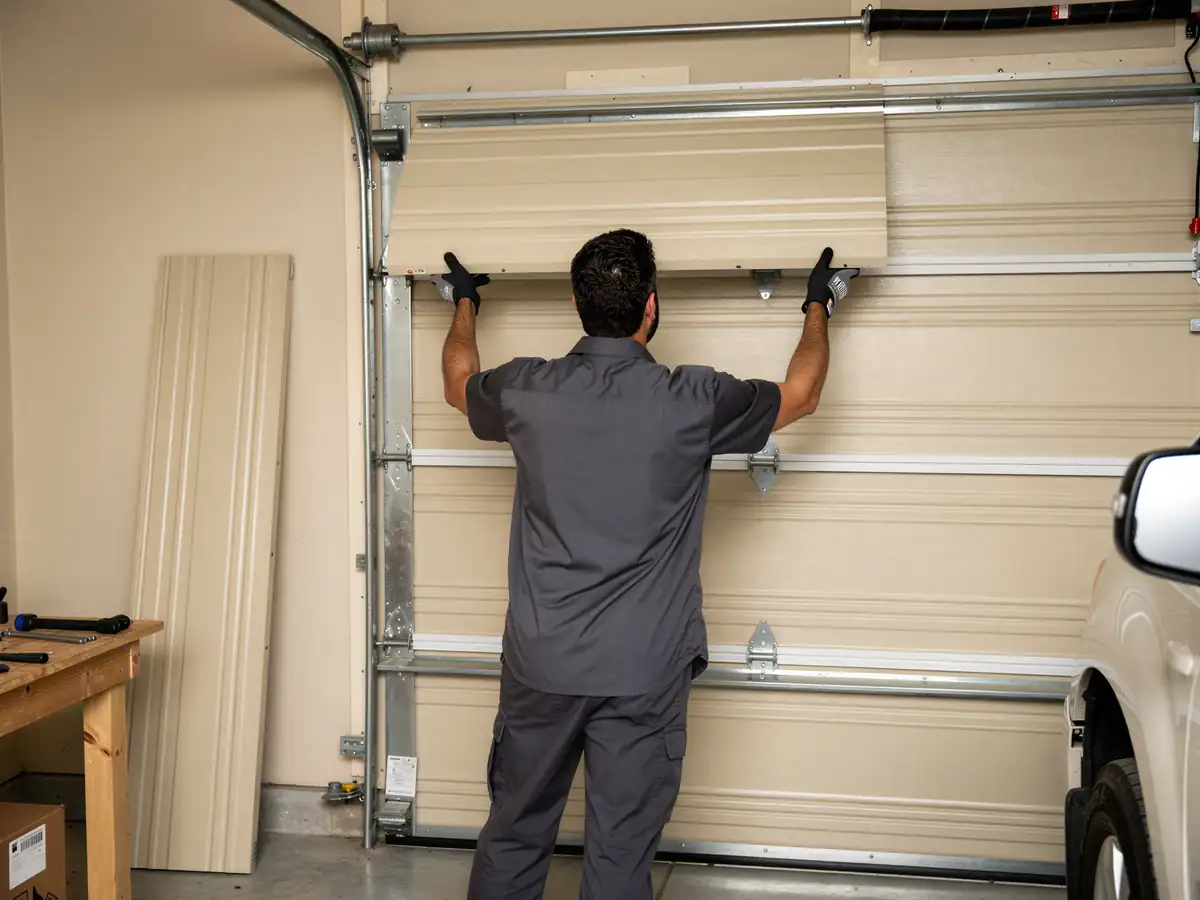
A standard maintenance visit - the lube, torque check, spring and cable inspection, roller check, opener force and limit test - runs about 45 minutes to an hour on a single door, assuming nothing's found that needs a part swapped on the spot. We carry common roller and cable stock on the truck, so a roller swap found during the visit usually doesn't turn into a second trip. What does turn into a second trip is a spring replacement on an extension system where we don't have the exact gauge in stock; those sometimes need a day or two to source, since this hardware style isn't what most new builds use anymore. Being 14 miles from our Queen Creek base doesn't change the job itself, but it's worth knowing before you book - we're not a local walk-in shop, we're a truck coming out to you.