The Complications
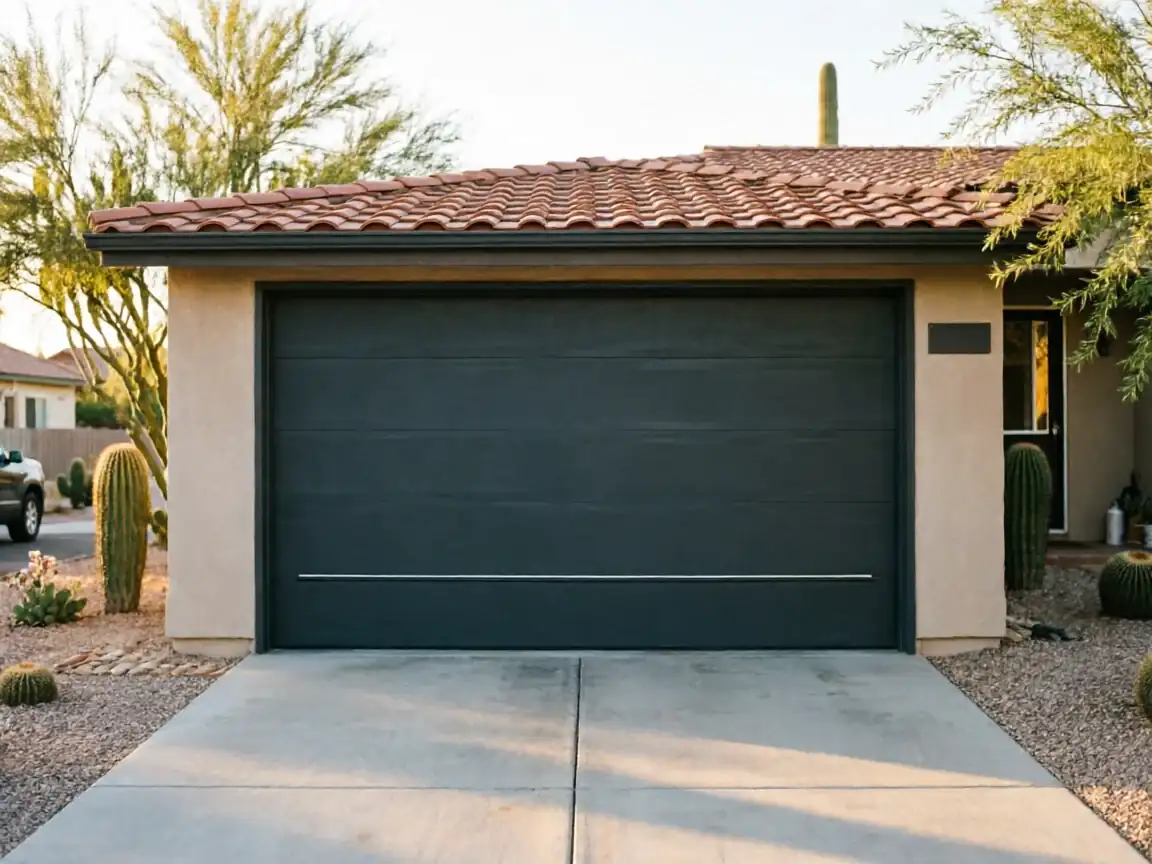
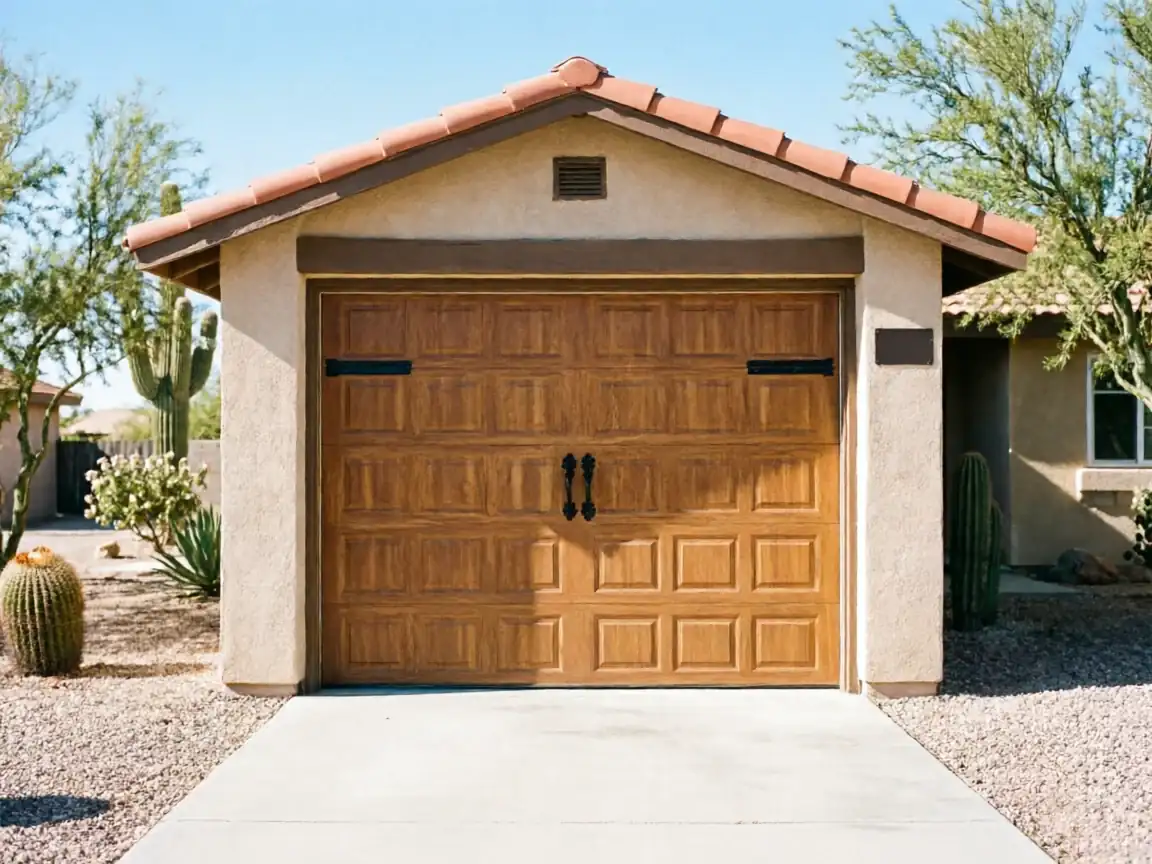
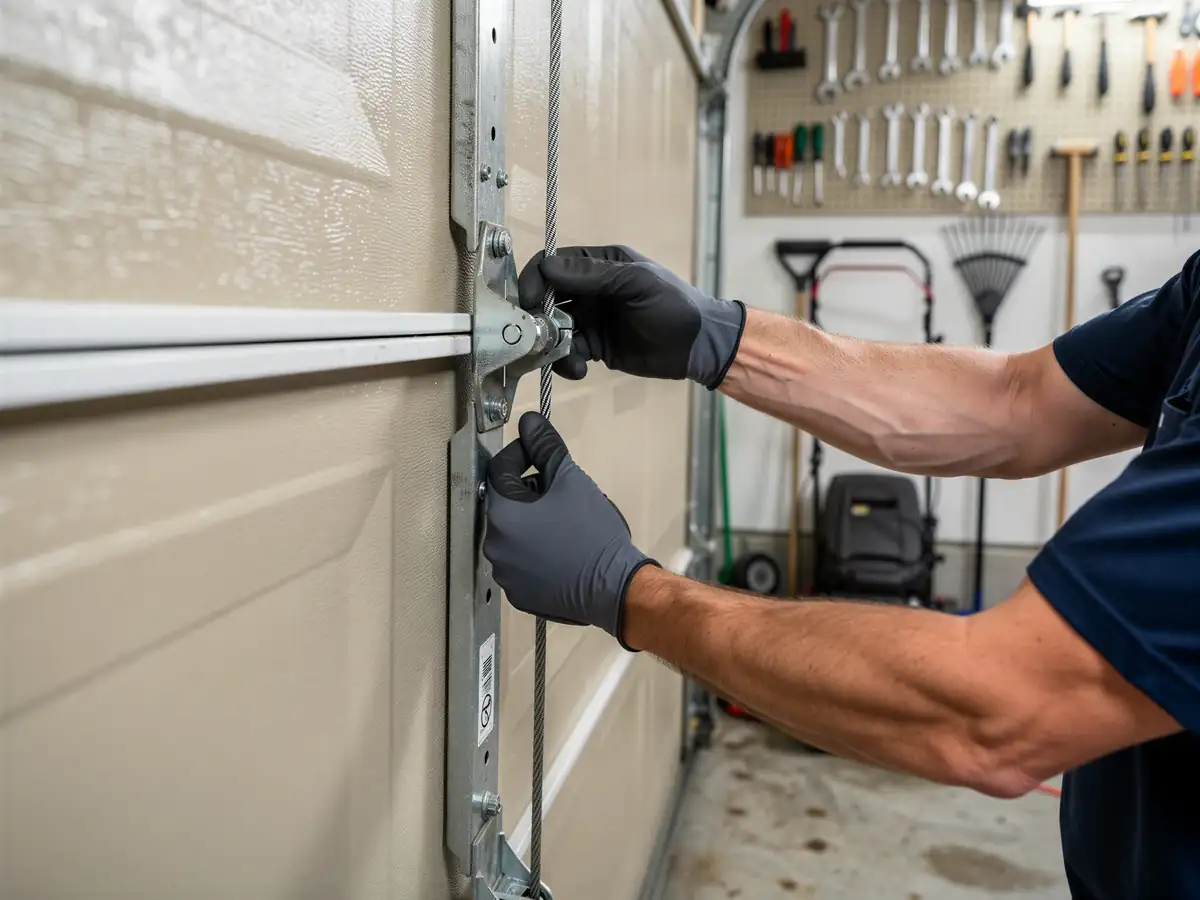
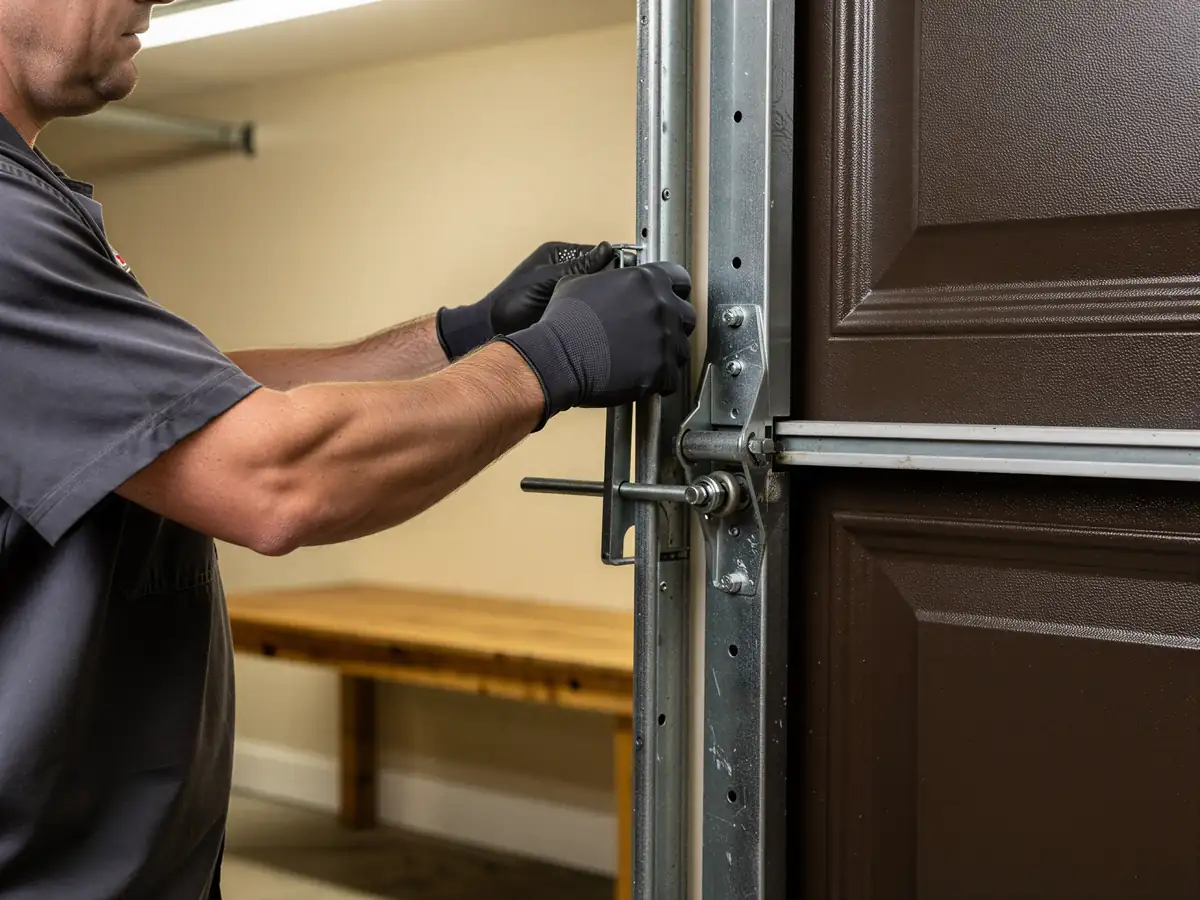
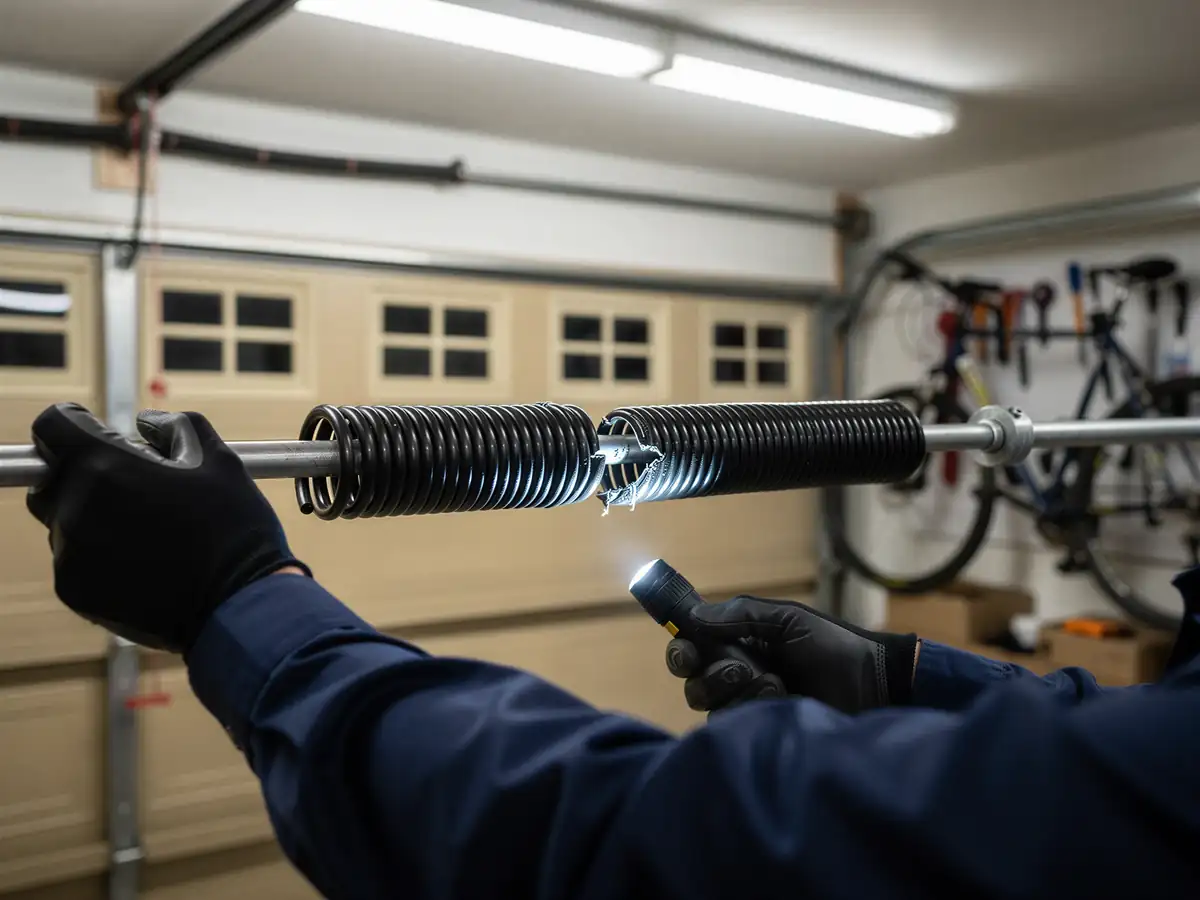
Florence is a 16-mile drive from our Queen Creek shop, and that distance is the first thing to understand about an emergency call out here. We're not parked around the corner. When a spring lets go or a cable snaps off the drum, the truck has to cross that stretch before anyone touches your door, and that changes how we triage the call on the phone. We ask more questions up front than we would for a job five minutes away, because we want the right parts loaded before we leave, not a second trip. Florence's housing stock is also newer than a lot of what we see closer to home - median build year here runs around 2004, which means fewer of the old one-piece doors and side-mounted torsion setups that plague the older pockets of the service area. What fails here tends to be factory-installed extension or torsion hardware from the early 2000s hitting the end of its service life, plus openers from that era whose circuit boards or logic units are starting to go. The limitation worth saying plainly: because the shop is in Queen Creek, we can't promise a same-hour arrival here the way we might closer in. We'll give you an honest window when you call, not a guess we can't back up over 16 miles.
What Causes It Around Here
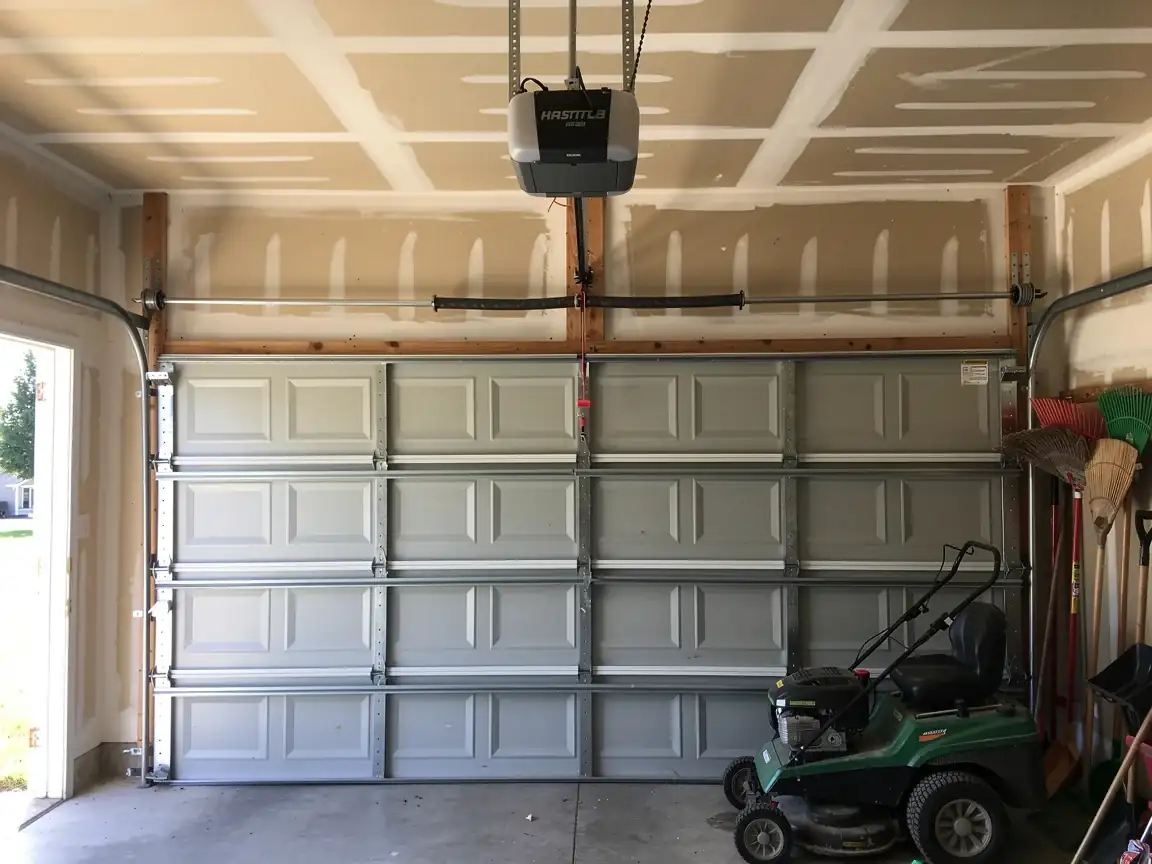
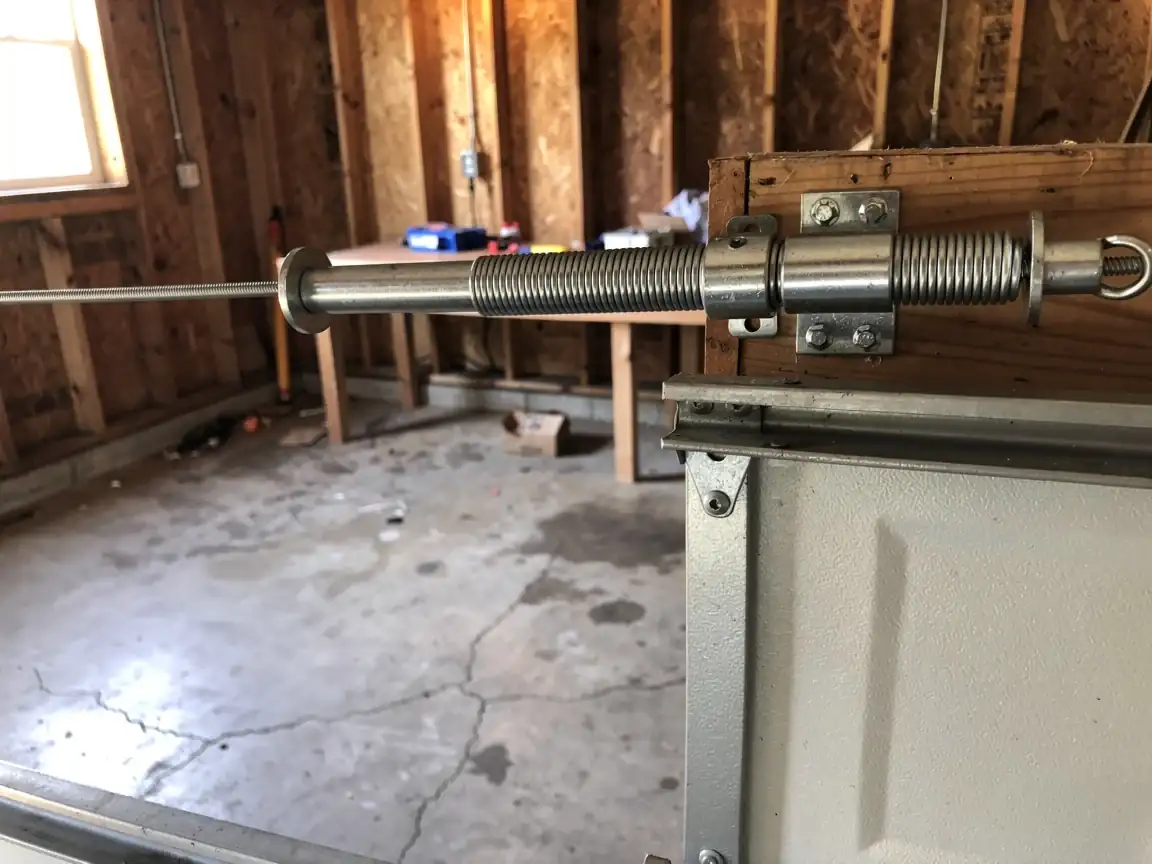
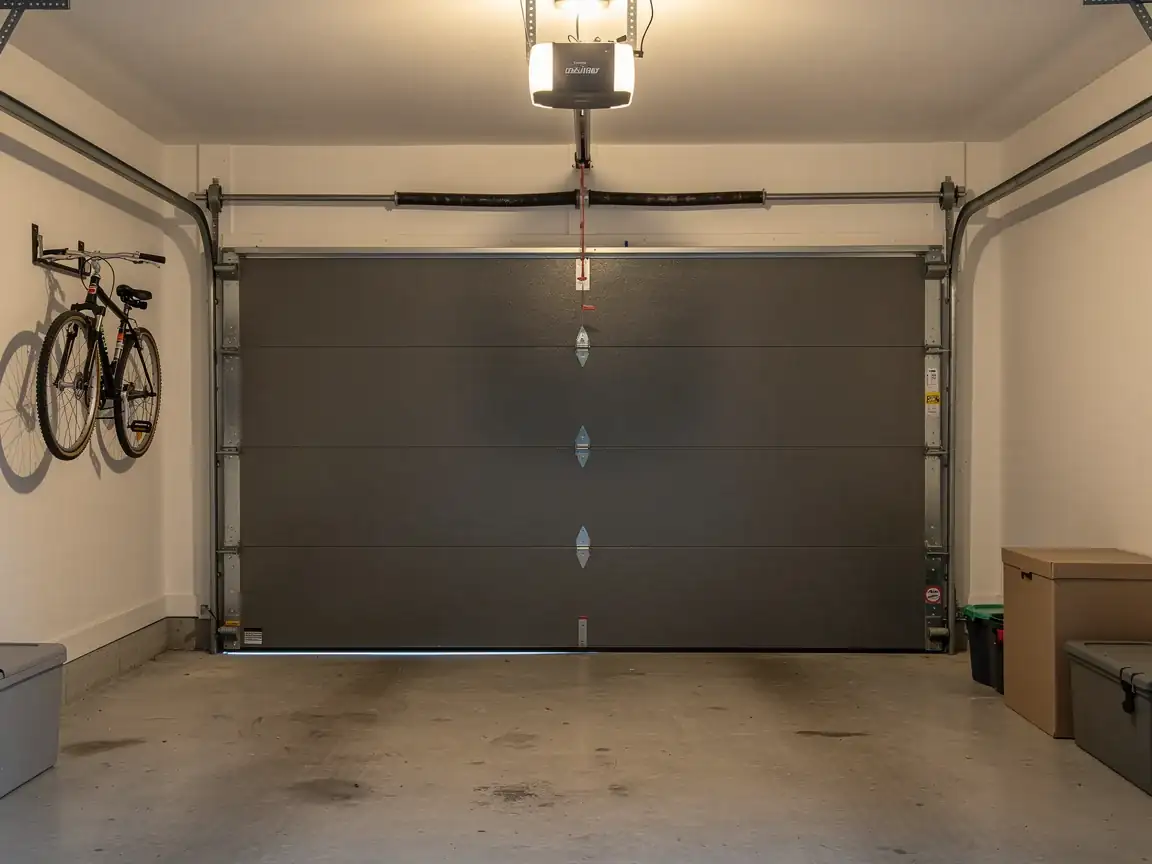
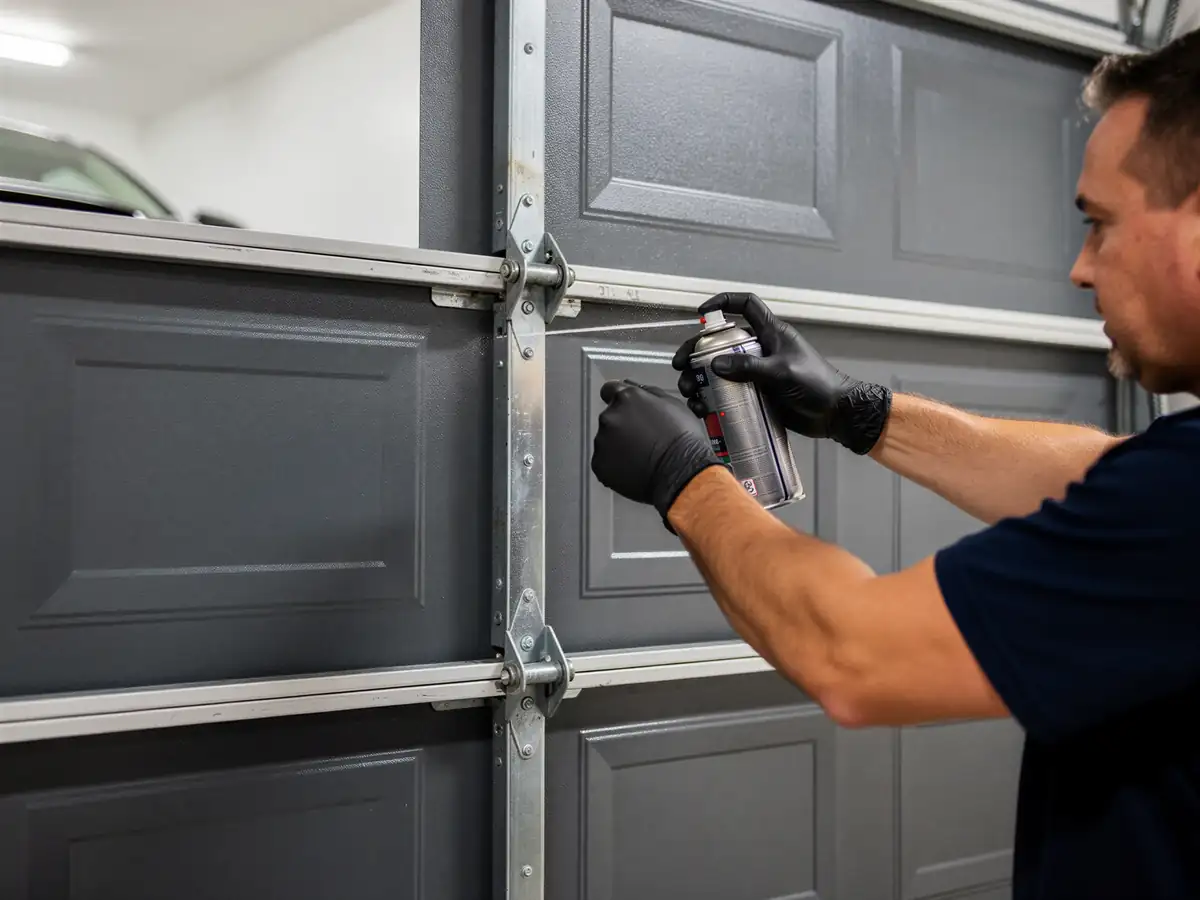
Florence's housing stock centers on a 2004 median build year, meaning most garage doors and openers in town are hitting the 20-year mark on original equipment - the window where springs lose tension gradually and then fail without warning, and where opener motors and circuit boards from that generation start drawing more current than they should before they quit outright. Arizona's heat load is severe, and that matters more for a 2004 opener than people expect: years of garage interior temperatures well above ambient cook the lubricant out of bearings and stress the plastic gears inside older opener units faster than cooler climates would. We see a lot of calls here that trace back to a drive gear that's gone from brittle heat cycling rather than from use. Steel springs don't care as much about heat, but the powder coating and galvanizing on torsion springs from that era can still corrode faster under dust and summer swings than people assume, especially on doors that don't get opened often. None of this is unique to one house - it's the whole build cohort reaching the same age at roughly the same time, which is exactly why we're seeing more Florence calls for opener boards and spring replacement now than we did five years back.
How Long It Takes
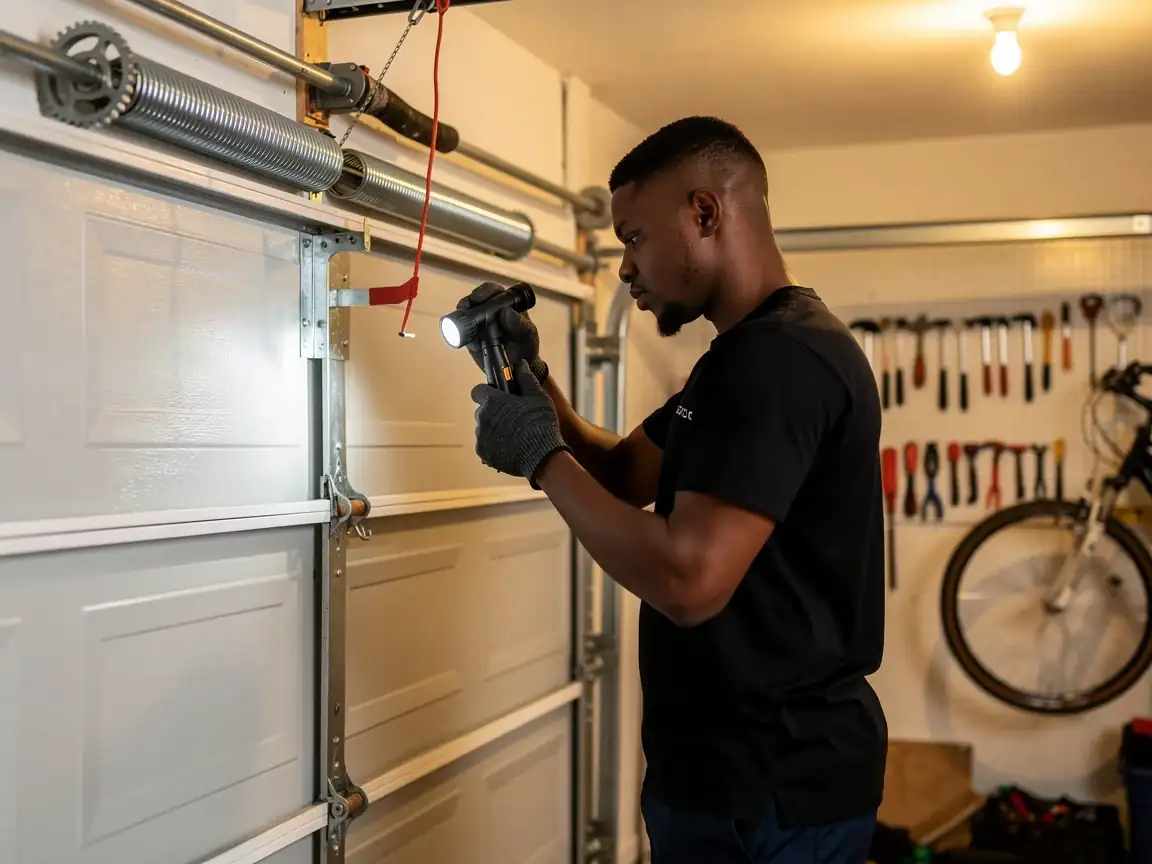
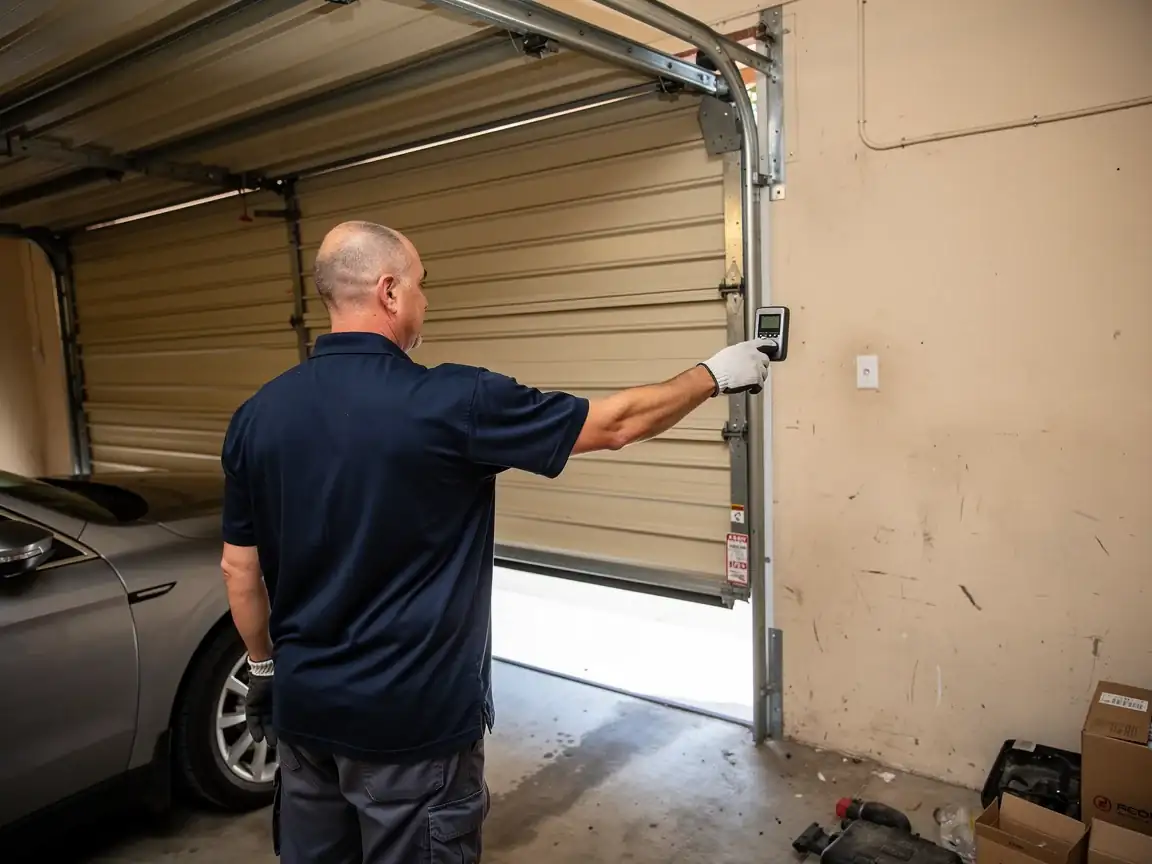
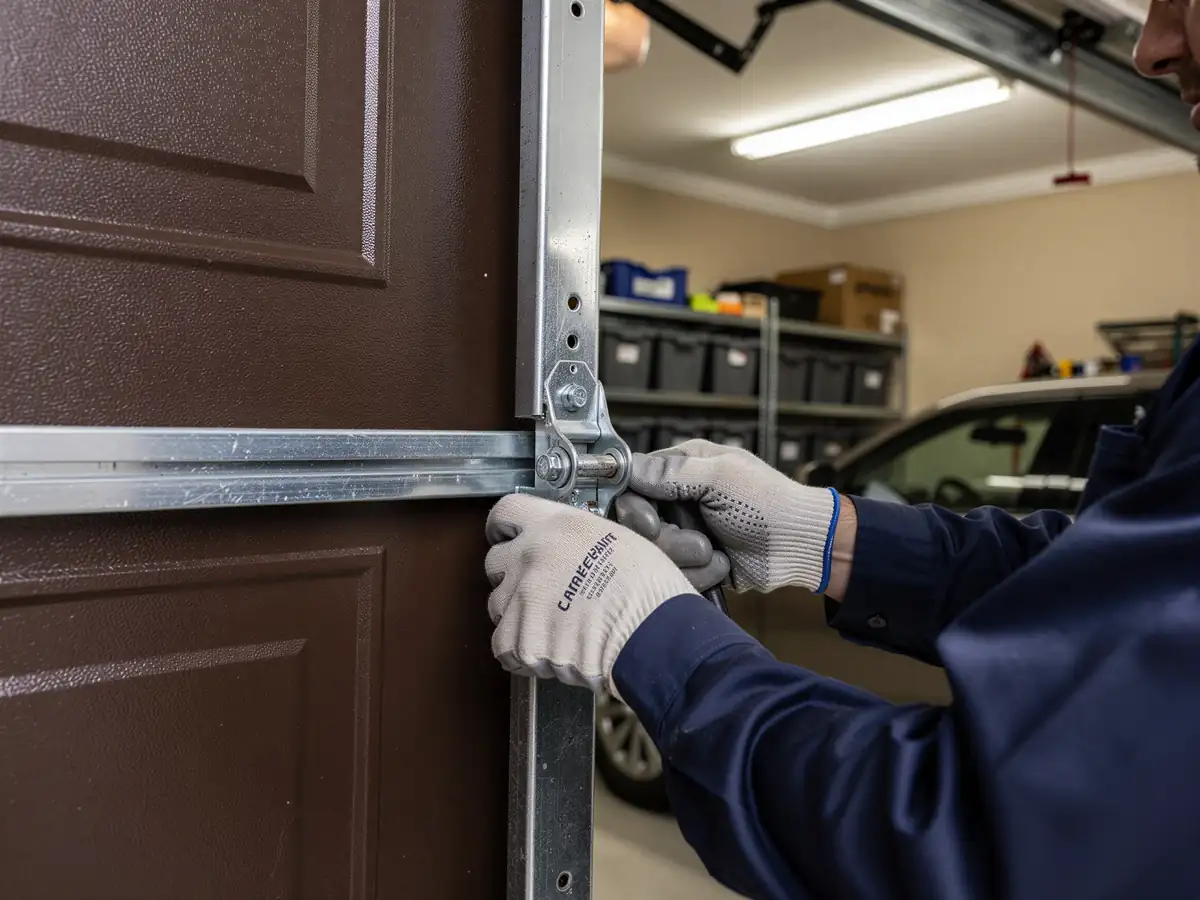
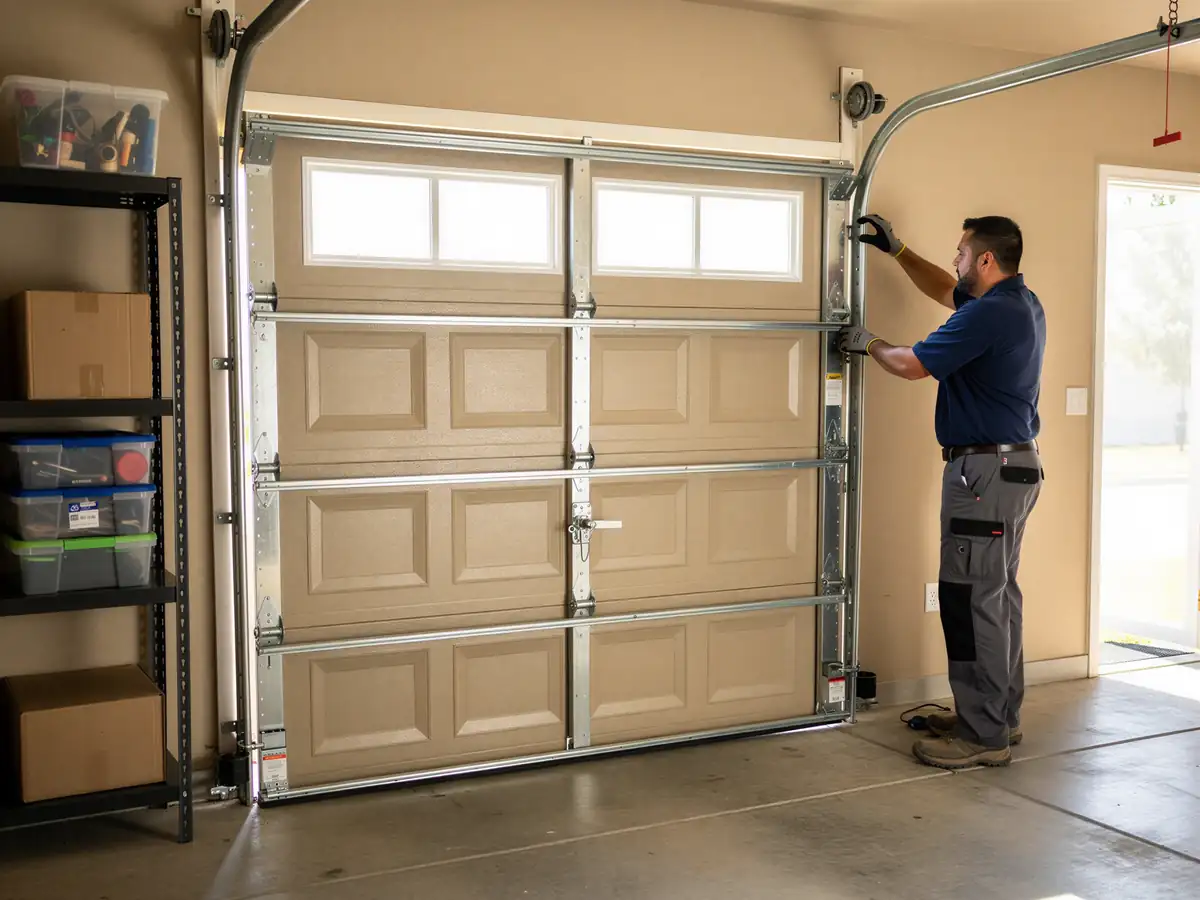
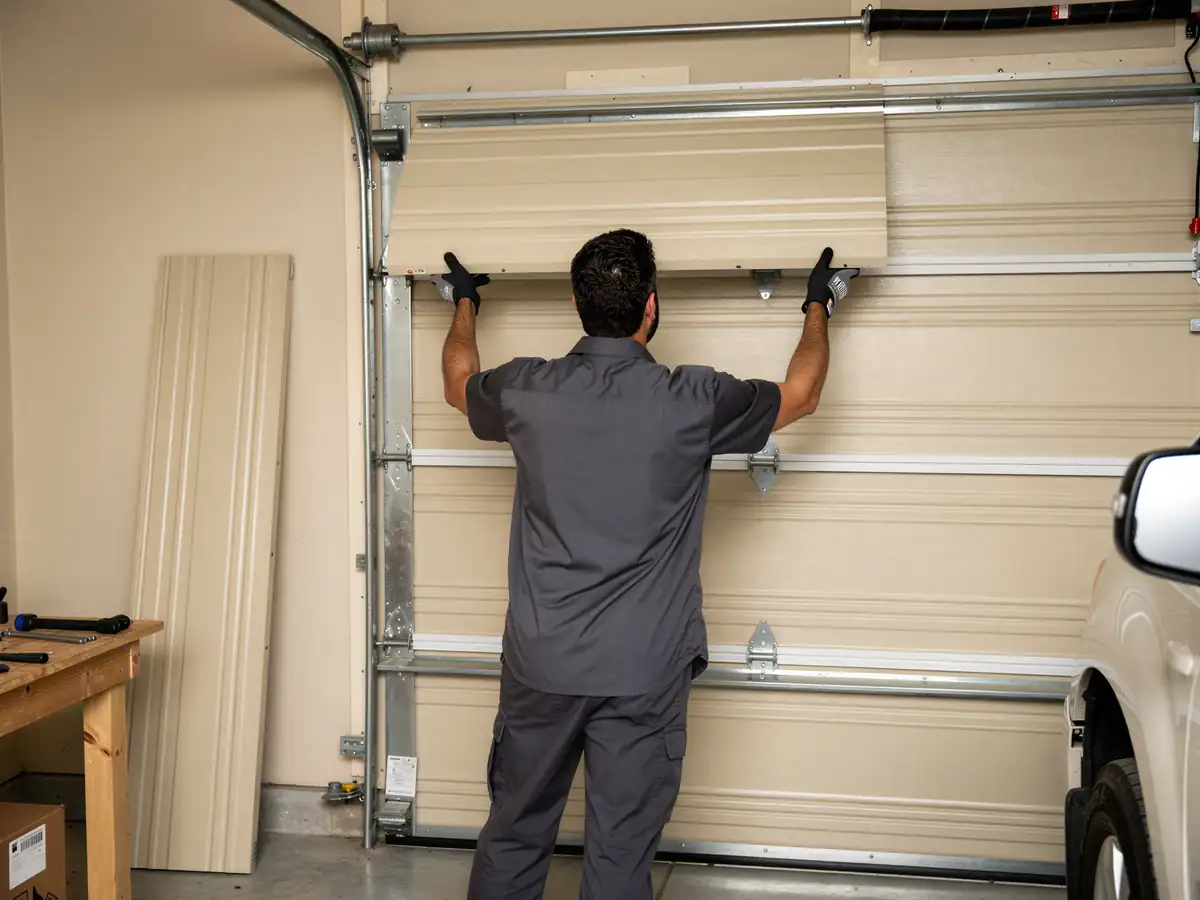
Because every emergency call to Florence starts with that 16-mile drive from Queen Creek, the honest answer on timing has two parts: travel time, then work time. Once the truck is on-site, a standard torsion spring swap or a cable repair on a 2004-era door usually wraps inside an hour or two, since the hardware is common and the truck carries it. An opener board diagnosis and swap takes about the same, assuming the part matches what's already installed. What stretches a job past that window is a non-standard or heavily customized opener setup, or a track that's bent badly enough that it needs full replacement rather than a straightening - in that case we'll tell you before we start rather than let the clock run quietly. We don't sugarcoat the travel piece: a job that'd be a 15-minute response closer to the shop is going to run longer here purely on drive time, and we'd rather set that expectation on the call than have you watching the driveway wondering where the truck is.