The Complications
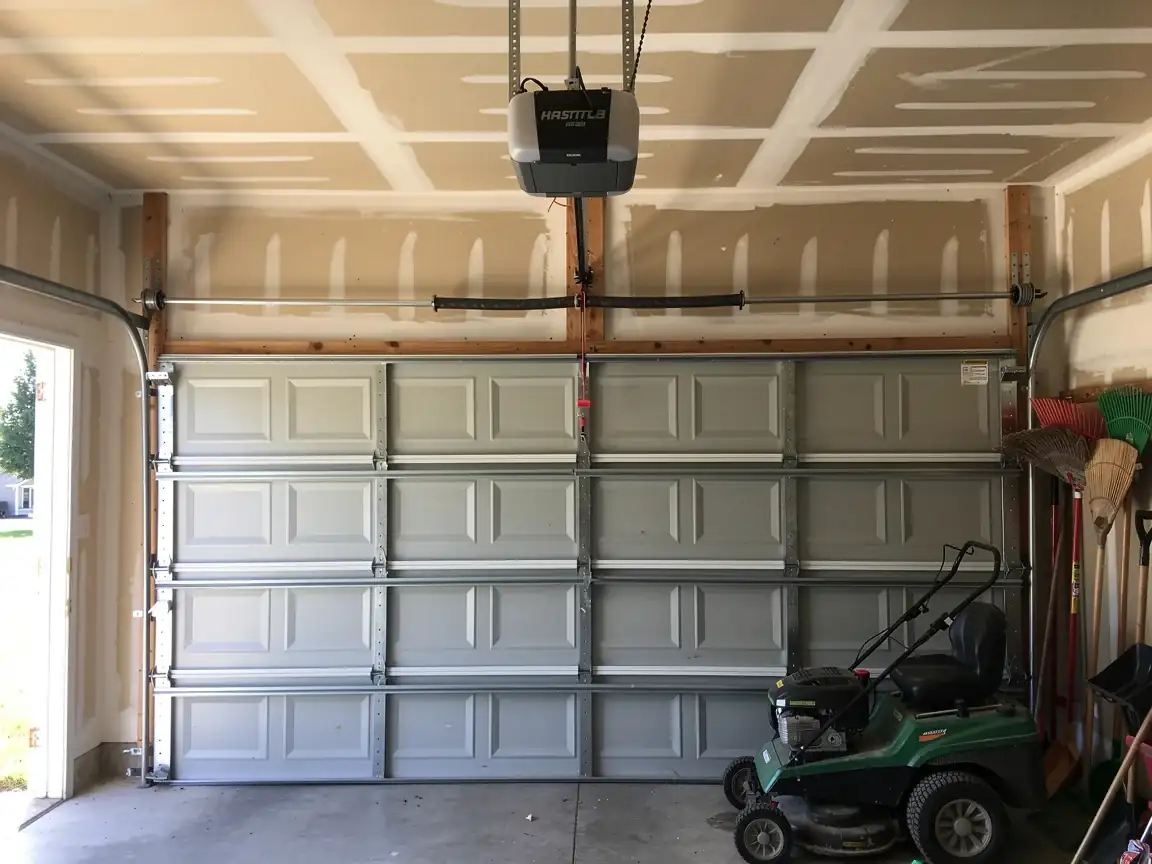
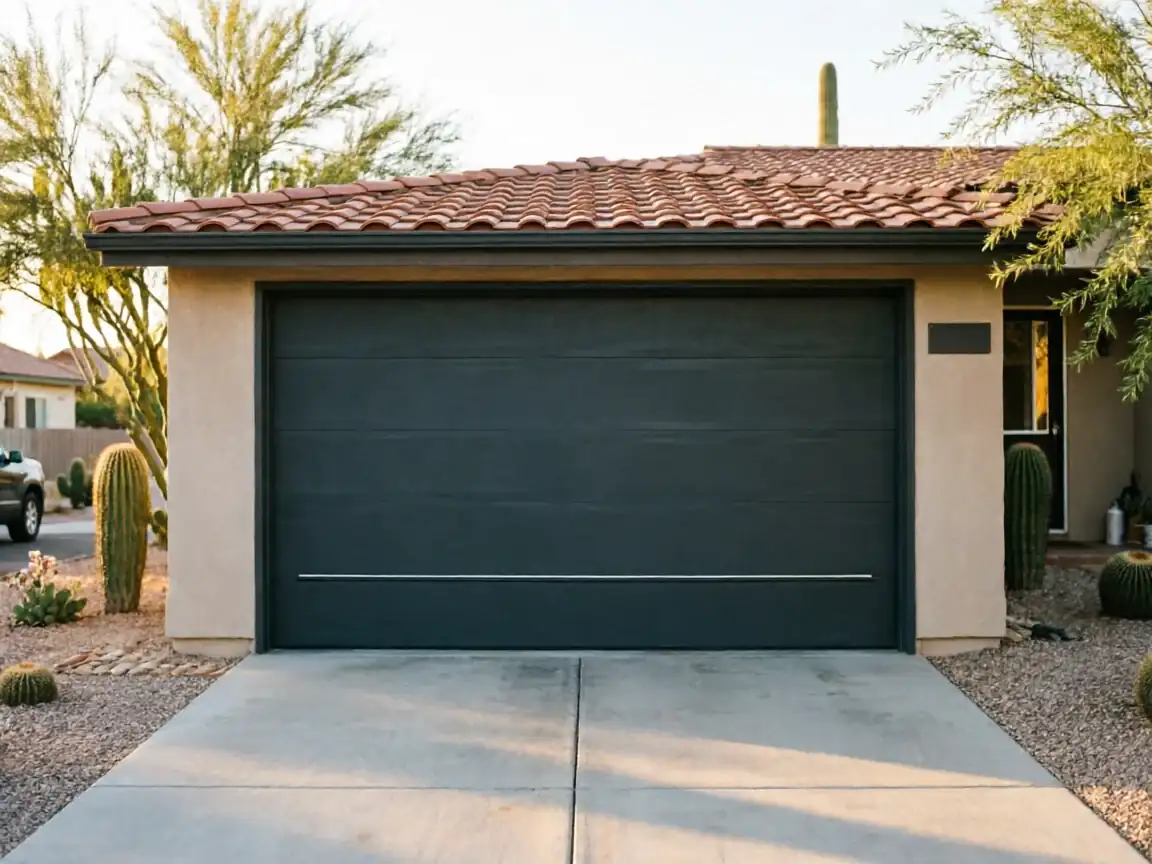
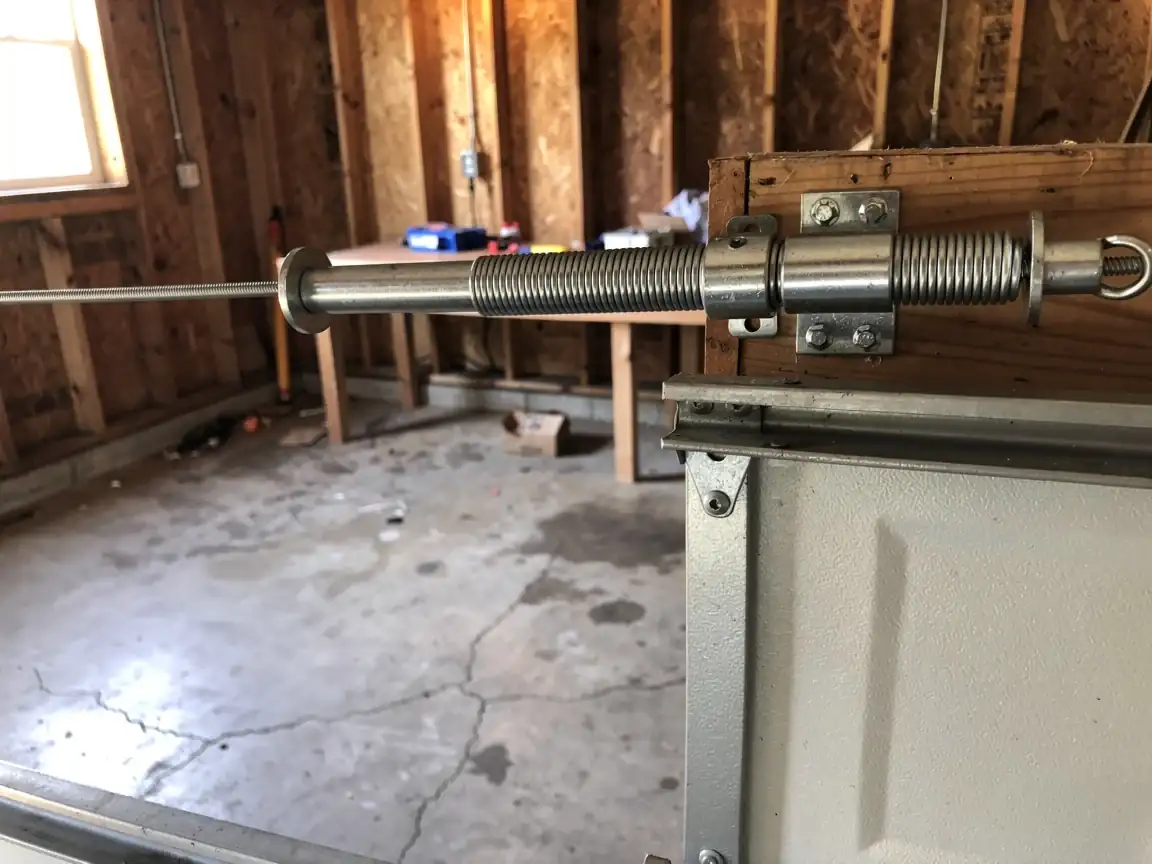
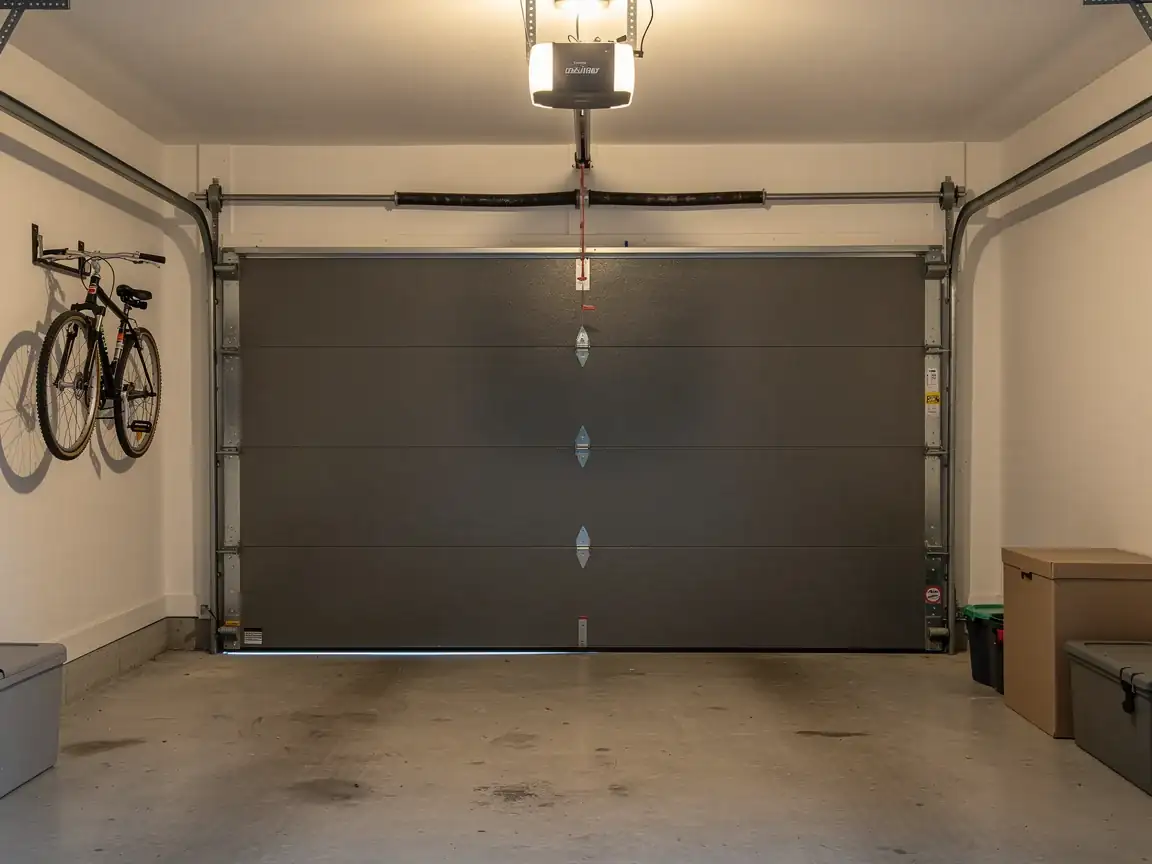
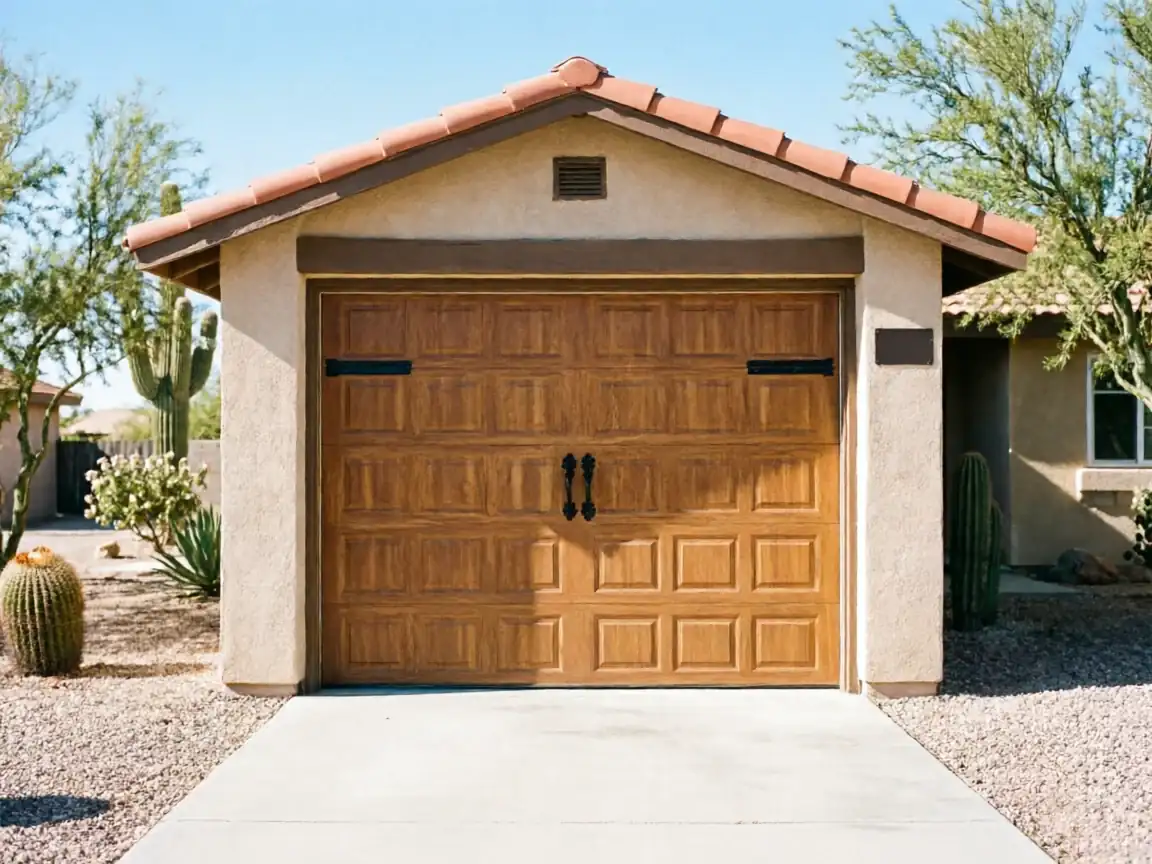
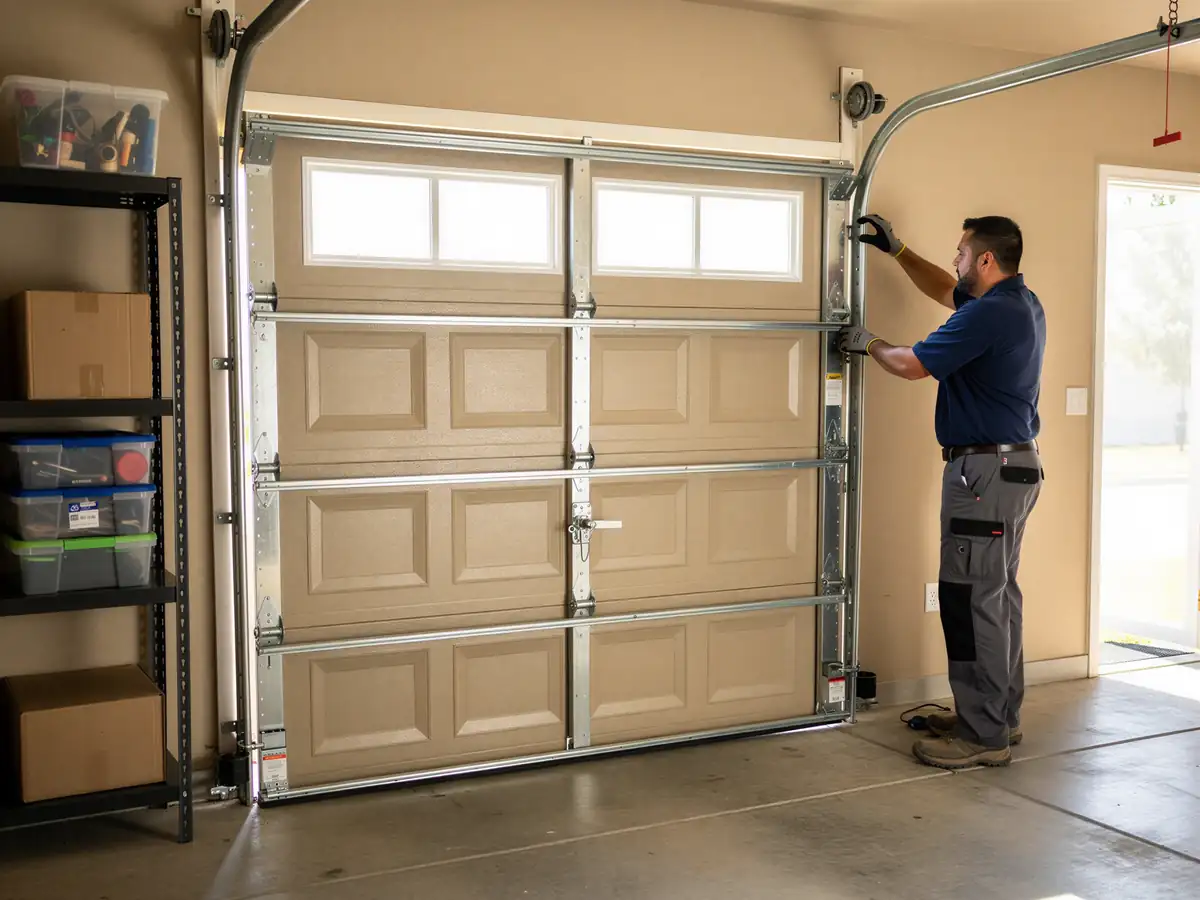
Most houses in Florence went up around 2004, which puts the original spring, opener, and track hardware close to the twenty-year mark if nobody has swapped it yet. That's an important detail, because a door this age is old enough for a torsion spring to be near the end of its working life but new enough that you're dealing with a steel sectional door and a chain or belt-drive opener rather than the older extension-spring setups still common on 1980s stock in other corners of the service area.
What that means in practice: if your door has never had a service call, the spring is probably the original one from the build, and the opener's logic board and drive gear are original too. Neither of those parts announces that it's wearing out - a spring usually just lets go, often on the coldest or hottest morning of the year, and a gear-driven opener tends to get louder and slower for months before it quits.
We also see a fair number of openers from that era that are now discontinued by the manufacturer. If the logic board fails on one of those, replacing just the board often isn't possible anymore, and the honest fix is a new opener rather than a patched-together repair.
The Cost of This Job
We don't have a Florence-specific price list
And we won't invent one here - a spring job and an opener job cost different amounts, and the right number comes from seeing the door. What we can tell you is how the job gets priced in a town 16 miles from our Queen Creek shop: travel is part of the estimate, not a surprise add-on, and we quote it up front before any work starts.
- 16 miles
Because Florence is the farthest point we regularly cover from Queen Creek among our nearby service towns
We can't promise same-day arrival the way we might for a job five minutes from the shop. If your door is stuck open or won't close and it's a security concern, say so when you call - we'll tell you honestly whether we can get there that day or whether it's a next-day job.
One limitation worth naming
If the opener is a discontinued model from the early 2000s and the board is dead, we're not going to chase down a part that doesn't exist anymore. Replacement is the honest answer there, not a repair that won't hold.
What Causes It Around Here
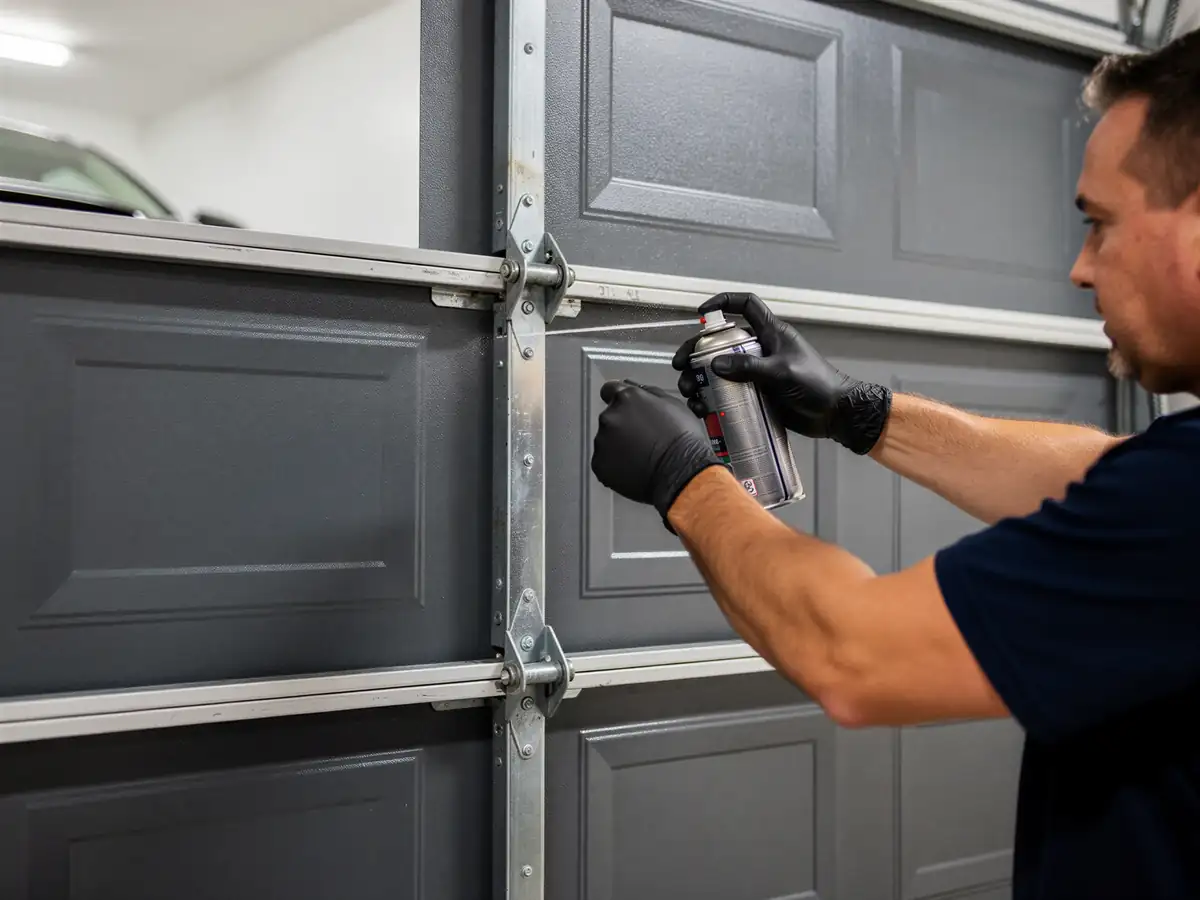
This whole region sits in a severe-heat climate band, and heat is hard on garage door hardware in ways that aren't obvious until something breaks. Lubricant on rollers and hinges breaks down faster in sustained high heat, bearings dry out, and the plastic housings on photo-eye safety sensors get brittle and can crack or shift out of alignment over the years.
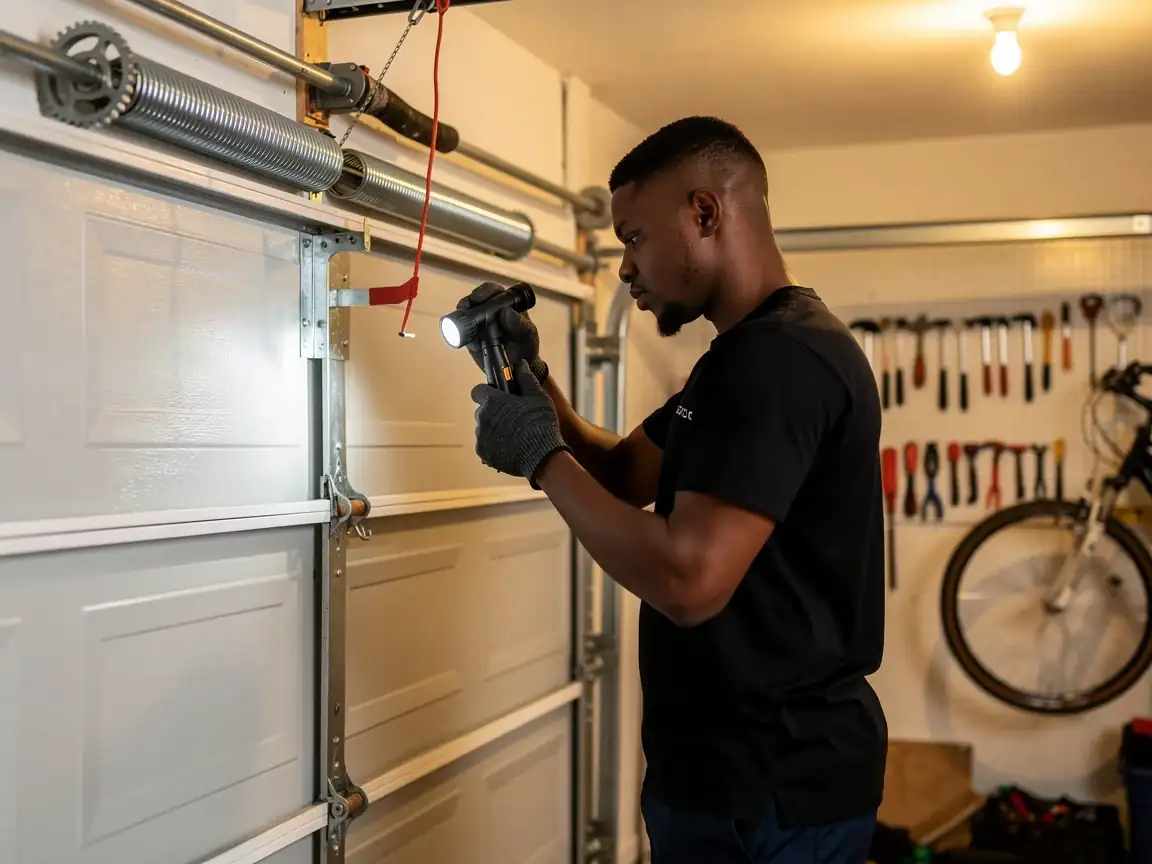
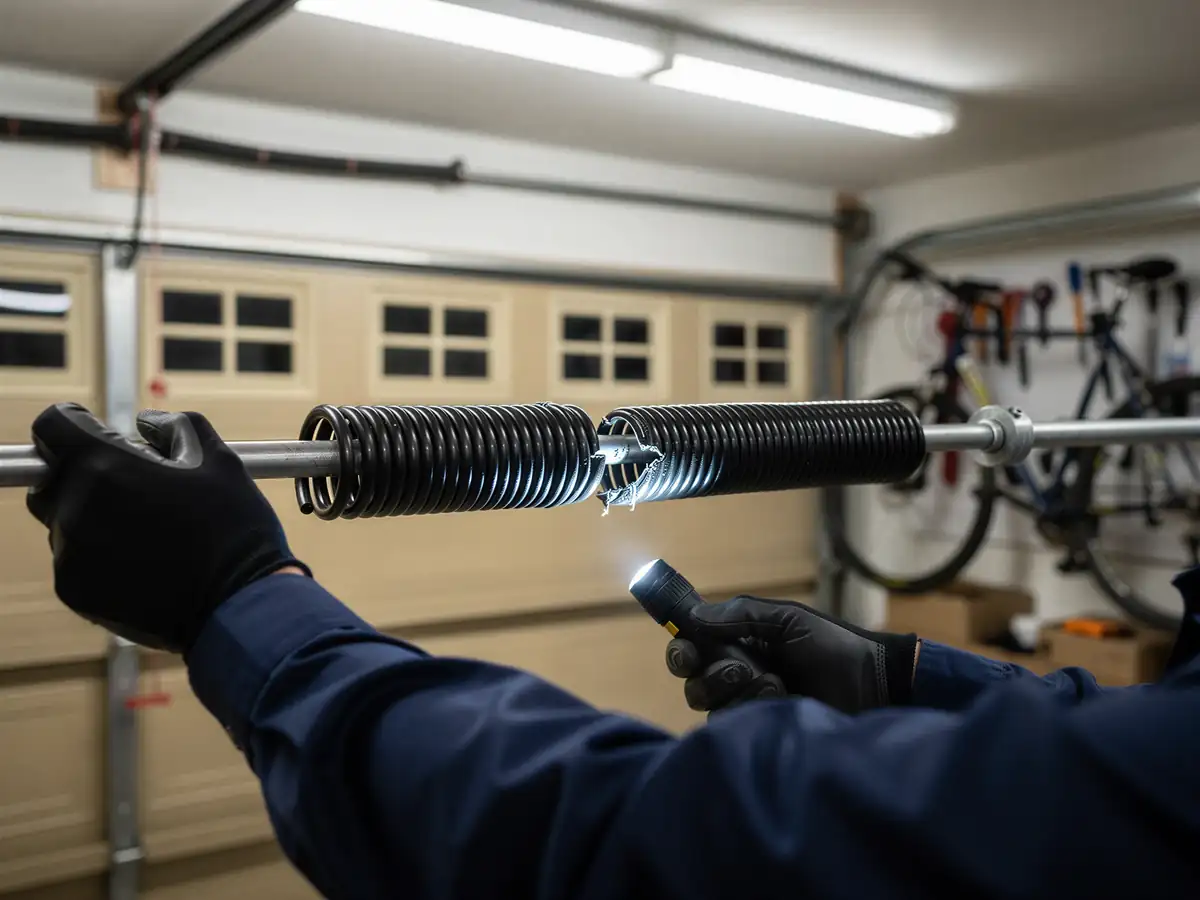
For a door that's been sitting since roughly 2004, that's two decades of summer heat cycling the steel torsion spring through expansion and contraction, which is exactly what fatigues a spring and eventually snaps it. Heat doesn't cause the failure so much as it speeds up the clock on parts that were already going to wear out.
With 6,284 households in Florence, a lot of doors share that same build era and the same climate exposure, which is why spring failures here tend to cluster by age of the house rather than by any one bad batch of parts. If your neighbor's spring went last summer and yours is the same age, it's reasonable to expect yours is on a similar timeline.
How Long It Takes
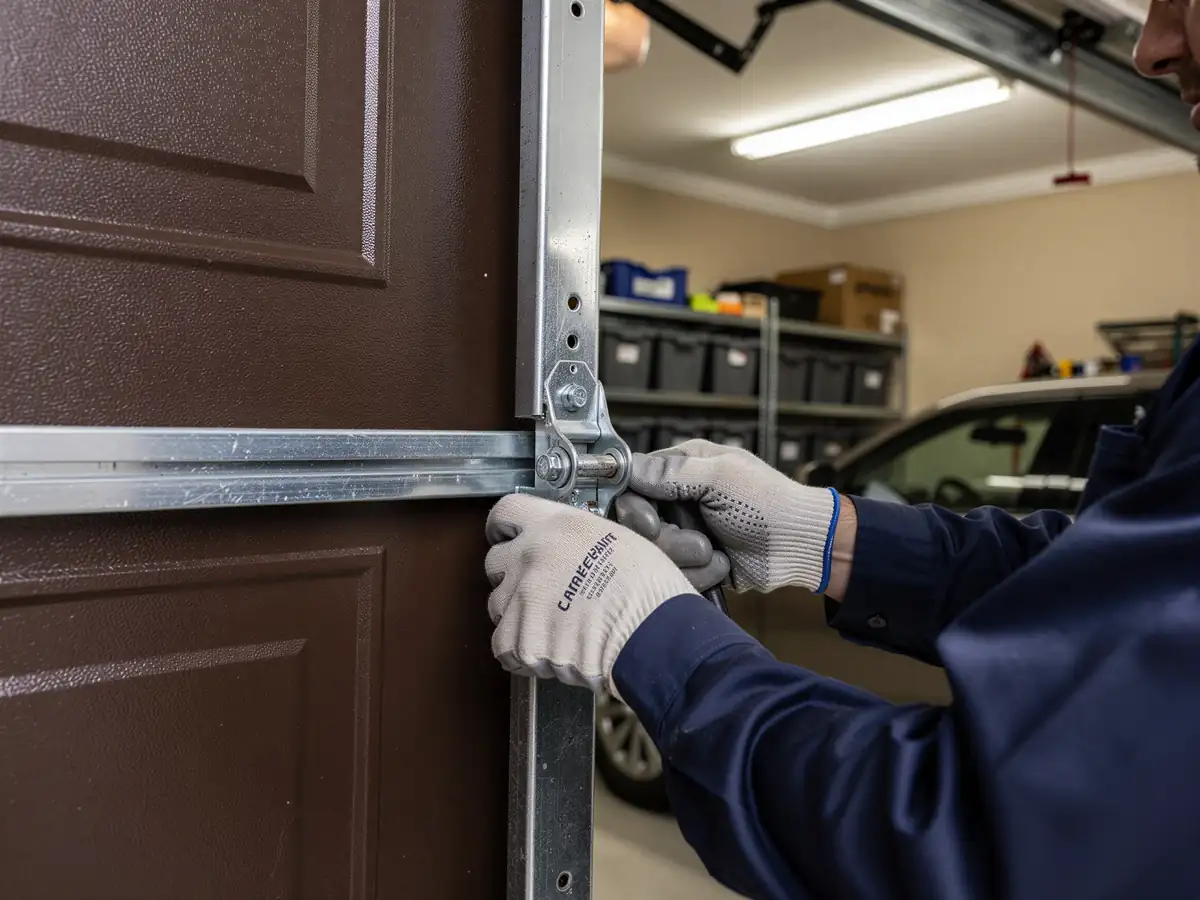
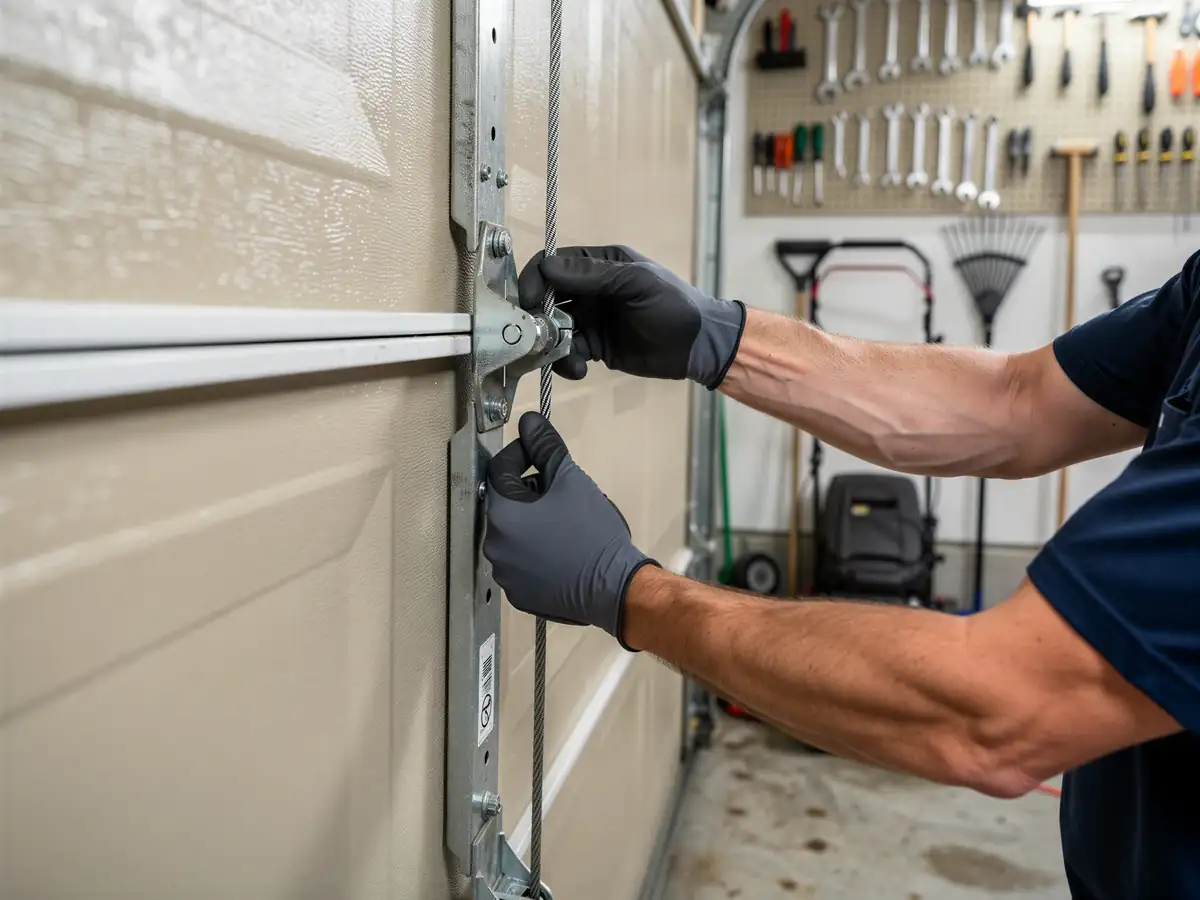
A straightforward torsion spring replacement, once a tech is on site, usually takes under two hours. Opener swaps run longer, especially if the old unit's mounting bracket or wiring doesn't match current parts, which comes up more often than you'd think on 2004-era installs.
What we can't shorten is the drive. Every job in Florence starts with a 16-mile trip from Queen Creek, and that's built into scheduling, not hidden from it. If you need a specific time window, tell us when you call rather than assuming a crew is already nearby - we're not based in town, and we won't pretend otherwise.
Parts availability can add time too. If your opener is an older, discontinued model and needs a full replacement rather than a board swap, that's a same-visit job in most cases since standard openers are stock items - but a less common spring size or an odd track configuration can mean a second trip if it's not something carried on the truck that day.