The Complications
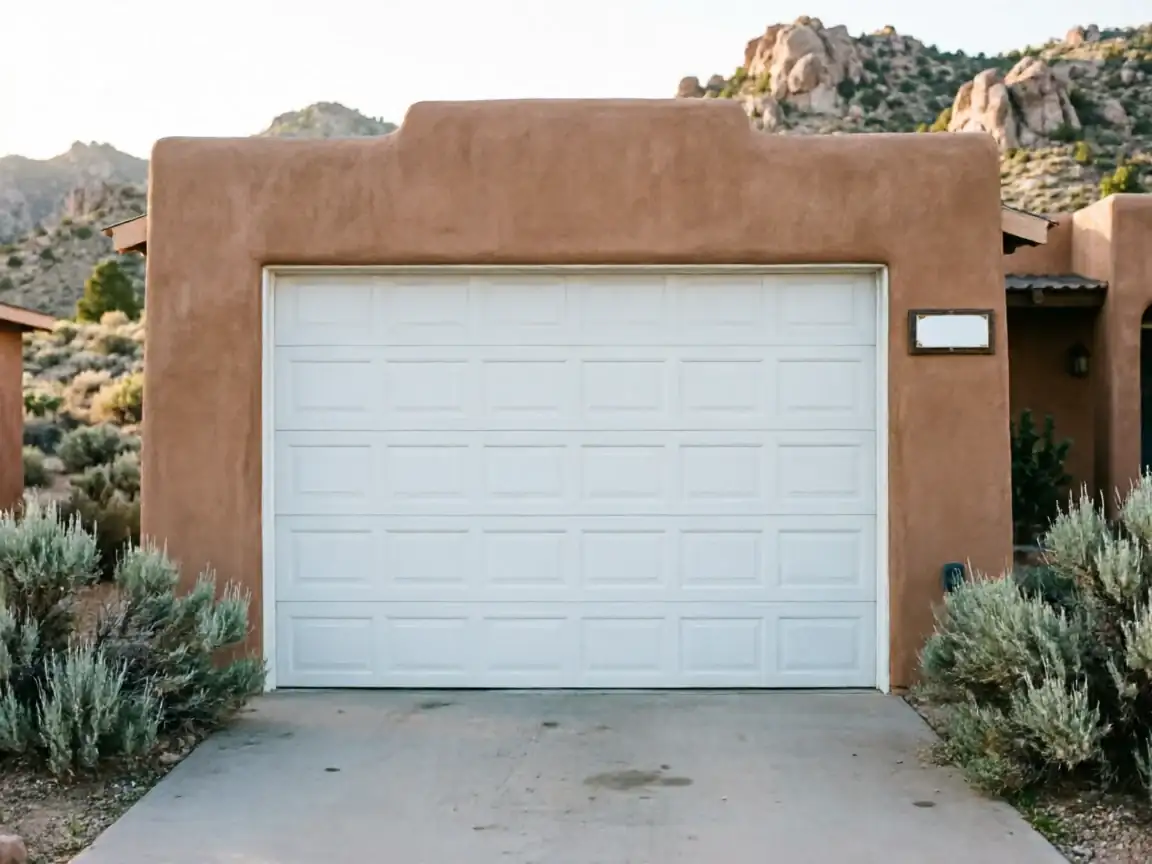
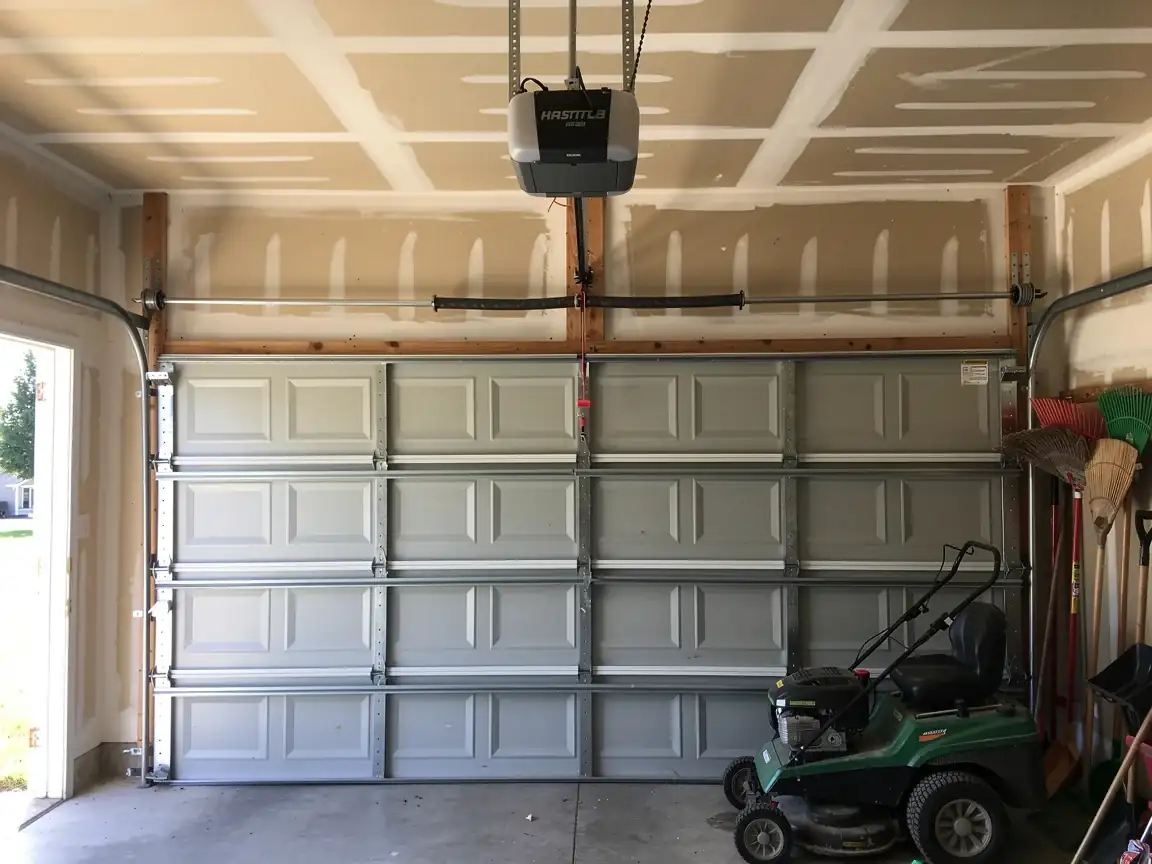
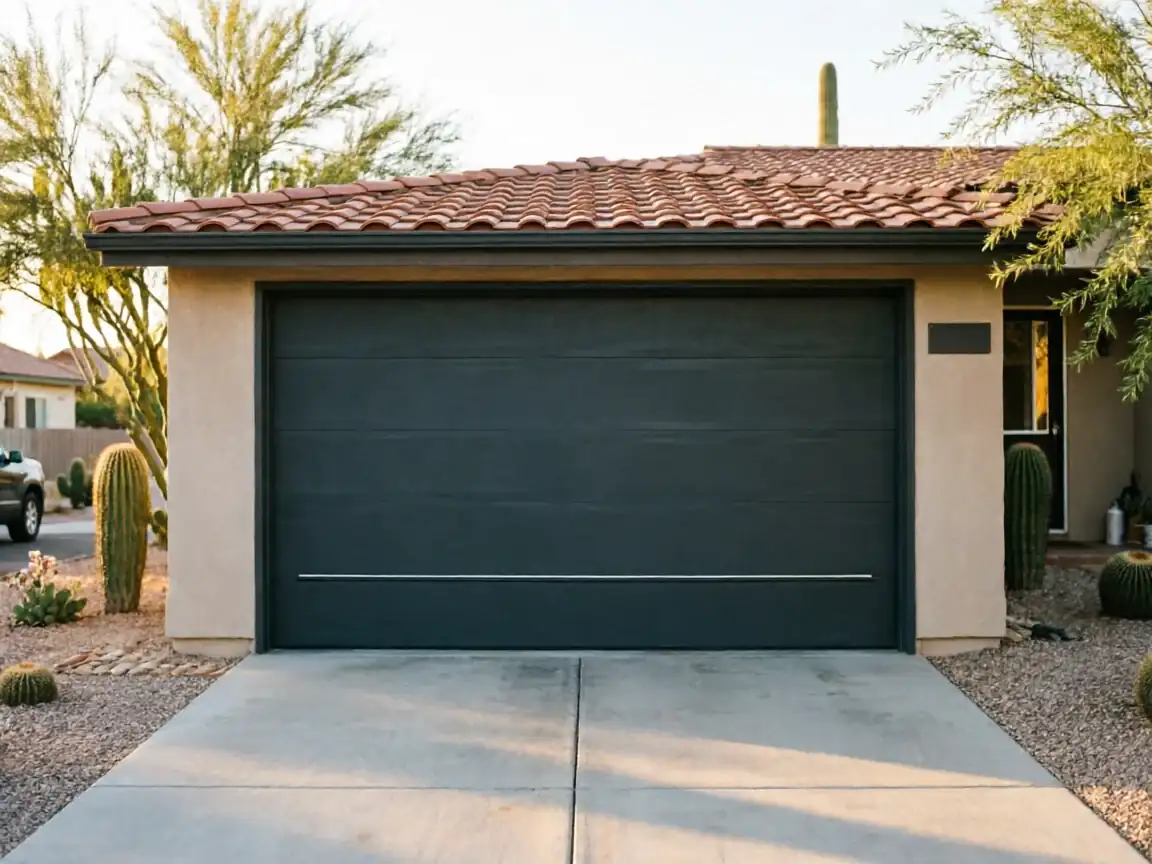
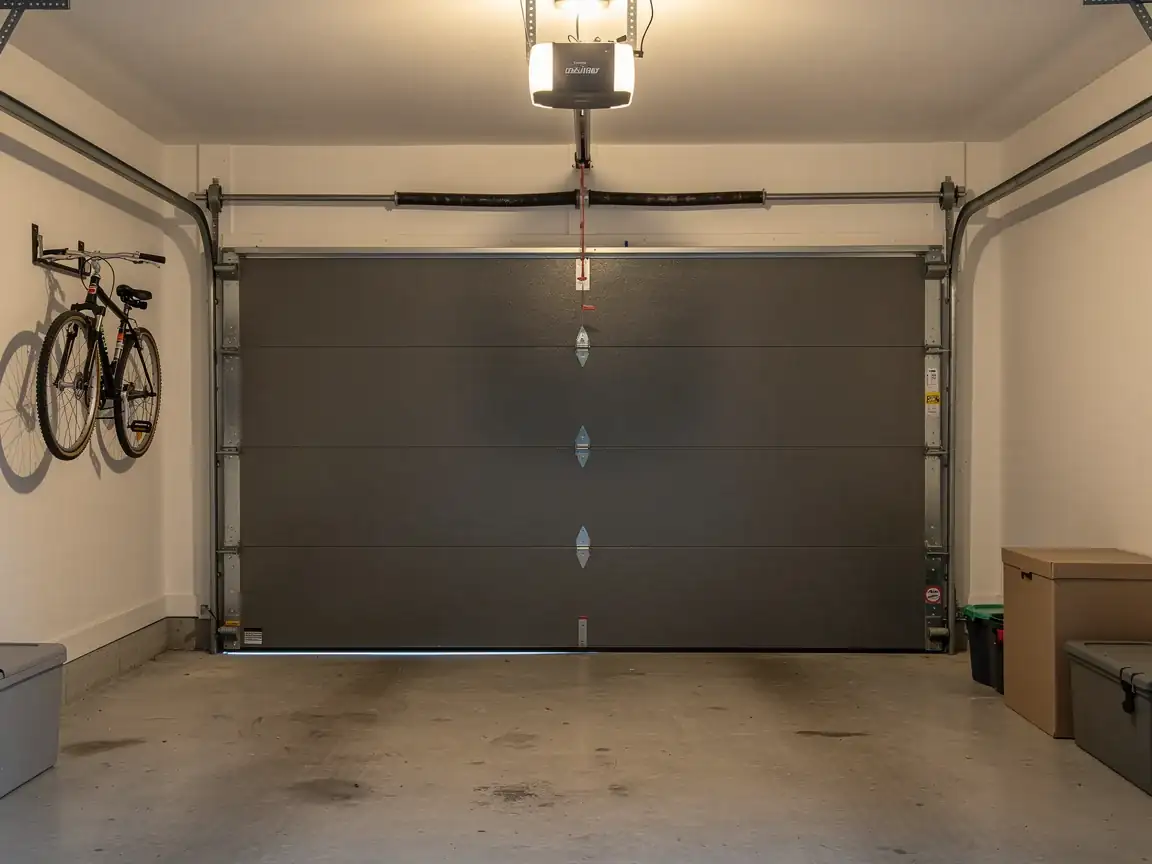
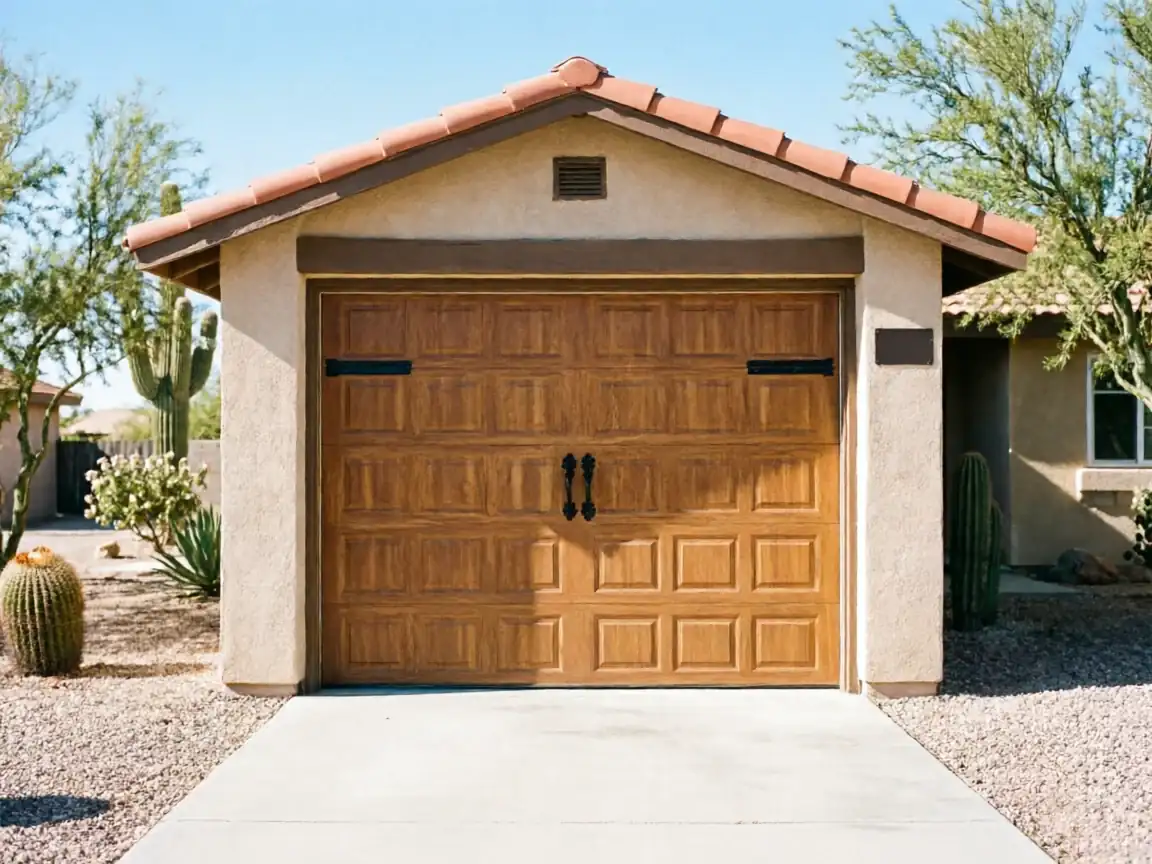
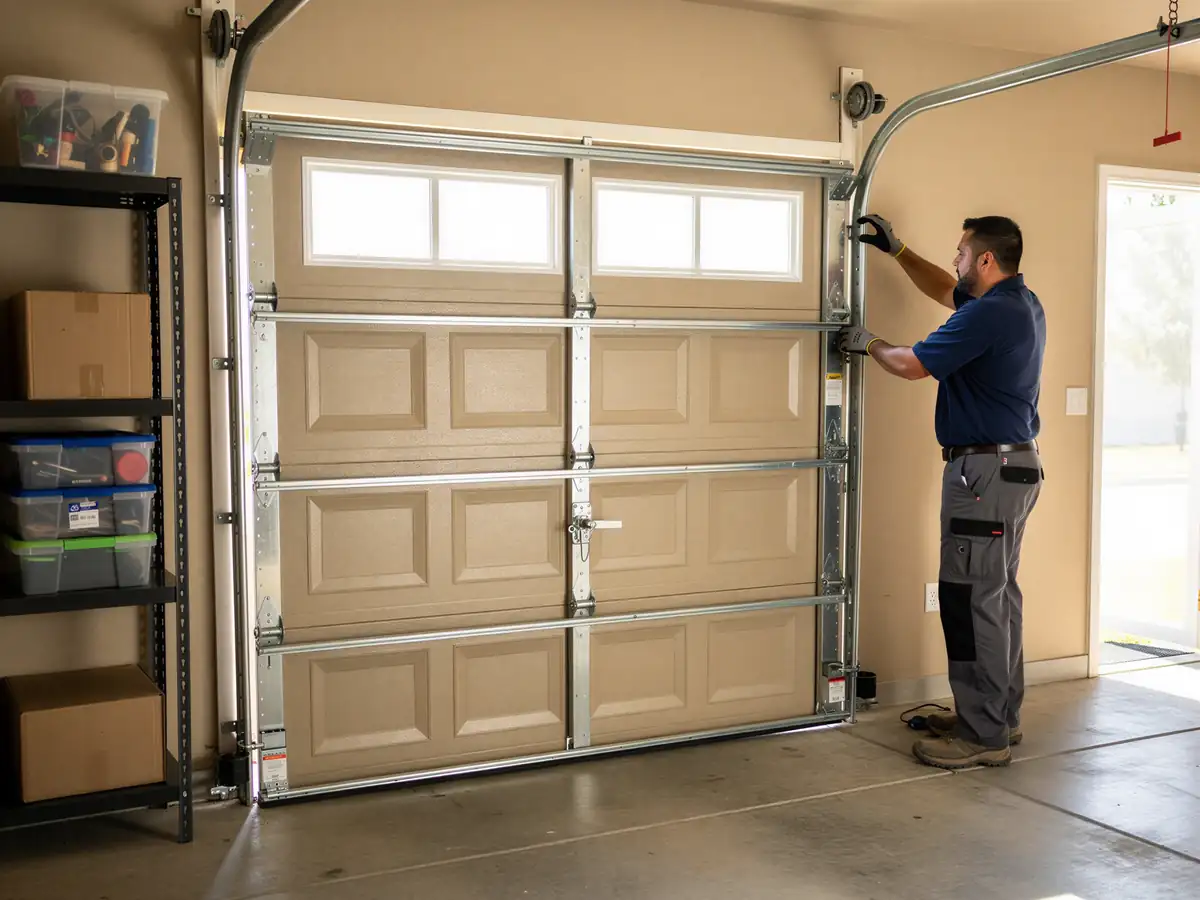
Most houses in Florence went up around 2004, which means the garage door bolted to them is a factory steel sectional door on torsion springs, not the lighter extension-spring setup you'd find on an older place. That era of build also tends to run wider openings - double-car bays sized for two full-size vehicles rather than the narrower single-and-a-half layouts common in older stock. The door itself is usually a 2-inch or thinner steel panel with a polystyrene or polyurethane core, insulated enough for the builder's spec at the time but not necessarily what a homeowner would spec today.
The complication isn't the door design - it's that these doors are now pushing two decades of cycles on their original springs and rollers, and this is one of the farthest suburbs this crew covers out of Queen Creek, at sixteen miles. That distance doesn't change what the door needs, but it does mean a Florence job gets scheduled as a dedicated trip rather than squeezed between closer calls, so booking ahead matters more here than it would ten minutes down the road.
We don't stock every panel style a 2004-era builder used, since those lines get discontinued. If a homeowner wants to match an existing but damaged section rather than replace the whole door, that's a conversation worth having before the truck rolls, not after.
The Cost of This Job
Florence's median household income sits at $76,259, in line with the rest of this territory
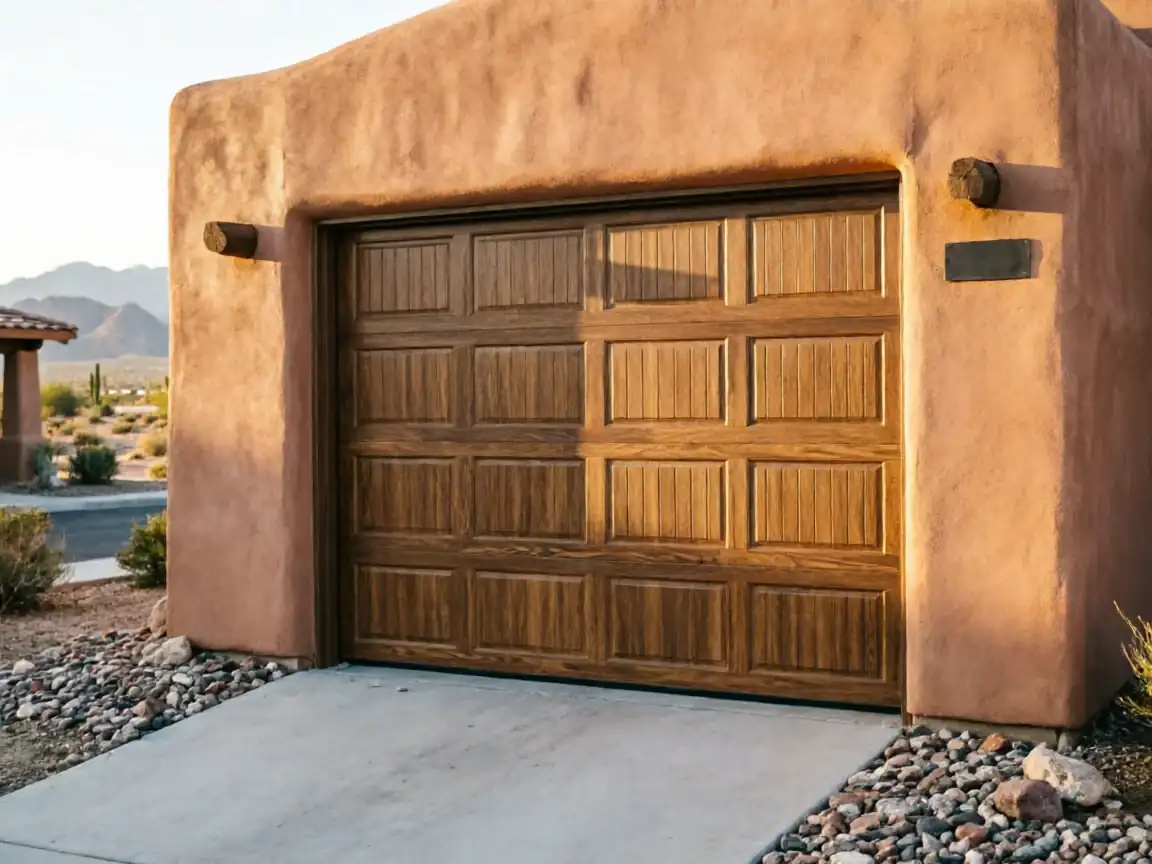
And that figure tends to track with what gets requested here: a solid insulated steel door in a standard size, not a custom wood-look or oversized carriage-style unit. We're not going to quote a number in this space because the price depends on the door size, insulation level, and whether the existing track and opener get reused or replaced - that's a conversation for the actual estimate, not a blanket figure that would be wrong for half the houses on a given street.
- $76,259 median household income
What we can say: a full new install costs more than a spring swap, and it should
You're replacing the door skin, the hardware, the springs, and often the opener's mounting all at once, instead of patching one failed part on a door that's already twenty years into its service life. For a lot of Florence homes built right around 2004, that's close to where the math starts favoring replacement over another round of repairs - the springs are original-era, the rollers are worn, and the panel is starting to dent or rust at the bottom section from two decades of monsoon exposure.
The honest limitation here
If your door is still structurally sound and the problem is one spring or one cable, full replacement is the wrong recommendation, and we'll tell you that instead of selling a door you don't need yet.
What Causes It Around Here
This stretch of Pinal County sits in a severe heat band, and heat is what ages a garage door faster than age alone would. Steel expands and contracts enough across a Florence summer to work rollers loose in their tracks and to dry out the rubber weatherstrip along the bottom seal and side jambs within a handful of years past install. On a door that's already approaching twenty years old - which describes most of the housing stock here, since the median build year is 2004 - that heat cycling finishes off springs that were already fatigued from daily use.
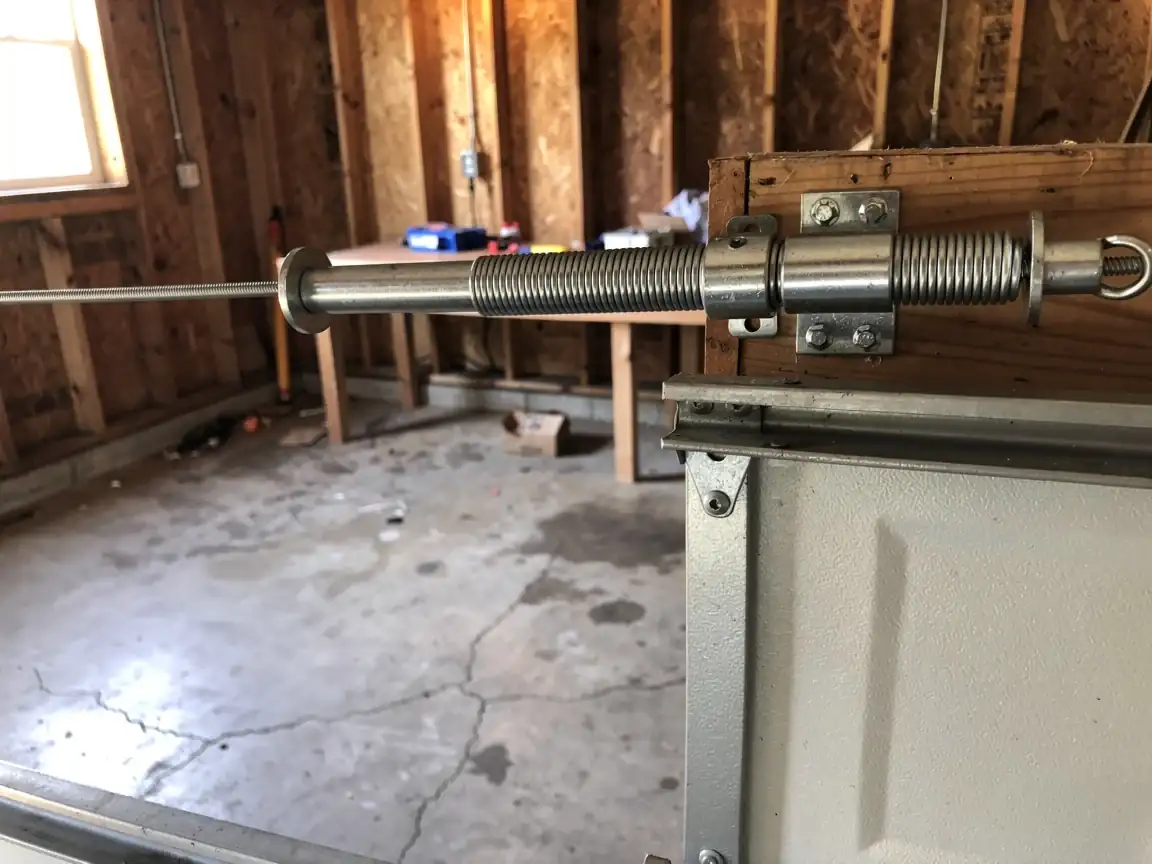
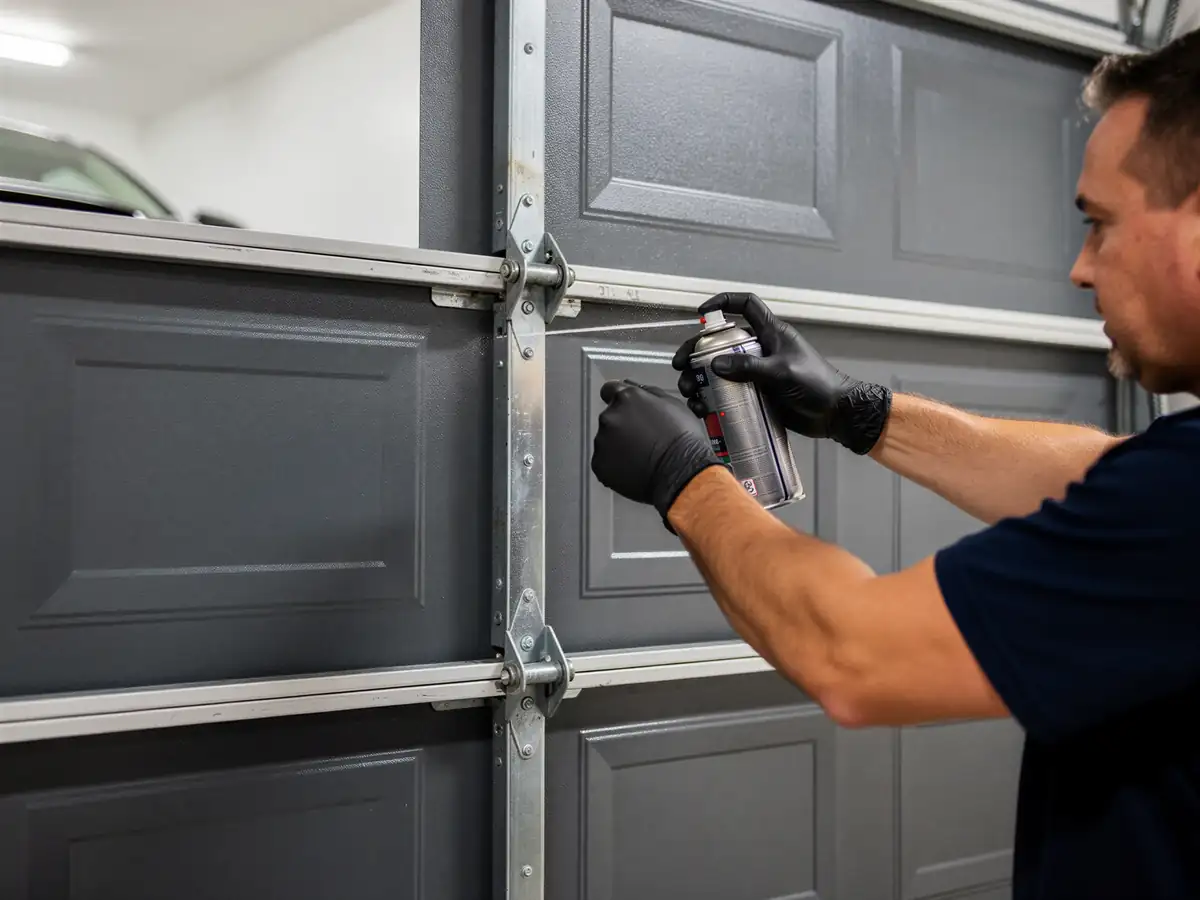
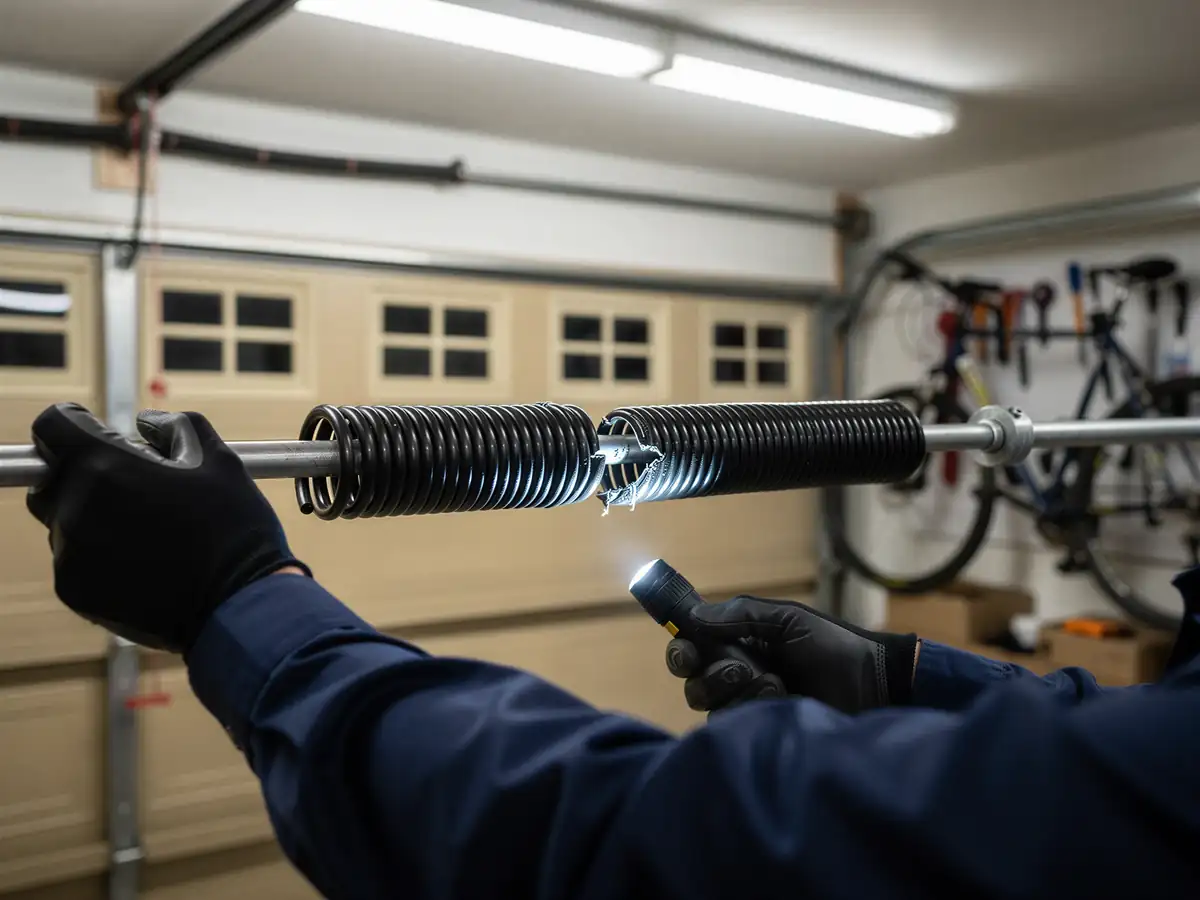
The other driver is simpler: torsion springs are rated for a number of open-close cycles, not a number of years, and a door installed when the house was new in the early 2000s has been through roughly two decades of garage openings. Combine that cycle count with Arizona heat breaking down the lubricant and the foam core adhesive, and you get the pattern we see on Florence service calls - panels that look fine from the driveway but have springs and rollers that are done, with an opener straining to compensate.
We don't see this pattern the same way on newer construction closer to on the older 1980s stock elsewhere in the territory; it's specific to houses built right around this door's install era, in this climate.
How Long It Takes
Because this crew works out of Queen Creek and Florence is a sixteen-mile run, the first thing to plan for is the appointment window, not the install itself. We don't keep a branch in Florence, so same-day walk-up service isn't something we offer here - a new door install gets scheduled in advance, and the drive time is built into how the day gets routed alongside other jobs in Gold Canyon, Sun Lakes, or the closer-in suburbs.
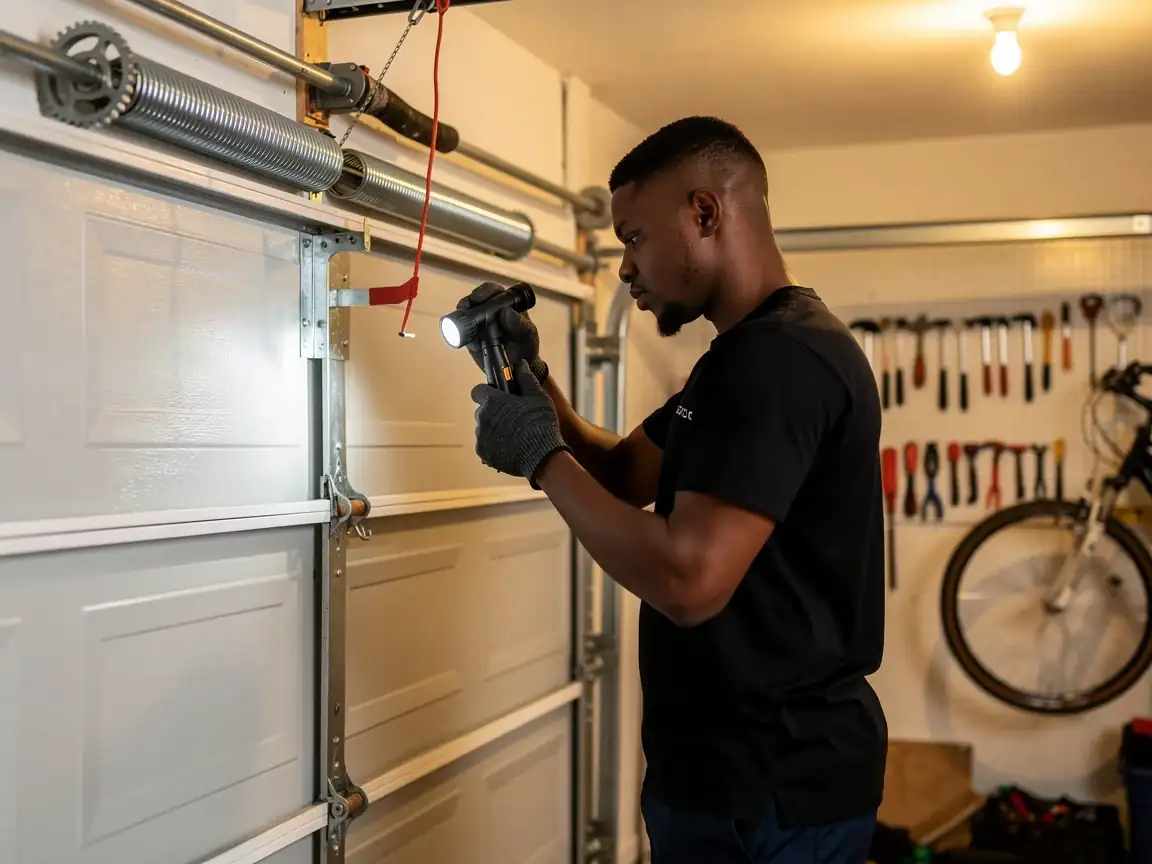
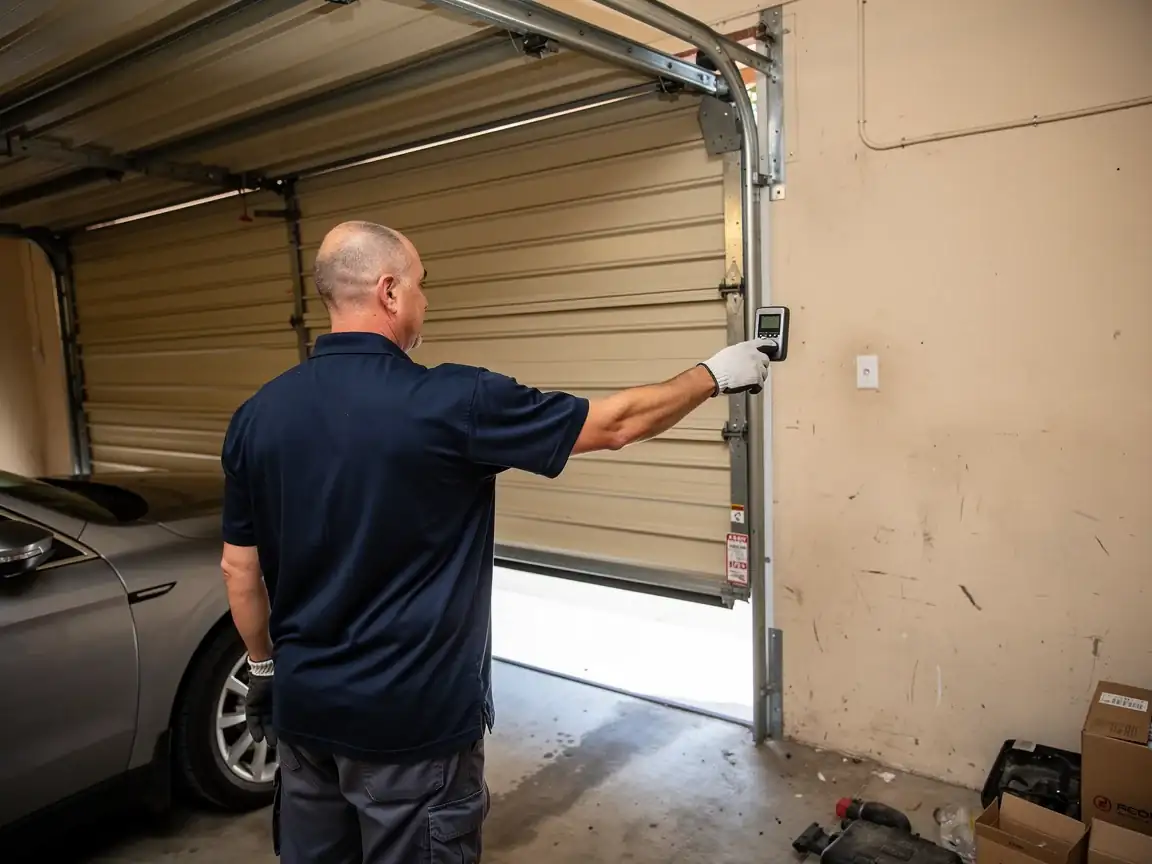
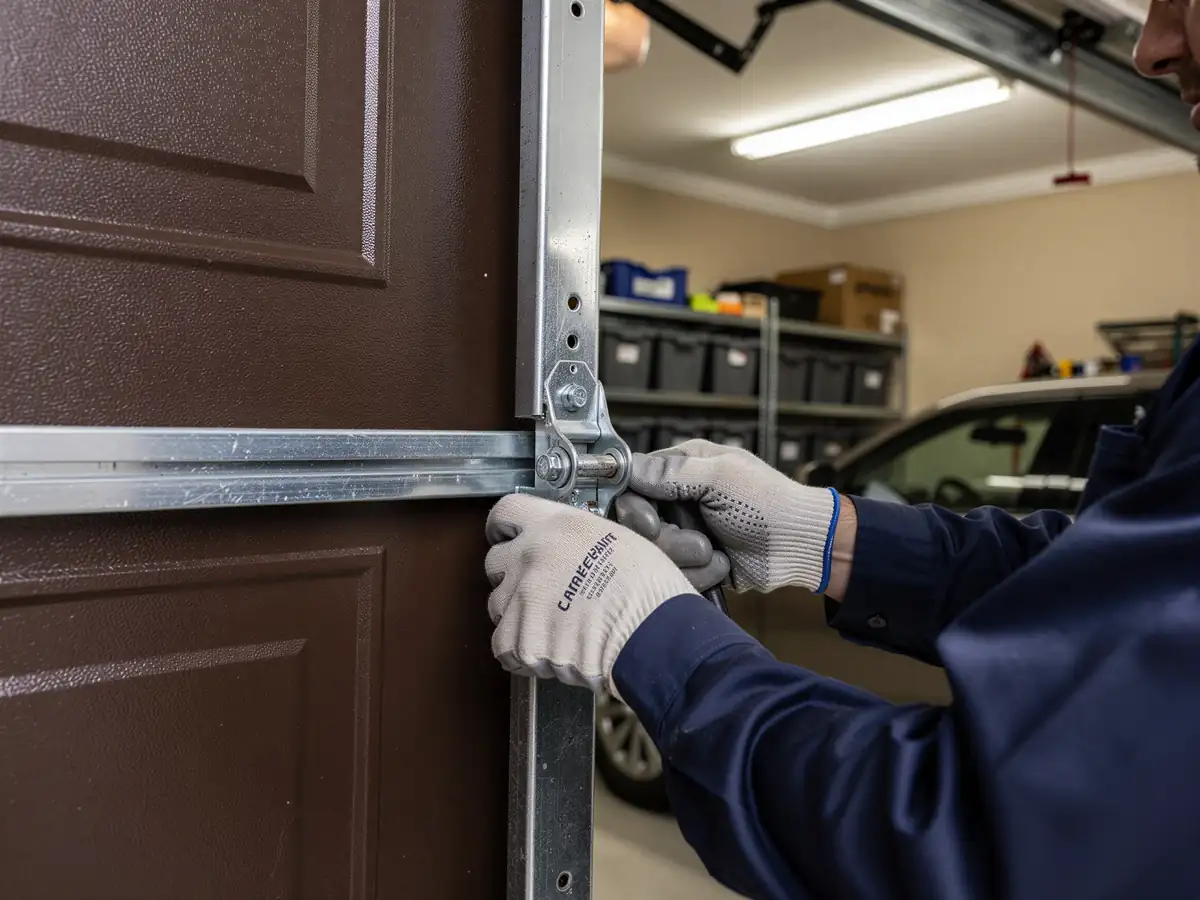
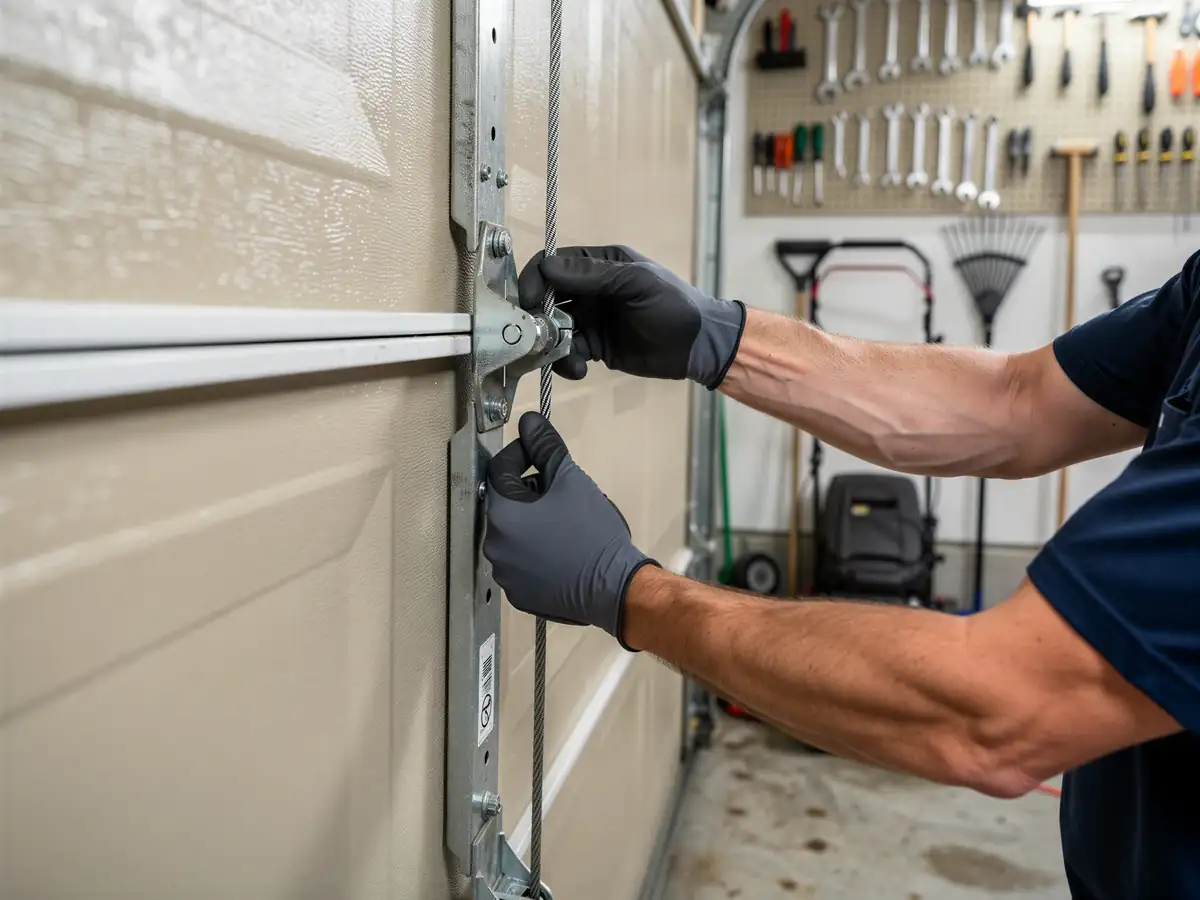
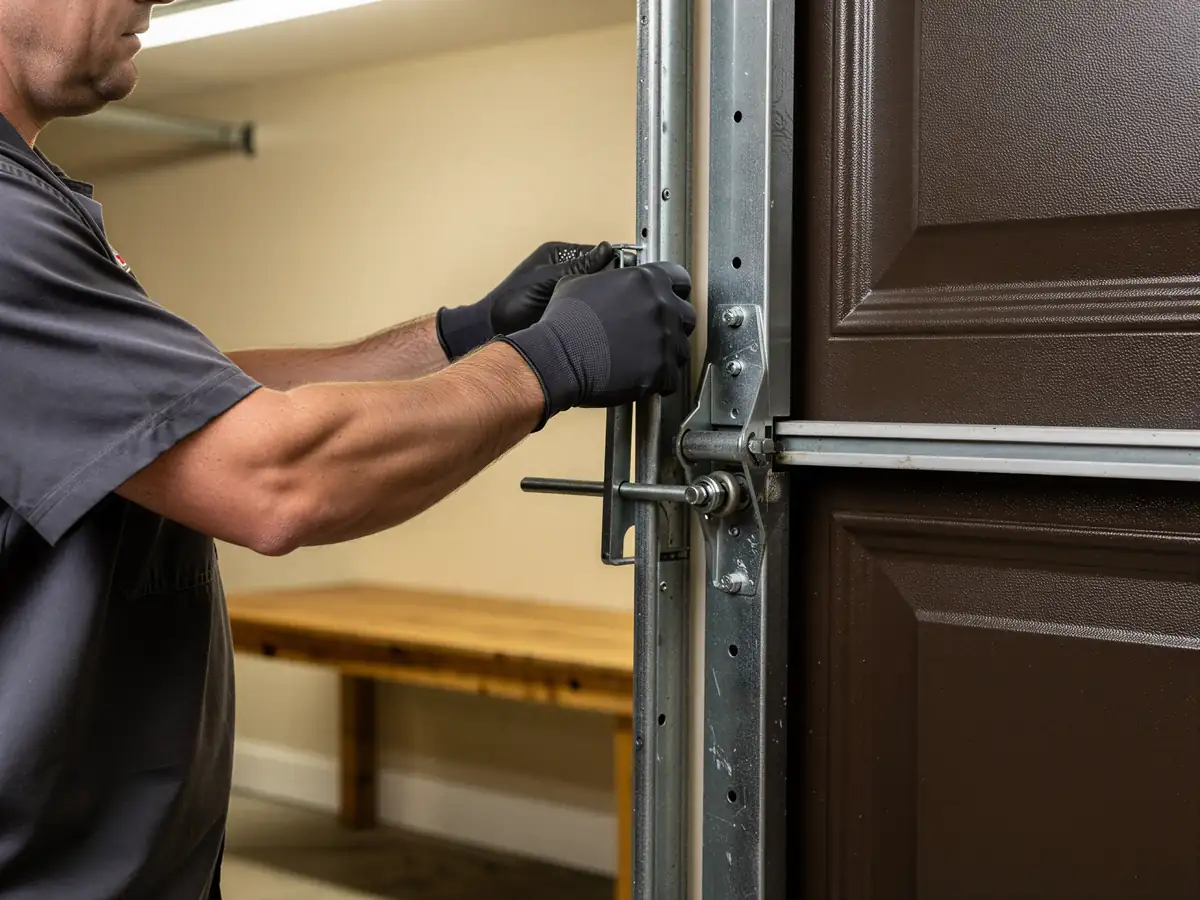
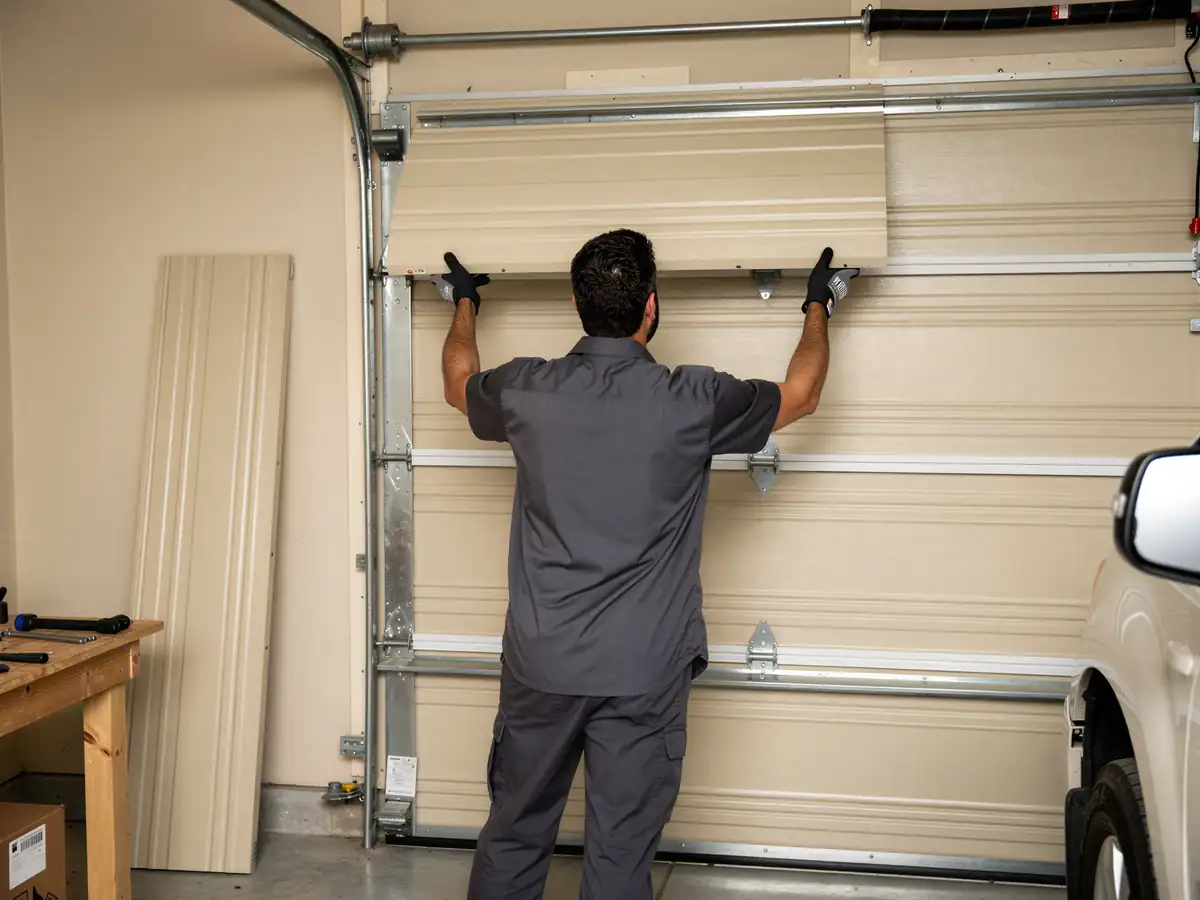
Once the crew is on site, the work itself follows the usual sequence: remove the old door and track, set the new jambs and header flashing if needed, hang the new panels, install springs sized to the door's actual weight, and balance and test the opener against the new door. Doors matching the standard double-car opening common in this 2004-era housing go faster than a custom or oversized single; mismatched or out-of-square framing on an older section of a house adds time regardless of door size.
The one thing we won't do is rush the spring tensioning to save a half hour - an improperly balanced torsion spring on a new door is the single most common callback on this type of job, and it's avoidable.