The Complications
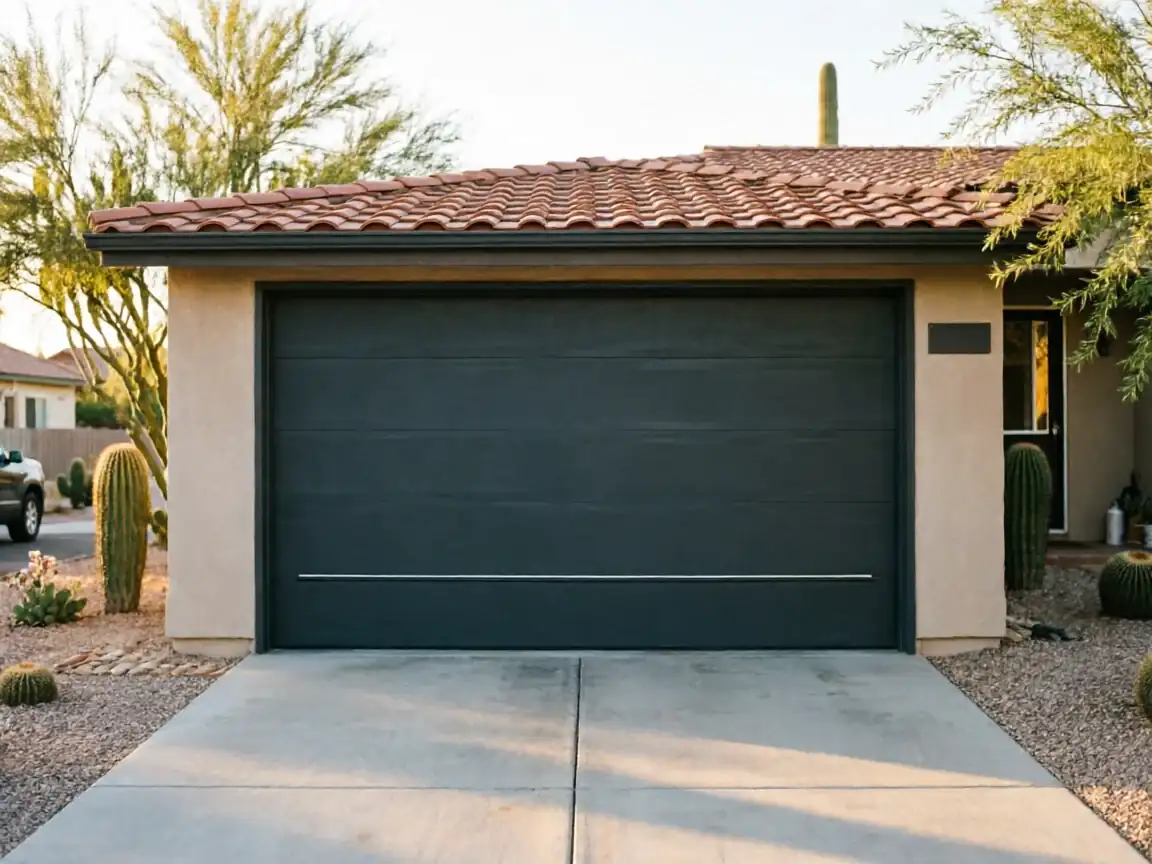
Florence is a smaller town than most of the places we cover - around 6,284 households, not the sprawl you get closer to Queen Creek. That matters for maintenance because a smaller town usually means a tighter range of builders and a tighter range of door models, which is actually good news when it comes to parts. The flip side is that nobody local stocks garage door hardware, so if a tech finds a stripped gear or a cracked bottom bracket on a maintenance visit, that part is coming from Queen Creek on the next trip out, not off a shelf around the corner.
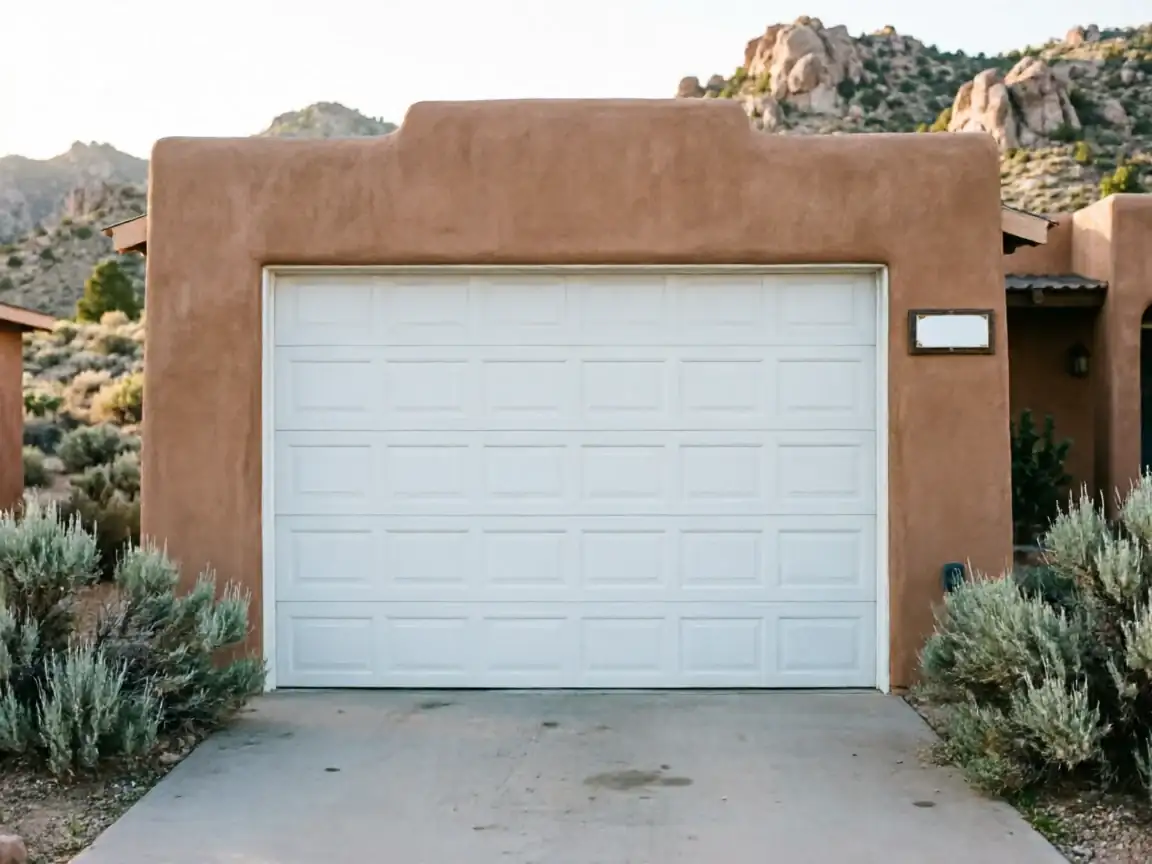
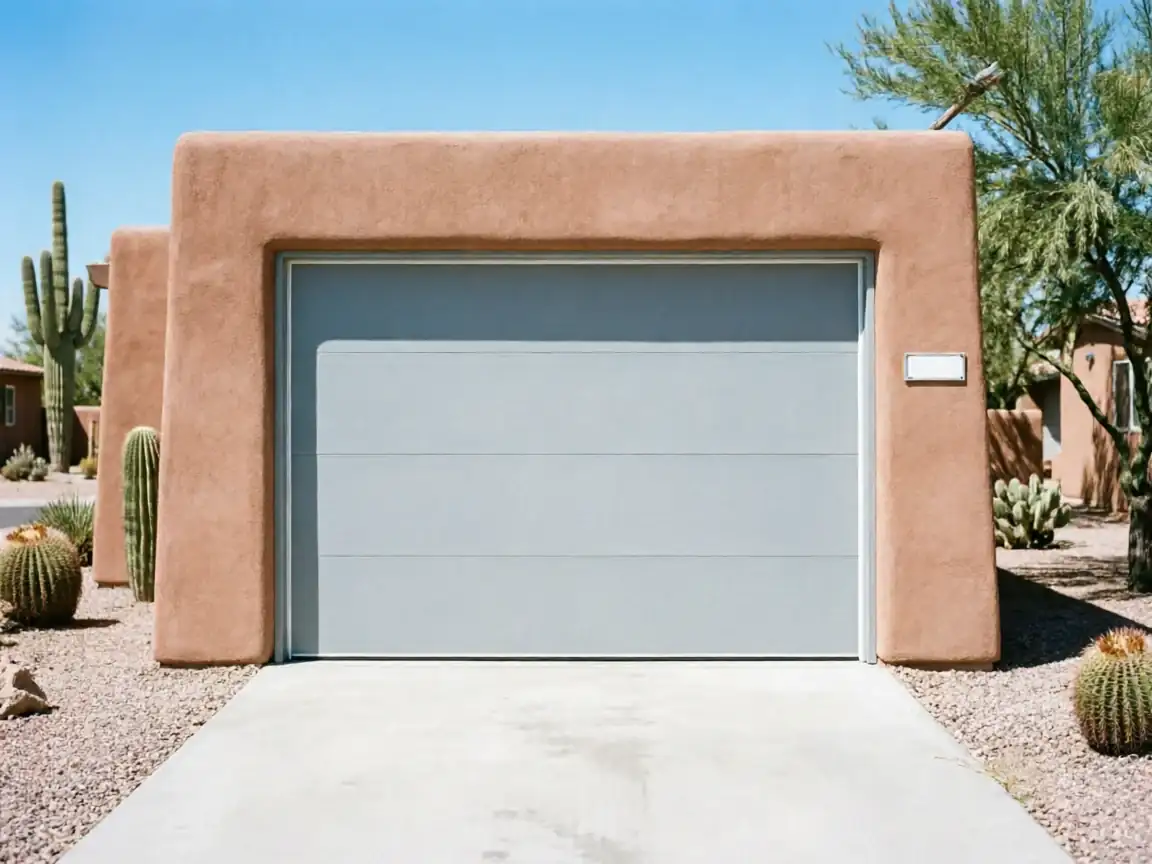
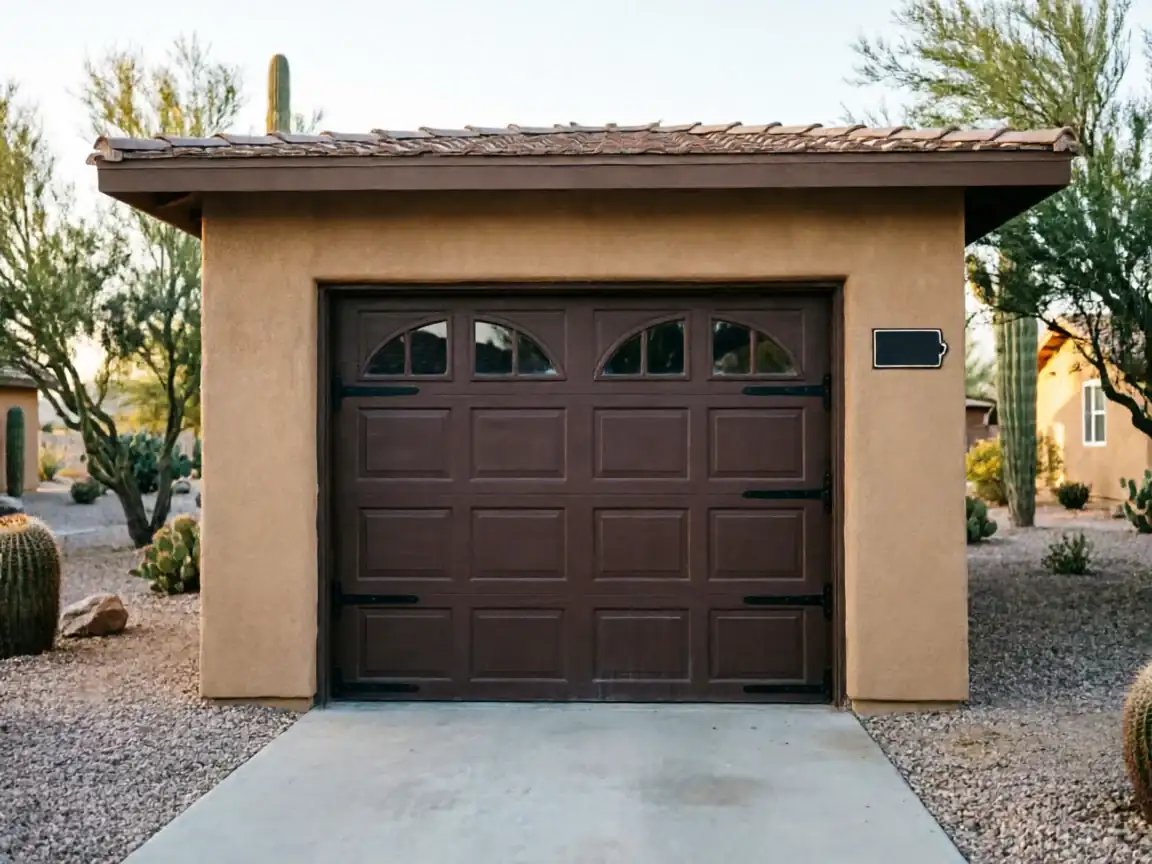
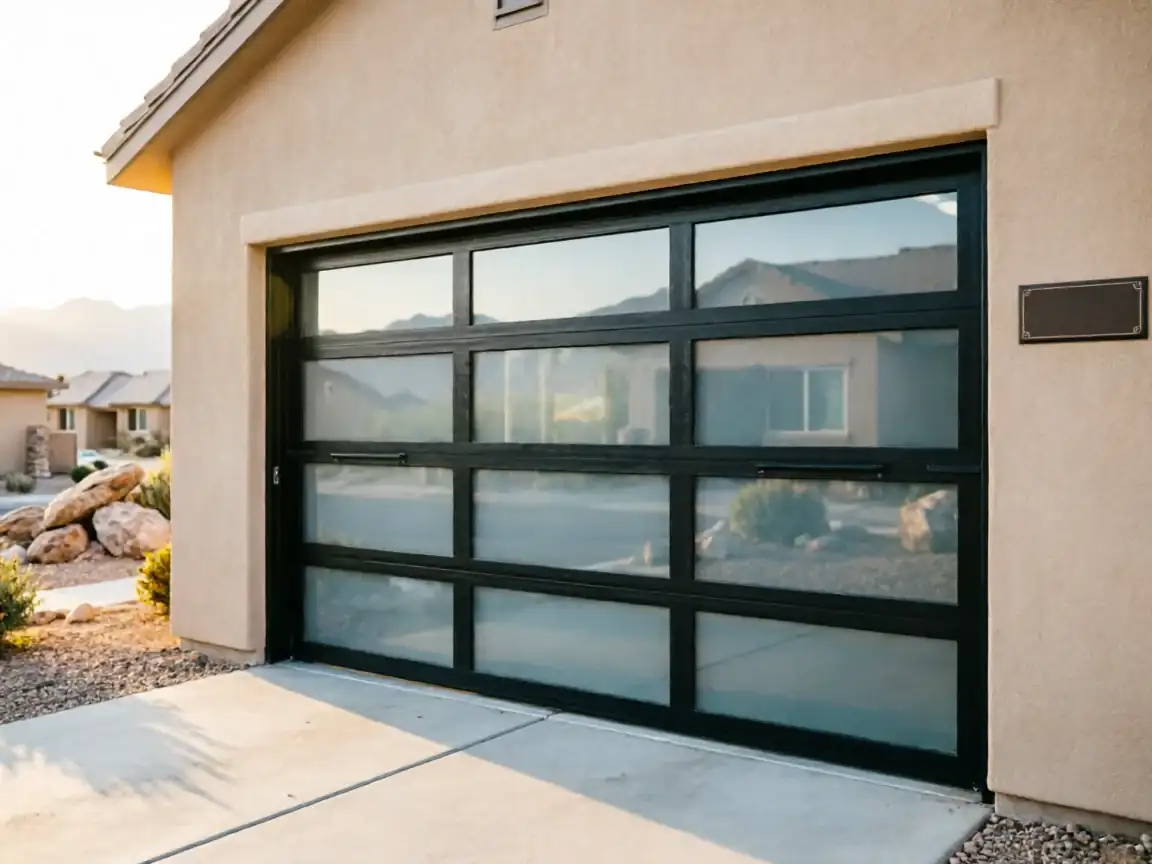
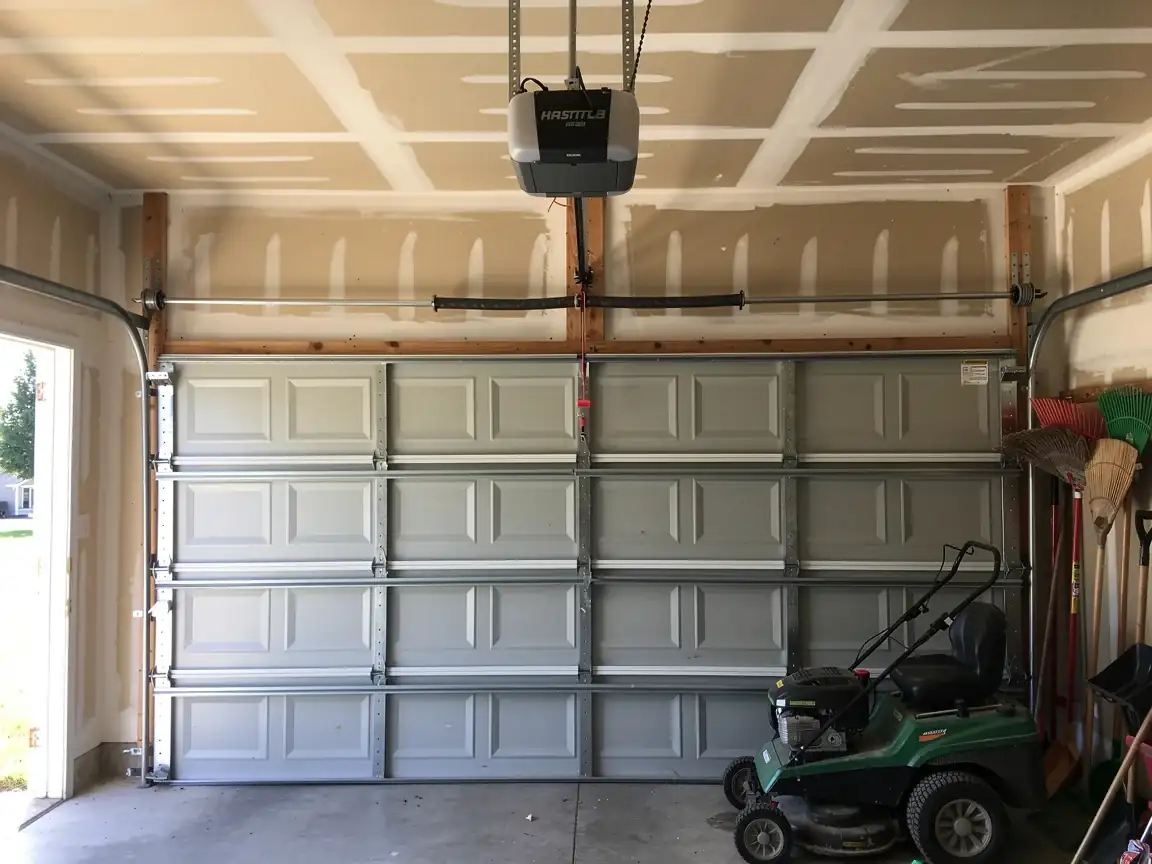
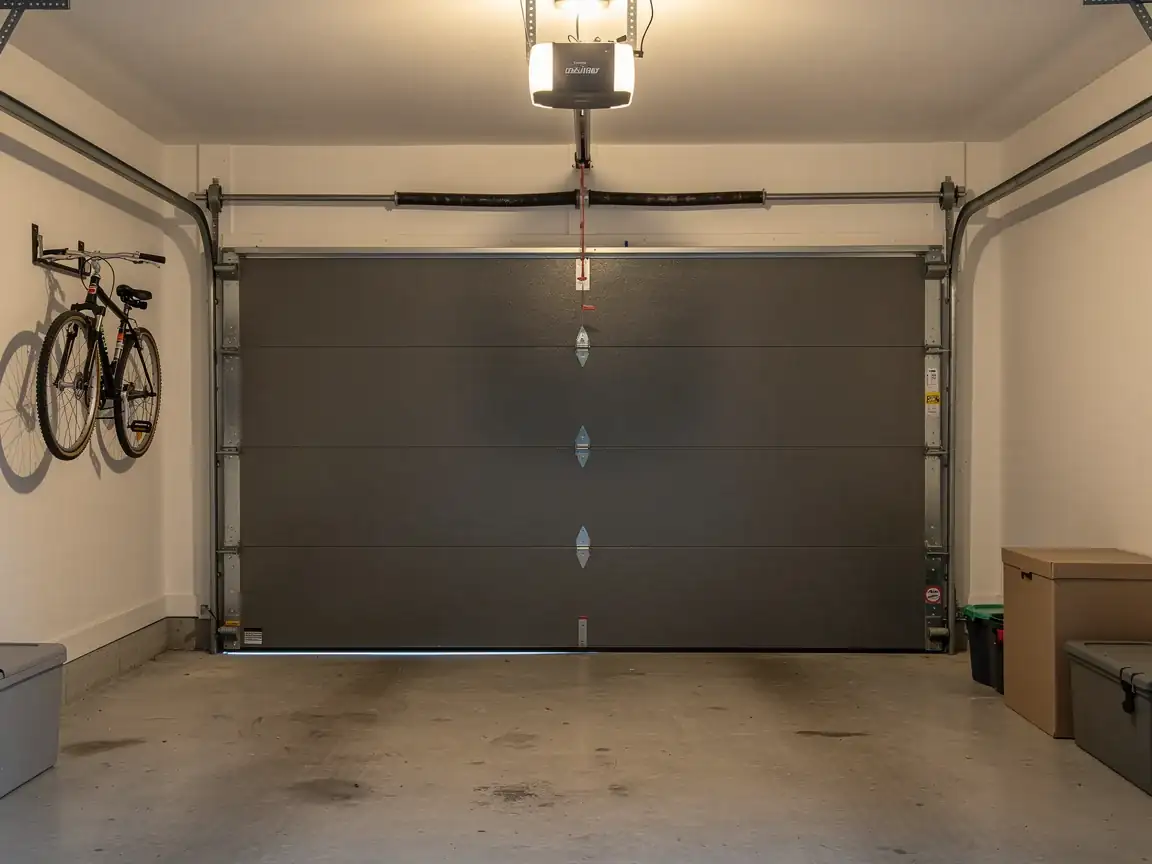
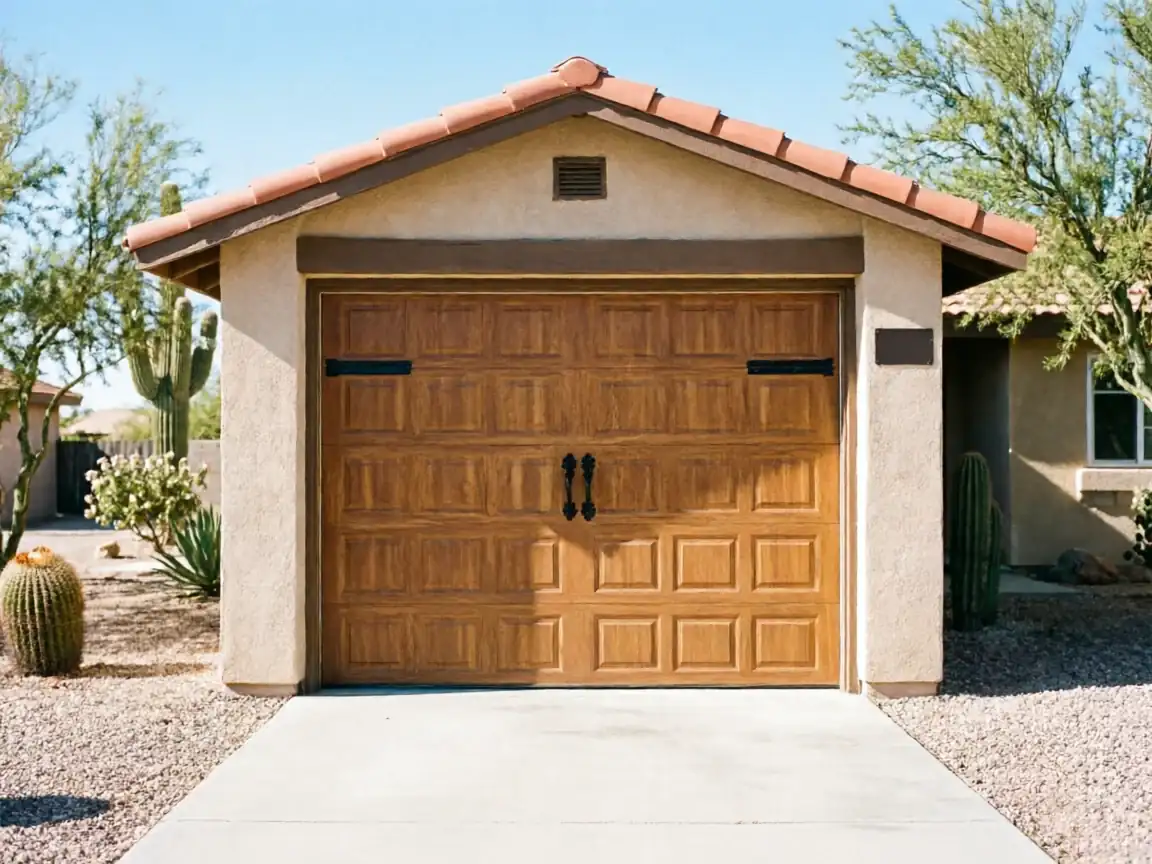
Median year built here runs around 2004, newer than a lot of the service area. That means steel doors on torsion springs are standard, not the oddball side-mount setups you see on older stock. The failures we find on maintenance calls in Florence tend to be rollers worn from heat cycling and openers with drive gears that have quietly stripped, rather than the ancient one-piece doors and obsolete hardware that show up in older neighborhoods closer in. We're not guessing at what's behind the door before we get there - a 2004-era build tells us a lot already.
The Cost of This Job
We don't post a flat maintenance price for Florence
Because what a visit costs depends on what the door needs once a tech is standing in front of it - tune-up only, or tune-up plus a part that failed early. What we can tell you is that median household income here sits at $76,259, in line with the rest of the area we serve, and that's who this service is built for: homeowners who'd rather spend on a yearly check than on an emergency spring replacement at ten at night.
Because we're driving in from Queen Creek, sixteen miles out, there's no walk-in pricing and no drop-by quote
A maintenance call gets scheduled, and the quote for anything beyond the standard tune-up gets given on site before any work happens. If a part needs ordering, that adds a trip - we won't pad a bill by guessing at hardware we haven't looked at.
What Causes It Around Here
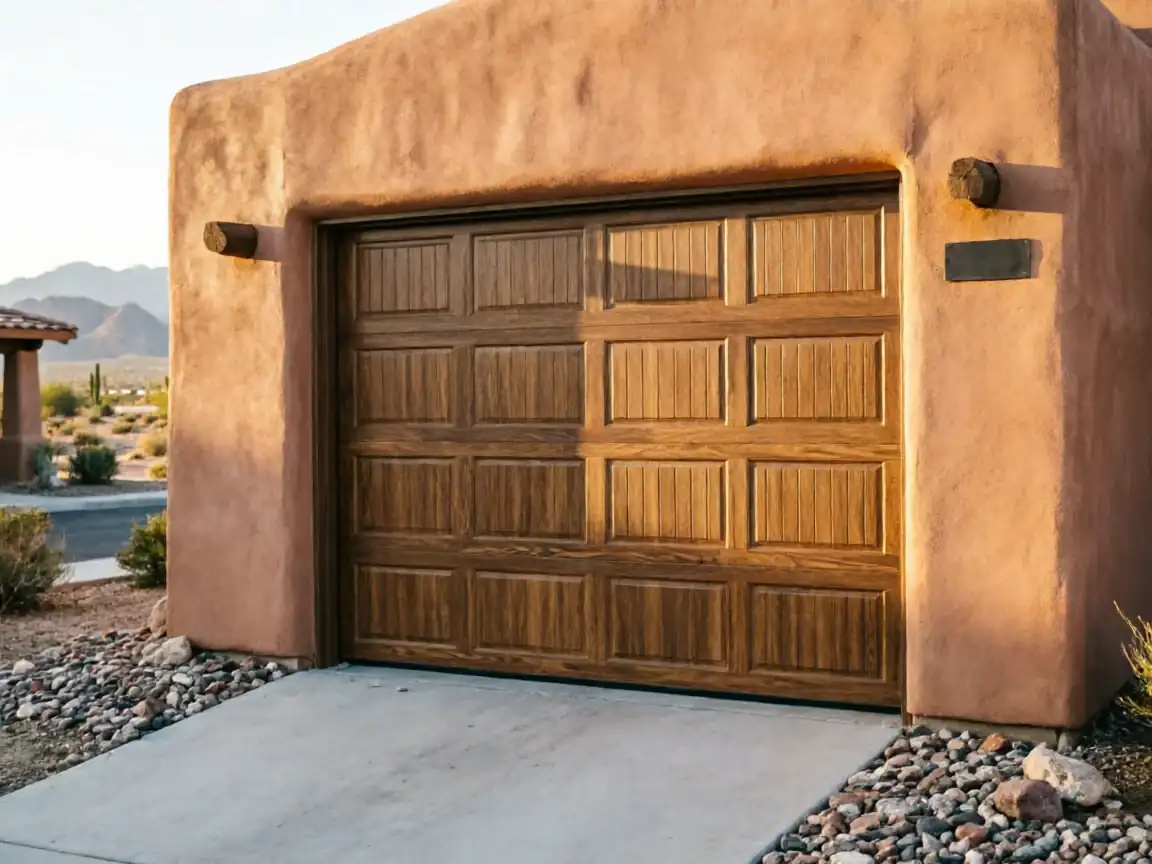
Arizona's heat is classified as severe for building purposes, and it's the single biggest reason a garage door needs regular maintenance instead of none. In Florence, with most homes built around the 2004 mark, the doors and openers are old enough now that factory grease has broken down and springs have gone through a decade and a half of summer expansion and contraction. That's not a defect - it's just what heat does to steel and lubricant on a schedule.
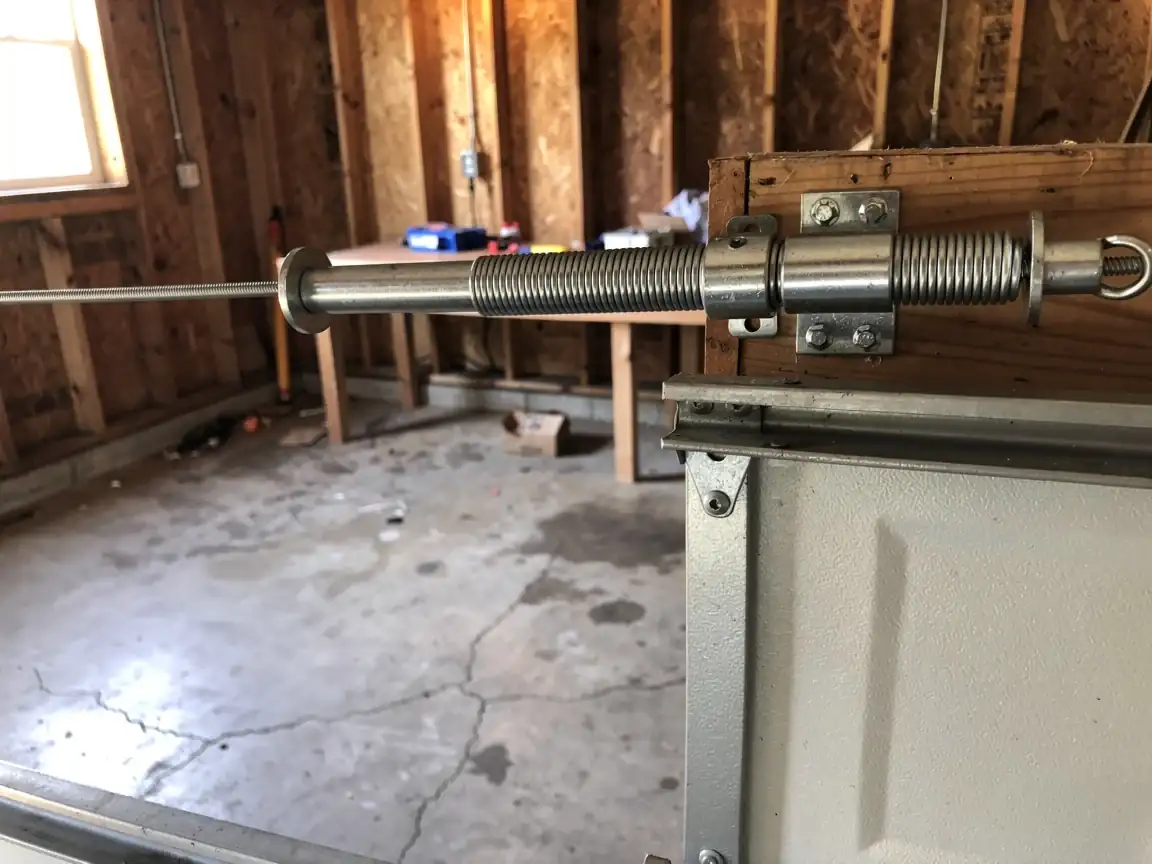
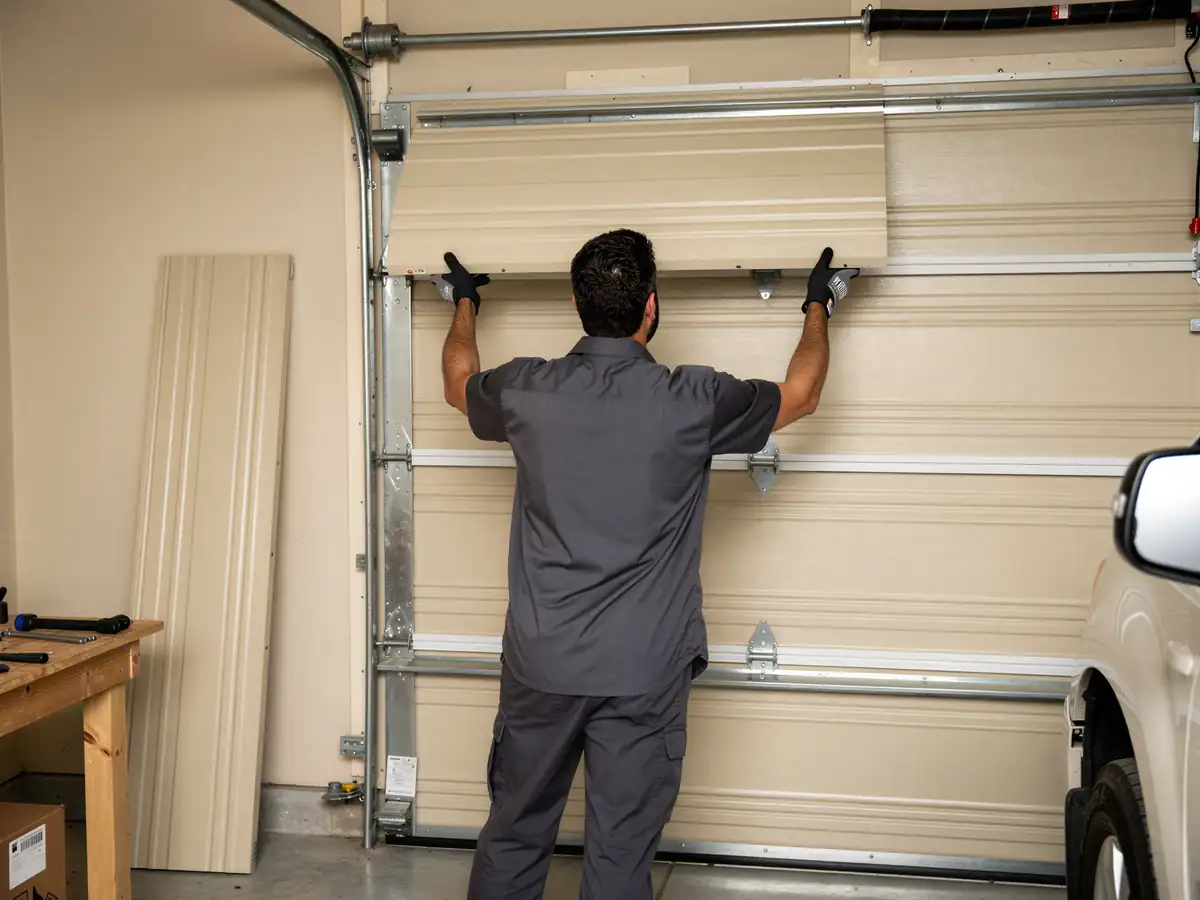
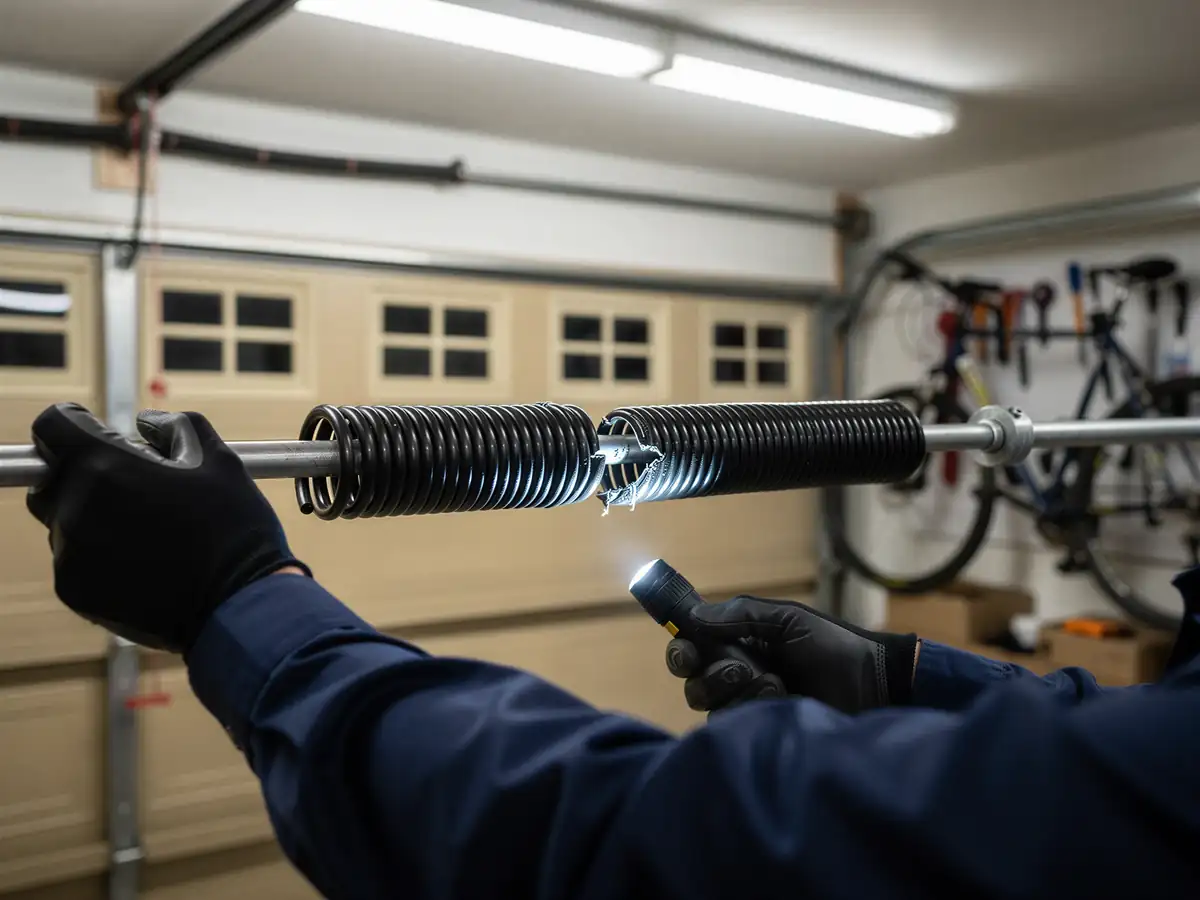
The most common finding on a Florence maintenance visit is a torsion spring that's lost tension faster than its rated cycle count would suggest, because 115-plus degree days accelerate metal fatigue more than cooler climates do. Second most common: opener drive gears, usually plastic, that have worn down from running against grit-dried tracks. Neither is dramatic. Both are the kind of thing a once-a-year check catches before the door comes down off its tracks on a Saturday morning.
How Long It Takes
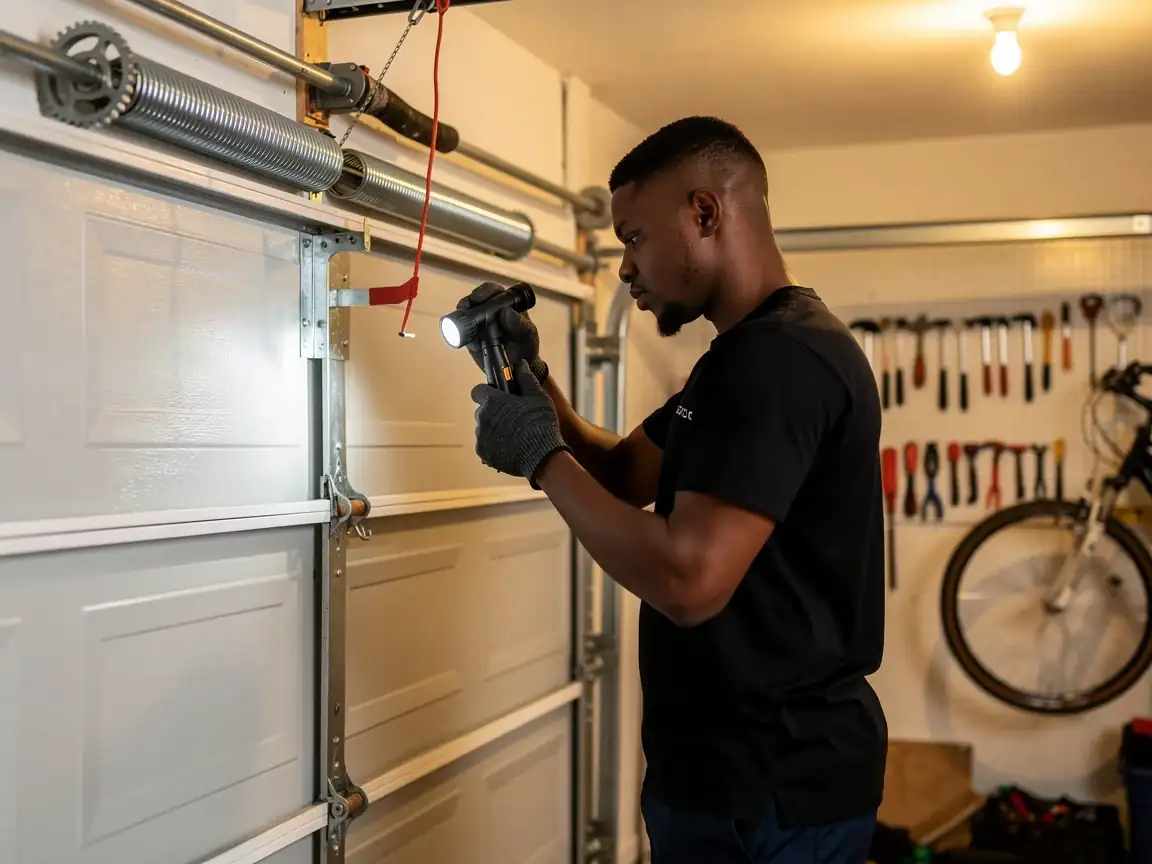
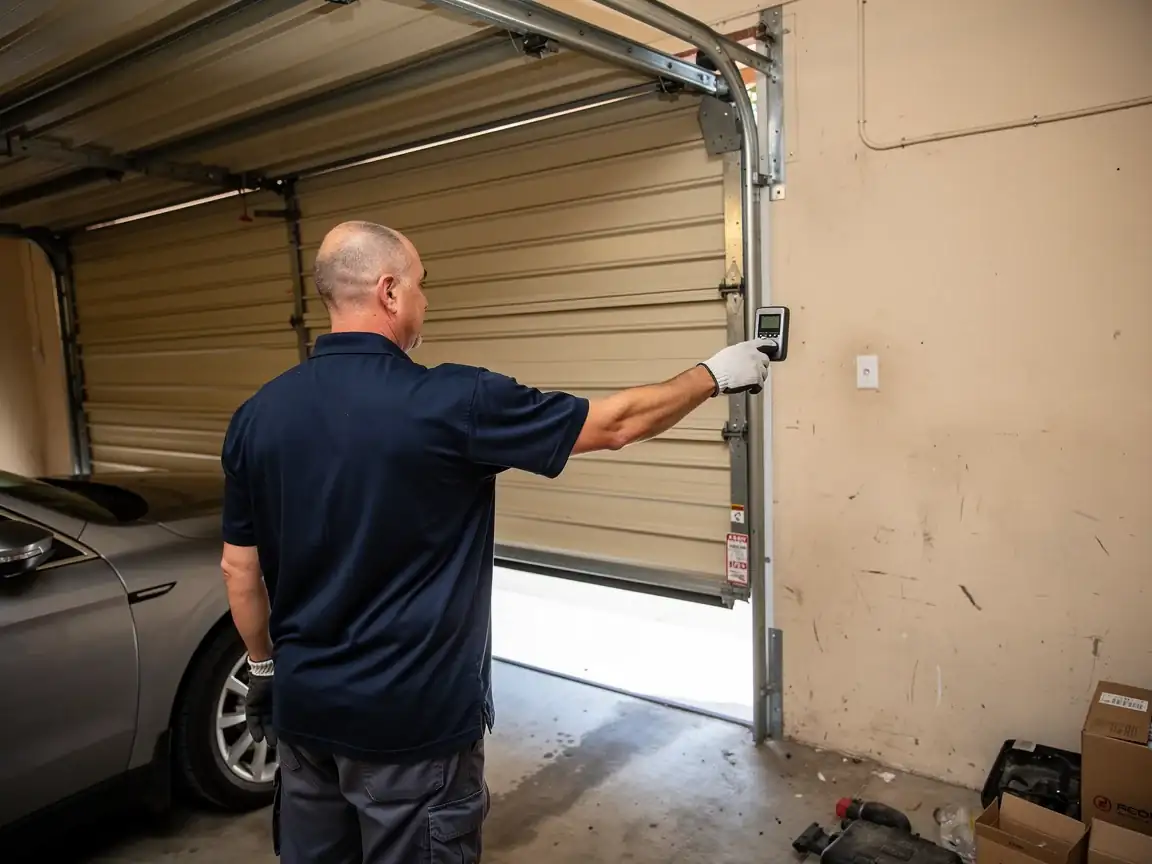
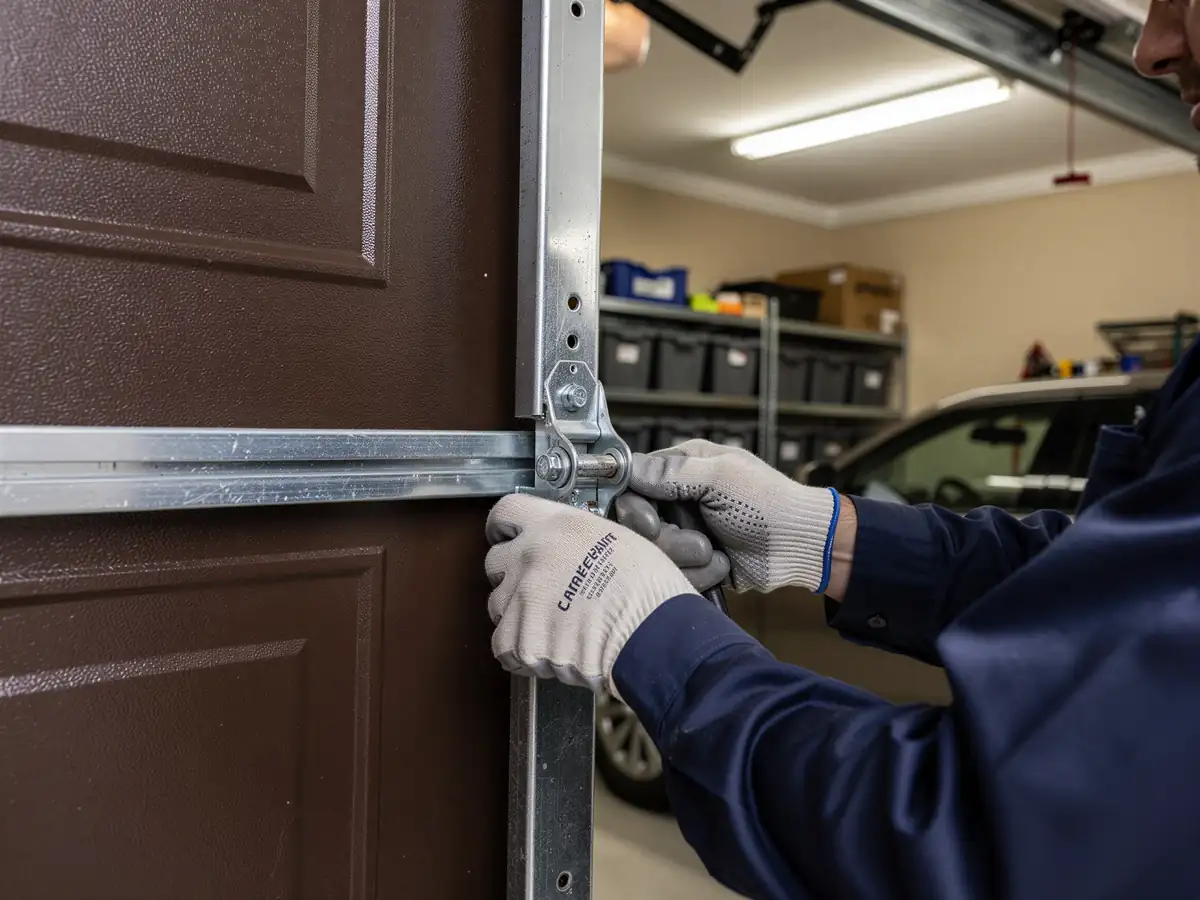
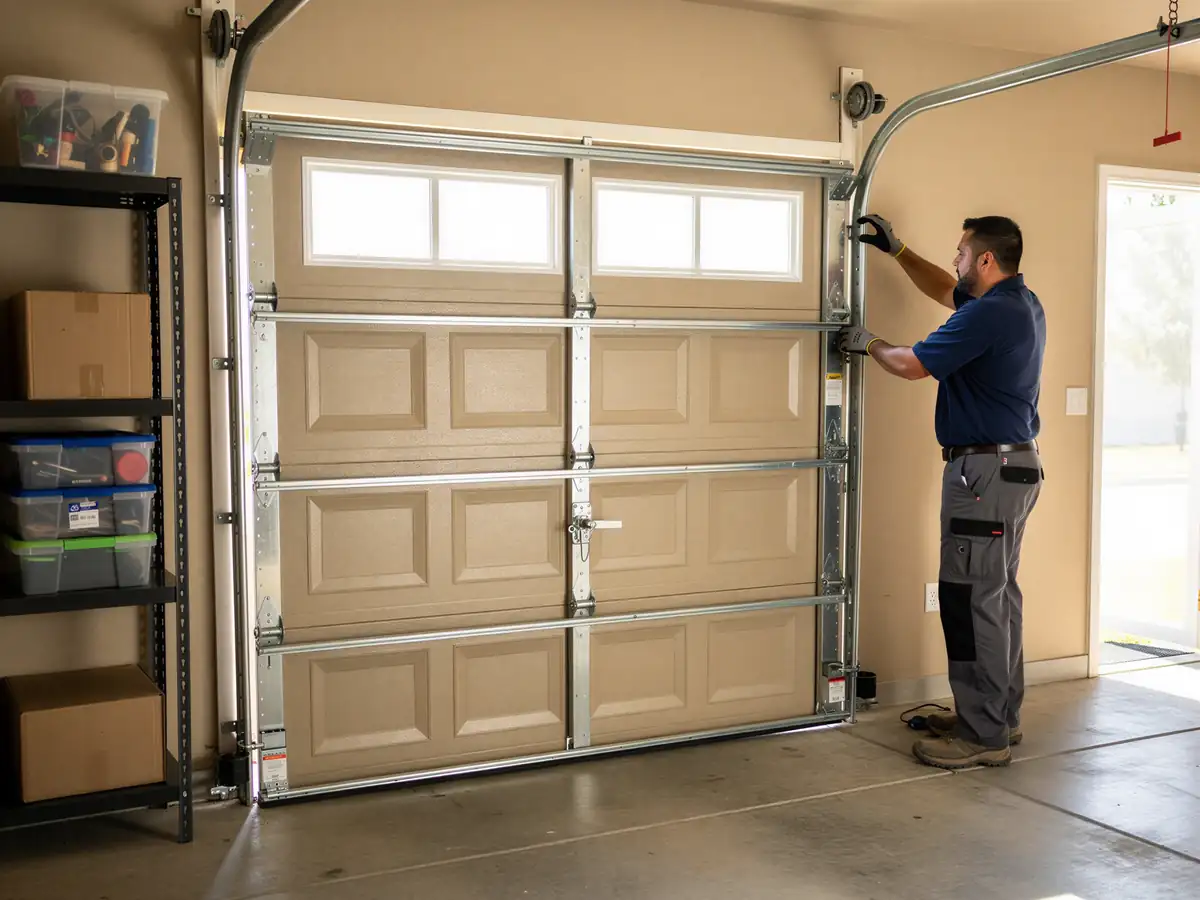
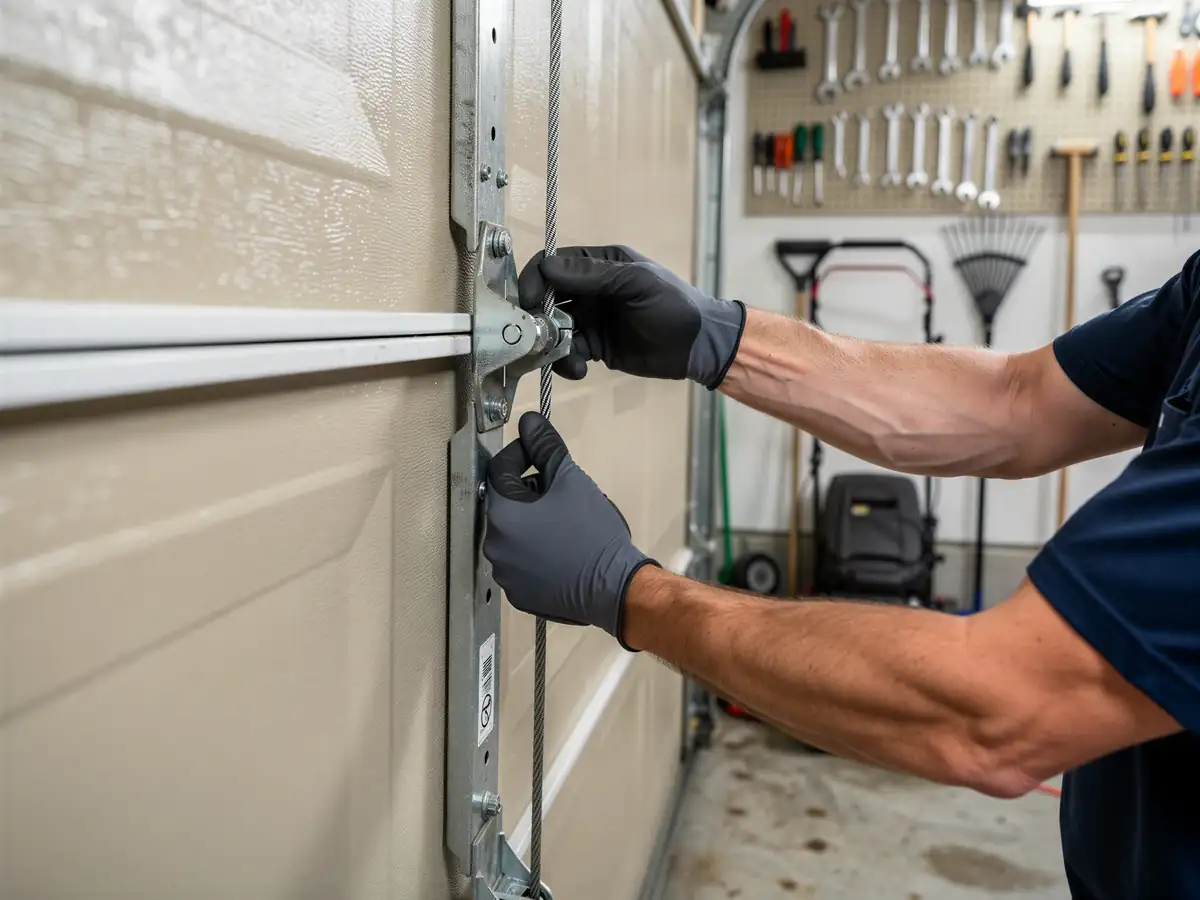
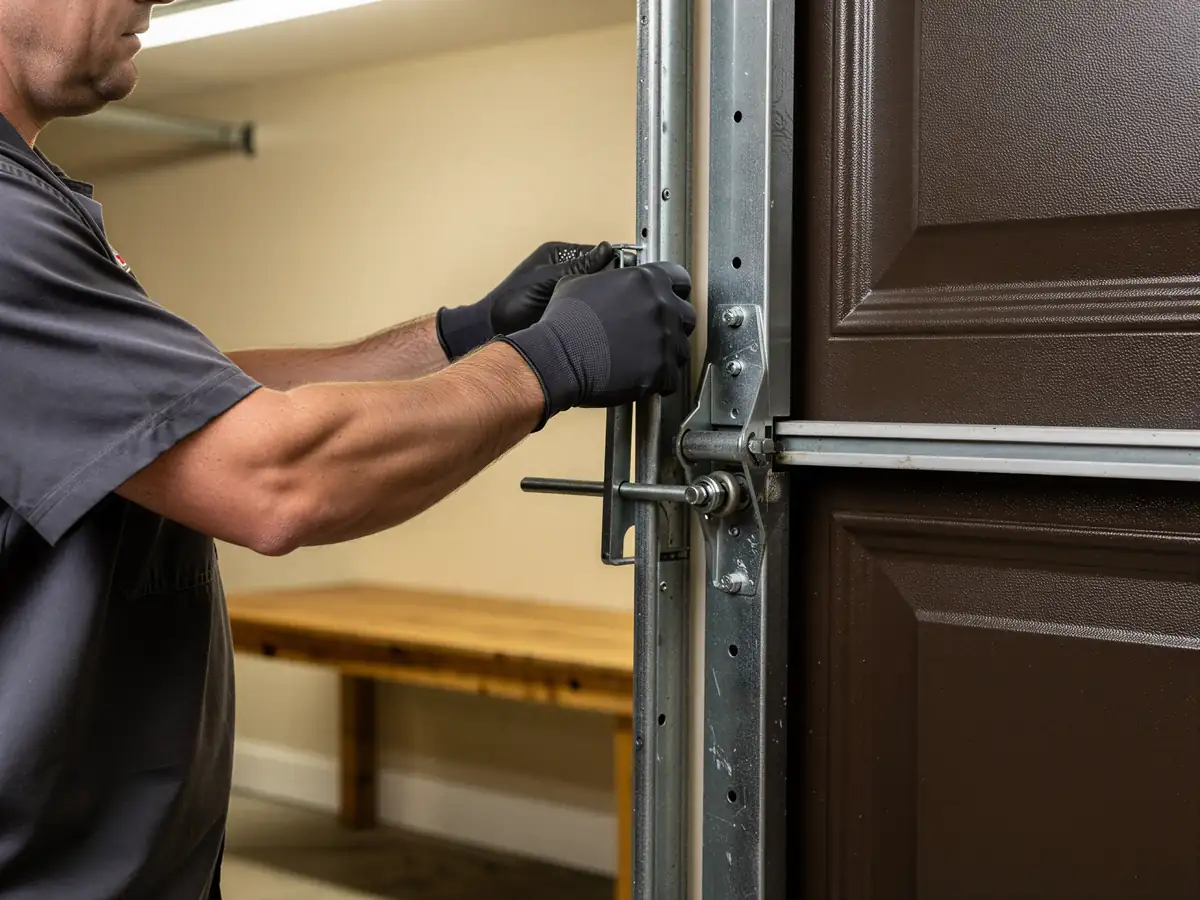
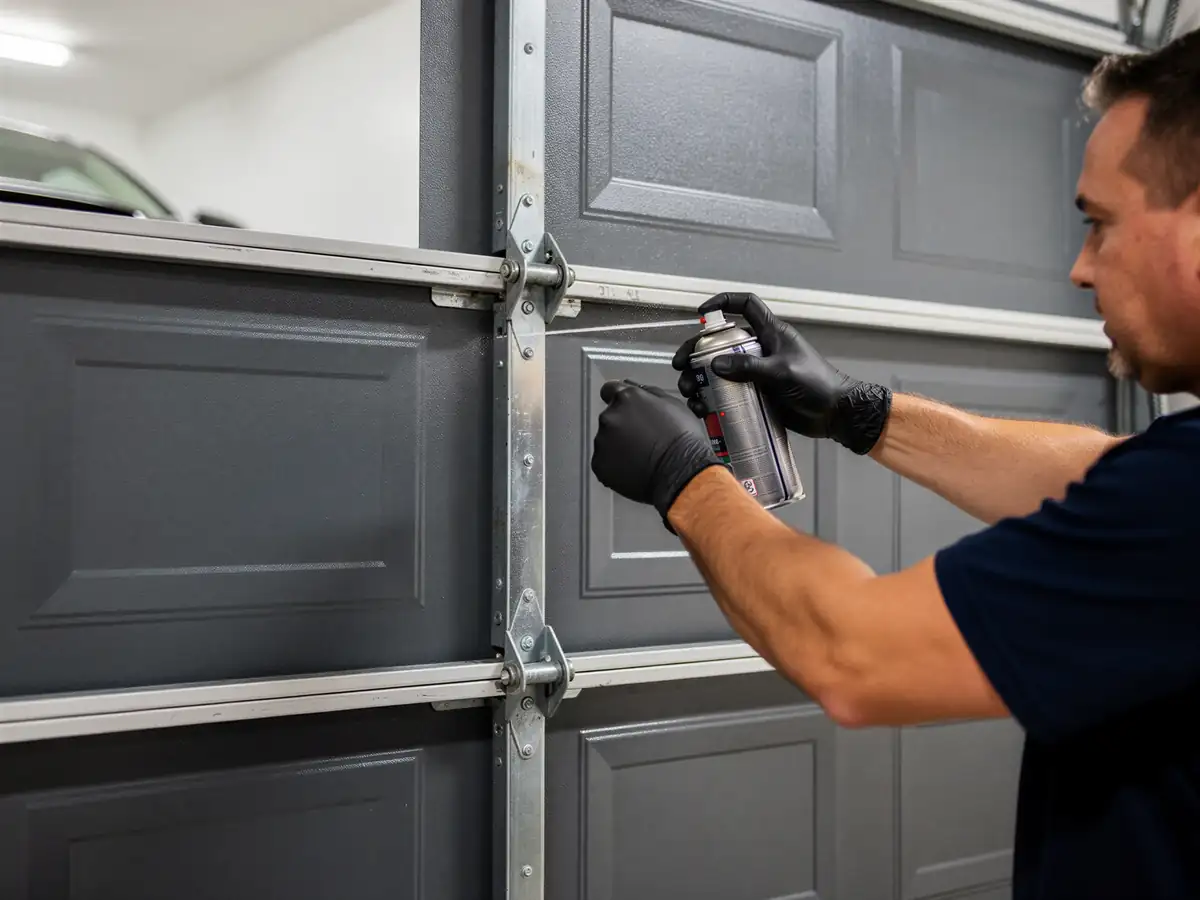
A standard maintenance visit - lubrication, hardware inspection, spring tension check, track alignment, opener safety test - runs on the shorter side for a 2004-era door, since the hardware is modern enough that nothing requires improvising a fix for discontinued parts. If the tech finds a worn part during the inspection, that adds time on site to either swap it from the truck or, if it's something less common, schedule a return trip with the part from Queen Creek.
We don't rush the spring check. That's the one part of the visit that isn't negotiable on time, because a torsion spring under the wrong tension is the main cause of injury claims in this trade. Everything else on the checklist moves faster once that's confirmed safe.