What Causes It Around Here
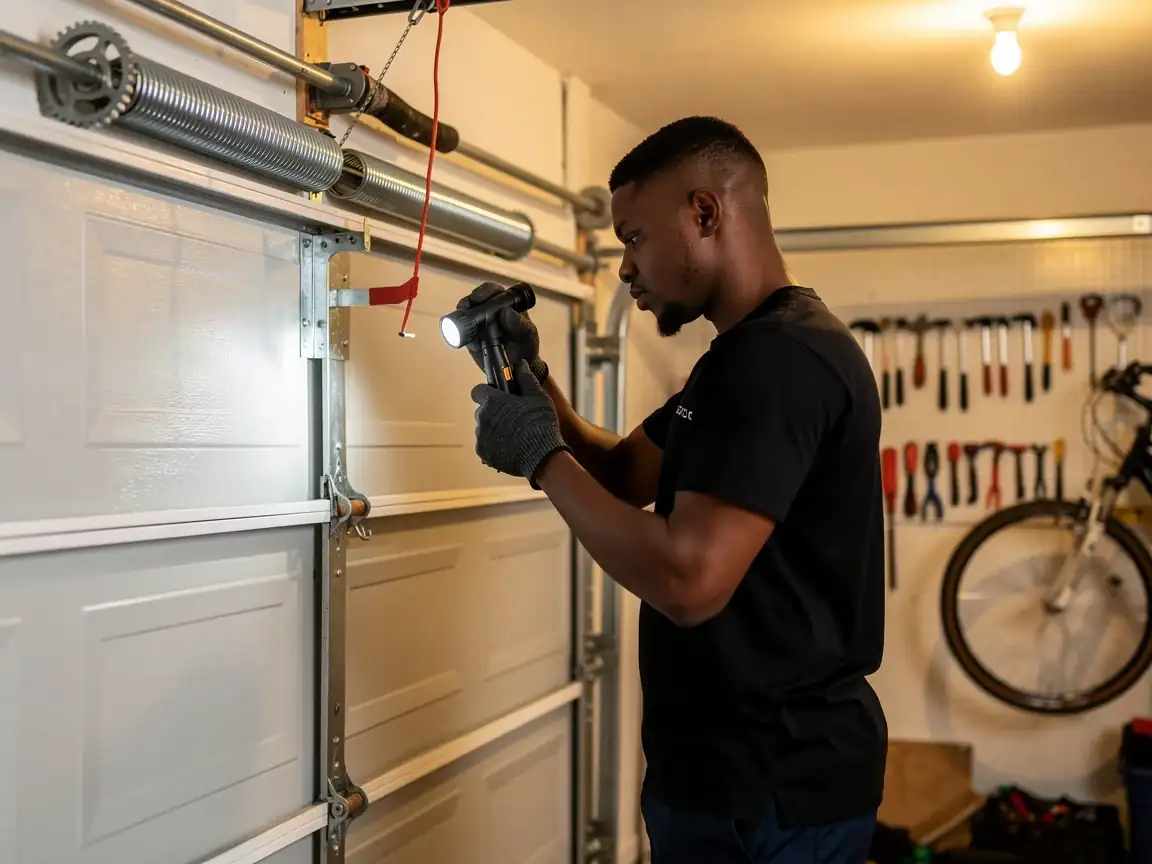
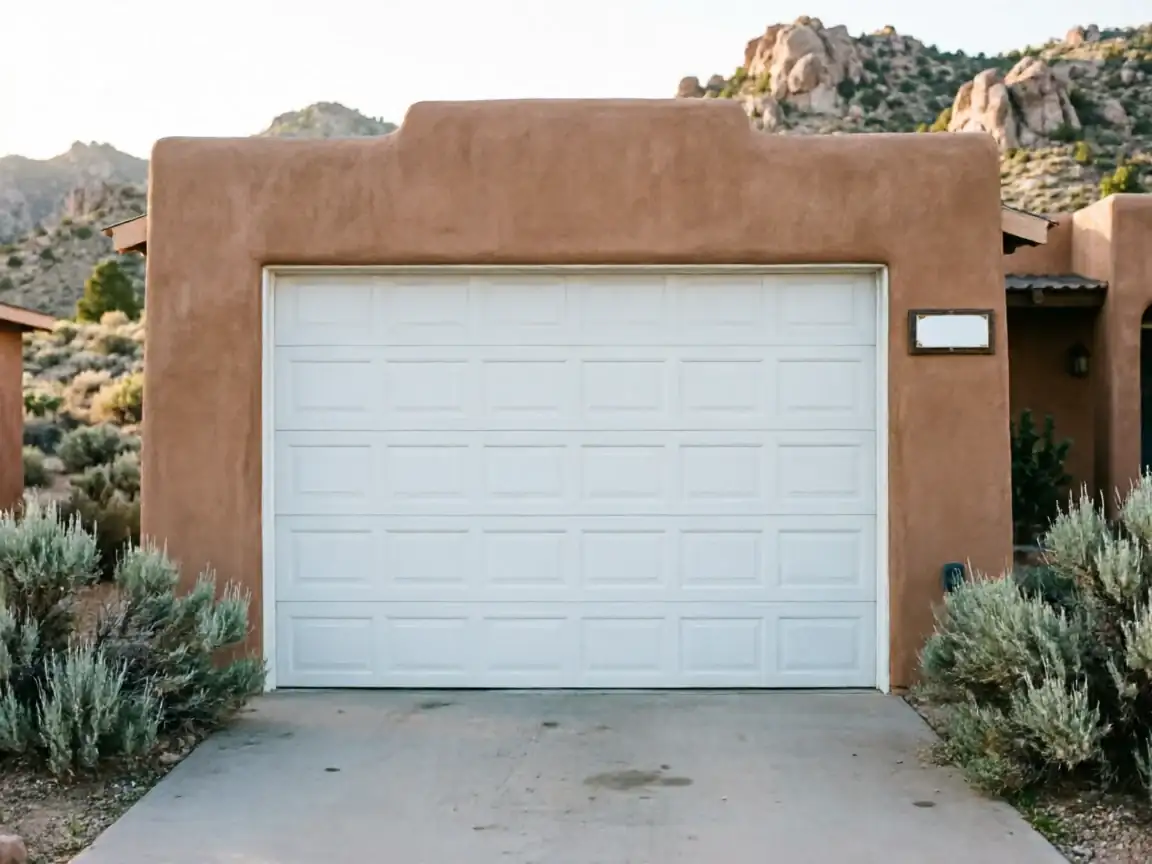
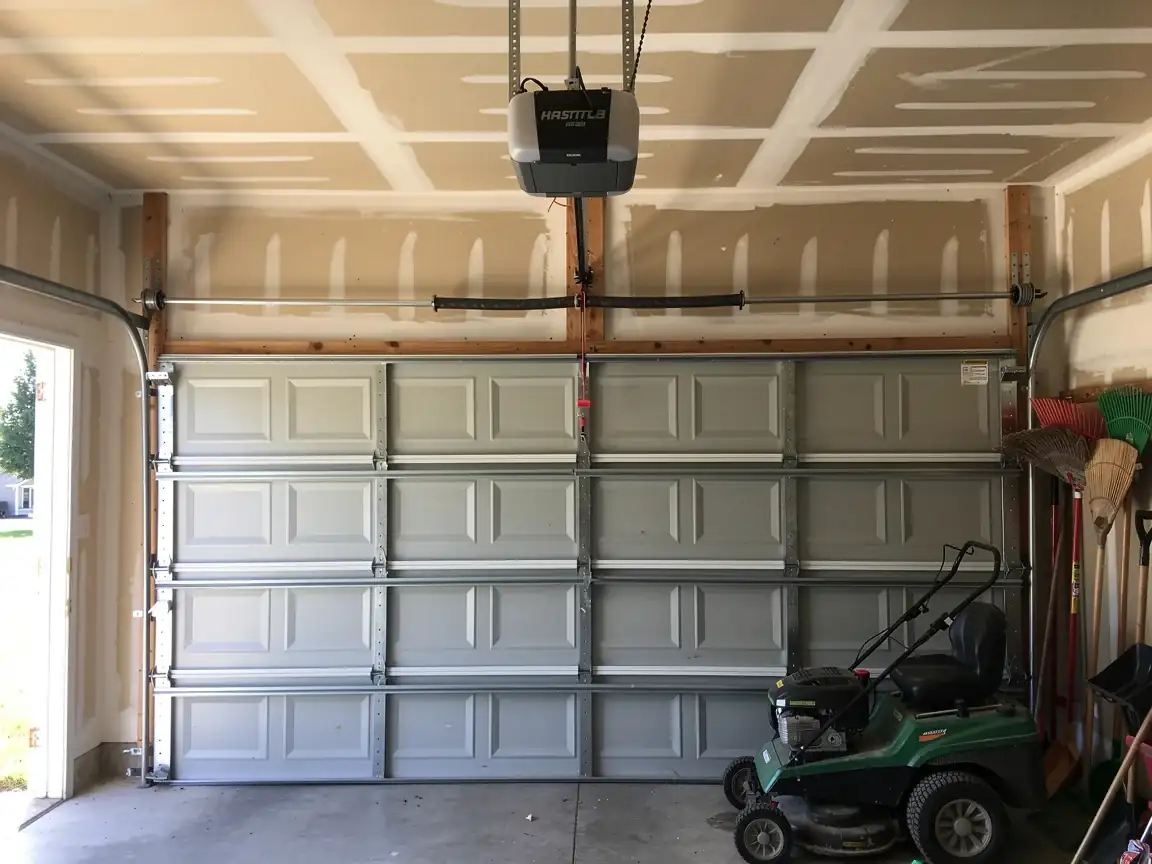
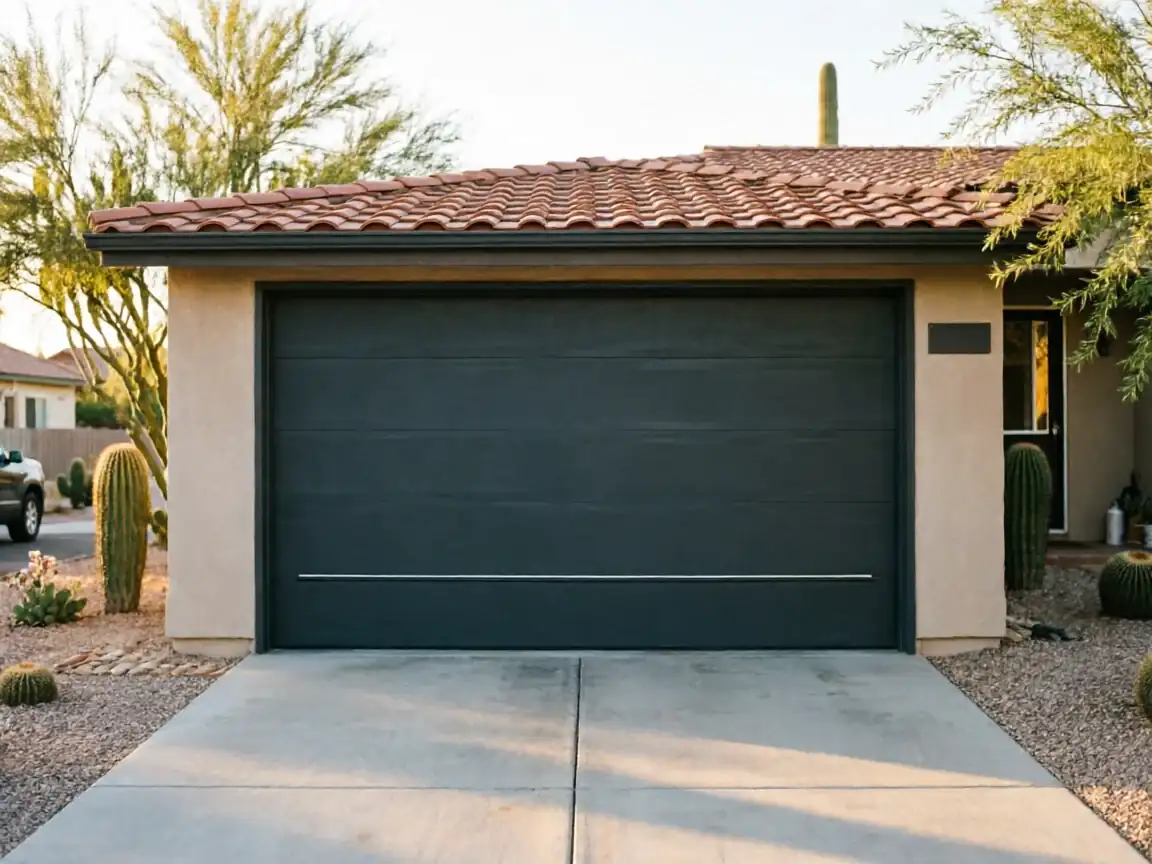
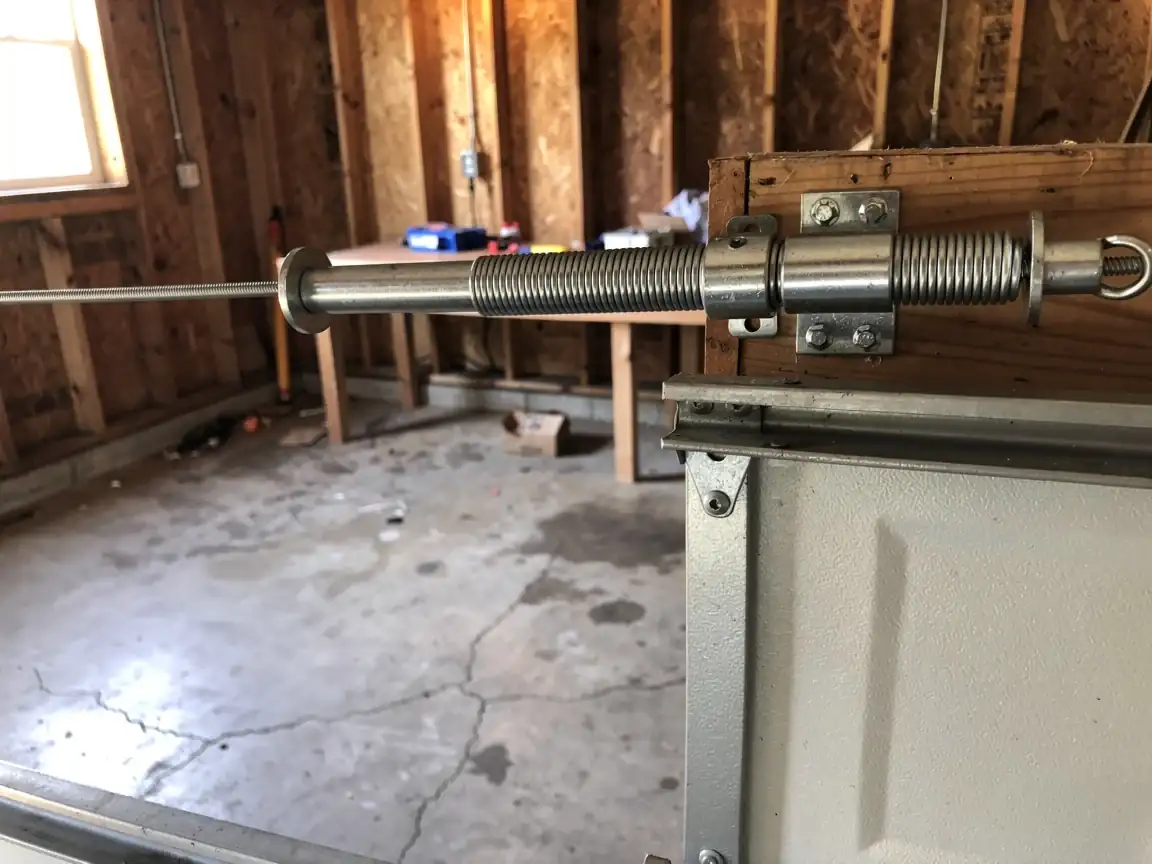
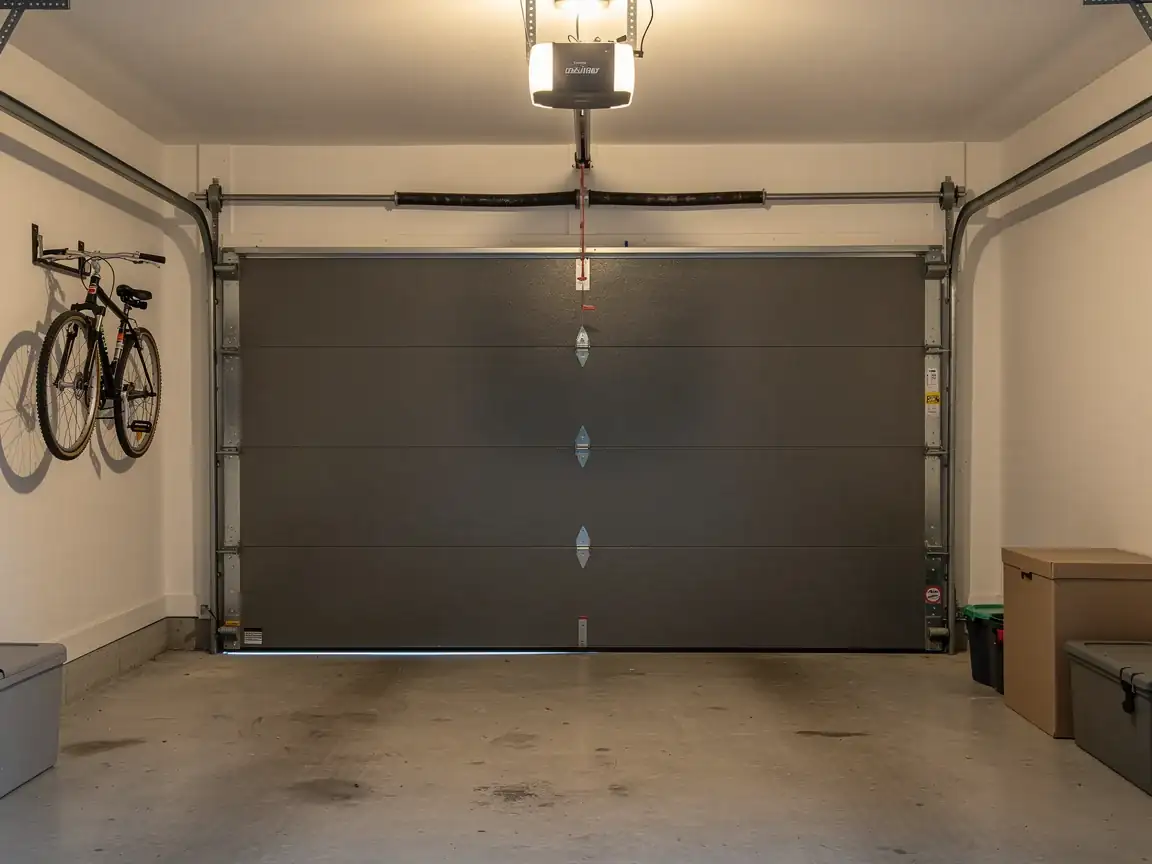
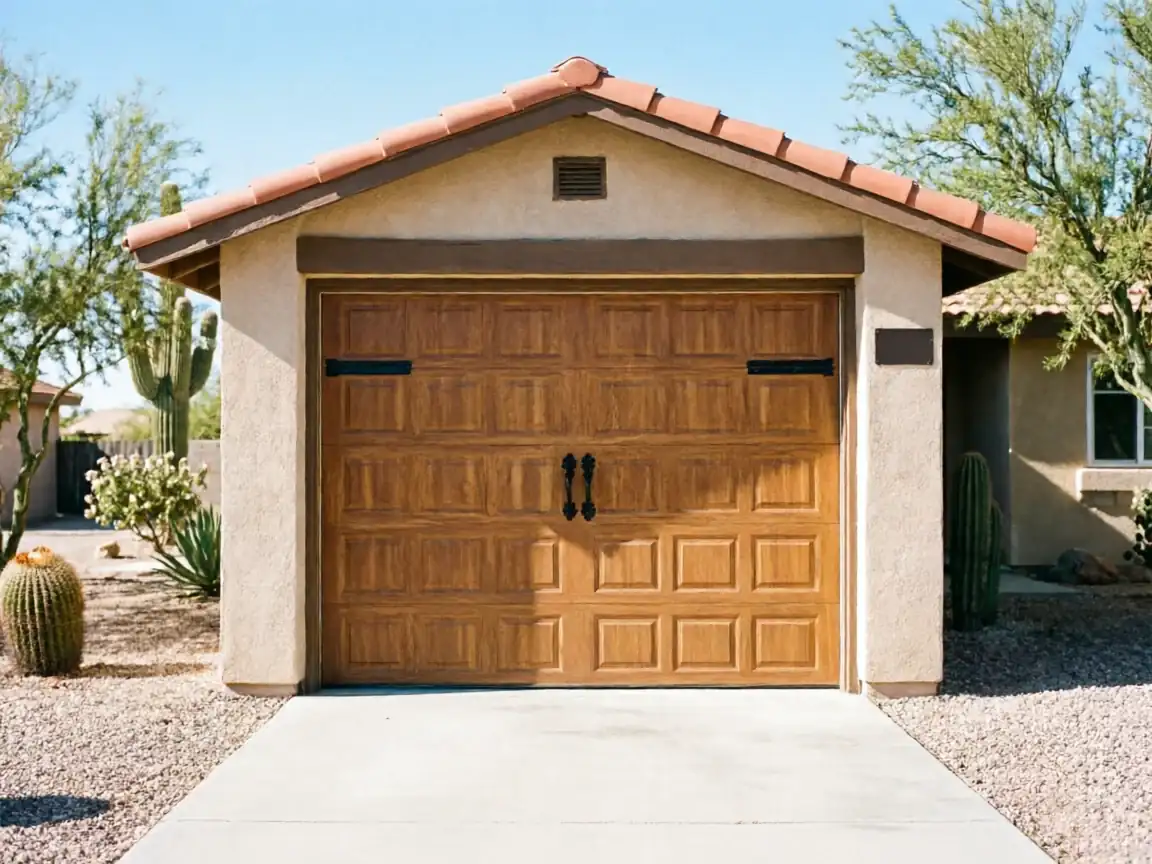
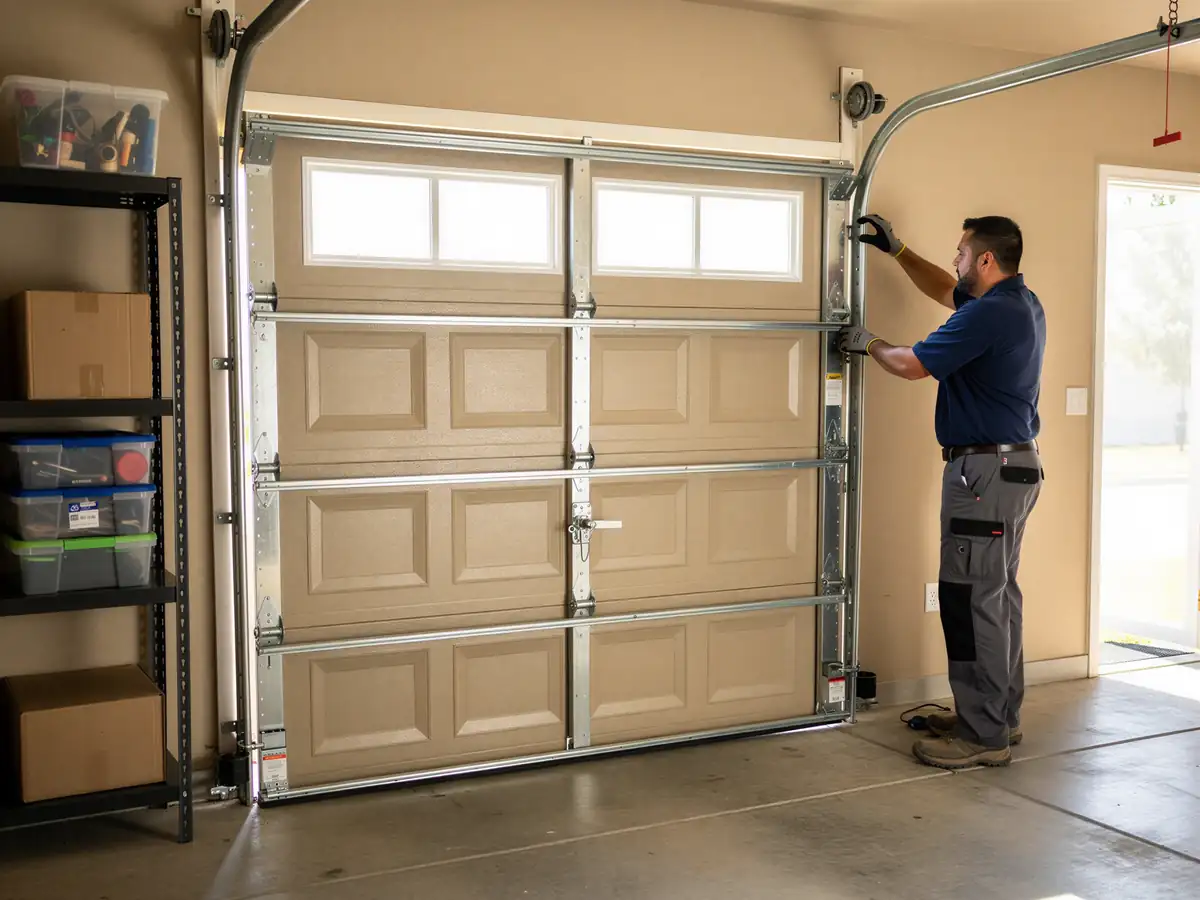
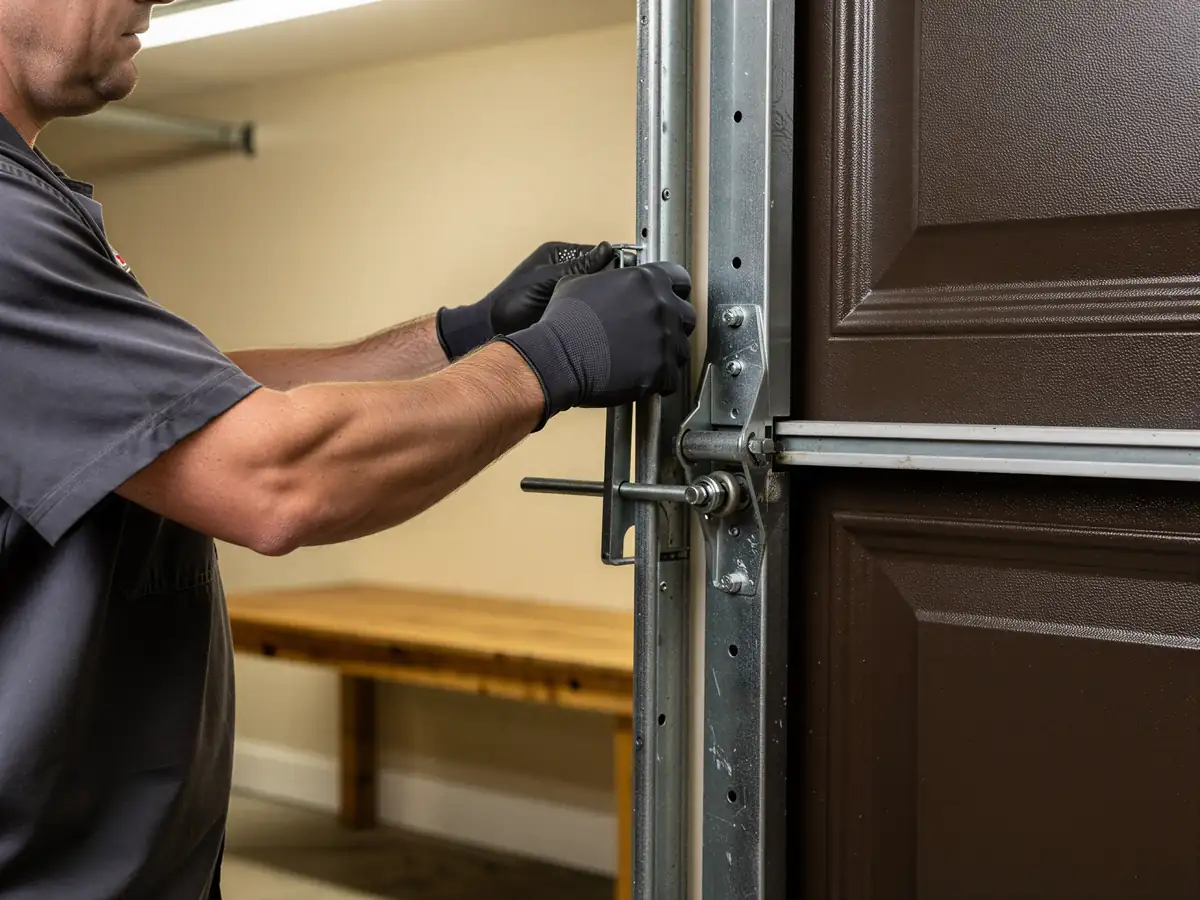
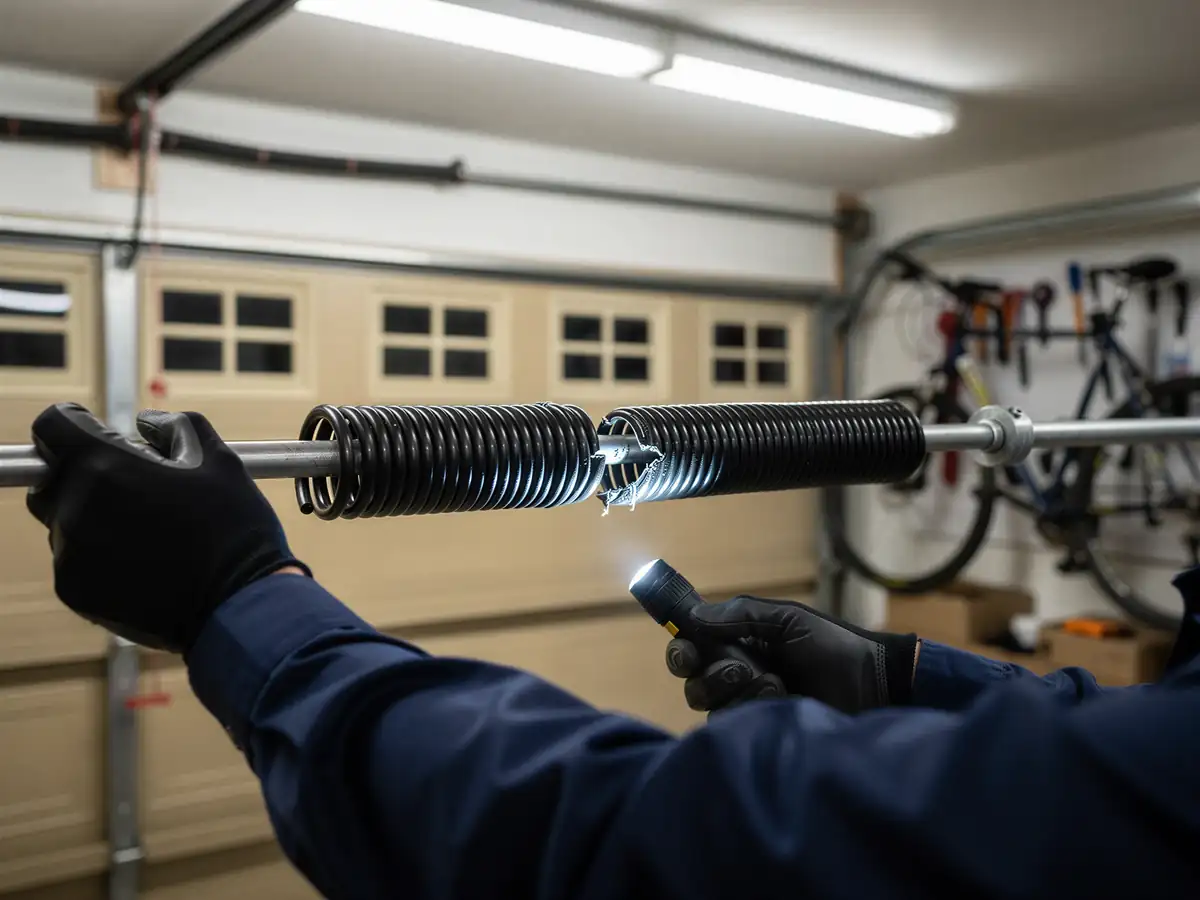
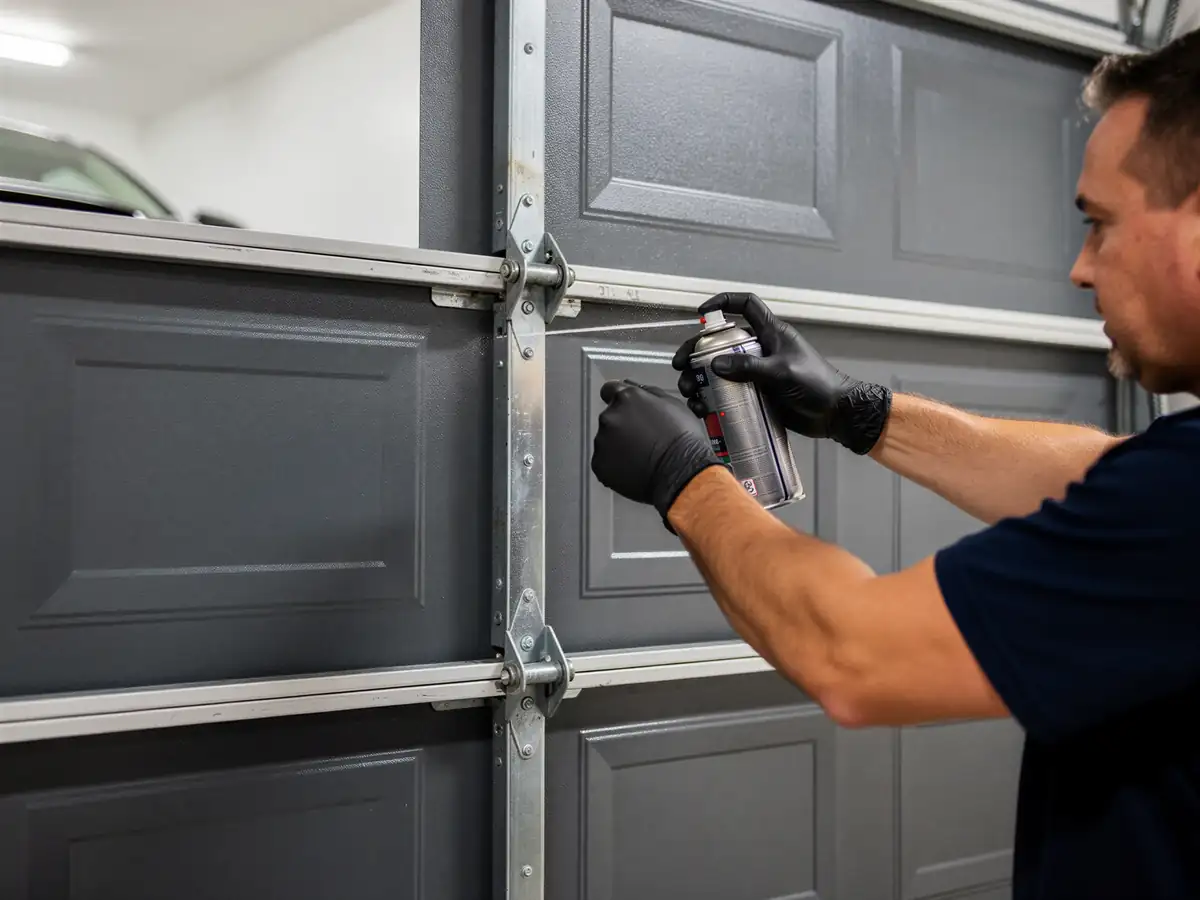
Sun Lakes' housing stock centers on 1990, a good seven years ahead of the median across the rest of this service area. That matters because a door put in around 1990 is a specific object: steel sectional, raised-panel, single layer of steel with no polystyrene core, hung on a torsion spring that was never rated for 30-plus summers of Arizona heat. Builders in that era used galvanized springs sized for the lighter, uninsulated panel - fine in 1990, undersized now that owners have swapped in heavier insulated replacements on the same hardware. The other failure point is the lubricant. Factory grease on rollers and hinges from that period was never meant to last three decades, and under the kind of sustained heat this area sits in, it dries to a varnish that grinds rather than glides. None of this is about one bad part. It's a whole system built to a 1990 spec being asked to run in conditions it was never serviced against. Twenty minutes with a grease gun and a torque check on the spring do more here than almost anywhere else in the service area, simply because the hardware is older and the heat load is higher.
Can You Do This Yourself
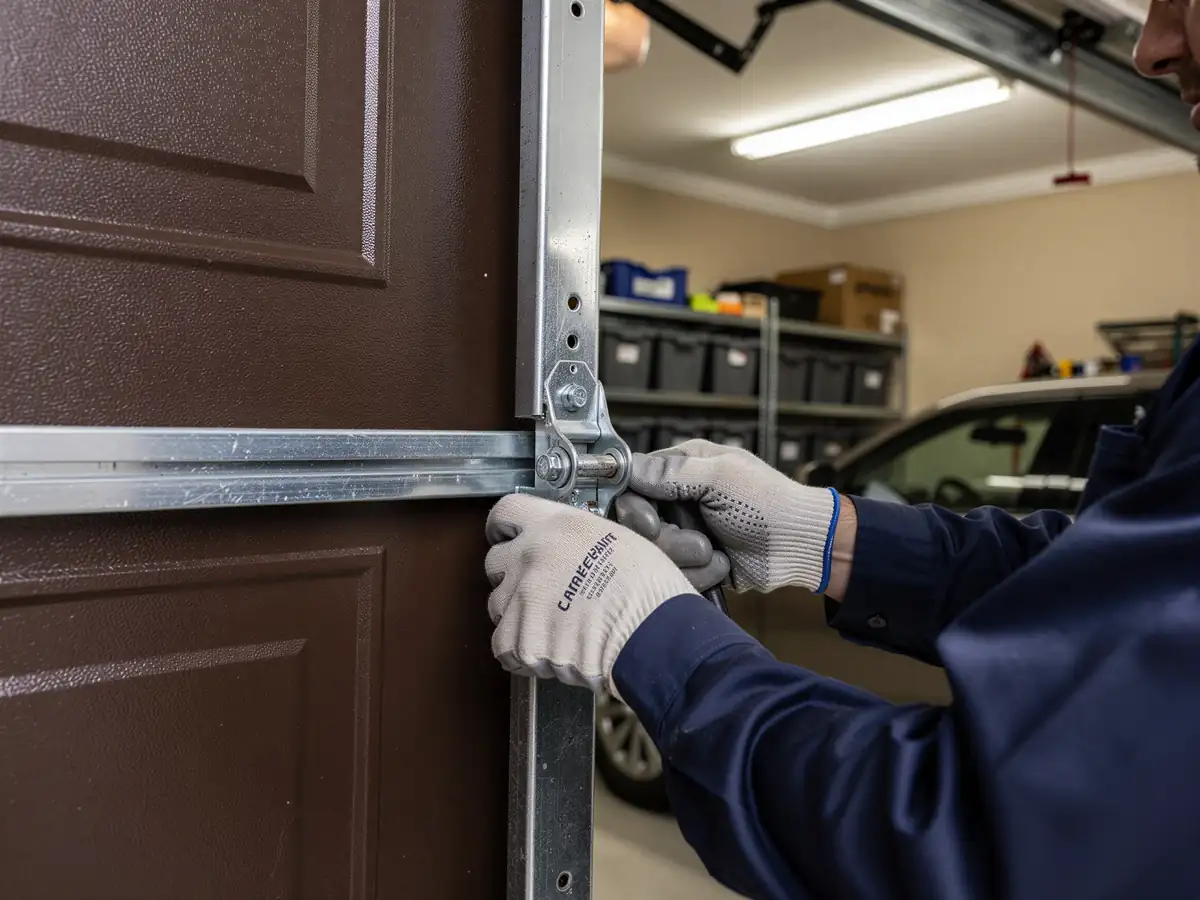
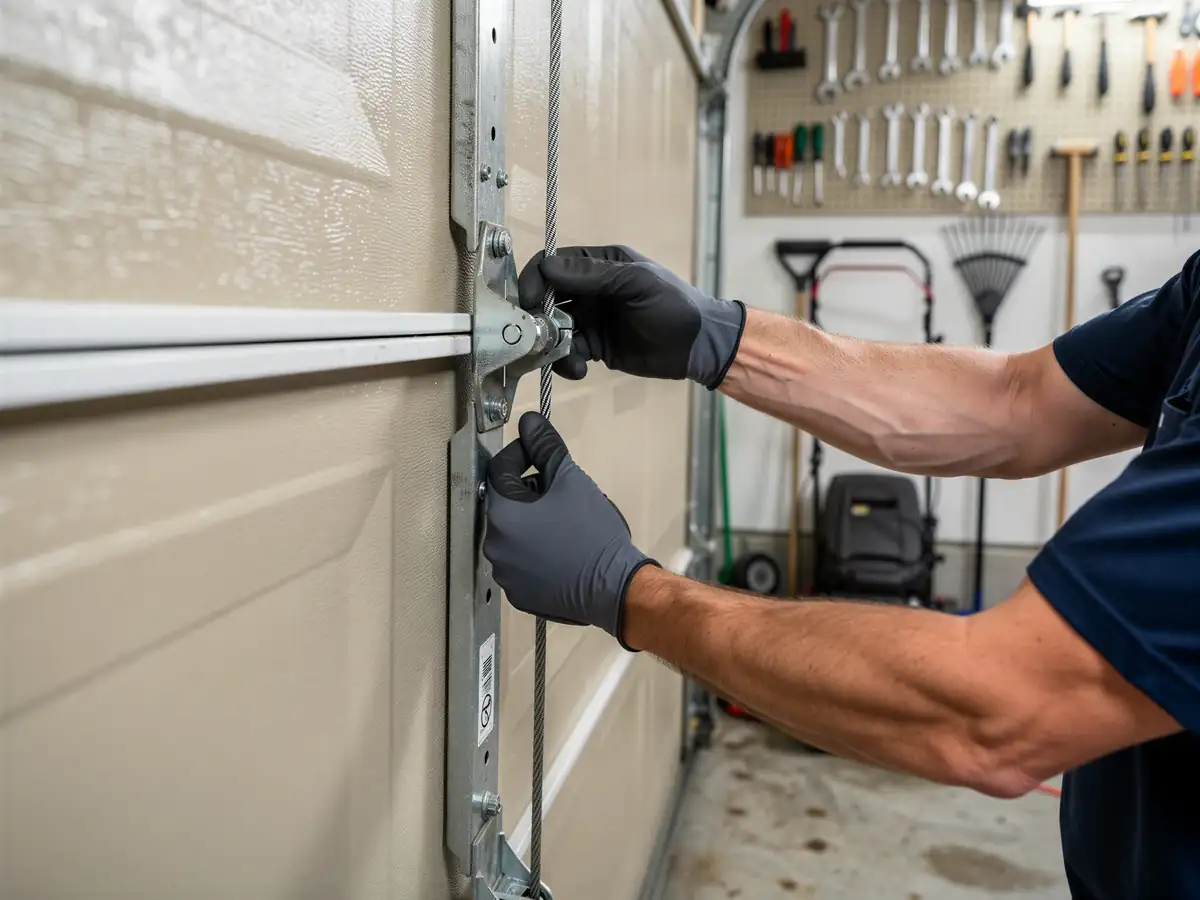
Lubricating rollers, hinges, and the track with a proper garage door lubricant - not WD-40, which washes grease out rather than replacing it - is a reasonable homeowner job on a door this age. So is tightening the visible hardware bolts, which work loose faster under heat cycling than people expect. What isn't a DIY job is the torsion spring itself. A spring sized for a 1990 steel door under tension is storing enough force to break bones if it lets go while you're working near it, and on hardware this old, nobody can tell you from the outside how much life is left in the coil. If you can reach the track and the hinges safely from a stepladder, do that part yourself. Leave the spring, the cable drums, and anything that requires loosening the torsion bar to someone who does it for a living.
The Complications
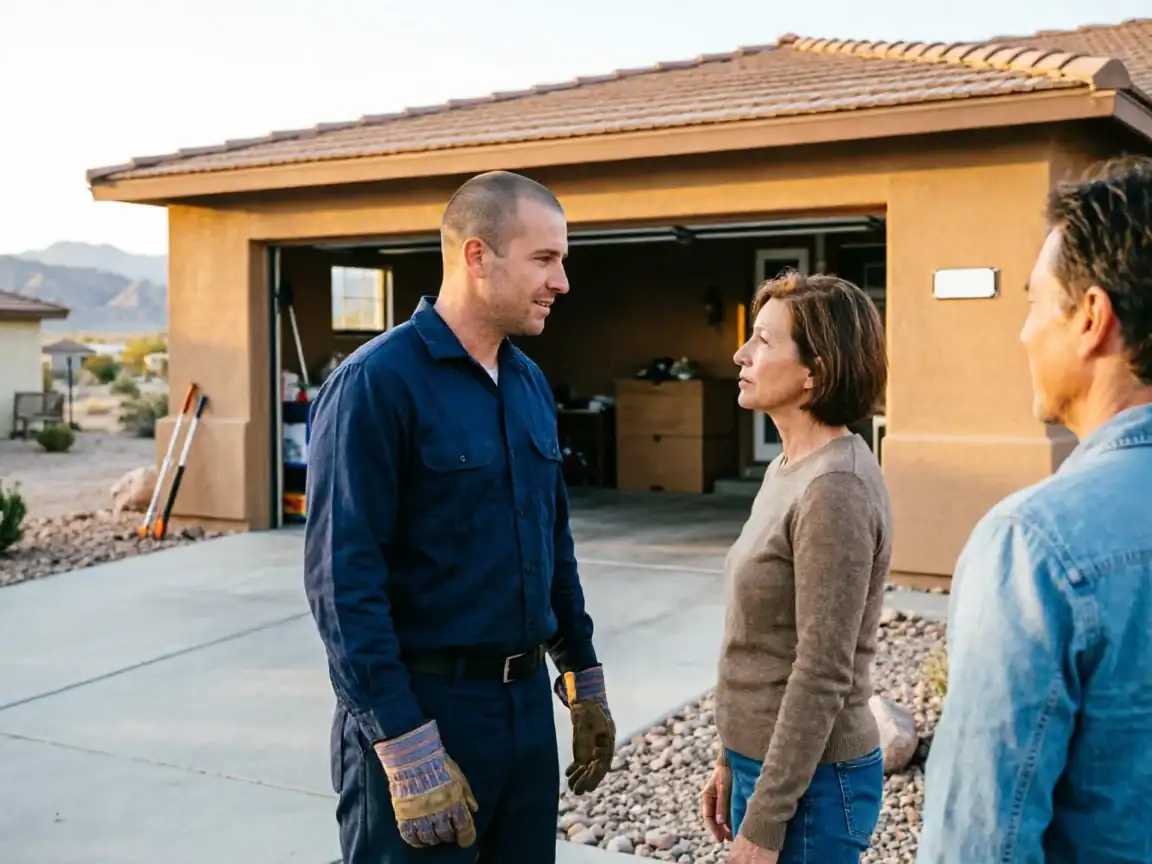
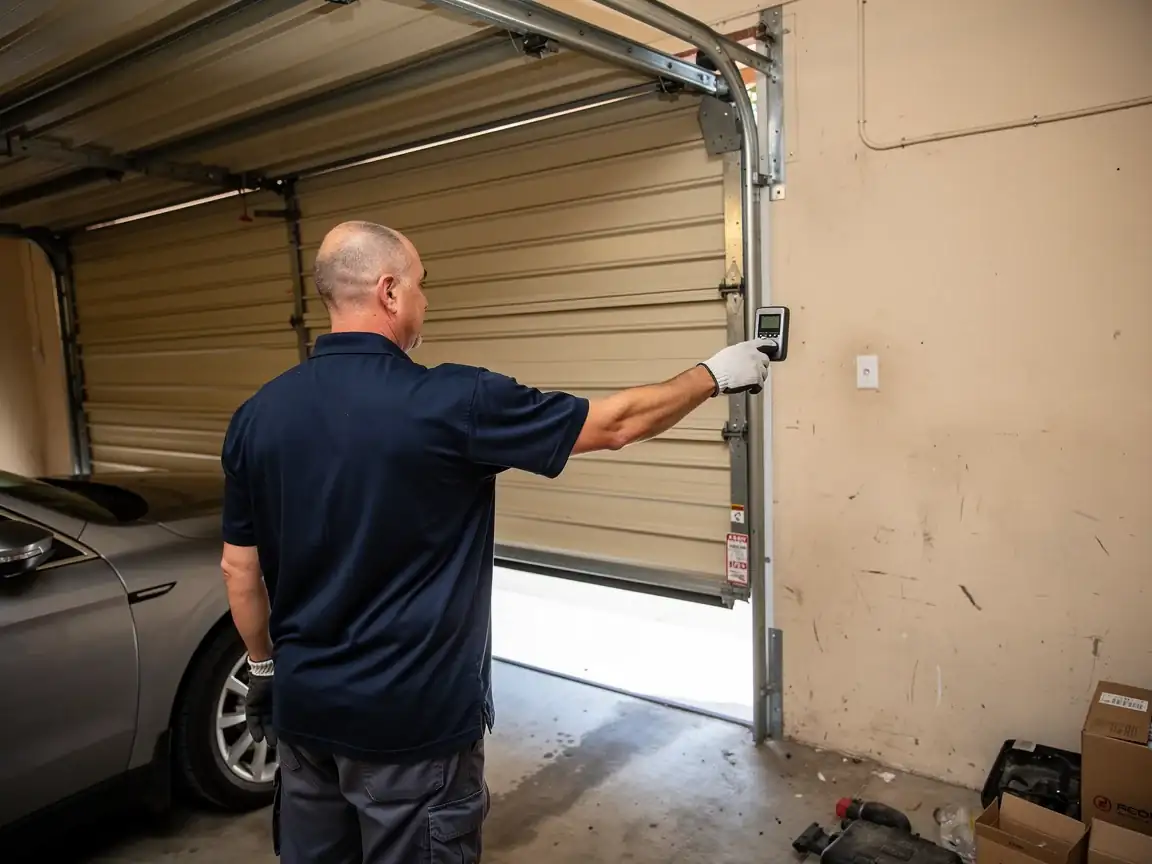
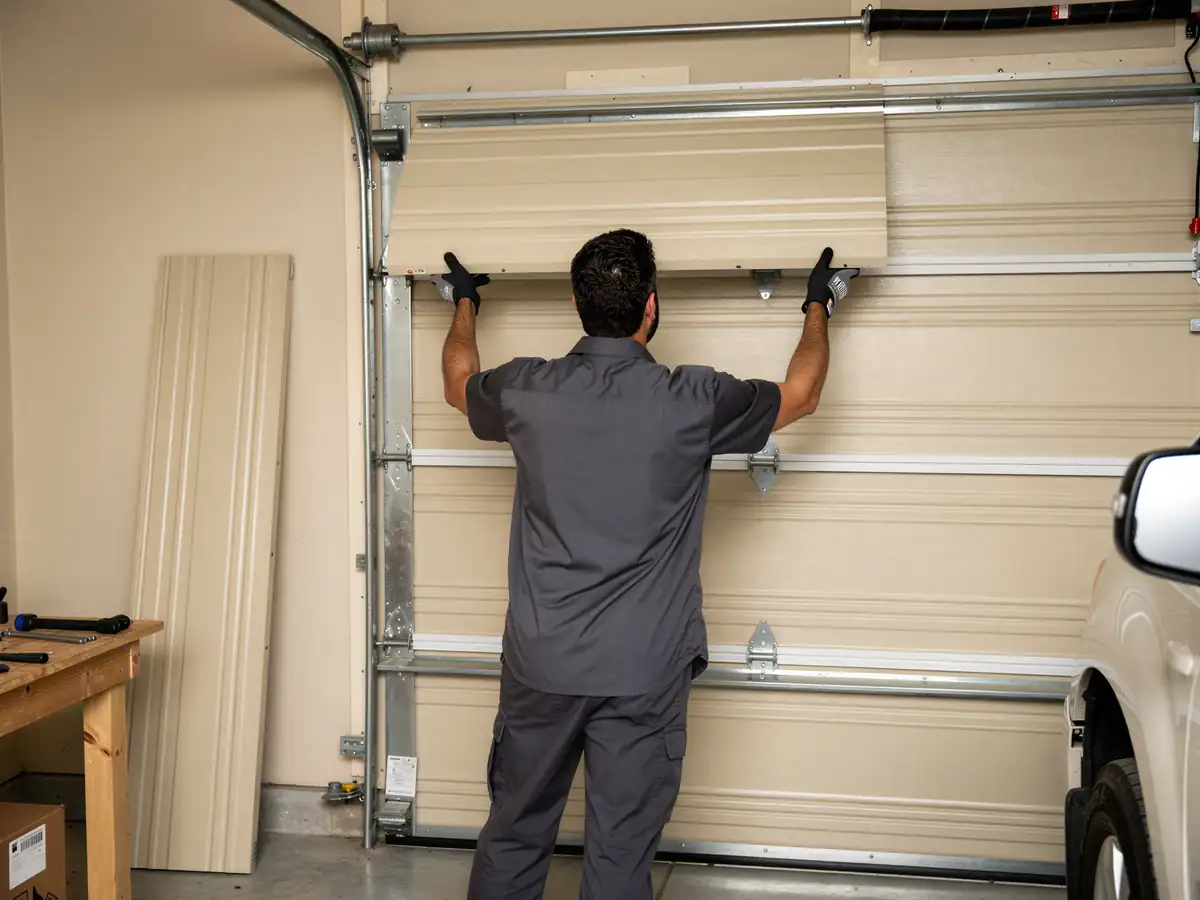
The honest limitation first: we come out from Queen Creek, about 15 miles away, so same-day maintenance visits aren't something we promise here the way we might closer to home - plan a visit rather than expecting a walk-up fix. The other complication is parts. A door built around 1990 sometimes takes a spring wind or a roller size that newer stock doors don't use, and if your hardware hasn't been touched since it was installed, we may need to confirm measurements on site before ordering rather than carrying it on the truck. Income is a real factor in the repair-versus-replace math here too - median household income in Sun Lakes runs lower than the rest of the service area we cover, which changes the calculus on whether to keep servicing 30-year-old hardware or put that money toward a new door instead. Neither choice is wrong; it depends on what shape the panel itself is in underneath the moving parts.