What Causes It Around Here
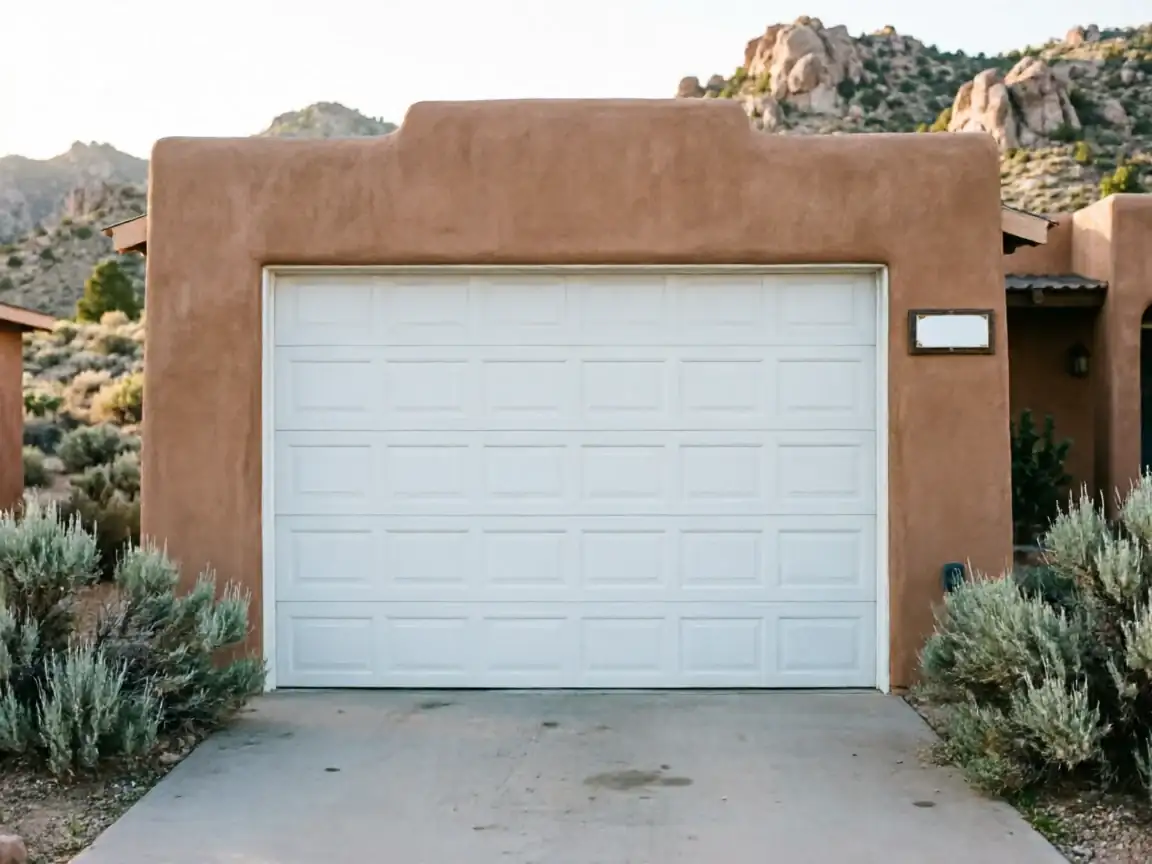
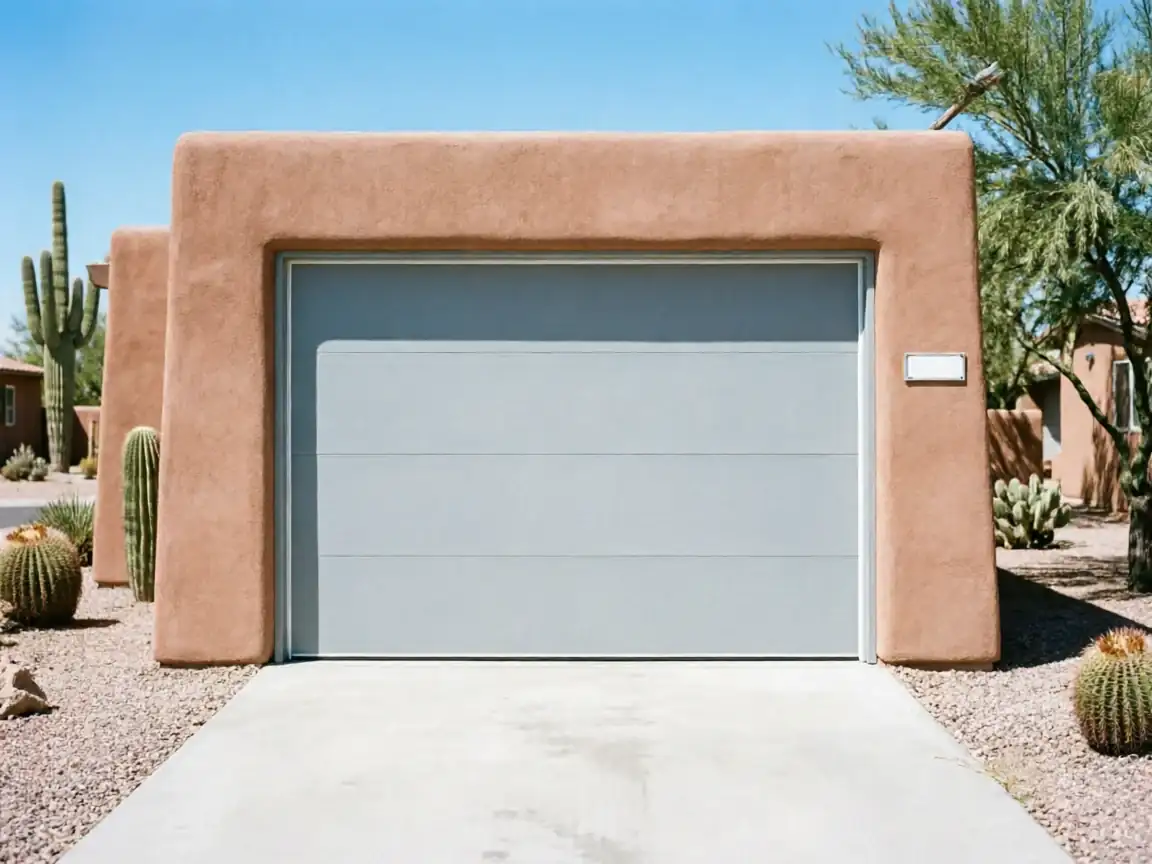
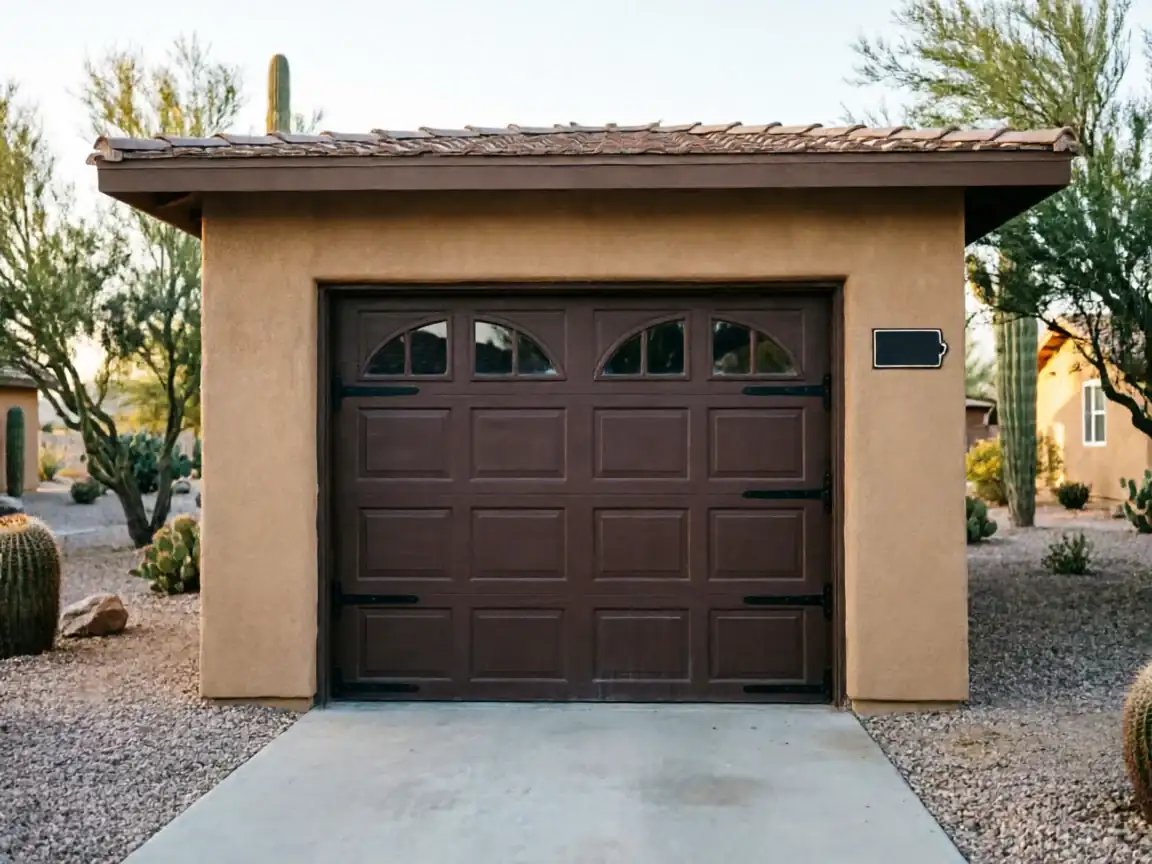
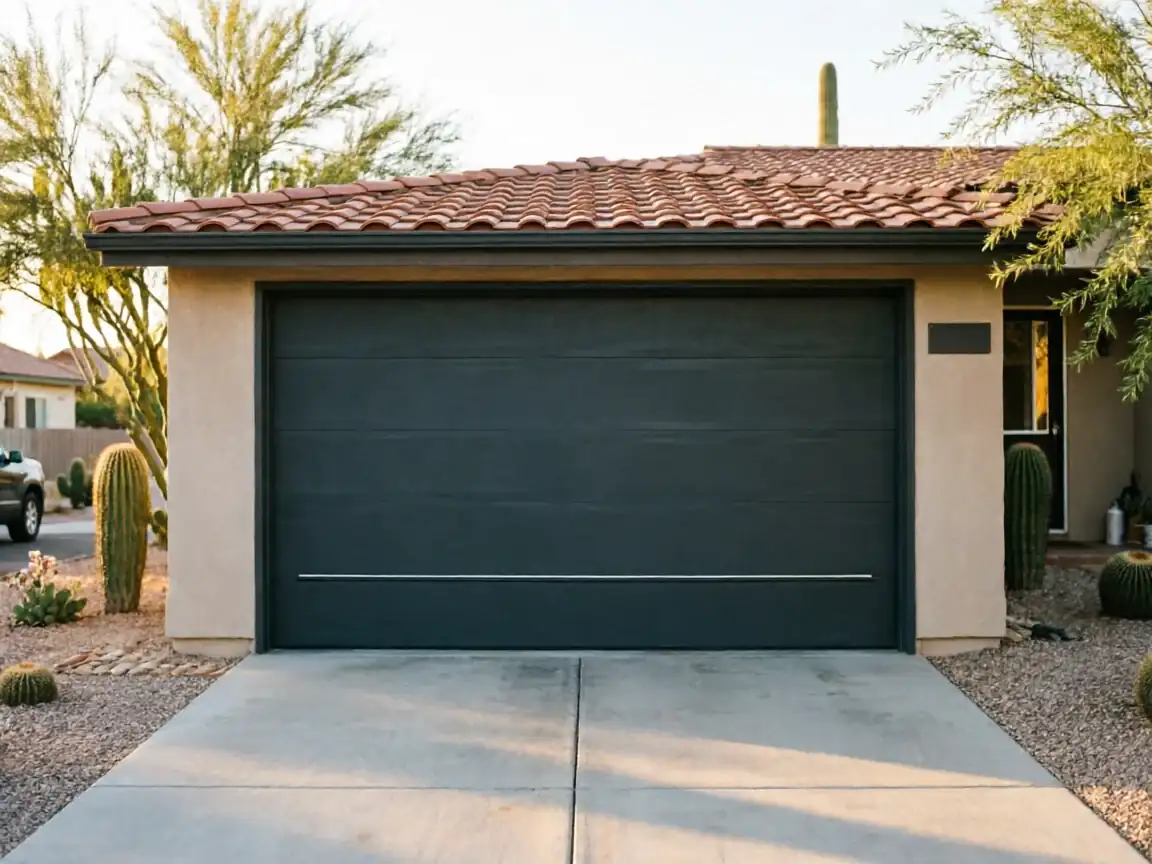
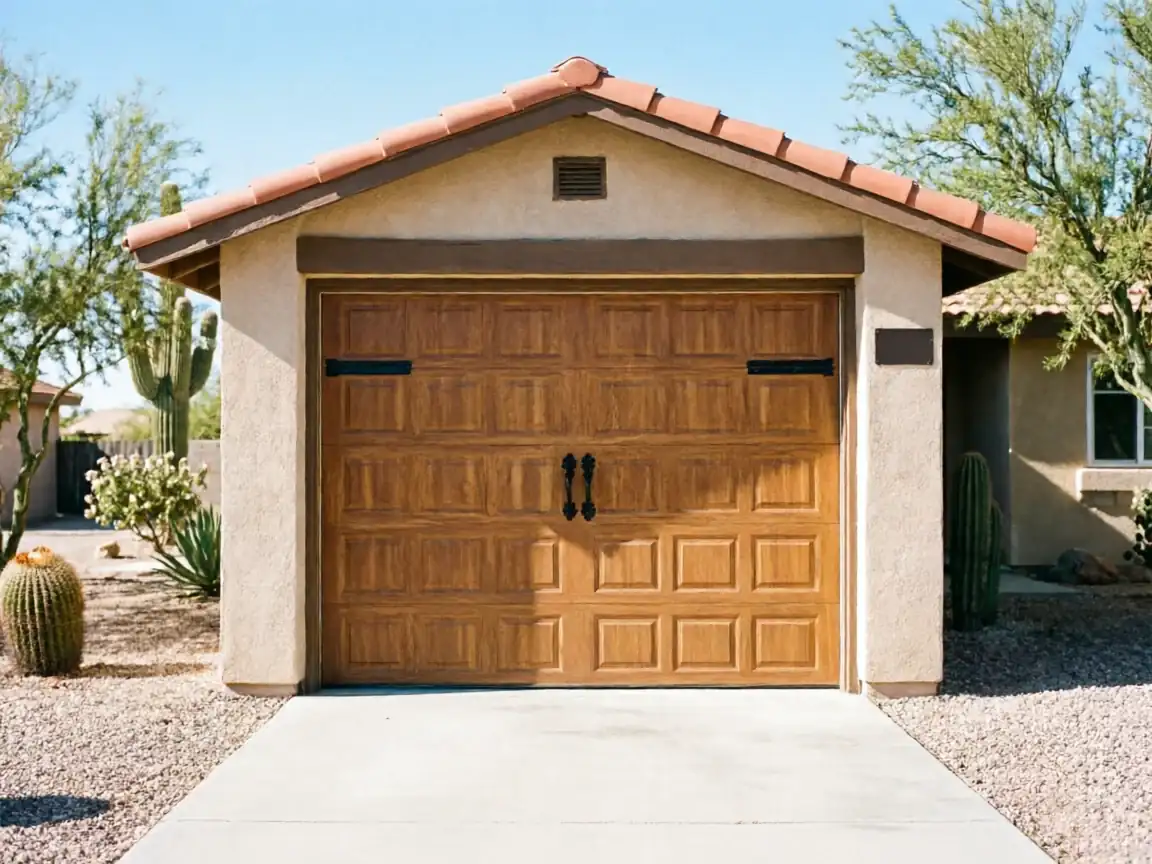
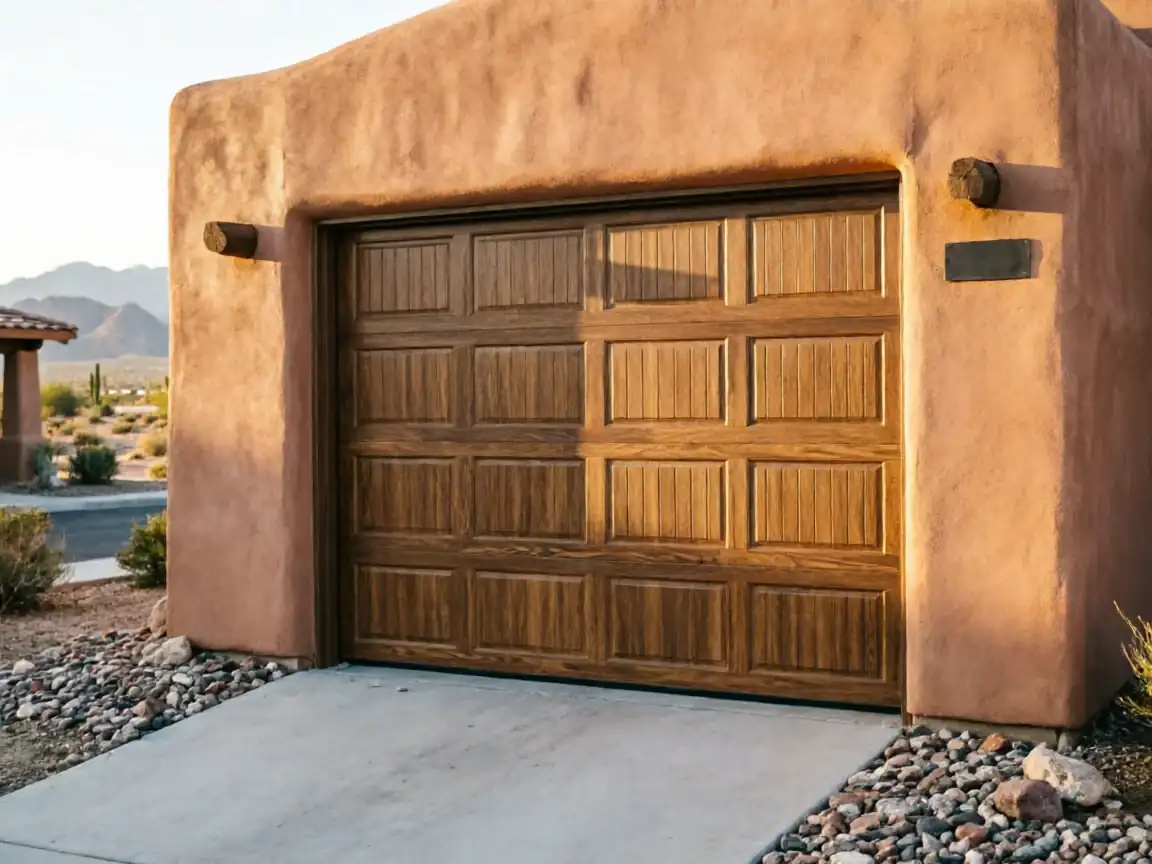
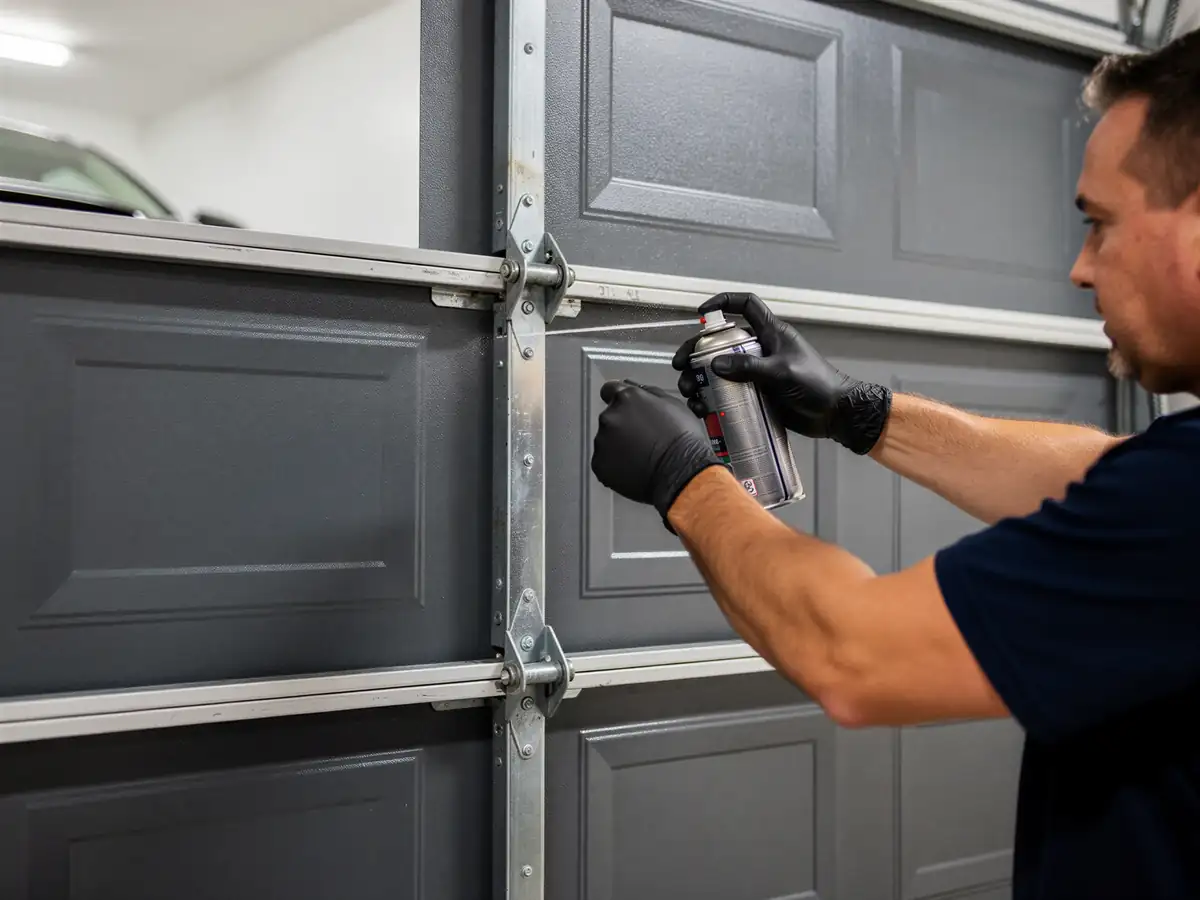
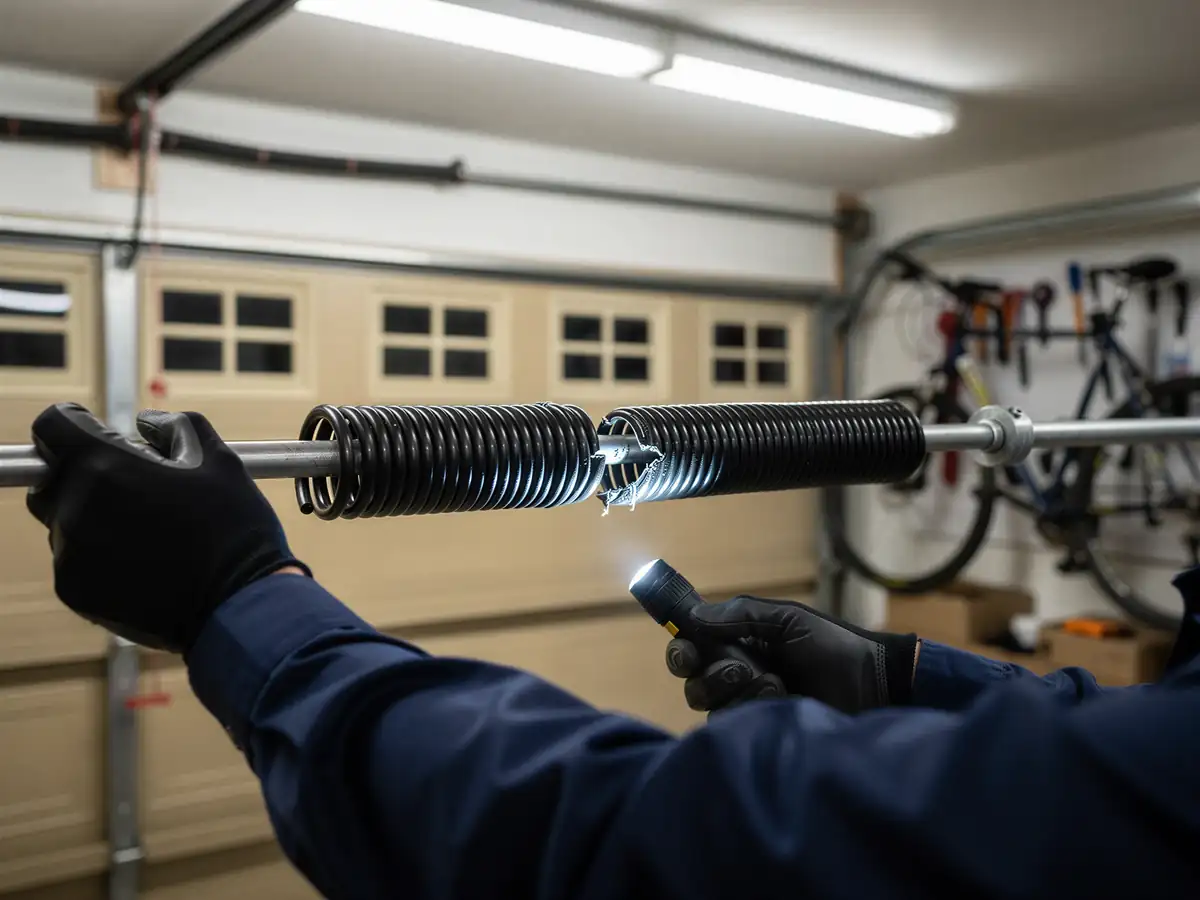
Sun Lakes homes date to about 1990, which puts this pocket a few years ahead of the 1997 median for the wider Queen Creek service area. That matters because the doors and openers that went in here were first-generation for the neighborhood - steel sections and openers built to a spec that's now thirty-plus years old. Weatherstripping dries out, panels oxidize at the bottom where irrigation and dust collect, and the original springs have long since outlived their cycle count. None of that is a defect specific to this subdivision; it's just what happens to a door that's been doing its job since 1990. With 8,650 households in this area, a lot of garages are carrying the same original door, which is why replacement calls here tend to cluster around the same decade of hardware rather than being spread evenly across every age of house. The fix isn't a patch job at that point - it's swapping the whole unit for something built to current wind and insulation standards, sized to the same rough opening these older houses were framed with.
Can You Do This Yourself
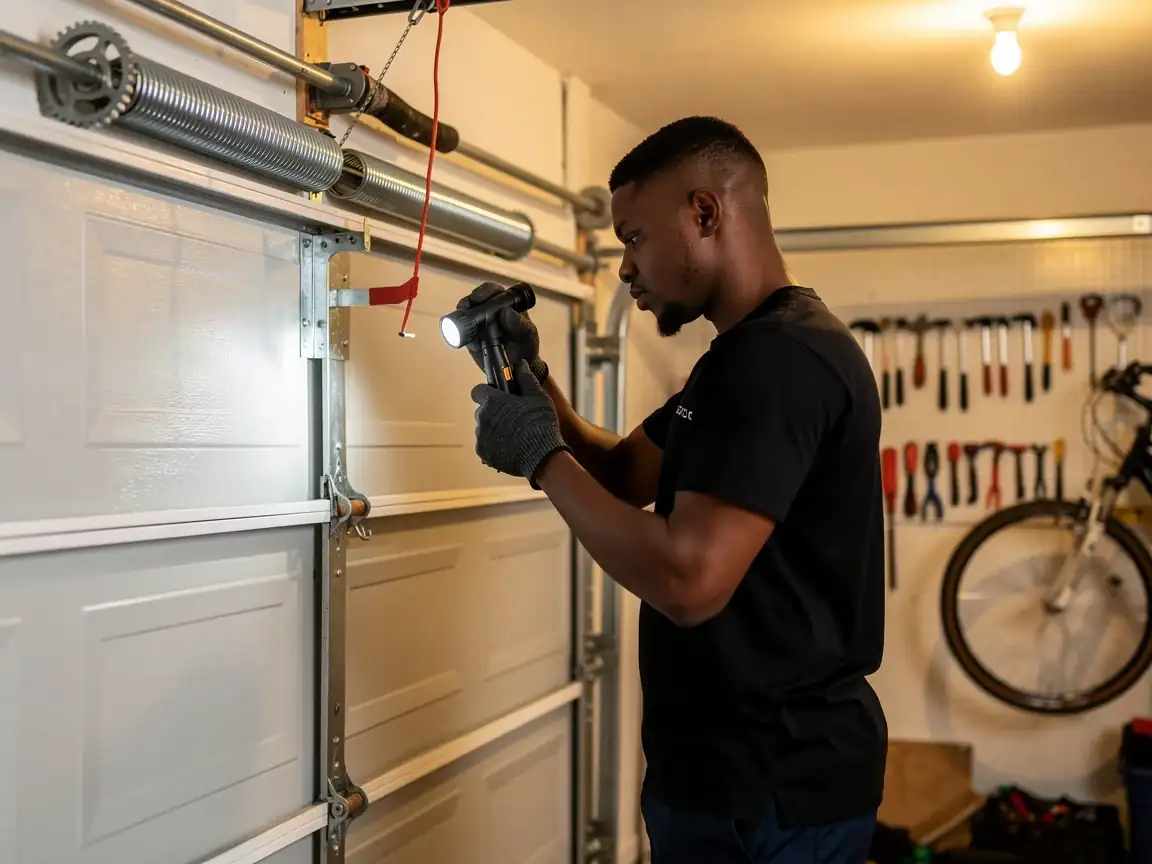
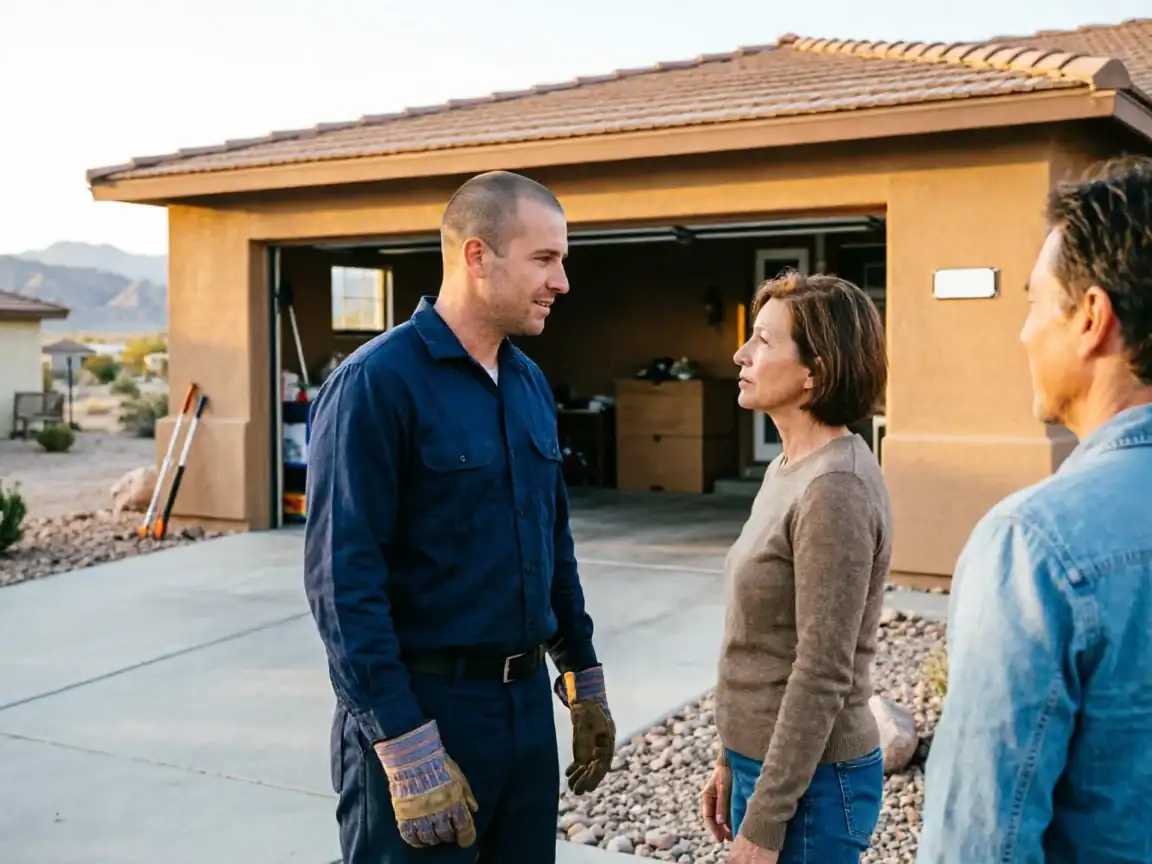
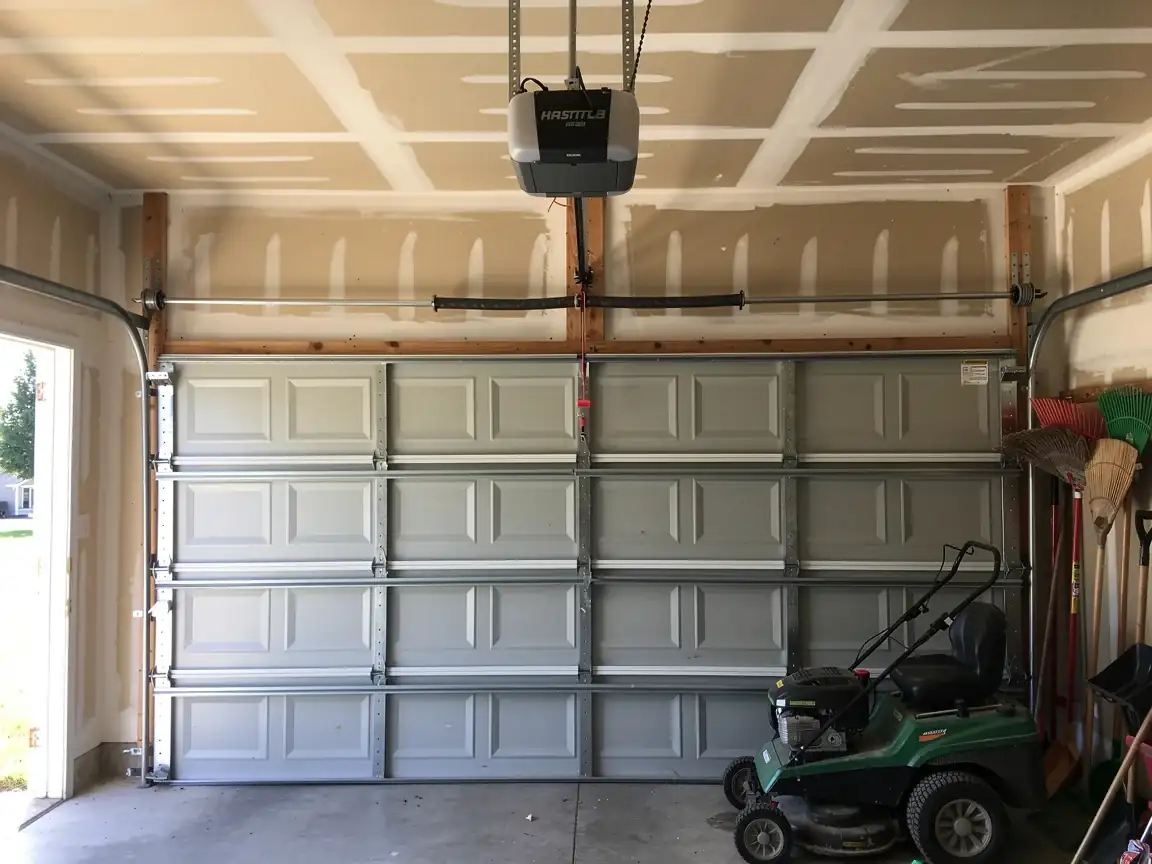
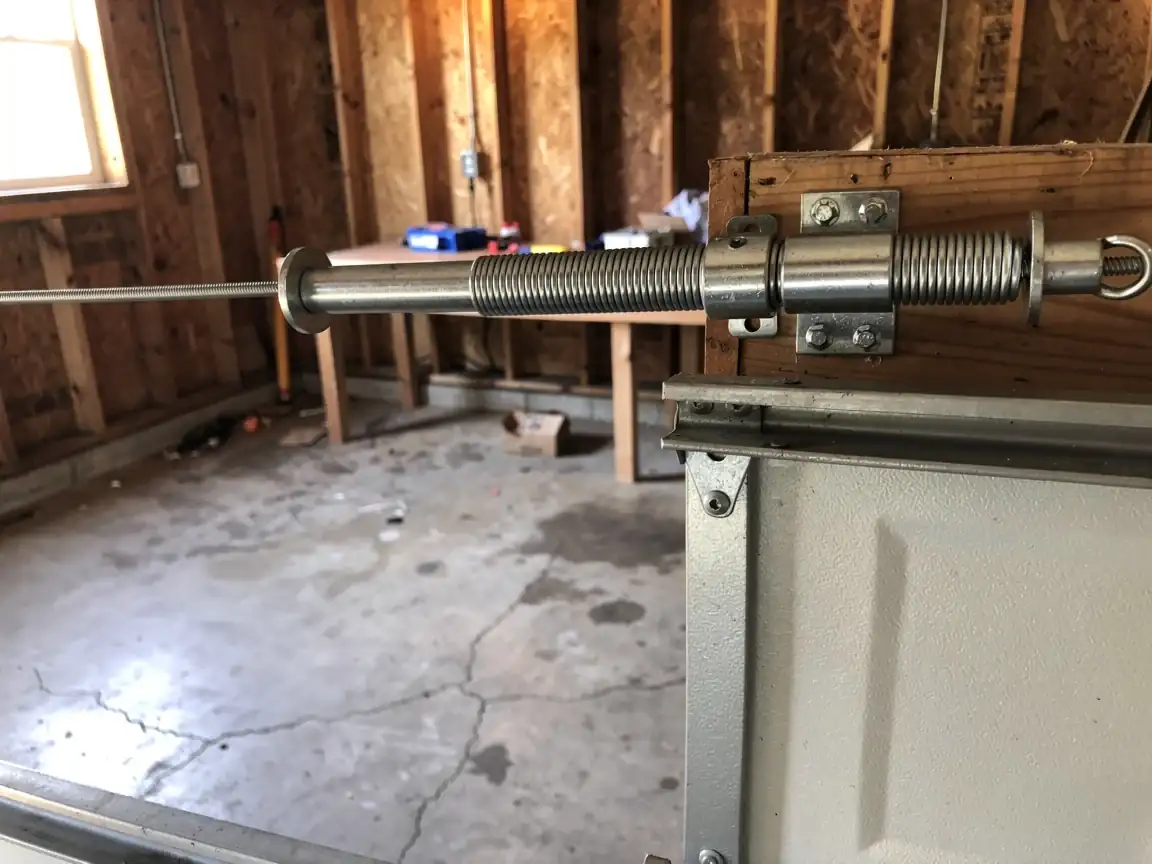
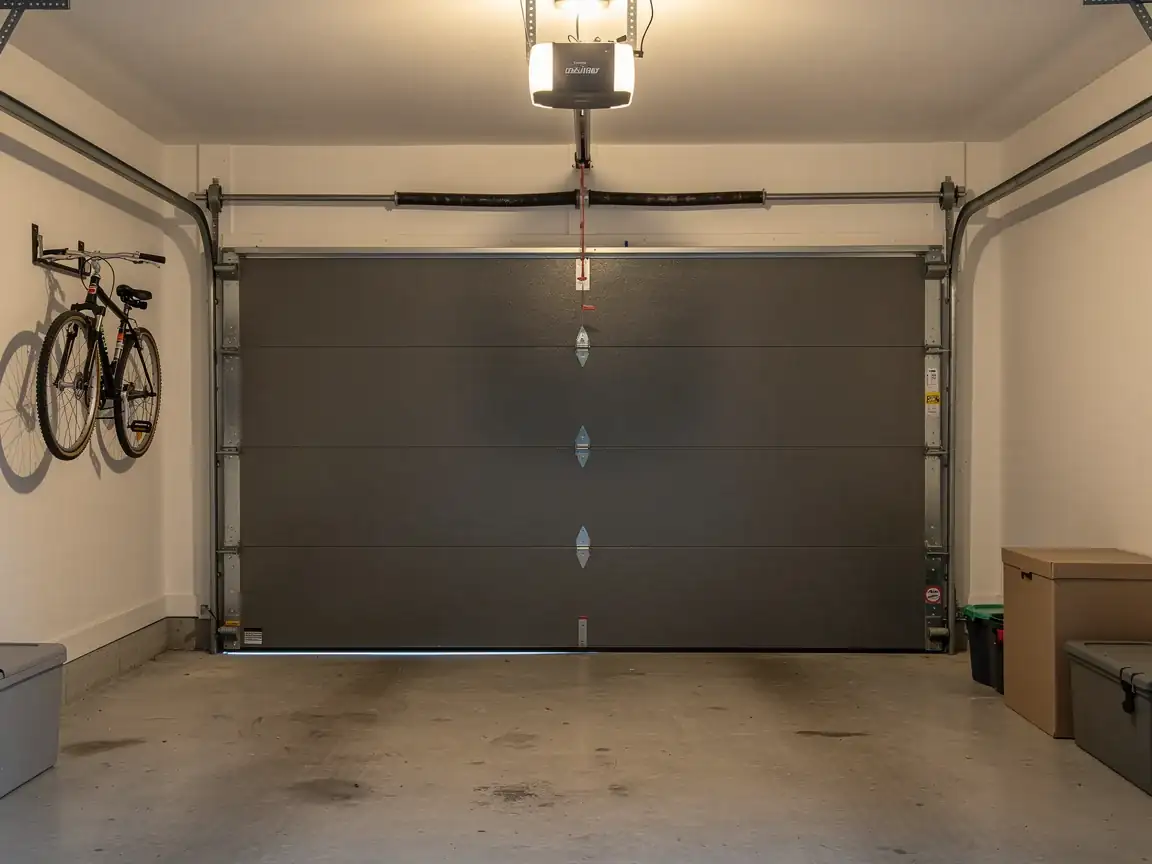
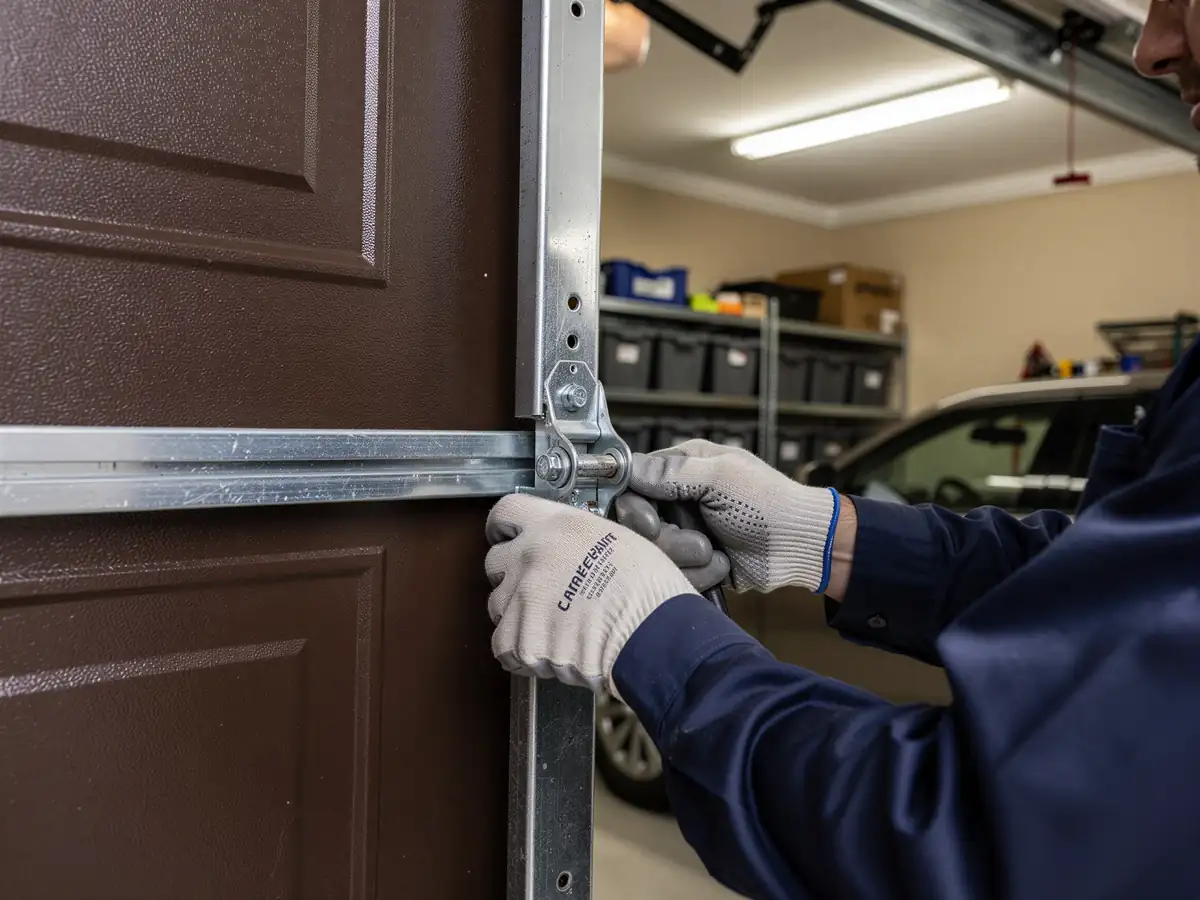
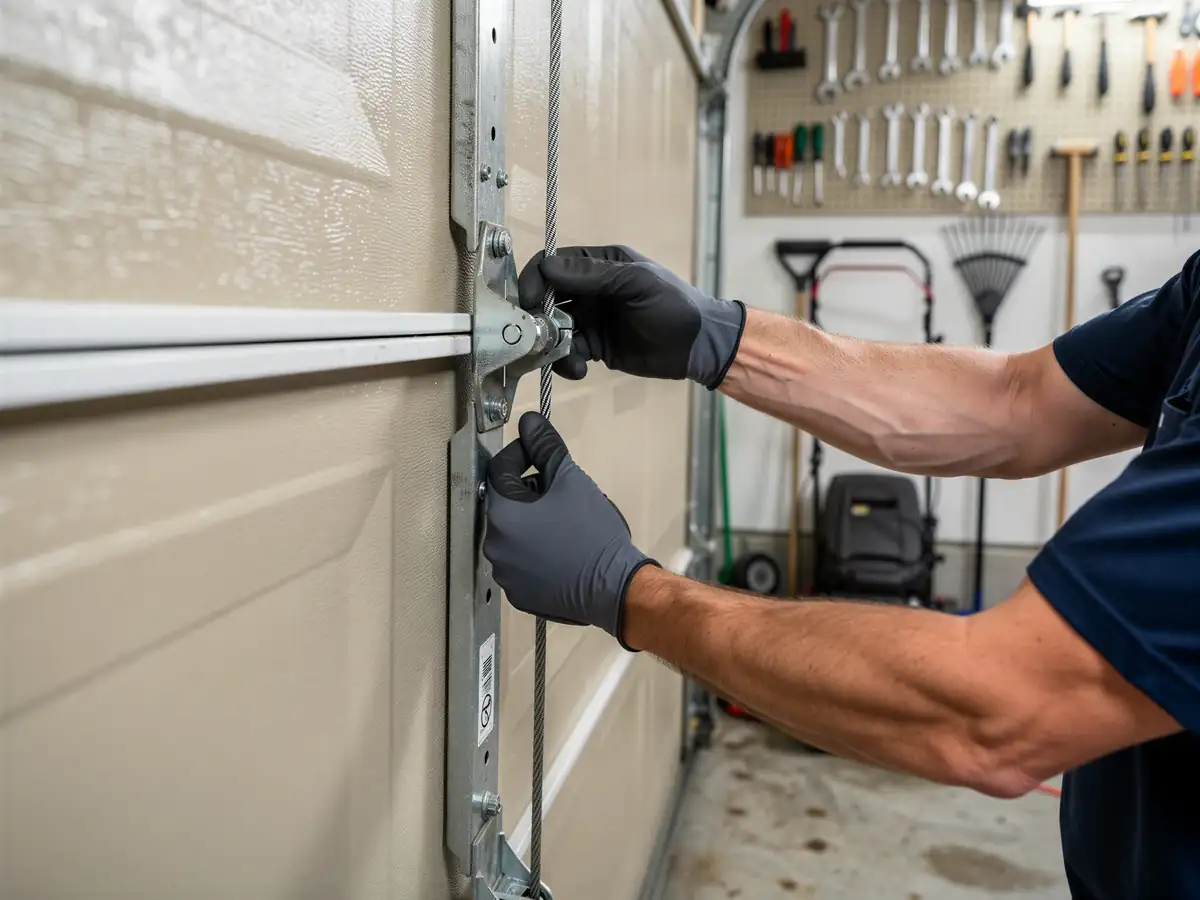
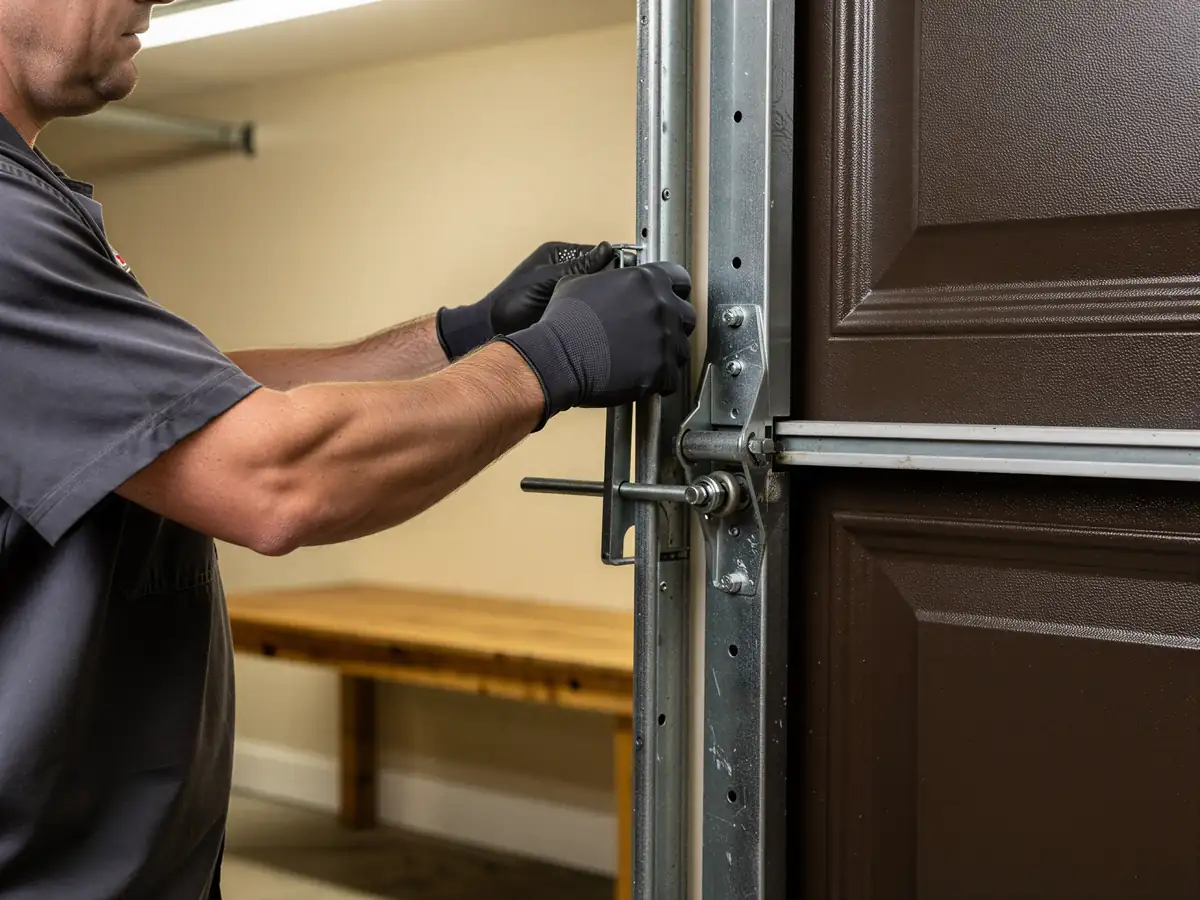
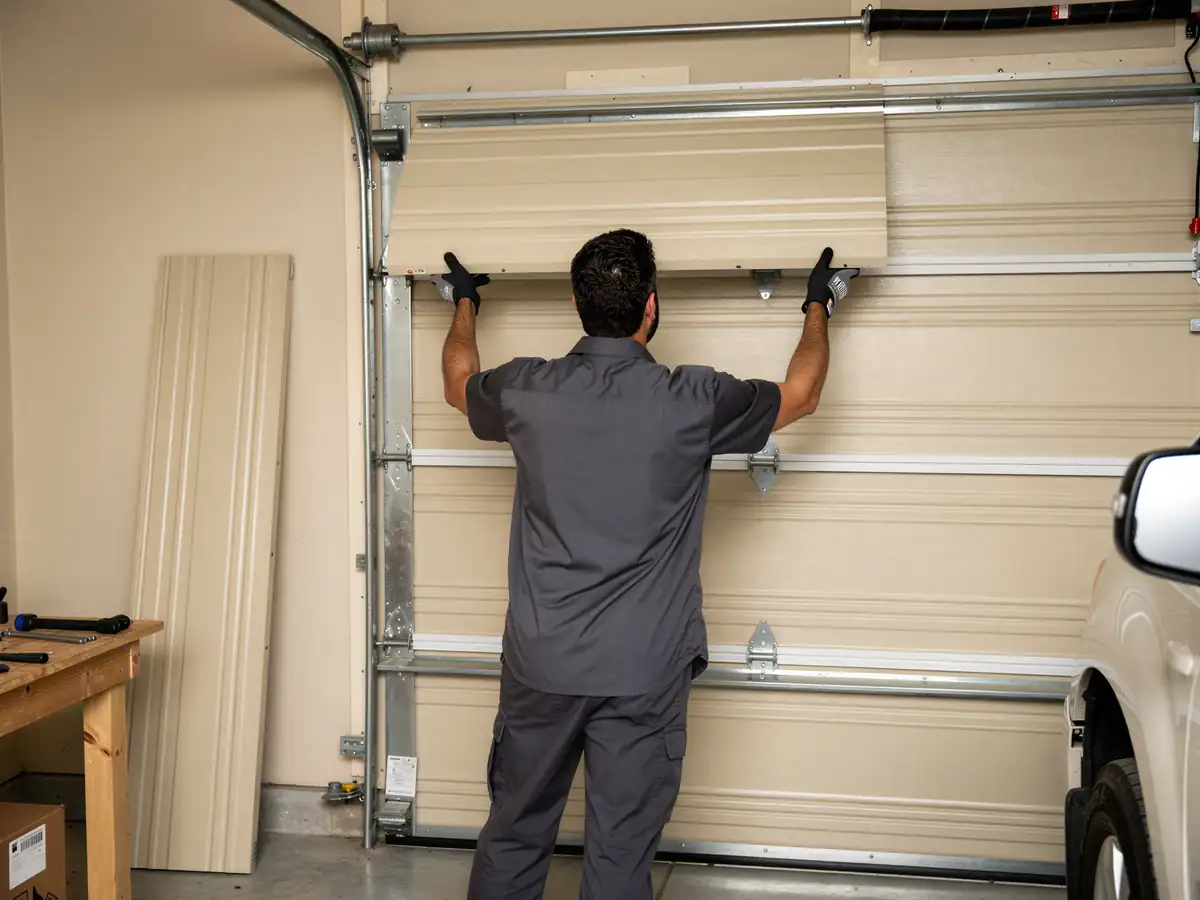
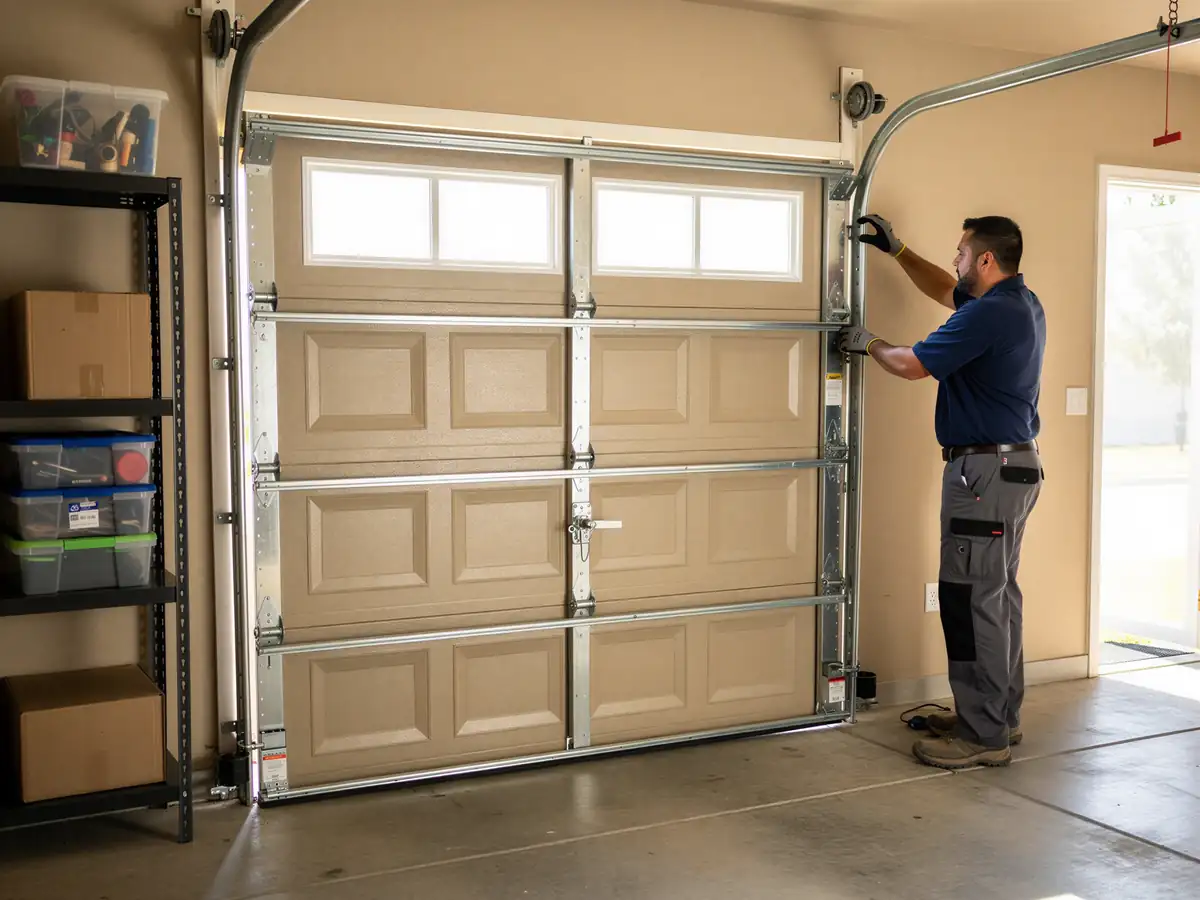
A new garage door install is not a weekend DIY project, and we'll say that plainly. The door itself is heavy enough to cause real injury if a spring lets go mid-lift, and getting the track plumb and the opener's force settings right takes more than a level and a Saturday. If you're swapping a lightweight panel on a side door, fine - that's a different job. But a full garage door replacement means handling torsion springs under load, squaring new track to an opening that's been settling since 1990, and wiring an opener to work safely with a modern door's weight. We've seen enough DIY installs come apart at the first heat cycle to say it plainly: this is one to hire out. Where we do draw a line honestly - we're not a 24-hour emergency outfit in Sun Lakes itself. We run the job from Queen Creek, so install scheduling here works around that drive, not a same-day walk-in.
The Complications
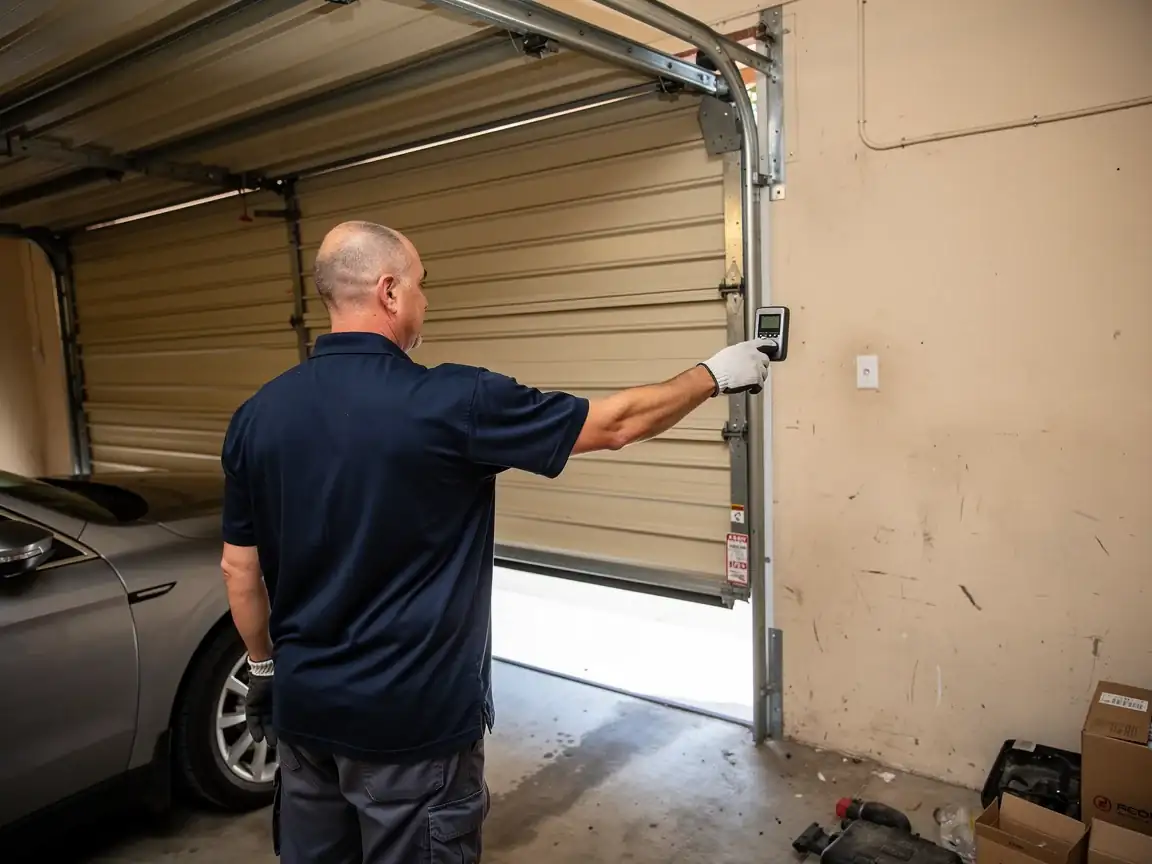
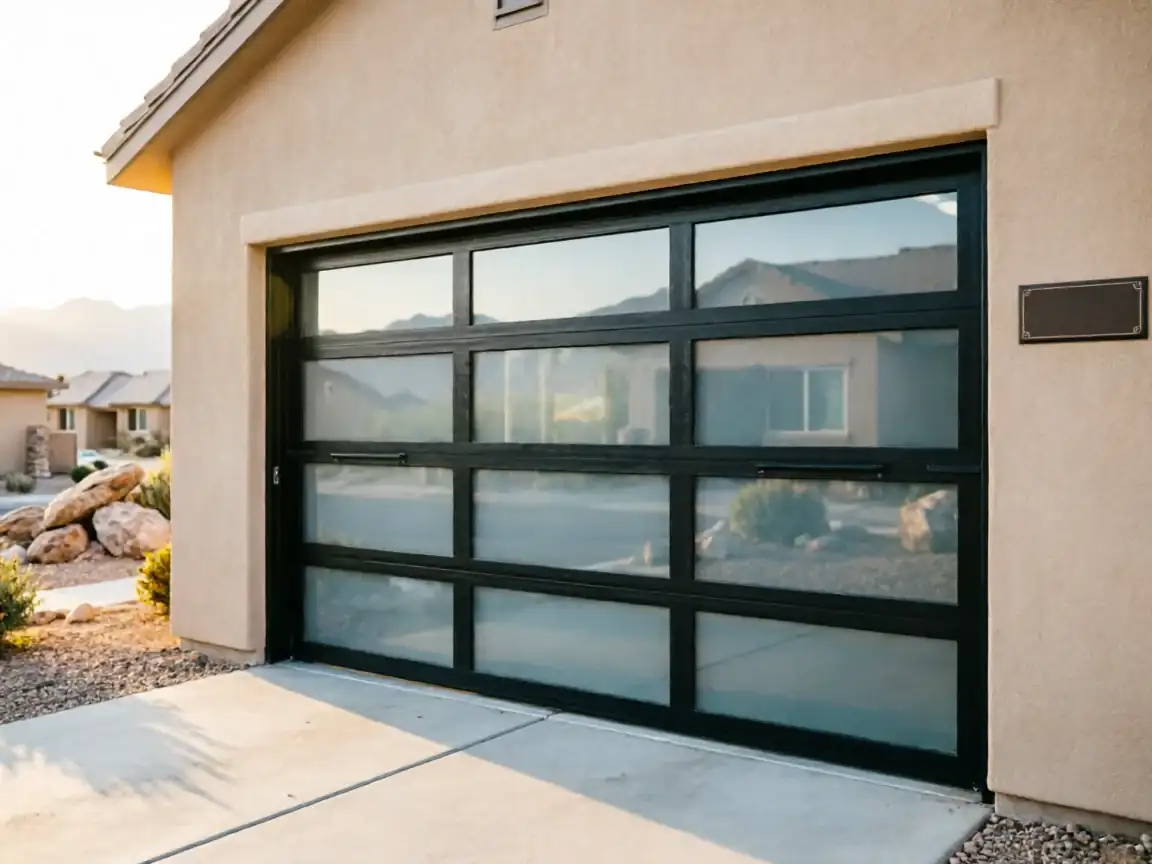
Climate here falls in the severe heat band, and that changes what door is worth installing, not just how it looks. A hollow steel door with no insulation will transmit heat straight into the garage, which matters if the garage shares a wall with living space or holds anything temperature-sensitive. An insulated door with a real R-value costs more up front but earns it back on a house built in 1990 with none of the newer envelope improvements. Permitting and inspection requirements apply the same way here as anywhere in the broader service area, and older rough openings sometimes aren't square anymore after three decades of settling, which means more trim and shimming work than a newer house would need. None of this is unique to one driveway - it's a function of the building stock's age, and we price and schedule for it rather than quoting a generic install and finding the surprises on site.