What Causes It Around Here
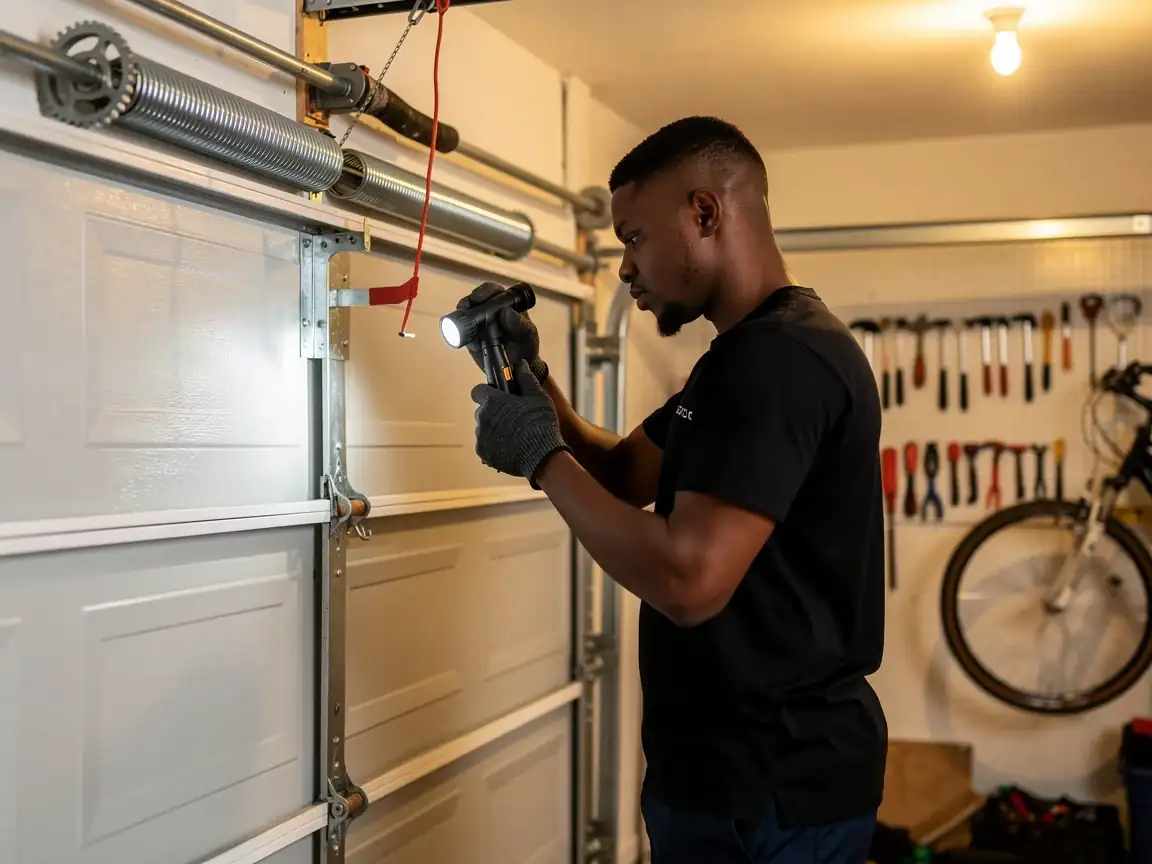
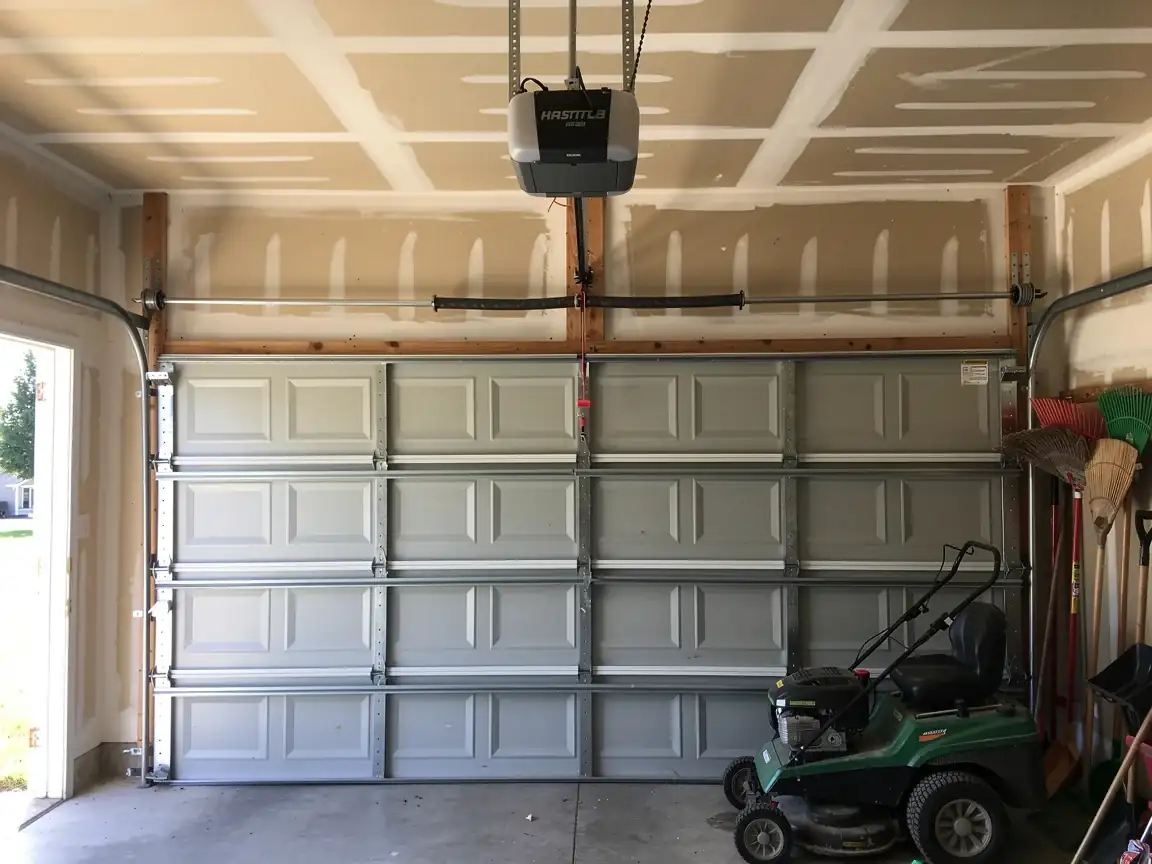
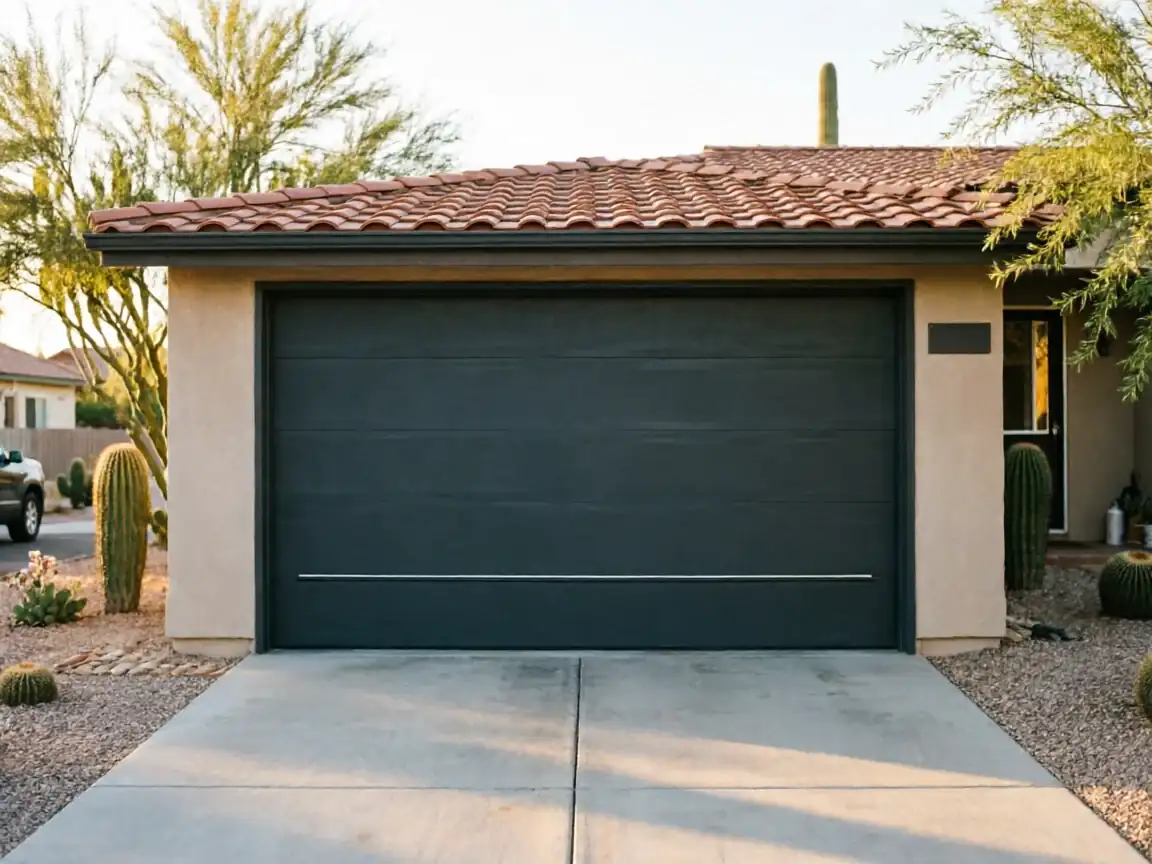
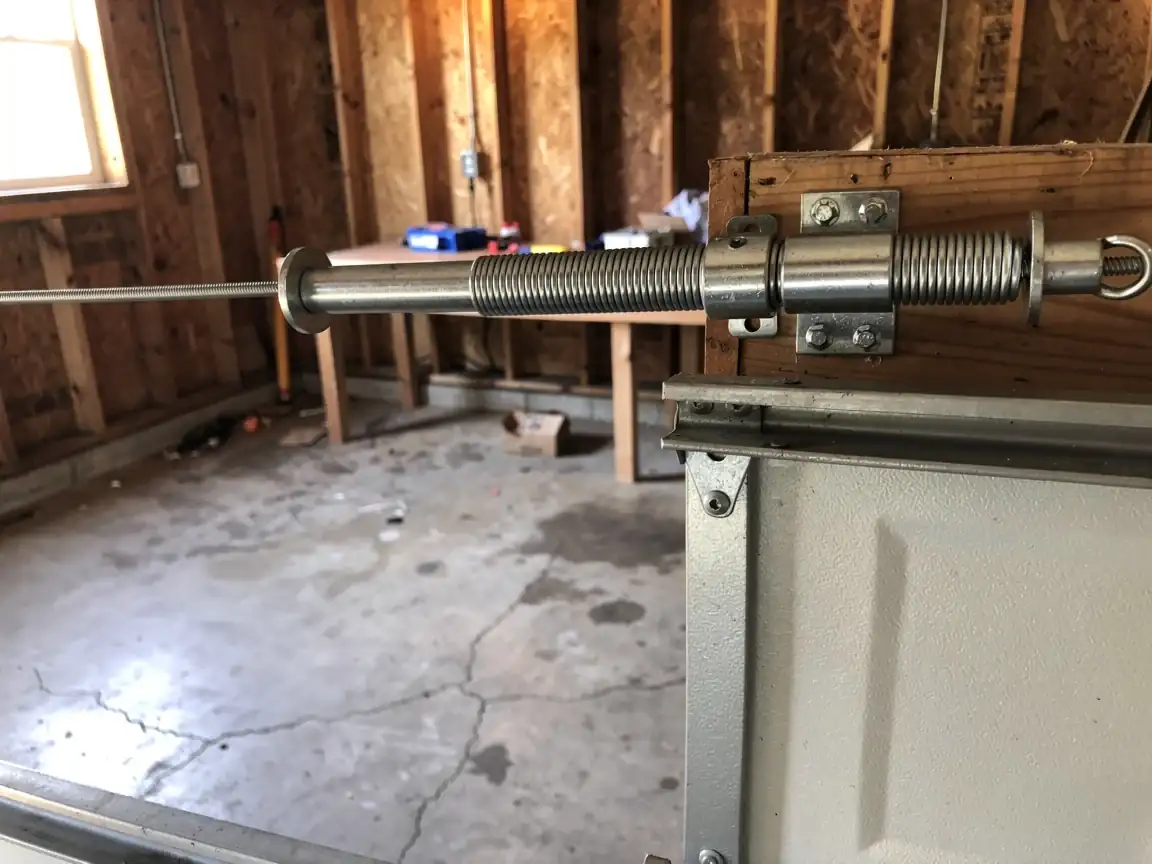
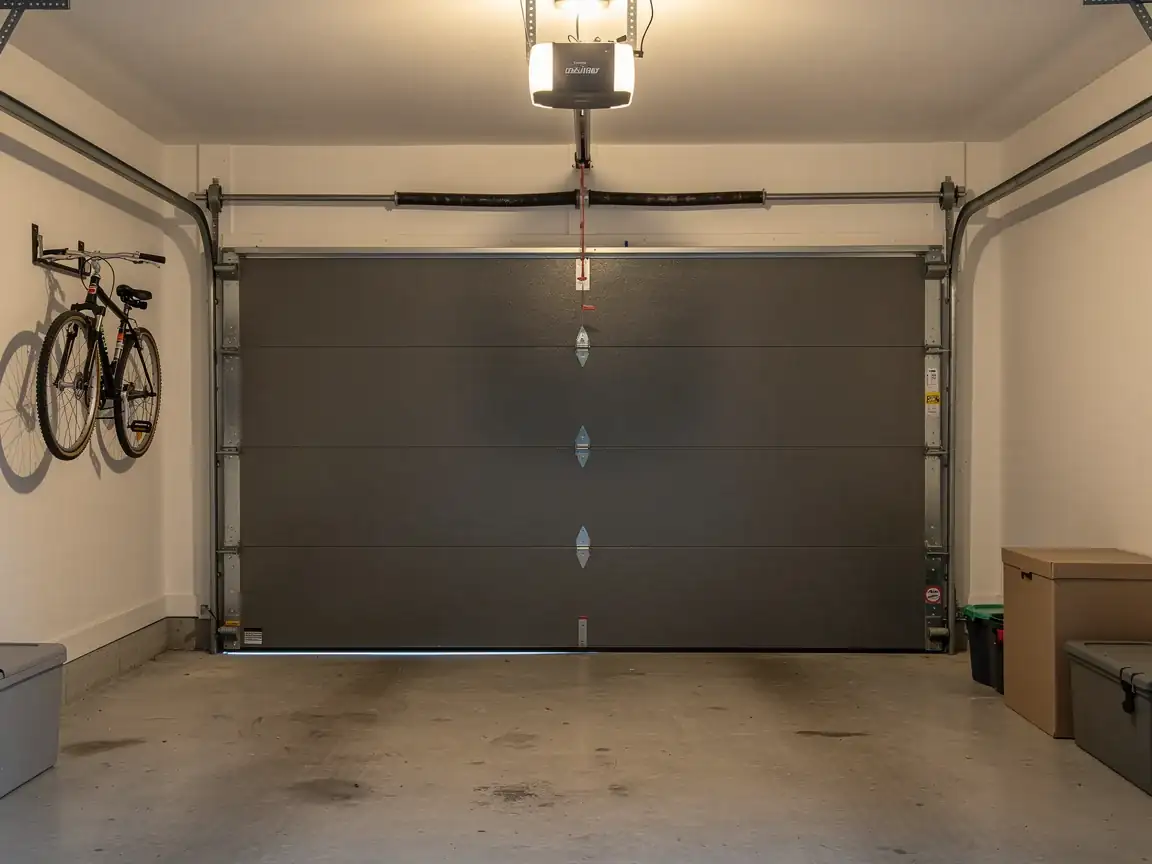
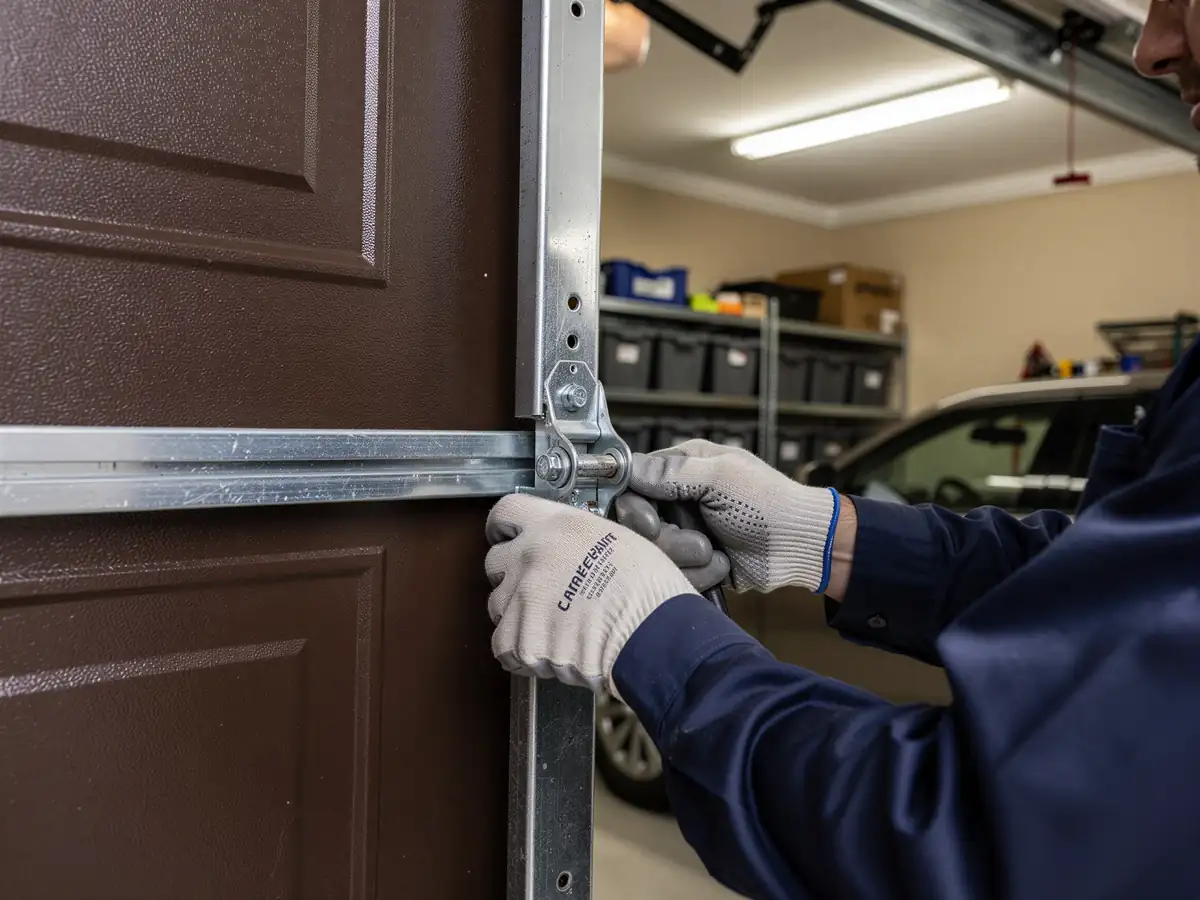
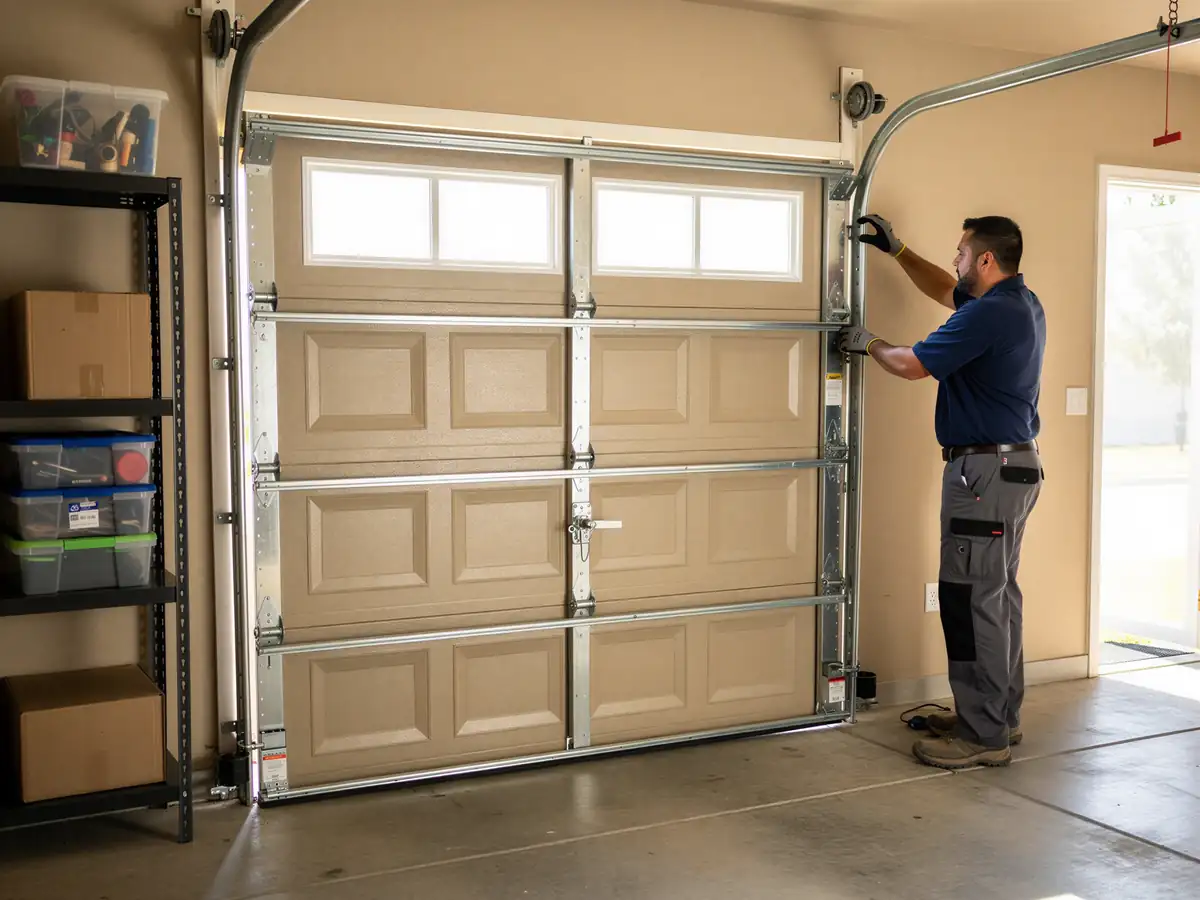
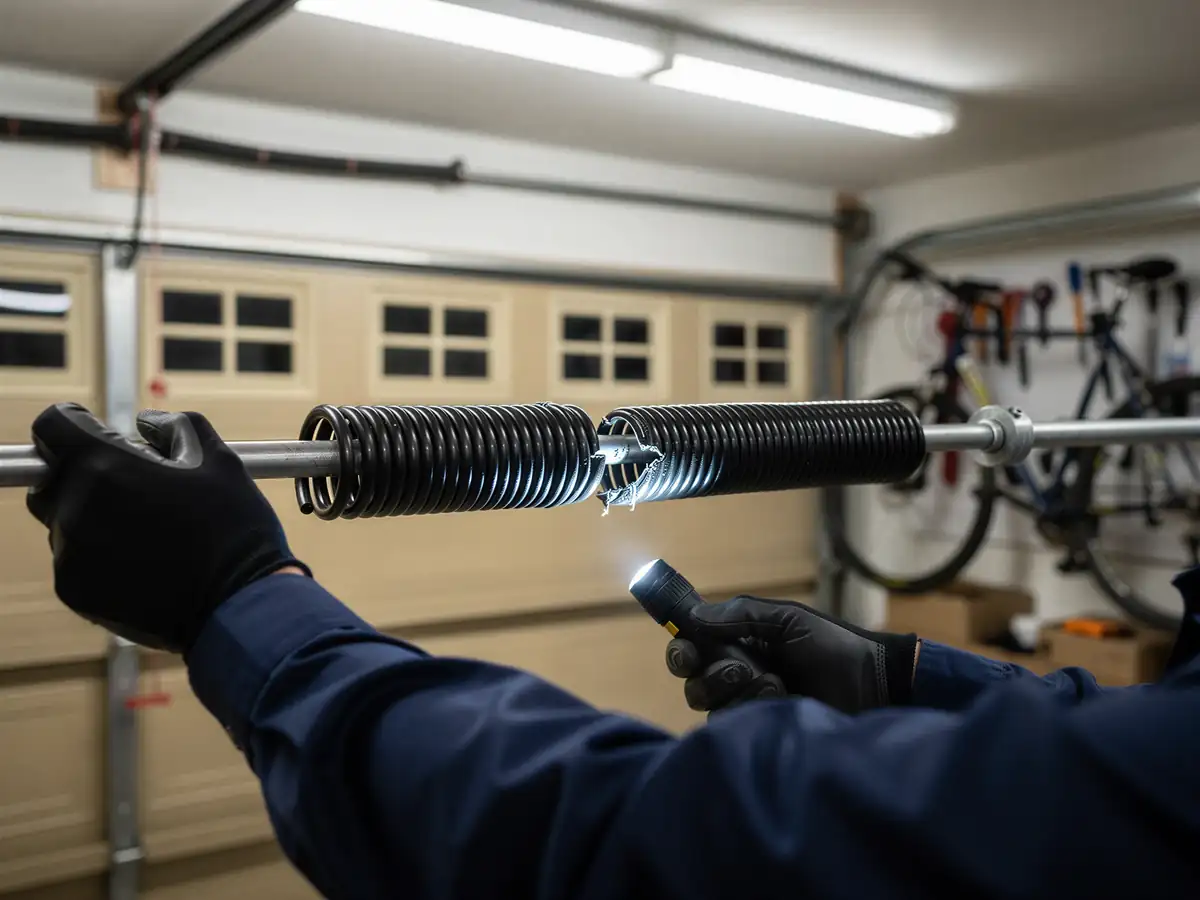
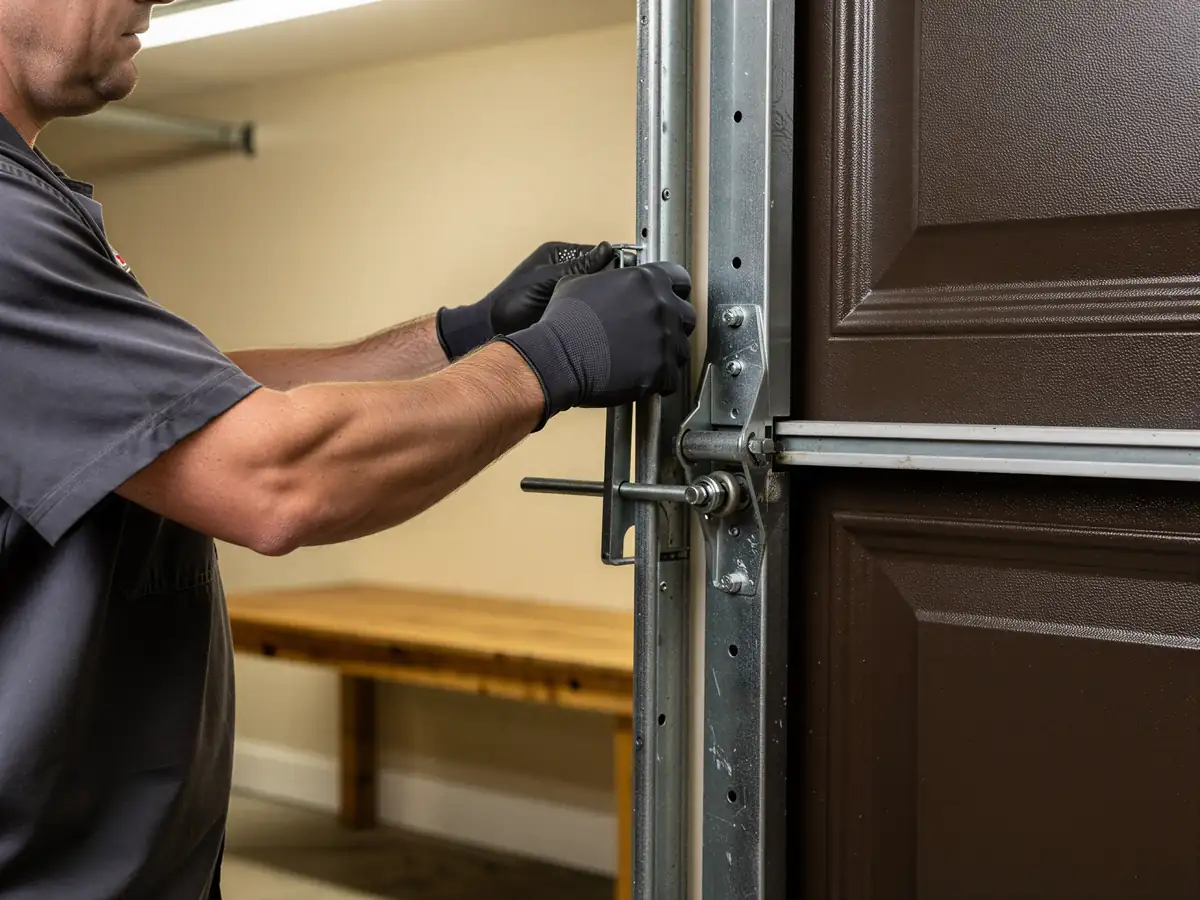
Most of Sun Lakes went up around 1990, and the door hardware that shipped with those houses was steel roller track bolted to galvanized wall brackets - solid stuff, but it was never meant to last forever. Thirty-plus years of Arizona heat cycling that metal expand and contract has a way of working the lag screws loose and warping the track just enough that a roller pops free instead of riding smooth. We also see a lot of original extension-spring setups from that era rather than torsion, and when one side of an extension spring gives out unevenly, the door racks sideways and walks right off the track on that side. It's not usually a mystery part failing out of nowhere - it's original hardware finally giving up after three decades of summers. Doors that have had a spring or opener swapped more recently tend to hold their track better, because whoever did that work usually tightened or replaced the brackets at the same time. If your door's never had anything touched since the house was built, the track hardware is the first place we look, not the panel.
Can You Do This Yourself
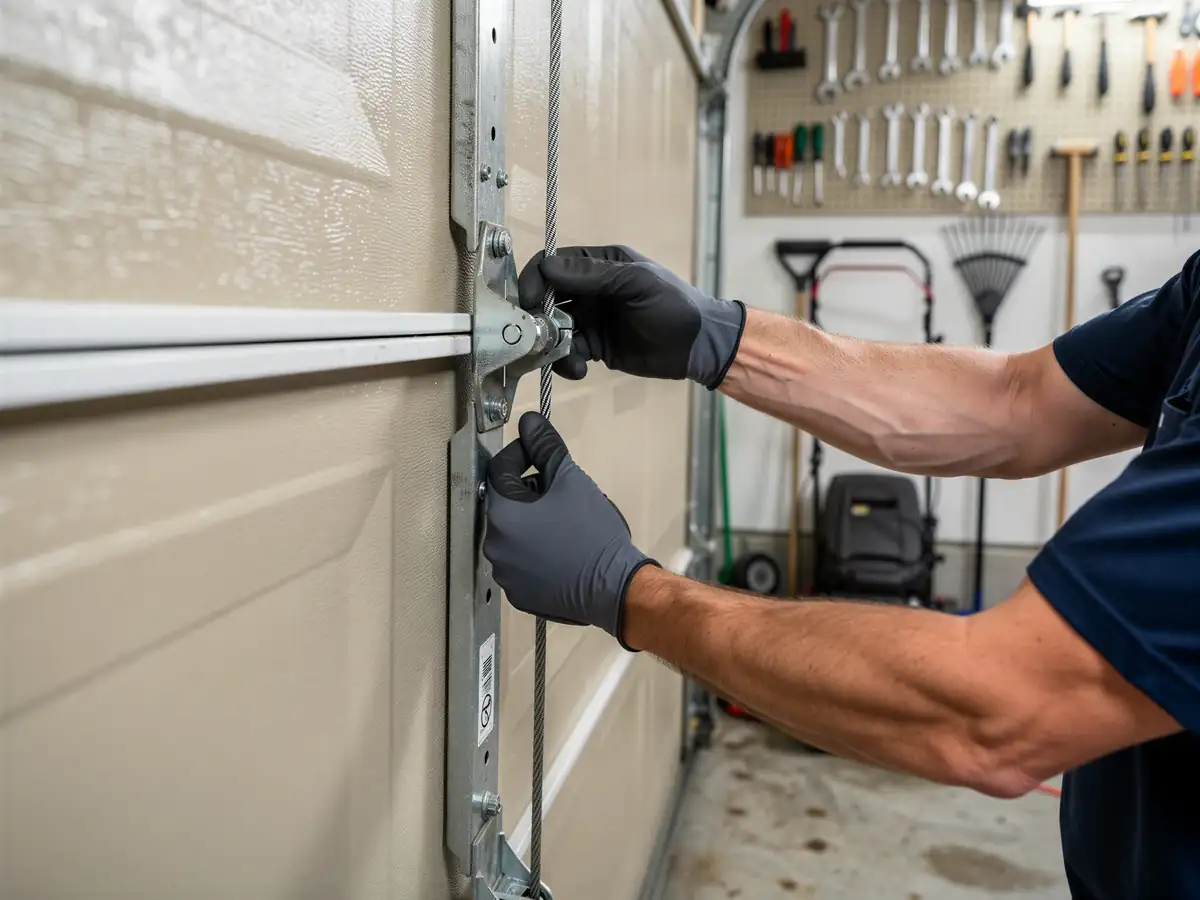
Resetting a roller back into track sounds simple and sometimes is, but the door is under spring tension the whole time, and on original 1990-era extension spring systems that tension isn't contained the way it is on a torsion bar. We don't recommend homeowners open the door or force a roller back in while a spring is still loaded - that's how fingers and hands get hurt, not hypothetically. What you can safely do: unplug the opener, leave the door where it is, and check whether the track bracket itself has pulled away from the wall. If it has, that's a job for us, not a Saturday project. If the door is just sitting crooked with no visible bent metal, sometimes it's only a loose cable, and even that we'd rather look at than have you guess at under load.
The Complications
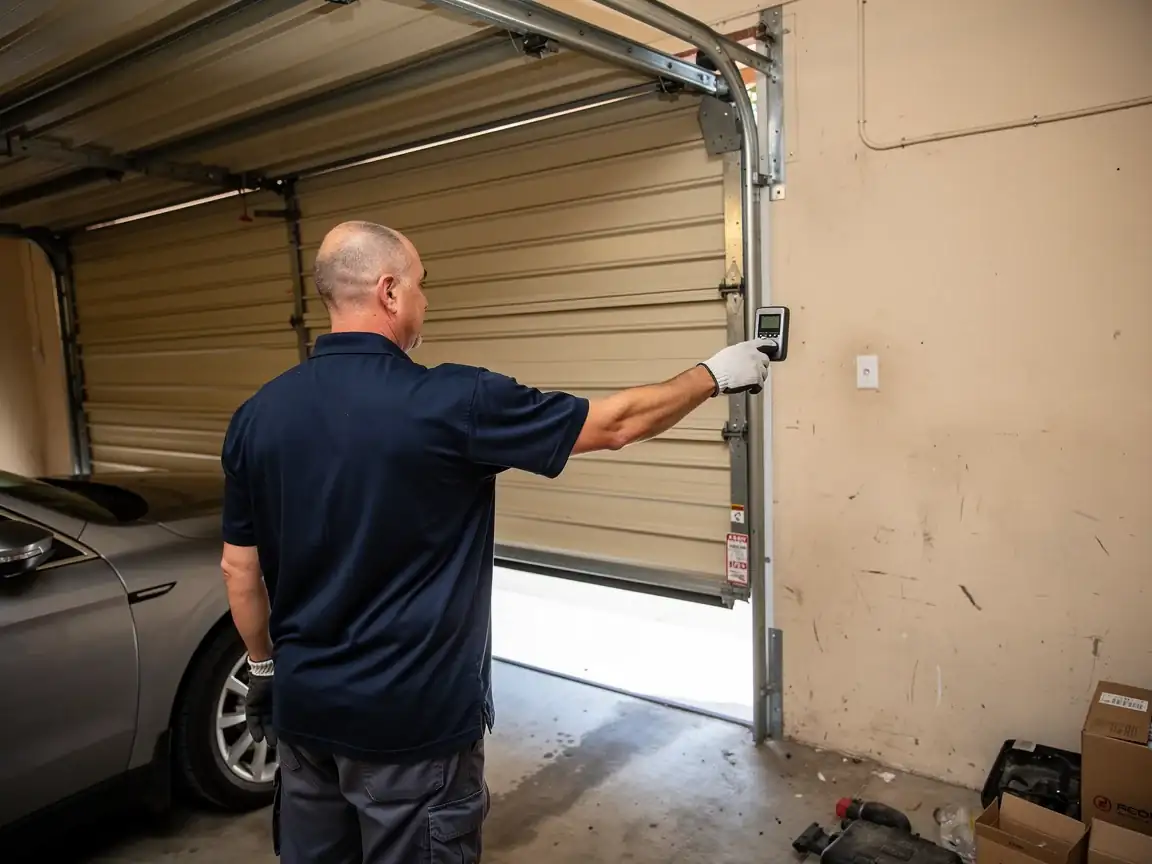
The complication we run into most in Sun Lakes isn't the track - it's what's behind it. Original 1990-vintage track brackets were often fastened directly into studs with lag screws that have backed out slightly over the years from heat expansion, so the wall anchor point itself is sometimes the real problem, not just a bent rail. We straighten track when the bend is minor, but once it's kinked more than about a quarter inch we replace that section rather than bend it back, because a repaired kink is a weak point that fails again within a year or two. We also won't force a door back onto track if a cable has frayed or a spring looks stretched unevenly - fixing the track and ignoring a failing spring just means we're back out for a second call. Given the median household income here, most owners we talk with want the track and bracket fixed rather than a full door swap, and on a door with a sound panel that's almost always the right call.